Knife Technique: Trimming Fat and Silver Skin from Pork Shoulder
Trimming fat and silver skin from a pork shoulder is a fundamental skill that can elevate your cooking. This technique is crucial for achieving a balanced texture and flavor in dishes like pulled pork or roasted pork shoulder. The fat provides moisture and flavor, but too much can lead to greasiness. Silver skin, a tough connective tissue, can cause meat to curl and create chewy bites if not removed. This guide will walk you through the process with confidence and ease. First, understand the anatomy of your pork shoulder: fat is usually found in layers and chunks, while silver skin is a translucent, silvery membrane. It's important to identify these correctly to trim efficiently. Start with a sharp chef's knife, as dull blades can tear rather than cut cleanly. Proper lighting and a clean, uncluttered workspace are essential for precision. Remember, the goal is not to remove all fat but to balance it with lean meat. Over-trimming can lead to dry meat, while under-trimming can result in an overly fatty dish. Patience is key; rushing can lead to mistakes. With practice, you'll develop an eye for how much fat to leave and where to find silver skin. This technique is all about finesse and control, ensuring that your pork shoulder is ready to shine in any recipe.
Notes
The science behind trimming pork shoulder lies in understanding fat's role in flavor and texture. Fat renders down during cooking, basting the meat with its own juices, but too much can overwhelm. Silver skin, composed of collagen, doesn't break down easily and can cause undesirable chewiness. Common mistakes include using a dull knife, which can tear rather than slice cleanly, and over-trimming, leading to dry meat. To avoid these, always use a sharp knife and trim with intention. For safety, ensure your cutting board is stable and use a fork to hold the meat when necessary. Pork shoulder can be trimmed up to a day in advance; store it uncovered on a plate in the fridge to prevent cross-contamination and maintain airflow for even drying before cooking.
Steps
- 1 Place the pork shoulder fat-side up on a clean cutting board.
- 2 Identify the thickest layers of fat and the silver skin.
- 3 Hold the knife at a 45-degree angle and slice into the fat.
- 4 Cut along the fat layer, following its natural contours.
- 5 Gently pull away trimmed fat to expose more surface area.
- 6 Locate silver skin by its shiny, translucent appearance.
- 7 Insert the knife tip under an edge of the silver skin.
- 8 Use a gentle sawing motion to separate the skin from the meat.
- 9 Peel back the silver skin slowly, reinserting the knife as needed.
- 10 Continue trimming until fat is balanced and silver skin is removed.
- 11 Check for any missed spots and trim additional fat or skin as necessary.
- 12 Clean your knife and cutting board immediately after trimming.
- 13 Pat the pork shoulder dry with paper towels before cooking.
Ingredients to explore
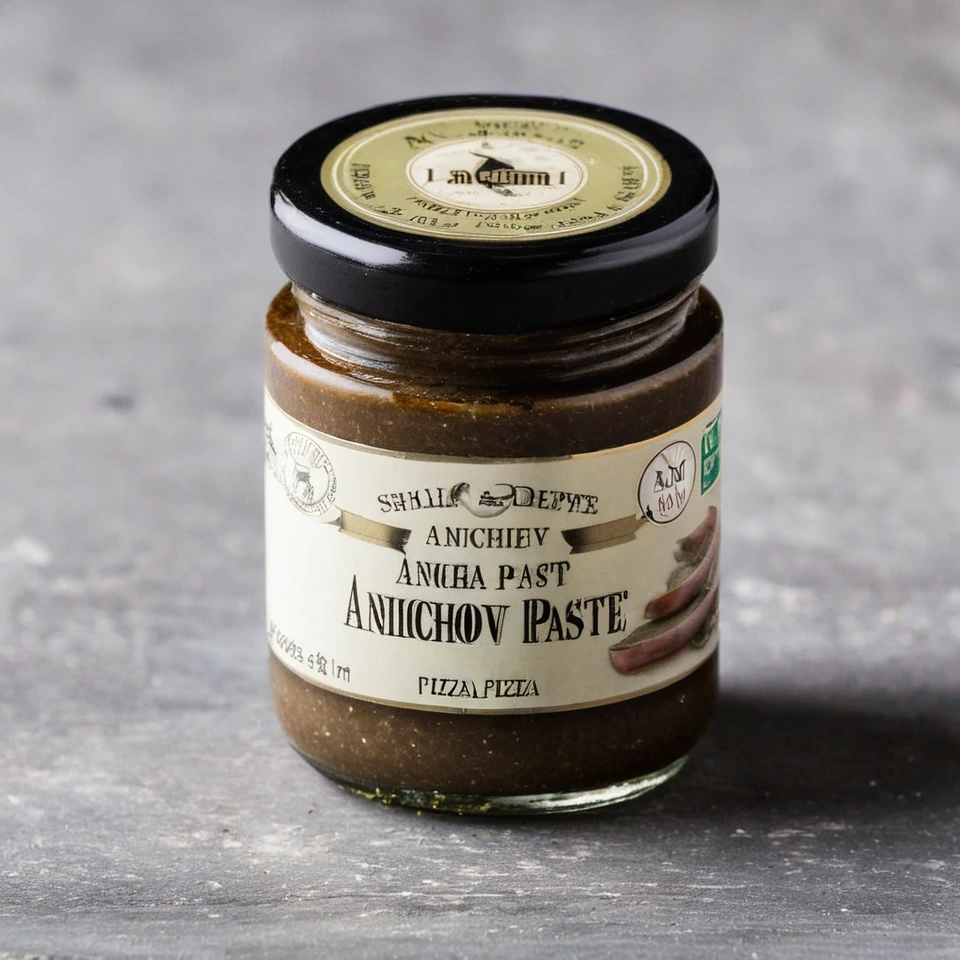
Anchovy Paste
Anchovy paste is a rich, salty spread made from finely ground anchovies, salt, and sometimes olive oil. It offers a deep umami flavor that enhances a variety of dishes.
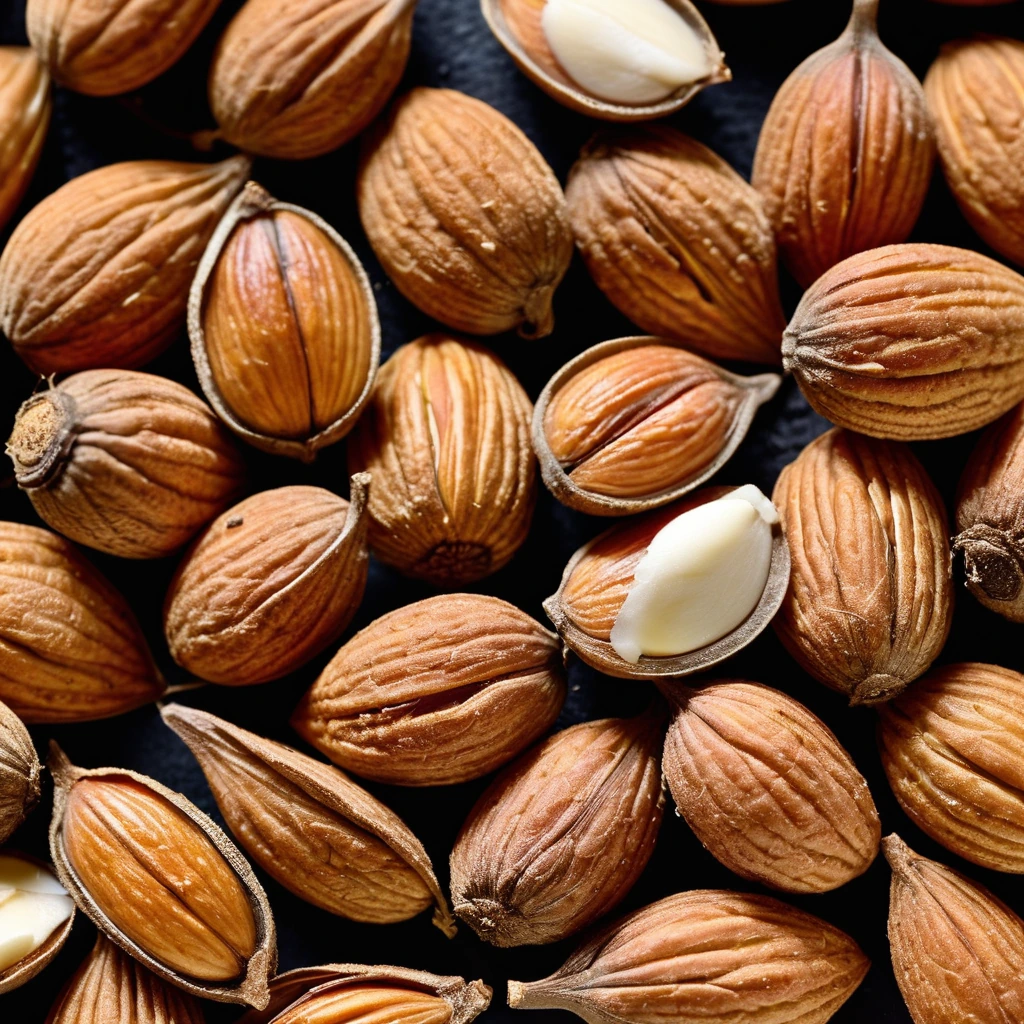
Almond Extract
A fragrant, golden elixir that captures the essence of freshly ground almonds, almond extract is a pantry staple that brings a rich, nutty aroma to your culinary creations.
Recipes to try
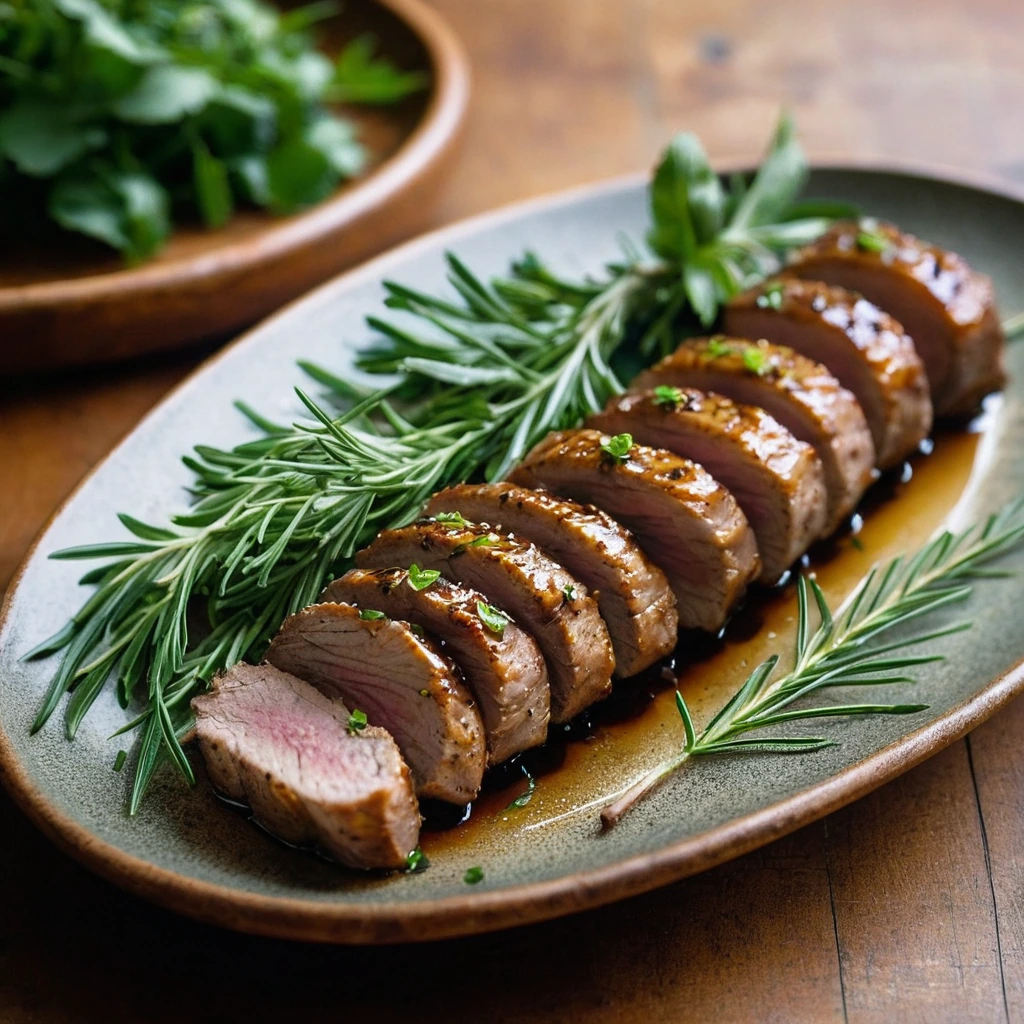
Pork Tenderloin with Garlic Honey Glaze
Succulent pork tenderloin kissed with a sweet, sticky glaze of garlic and honey for a flavor punch that'll have everyone coming back for seconds.
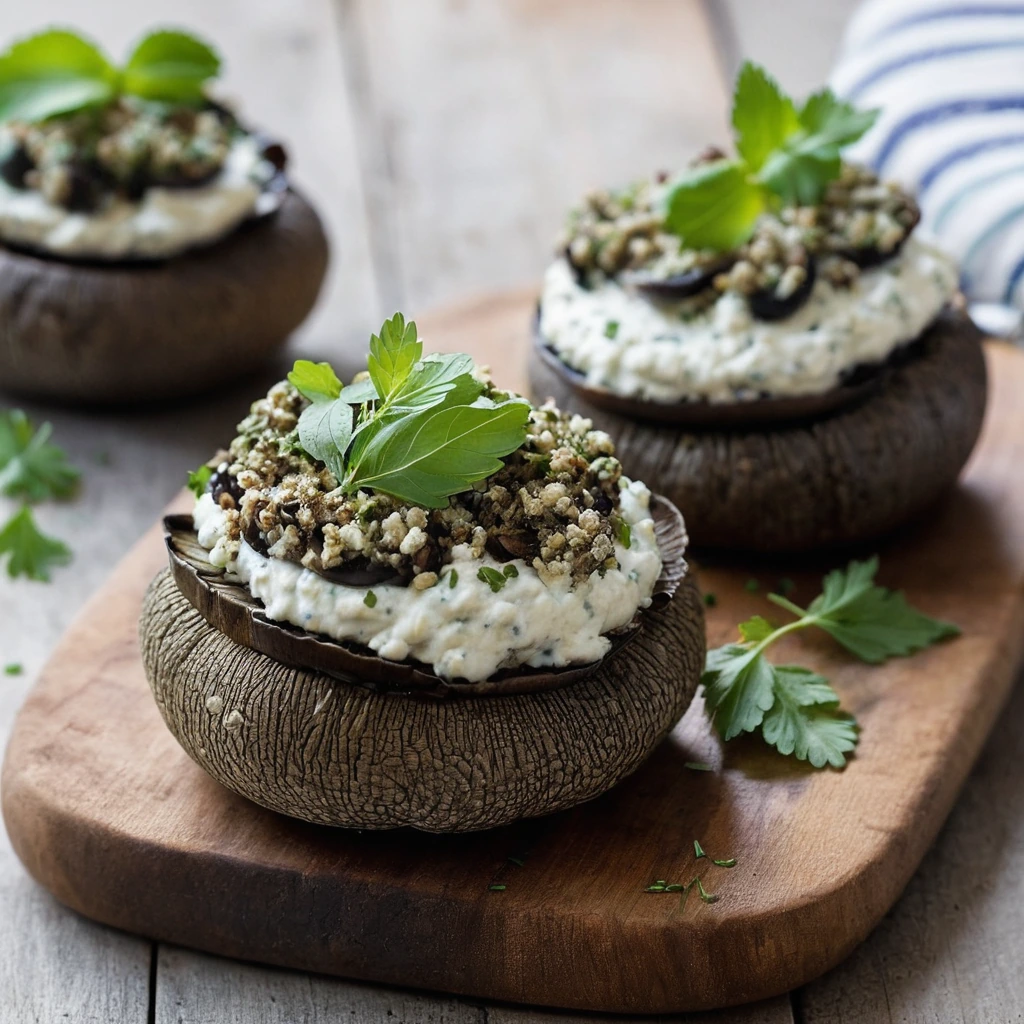
Stuffed Portobello Mushrooms with Herbed Ricotta
These earthy portobello mushrooms are stuffed with a creamy, herbed ricotta mixture, offering a satisfying vegetarian delight that's both elegant and easy.