Knife Technique: Precision Slicing for Carpaccio and Crudo
Precision slicing is an essential knife technique for creating the delicate, paper-thin slices that define carpaccio and crudo. Achieving these slices requires a sharp knife, a steady hand, and a bit of patience. Whether you're slicing raw beef for carpaccio or delicate fish for crudo, mastering this technique elevates your dishes from home-cooked to restaurant-quality. The key is to maintain consistency in thickness and shape, ensuring each slice is uniform for even cooking (if any) and a stunning presentation. This technique not only highlights the natural beauty of the ingredients but also allows their flavors to shine. Let's dive into how you can achieve professional-level precision slicing at home. First, selecting the right knife is crucial. A long, sharp chef's knife or a slicing knife works best due to their broad blades, which allow for longer, smoother strokes. Next, the ingredient should be chilled but not frozen, as this firms the flesh and makes it easier to slice without tearing. Holding the knife correctly and using a rocking motion will help maintain control and precision. Remember, the goal is to create slices so thin that light can pass through them, yet intact enough to stay on the plate. Achieving this balance takes practice, but with each attempt, you'll notice improvement. Understanding the grain of the meat or the natural orientation of the fish is also vital. Slicing against the grain for meat tenderizes it, while slicing fish with its natural orientation preserves its integrity. Lastly, keeping your workspace clean and organized will ensure that your slicing process is efficient and enjoyable. With these insights, you'll be well on your way to creating exquisite carpaccio and crudo dishes that are sure to impress.
Notes
Precision slicing works because a sharp knife minimizes cell damage, resulting in clean cuts that preserve texture and flavor. A common mistake is using a dull knife, which can tear rather than slice the ingredient. Always ensure your knife is sharp to avoid this issue. Another mistake is slicing too quickly, which can lead to uneven thickness. Take your time and focus on smooth, controlled movements. For safety, always cut away from your body and keep fingers tucked in. As for make-ahead and storage, carpaccio and crudo are best served fresh due to food safety concerns. Prepare just before serving and store any leftovers in the refrigerator for up to a day, though they are best enjoyed immediately.
Steps
- 1 Select a long, sharp chef's knife or slicing knife.
- 2 Chill your ingredient in the refrigerator until firm, but not frozen.
- 3 Trim any excess fat or sinew from the meat or skin from the fish.
- 4 Place the ingredient on a clean, dry cutting board.
- 5 Hold the knife with a comfortable grip, ensuring control and precision.
- 6 Slice against the grain for meat, or with the natural orientation for fish.
- 7 Use a smooth, even rocking motion to create thin slices.
- 8 Check the thickness of each slice, aiming for translucent yet intact pieces.
- 9 Turn the ingredient slightly after each slice to maintain consistency.
- 10 Stack slices carefully to avoid tearing, using a clean kitchen towel to separate layers.
- 11 Repeat the process until all the ingredient is sliced.
- 12 Arrange slices artfully on a chilled plate for serving.
- 13 Clean and dry your knife immediately after use to maintain its edge.
Ingredients to explore

Anaheim Peppers
Anaheim peppers are a mild chili pepper variety named after Anaheim, California, where they were first cultivated commercially. Originating from the New Mexico region, these peppers are celebrated for their versatility and gentle heat. They possess a flavor that is mildly sweet with a subtle tang, and a pleasant vegetal note reminiscent of green bell peppers, but with a hint of spice. Their texture is firm and crisp when fresh, becoming tender and slightly smoky when roasted or cooked. In cooking, Anaheim peppers behave well across a range of techniques, from grilling and roasting to stuffing and sautéing, contributing a nuanced depth without overwhelming other ingredients with heat.
Ancho Chili Powder
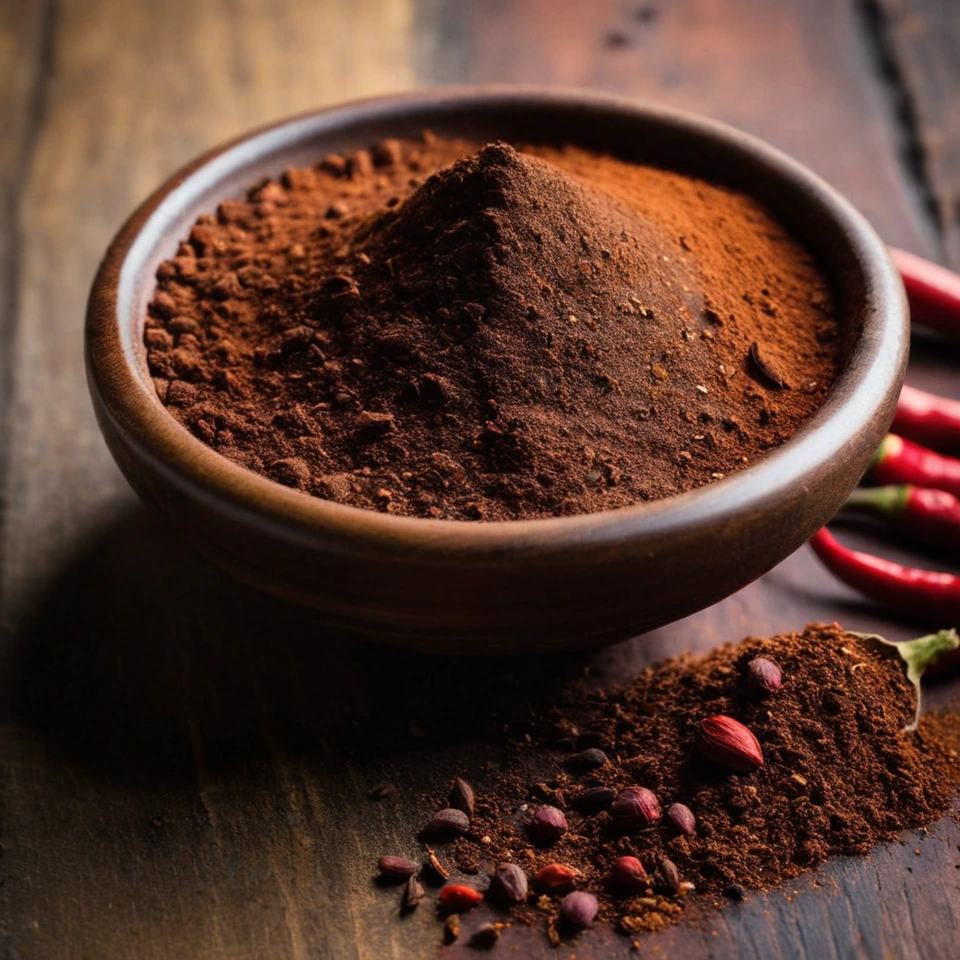
Ancho chili powder offers a deep, smoky sweetness with hints of dried fruit and cocoa, reminiscent of its origin as dried poblano peppers from Mexico. Its aroma is warm and inviting, with a mild heat that lingers gently. The texture is fine and velvety, making it easy to incorporate into a variety of dishes. This powder is prized for its ability to add complexity without overwhelming spice, ideal for enriching both traditional Mexican moles and contemporary global cuisines.
Recipes to try
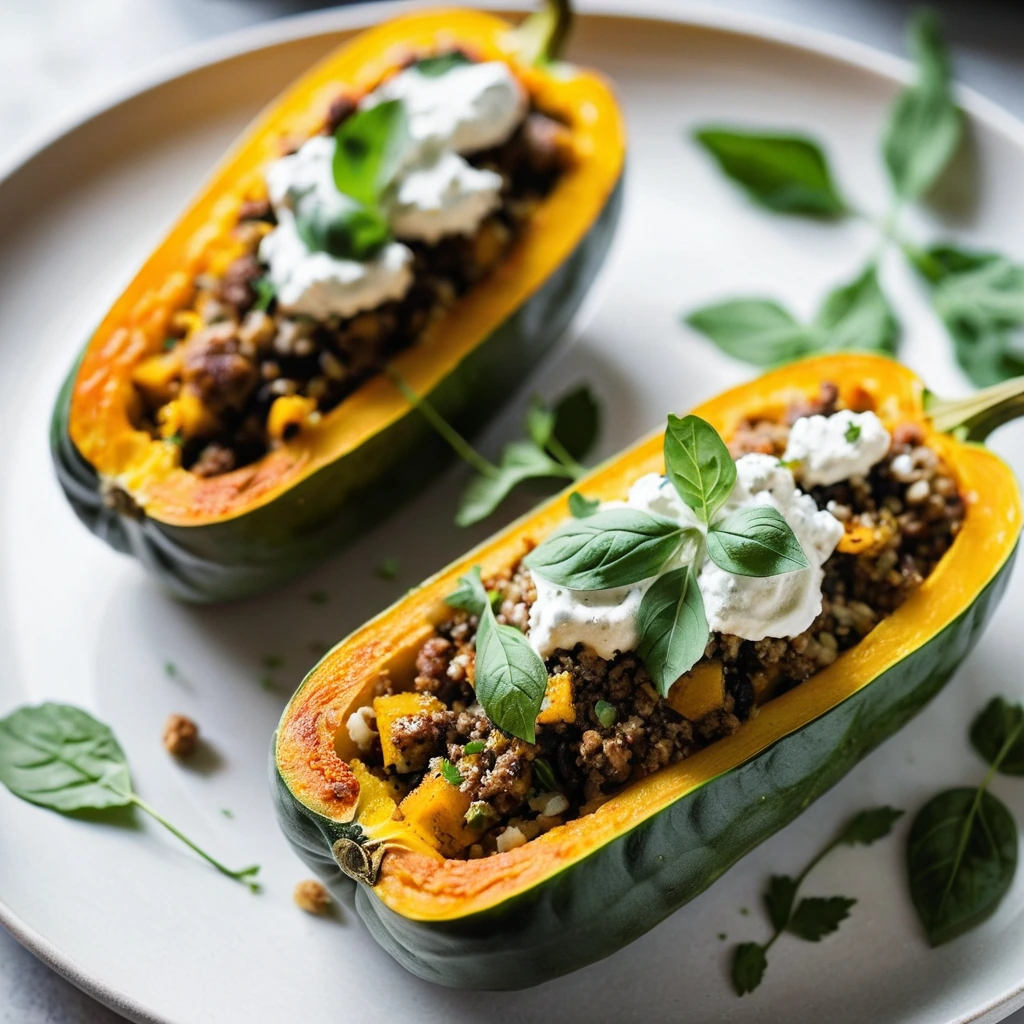
Sausage and Ricotta Stuffed Squash Boats
Tender roasted squash halves are stuffed with a savory mix of Italian sausage and creamy ricotta, making for a comforting and hearty meal.
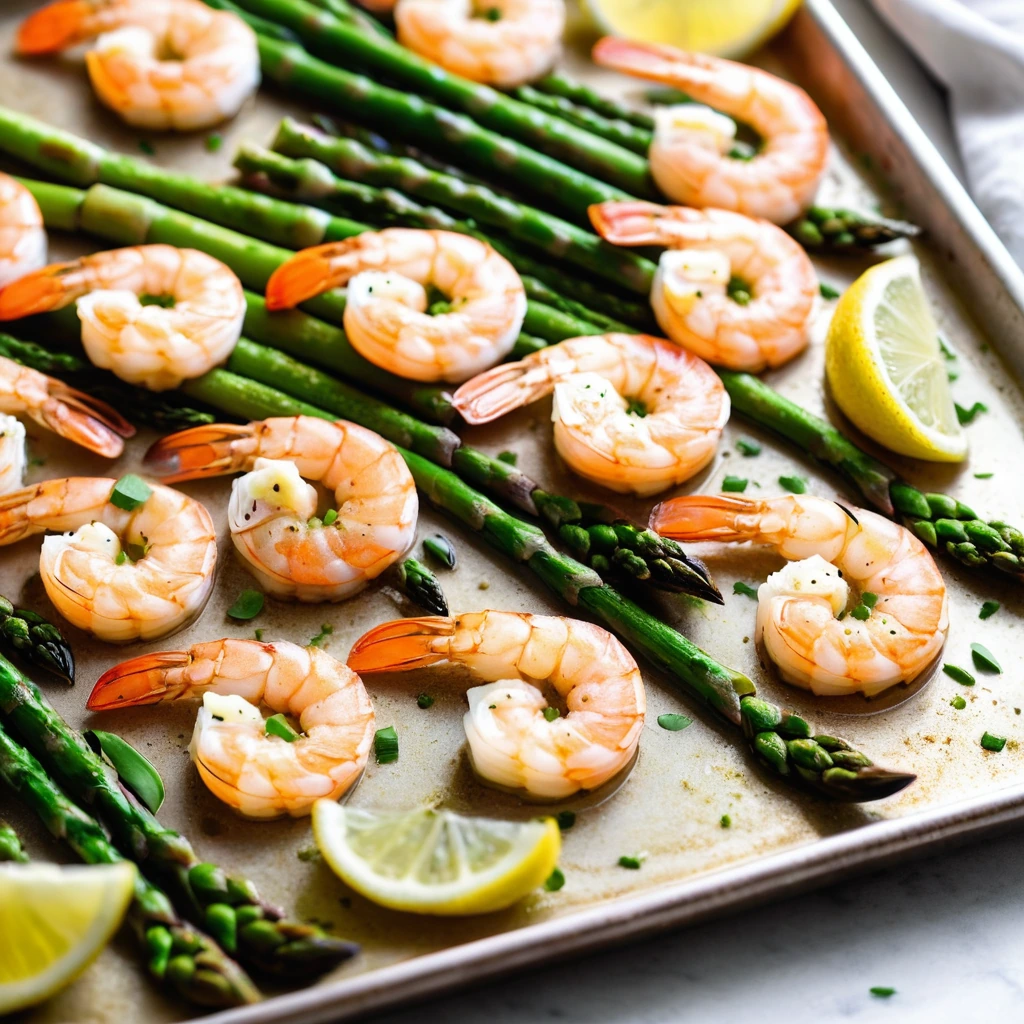
Lemon Garlic Butter Shrimp and Asparagus Sheet Pan
Bright and zesty, this sheet pan dinner is a burst of sunshine with tender shrimp and crisp asparagus in a luscious garlic butter sauce.