Knife Technique: Halving and Scoring Mango for Easy Cubes
Unlock the full potential of this tropical delight with our foolproof knife technique for halving and scoring mangoes. Whether you're prepping for a vibrant mango salsa or just craving a juicy snack, mastering this method ensures minimal mess and maximum mango. Dive into the world of mango cubing with confidence, as we guide you through selecting the perfect mango, identifying the flat pit, and executing precise cuts. This technique is designed to keep your fingers safe while yielding perfectly uniform cubes that are ready to elevate any dish. Say goodbye to awkward slices and hello to mango perfection with this step-by-step guide.
Notes
This technique works because it allows you to safely and efficiently remove the flesh from the awkward shape of the mango pit. A common mistake is cutting too close to the pit or pressing too hard, which can lead to injury or waste. Always use a sharp knife to maintain control and precision. When selecting mangoes, avoid those with any green patches for the ripest flavor. To store pre-cut mango, place it in an airtight container to maintain freshness and prevent browning. Remember, mango's high acidity can dull your knife over time, so sharpening it regularly is essential.
Steps
- 1 Select a ripe mango by gently pressing; it should yield slightly.
- 2 Wash the mango under cool running water and dry with a clean towel.
- 3 Stand the mango upright on a cutting board, with the stem end up.
- 4 Locate the flat pit by feeling the contours of the mango with your thumb.
- 5 Slice down one side of the pit with a sharp chef's knife, using a gentle sawing motion.
- 6 Rotate the mango 180 degrees and repeat the cut on the other side of the pit.
- 7 Score the mango flesh into cubes by making parallel cuts lengthwise and crosswise, without cutting through the skin.
- 8 Turn the scored halves inside out, like the skin of a glove.
- 9 Slice off the cubes from the skin with a sharp knife.
- 10 Slice the thin strips of mango remaining on the pit into bite-sized pieces.
- 11 Transfer the cubes to a bowl for serving or further preparation.
- 12 Clean your knife and cutting board immediately to prevent staining from the mango juice.
- 13 For best results, use the cubes immediately or store them in an airtight container in the refrigerator for up to two days.
Ingredients to explore
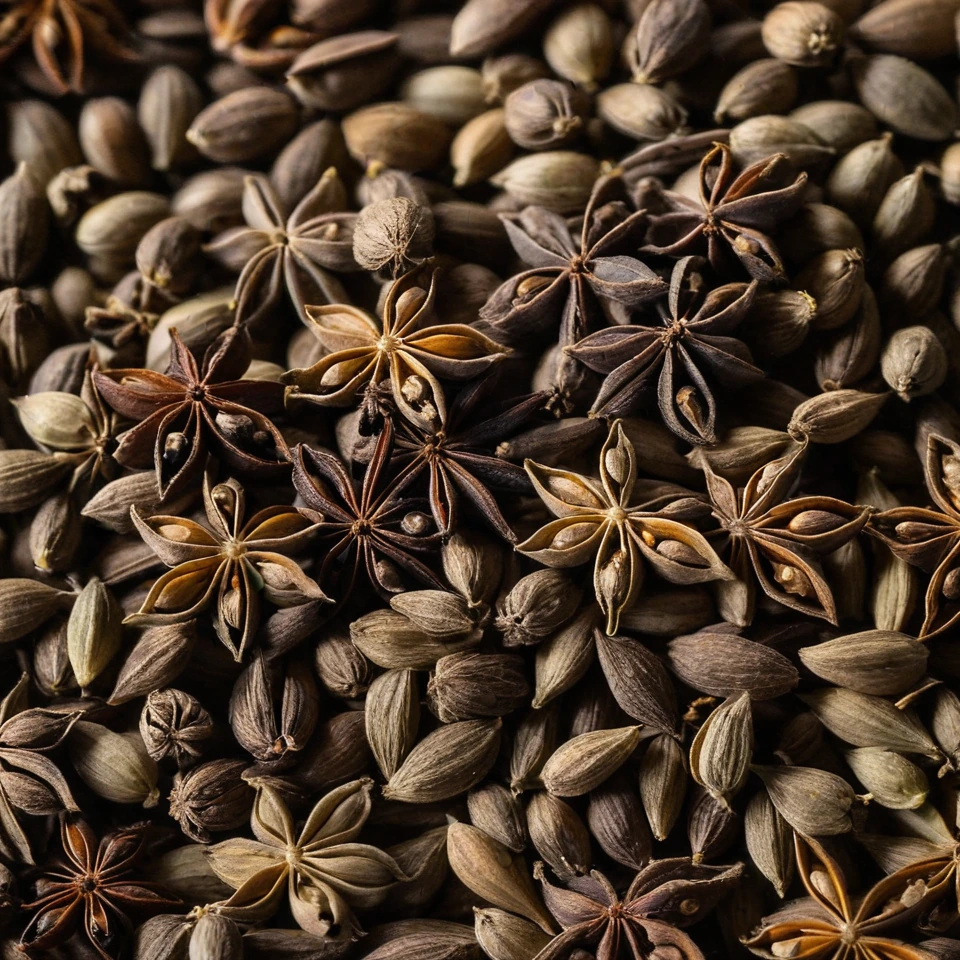
Anise Seeds
Anise seeds are small, oval seeds with a sweet, licorice-like flavor. They are commonly used in both sweet and savory dishes, offering a warm, aromatic taste.
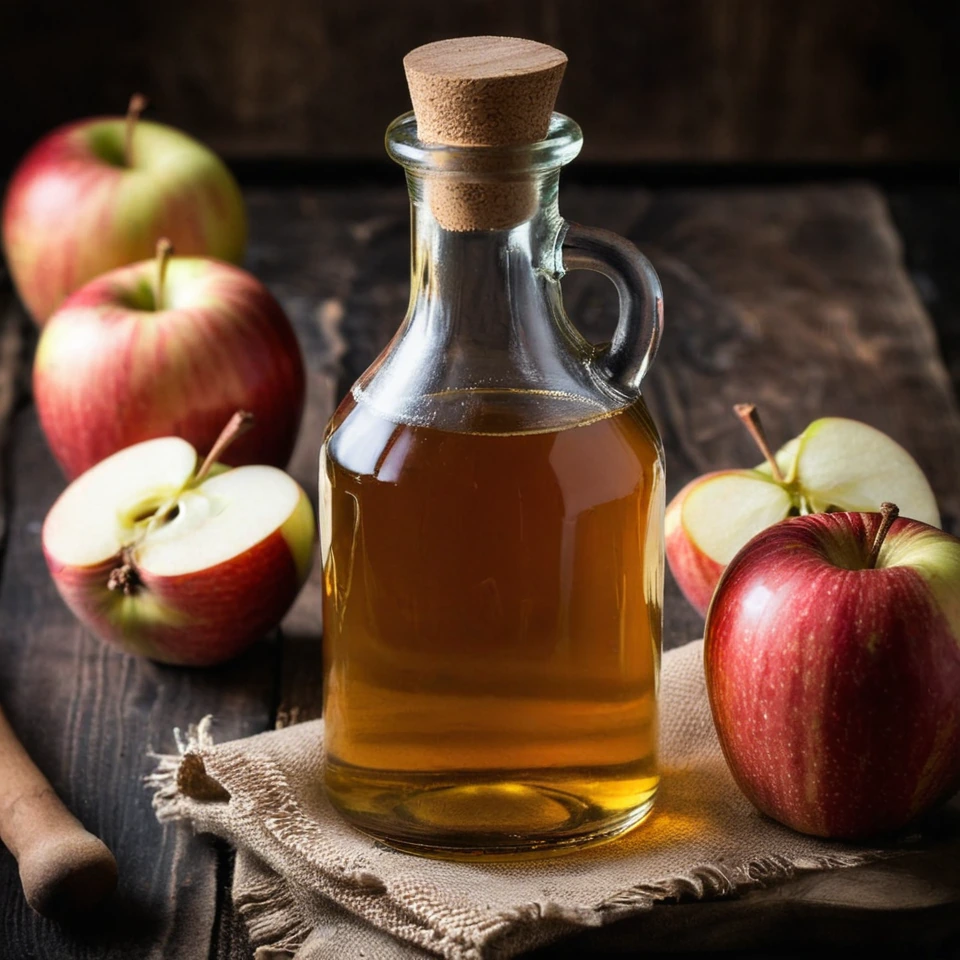
Apple Cider Vinegar
Apple cider vinegar is a type of vinegar made through the fermentation of apple cider, resulting in a tangy, slightly sweet liquid with a pale to medium amber color.