Knife Technique: Breaking Down a Whole Duck Safely
Breaking down a whole duck can seem daunting, but with the right technique, it's a rewarding skill that opens up a world of culinary possibilities. This comprehensive guide will walk you through the process step-by-step, ensuring you handle your duck with confidence and precision. Understanding the anatomy of a duck is crucial—its structure is similar to a chicken but with a thicker skin and more robust bones. A sharp chef's knife is essential for this task, along with a sturdy cutting board and kitchen shears. Proper technique is not just about skill but also safety; mishandling a knife can lead to injuries. We'll start by discussing how to properly position the duck for optimal control, then move on to separating key parts like the legs, thighs, breasts, and wings. Each section offers unique culinary opportunities, from braised legs to roasted breasts. This technique not only saves you money by buying whole but also allows you to tailor your cooking to specific cuts. Throughout, we emphasize maintaining a clean workspace and using safe practices to avoid accidents. By the end of this tutorial, you’ll have the know-how to break down a whole duck with ease, opening up a range of dishes from traditional confit to innovative modern recipes.
Notes
Understanding the science behind breaking down a duck can enhance your technique. The connective tissues and fats render during cooking, providing rich flavors. Always use a sharp knife to avoid slipping, which is a common cause of injury. A dull knife requires more force and is less precise. Keep your fingers tucked and use a claw grip to protect them. If you encounter resistance, reassess your angle rather than applying more force. For storage, keep raw duck pieces in airtight containers in the refrigerator for up to two days or freeze for longer storage. Thaw frozen pieces in the refrigerator to maintain food safety. By following these steps and tips, you can ensure your duck breakdown is both efficient and safe.
Steps
- 1 Place the duck breast-side down on a clean cutting board.
- 2 Using a sharp chef's knife, cut along one side of the backbone to remove it.
- 3 Turn the duck over and repeat to remove the other side of the backbone.
- 4 Flip the duck breast-side up and locate the legs.
- 5 Cut through the skin between the leg and body, then slice along the hip joint to detach the leg.
- 6 Separate the thigh from the drumstick by cutting through the joint.
- 7 With the legs removed, turn your attention to the breast. Slide your knife under the breast meat, following the contour of the ribcage to detach it.
- 8 Carefully remove any remaining connective tissue from the breast and thighs.
- 9 Use kitchen shears to trim excess fat and skin from all pieces.
- 10 Detach the wings by cutting through the joint closest to the body.
- 11 Check each piece for stray feathers or pin bones, removing any found.
- 12 Rinse the duck pieces under cold water and pat dry with paper towels.
- 13 Your duck is now ready to be cooked as desired!
Ingredients to explore
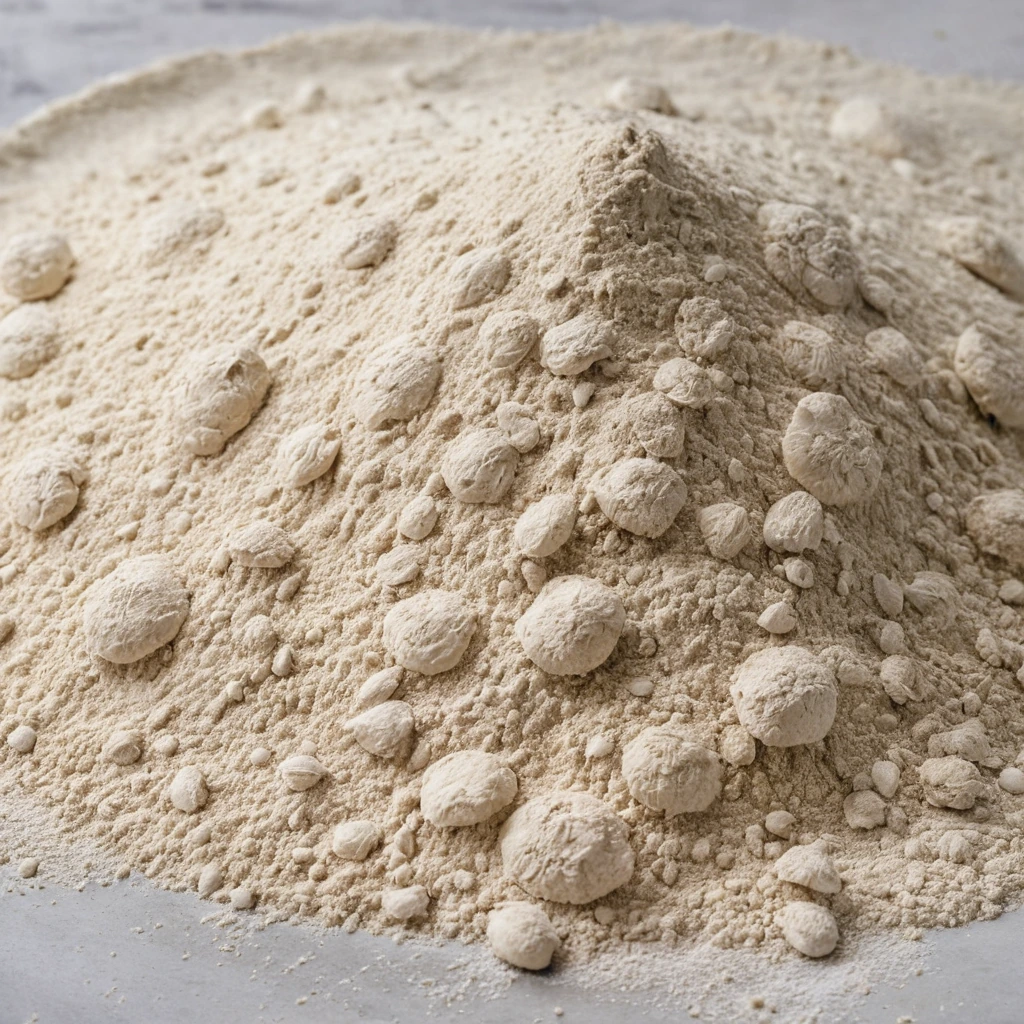
00 Pizza Flour
00 pizza flour is a finely milled Italian flour prized for its versatility in creating authentic Neapolitan-style pizza crusts. Originating from Italy, it is milled to a very fine consistency, which is reflected in its name, 'doppio zero,' indicating its fine grind. This flour has a balanced flavor profile, offering a mild, slightly sweet taste with a subtle nuttiness. Its texture is silky and smooth, contributing to a tender yet chewy crust when used in pizza making. In cooking, 00 pizza flour is known for its ability to hydrate quickly and develop a desirable gluten structure, resulting in a light and airy crust that can withstand high-heat cooking without becoming overly crispy or hard.
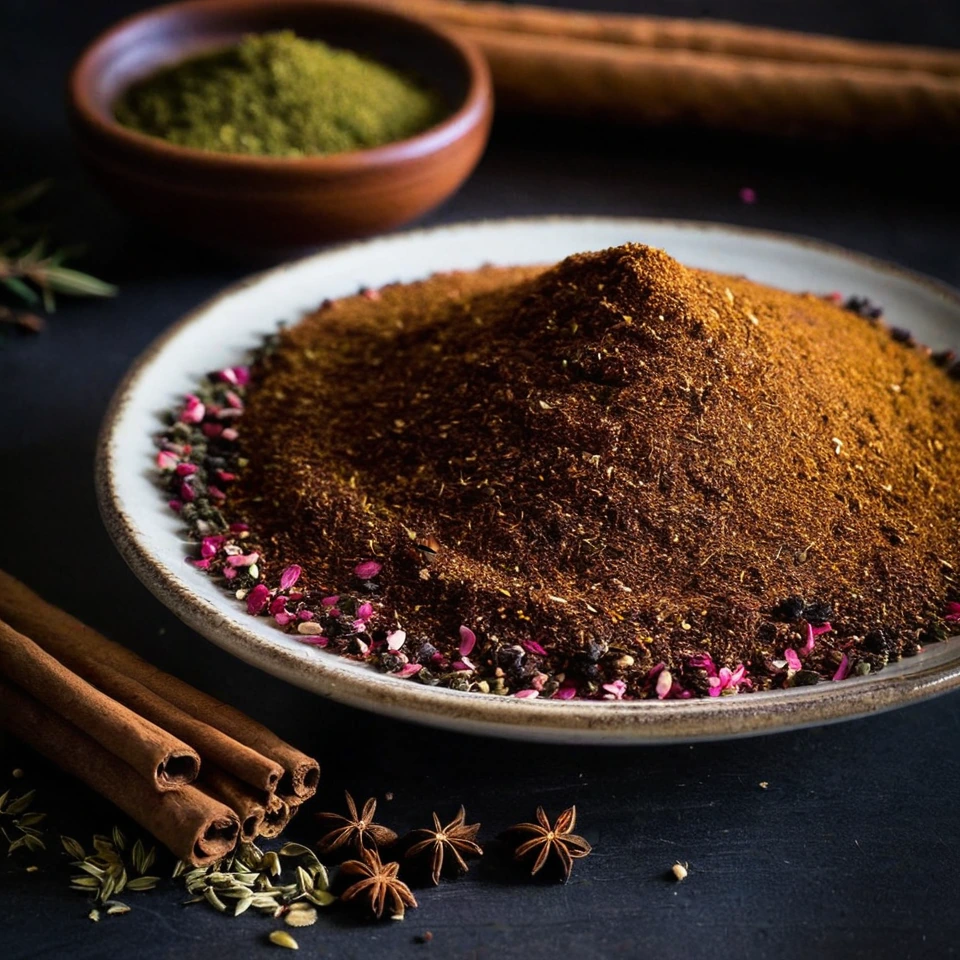
Advieh (Persian Spice Blend)
Advieh is a fragrant Persian spice blend that boasts a complex aroma of warm cinnamon, earthy cumin, and floral hints of rose and saffron. Its texture is finely ground, making it easy to incorporate into dishes. Originating from the rich culinary traditions of Iran, advieh adds depth and sophistication to both savory and sweet recipes. Its unique combination of spices reflects the historical spice trade routes that influenced Persian cuisine.
Recipes to try
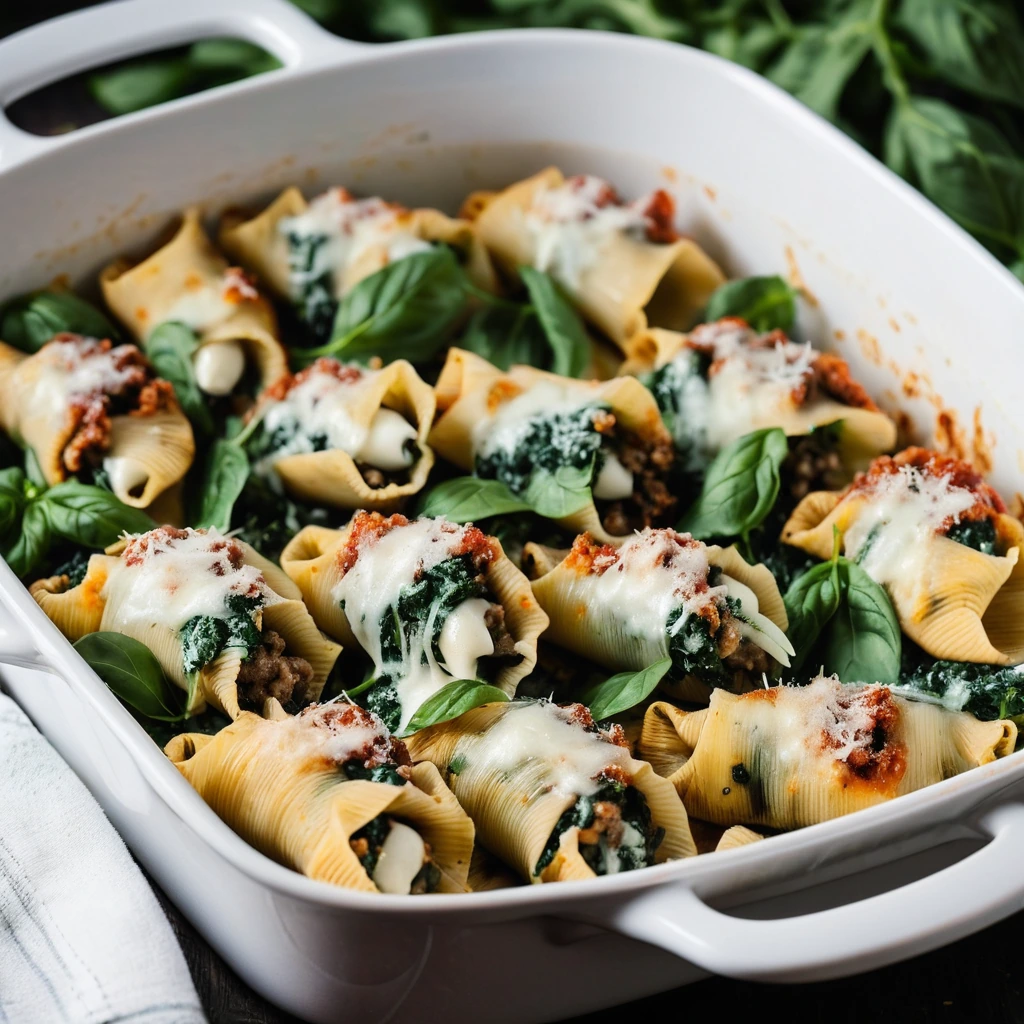
Sausage and Spinach Stuffed Shells Bake
Creamy ricotta and hearty sausage nestled in pasta shells, crowned with a blanket of melted mozzarella and fresh spinach.
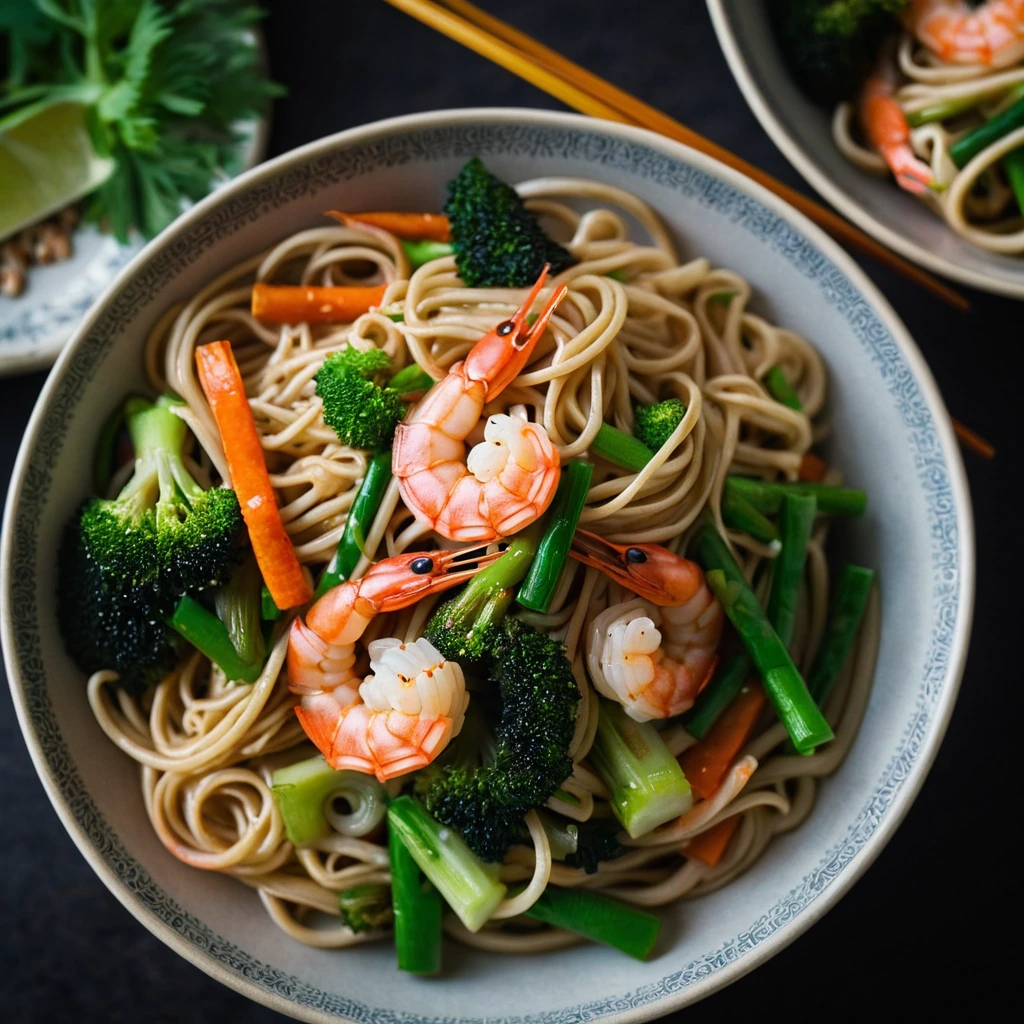
Shrimp and Veggie Lo Mein
Silky noodles twirled with succulent shrimp and a colorful medley of veggies in a savory sauce that'll have you slurping for more.