Knife Skills: Trimming and Portioning Salmon Fillets
Trimming and portioning salmon fillets is an art that transforms a simple piece of fish into a chef-worthy presentation. Whether you're preparing a family dinner or a gourmet meal, mastering this technique ensures that your salmon is perfectly portioned, free of unsightly bones or skin, and ready to cook evenly. Let's dive into the essentials of handling this delicate fish with confidence. First, it's crucial to understand the anatomy of a salmon fillet. Typically, you'll encounter the skin on one side, a line of fine pin bones, and perhaps a fatty belly flap that might need trimming. Each part requires a different approach, and with the right technique, you can maximize yield and minimize waste. Start by ensuring your salmon is fresh and properly chilled, which makes it firmer and easier to handle. A sharp chef's knife is indispensable here, as a dull blade can crush delicate flesh rather than slicing it cleanly. The trimming process involves removing the skin if desired, deboning the fillet, and cleaning up any fatty or discolored edges. Portioning is about dividing the fillet into even pieces, whether for grilling, pan-searing, or baking. This method not only enhances the visual appeal but also guarantees consistent cooking times. By following precise steps, you'll be able to produce uniform portions that cook evenly and look stunning on the plate. Patience and practice are key, as handling salmon requires a gentle touch to avoid tearing the flesh. Lastly, understanding the science behind why certain steps work helps to troubleshoot common issues like uneven portions or lost yield, making you a more efficient cook.
Notes
The firmness of chilled salmon makes it easier to handle and reduces the risk of tearing the flesh. A sharp knife is crucial to prevent crushing the delicate fish. Understanding the layout of pin bones helps in their efficient removal, ensuring a more pleasant eating experience. If portions are not uniform, cooking times will vary, leading to some pieces being overcooked while others remain undercooked. For storage, keep trimmed and portioned salmon covered in the refrigerator for up to two days, or flash freeze portions for longer storage. Always use clean tools and surfaces to prevent cross-contamination.
Steps
- 1 Place the salmon fillet skin-side down on a clean cutting board.
- 2 Using a sharp chef's knife, hold it at a slight angle and start trimming any discolored edges.
- 3 Run your fingers along the fillet to detect any pin bones and use tweezers or needle-nose pliers to remove them.
- 4 If removing the skin, insert the knife's tip between the skin and flesh at a 30-degree angle and slice smoothly towards you.
- 5 Trim the fatty belly flap by cutting it away from the main fillet with a single stroke.
- 6 Decide on portion sizes based on your recipe needs and mark the fillet with a ruler or your fingers for guidance.
- 7 Slice across the fillet with a smooth motion, maintaining even thickness for each portion.
- 8 Use a spatula to transfer the portions to a plate or baking sheet, ensuring they do not touch to prevent sticking.
Ingredients to explore
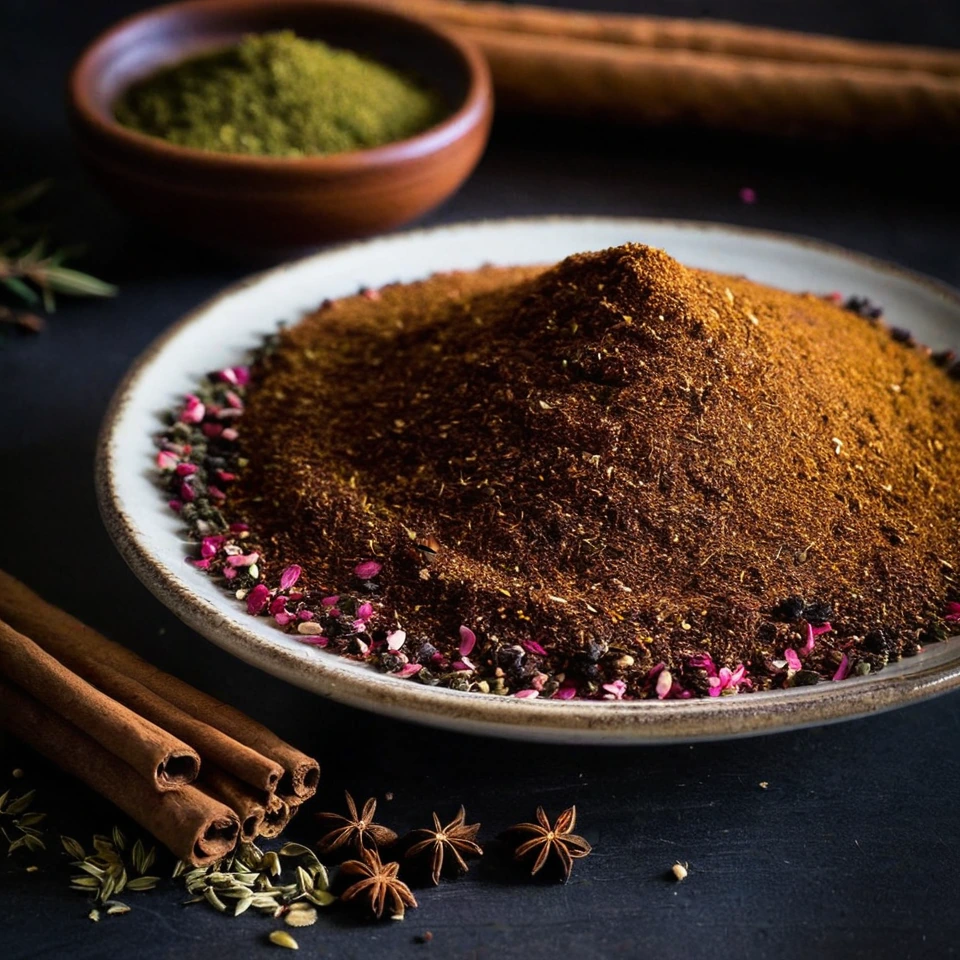
Advieh (Persian Spice Blend)
Advieh is a fragrant Persian spice blend that boasts a complex aroma of warm cinnamon, earthy cumin, and floral hints of rose and saffron. Its texture is finely ground, making it easy to incorporate into dishes. Originating from the rich culinary traditions of Iran, advieh adds depth and sophistication to both savory and sweet recipes. Its unique combination of spices reflects the historical spice trade routes that influenced Persian cuisine.
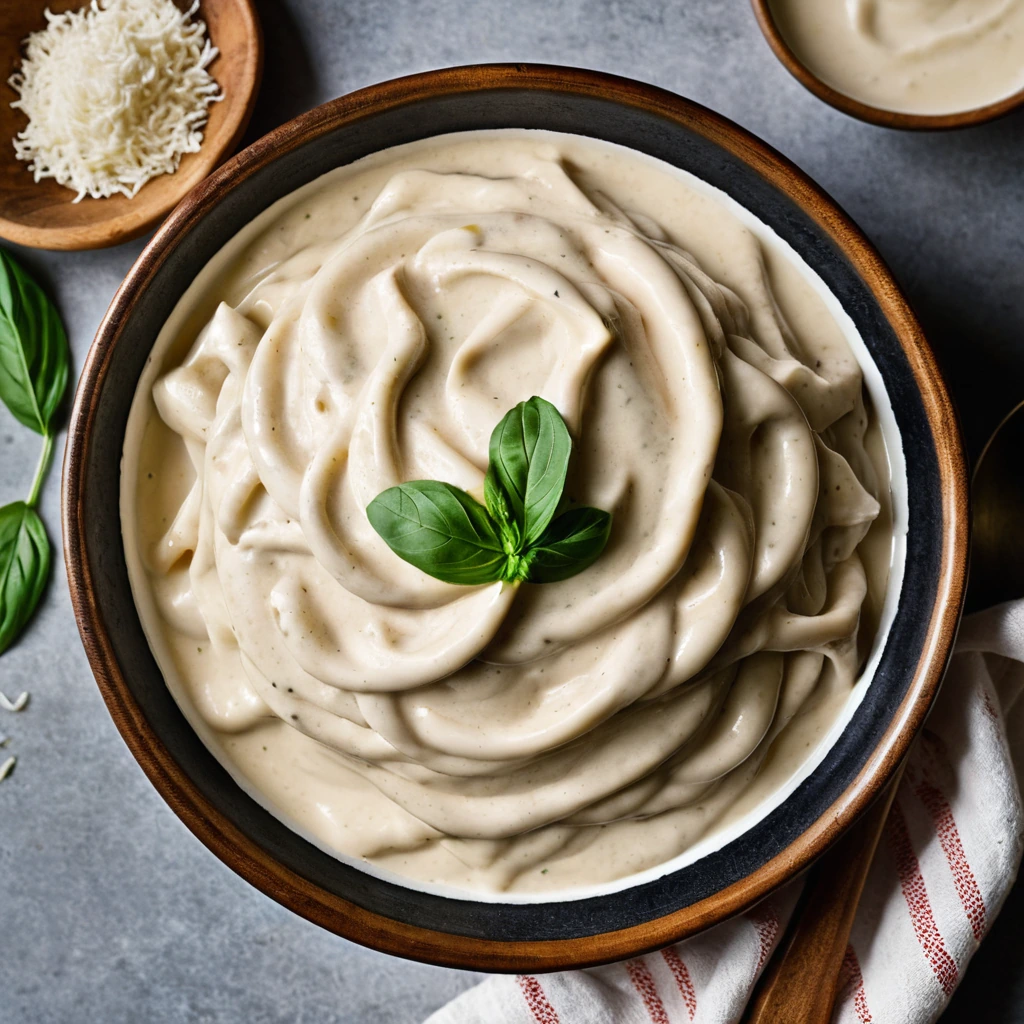
Alfredo Sauce
Creamy, rich, and utterly indulgent, Alfredo sauce is a dreamy blend of butter, heavy cream, and Parmesan cheese. Its velvety texture and savory depth make it a beloved staple in Italian-American cuisine.
Recipes to try

No-Bake Peanut Butter Oreo Pie
Creamy peanut butter dreams nestled in a crunchy Oreo crust, all without turning on the oven.
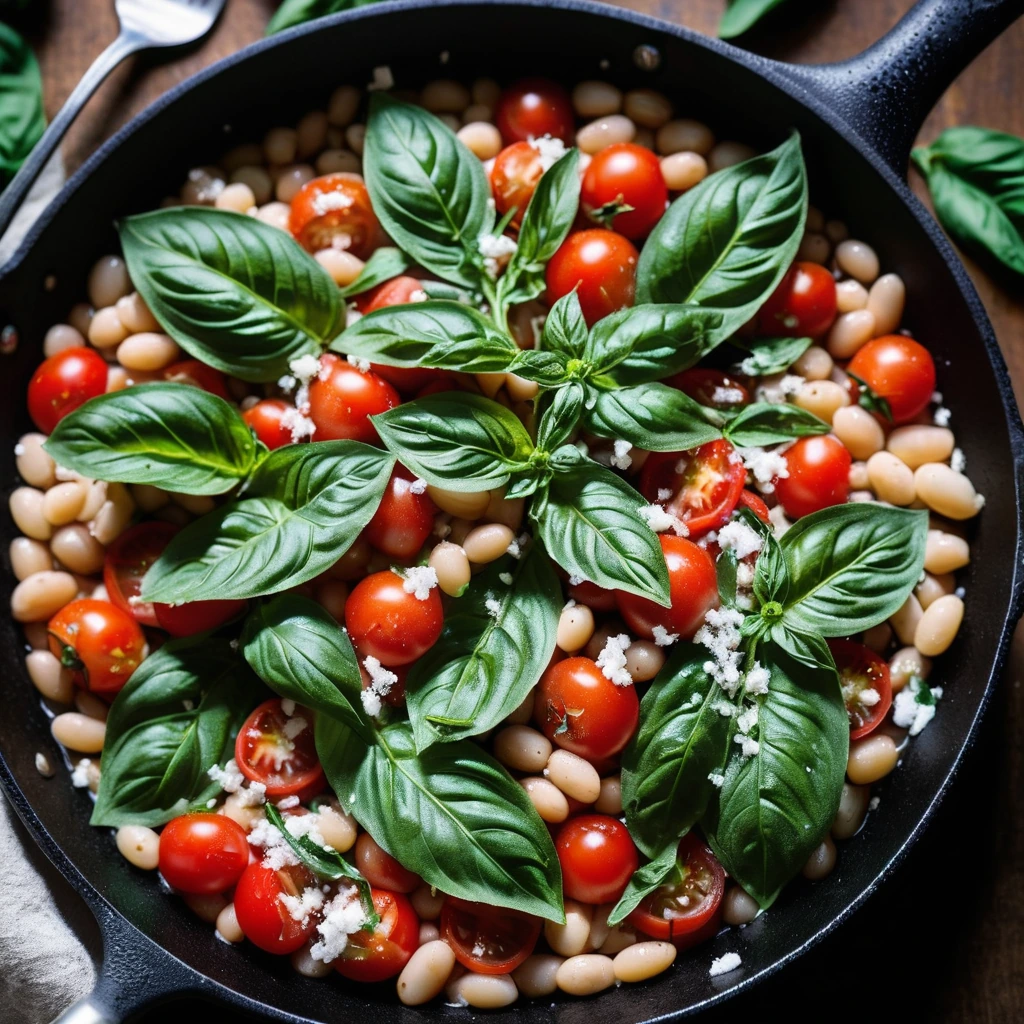
Tomato Basil White Bean Skillet with Parmesan
A comforting skillet packed with creamy white beans, ripe tomatoes, and fragrant basil, all topped with a generous sprinkle of Parmesan.