Knife Skills: Slicing Herbs Without Bruising
Mastering the art of slicing herbs without bruising them is a crucial skill for any home cook looking to elevate their dishes. Fresh herbs are the vibrant garnish that can transform a meal from mundane to magnificent. However, mishandling them with a knife can lead to bruised leaves that lose their color, flavor, and delicate aroma. This technique will guide you through the process of slicing herbs with precision, ensuring they remain vibrant and full of flavor. We'll delve into the anatomy of herbs, why bruising occurs, and how to avoid it. Whether you're working with the tender leaves of basil or the sturdy stems of rosemary, these tips will help you handle herbs like a seasoned chef. By understanding the correct techniques and tools, you'll be able to slice herbs with confidence, enhancing your culinary creations with their full aromatic potential.
Notes
Bruising occurs when the cell walls of herbs are broken too forcefully, releasing enzymes that cause discoloration and loss of flavor. Using a sharp knife is critical because it cleanly slices through the herb leaves rather than tearing them. To troubleshoot, always check your knife's edge before you begin and consider honing it regularly. Avoid slicing herbs too far in advance, as they will wilt and lose their vibrancy. For storage, wrap herbs in a damp paper towel and place them in a plastic bag in the refrigerator to extend their freshness. Safety is key; always use a stable cutting board and keep your fingers clear of the blade's path.
Steps
- 1 Select fresh, undamaged herbs for optimal results.
- 2 Rinse herbs gently under cold water and pat them dry with a clean towel.
- 3 For leafy herbs like basil or cilantro, stack leaves together.
- 4 Roll the stacked leaves into a tight cylinder, known as a chiffonade.
- 5 Using a sharp chef's knife, slice the rolled leaves thinly across the width.
- 6 For herbs with stems like rosemary or thyme, strip leaves from the stem first.
- 7 Gather the leaves and slice quickly with a rocking motion of the knife.
- 8 Aim for uniform slices to ensure even cooking and presentation.
- 9 Use a gentle touch to avoid crushing the herbs as you slice.
- 10 Keep your knife sharp to minimize the force required for slicing.
- 11 Slice herbs just before use to preserve their flavor and color.
- 12 Store unused herbs properly to maintain freshness for future use.
Ingredients to explore
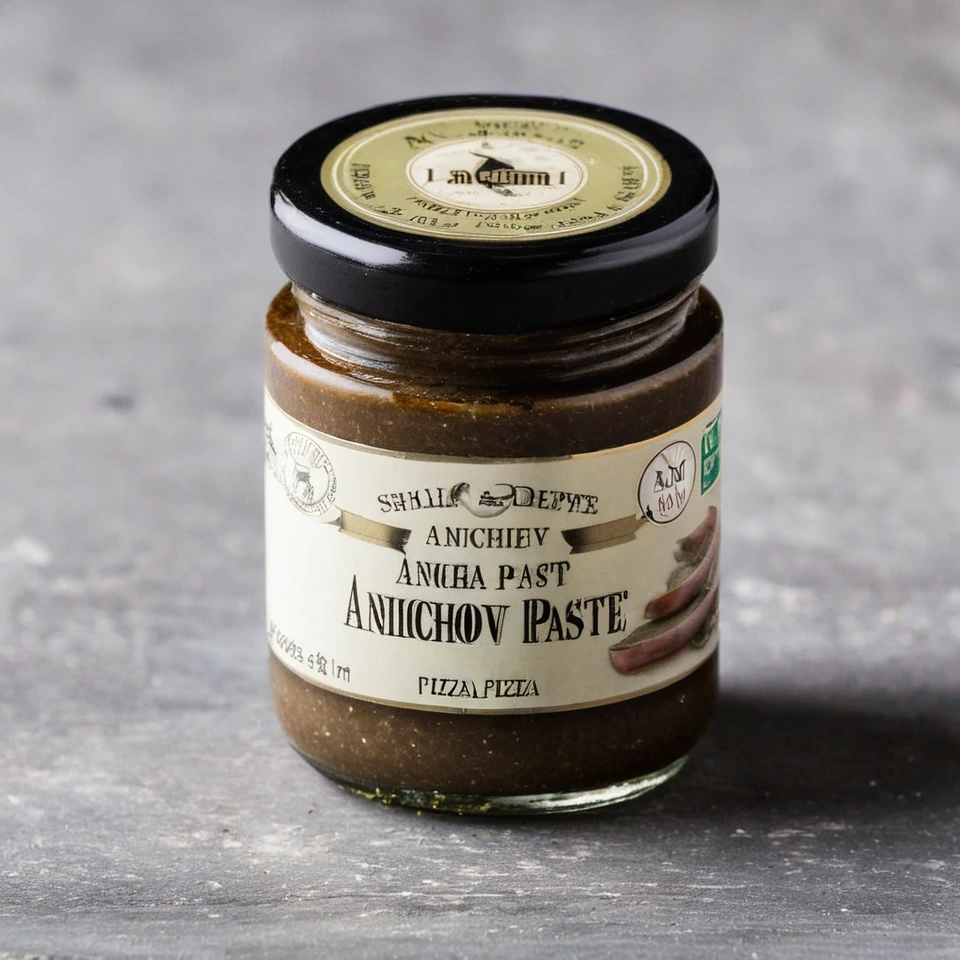
Anchovy Paste
Anchovy paste is a rich, salty spread made from finely ground anchovies, salt, and sometimes olive oil. It offers a deep umami flavor that enhances a variety of dishes.
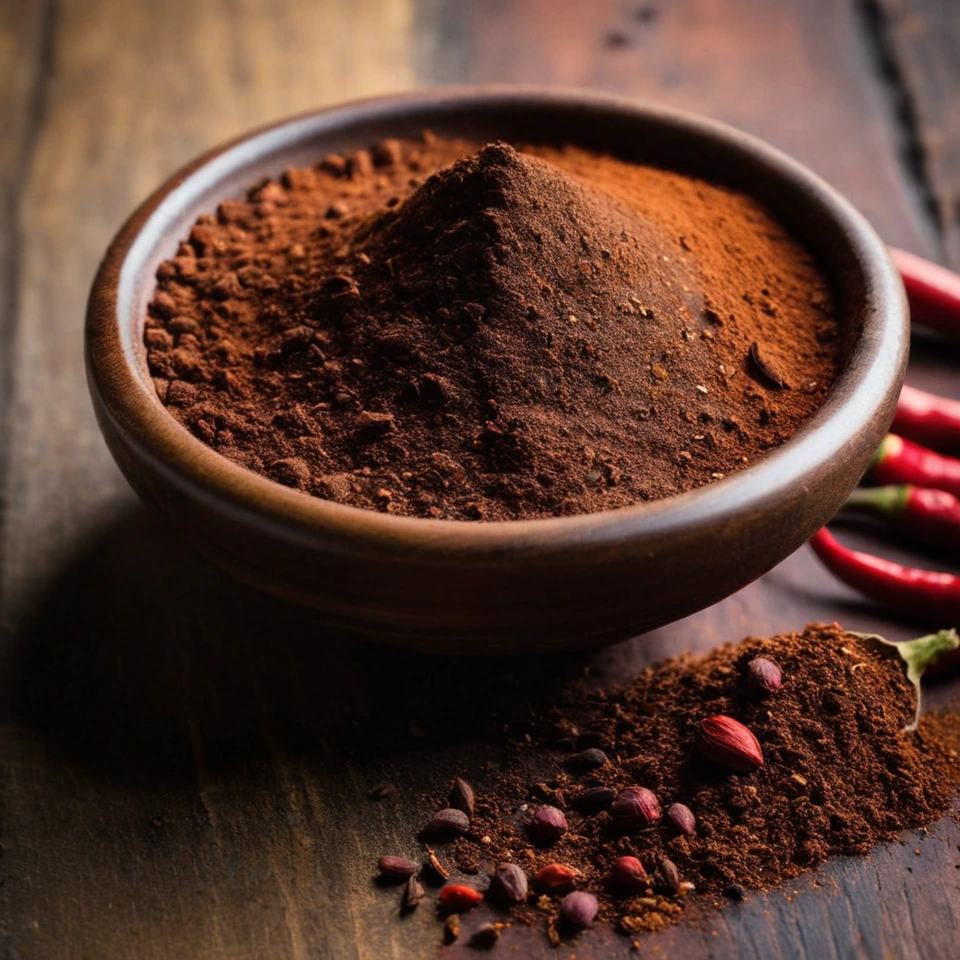
Ancho Chili Powder
Ancho chili powder offers a deep, smoky sweetness with hints of dried fruit and cocoa, reminiscent of its origin as dried poblano peppers from Mexico. Its aroma is warm and inviting, with a mild heat that lingers gently. The texture is fine and velvety, making it easy to incorporate into a variety of dishes. This powder is prized for its ability to add complexity without overwhelming spice, ideal for enriching both traditional Mexican moles and contemporary global cuisines.
Recipes to try
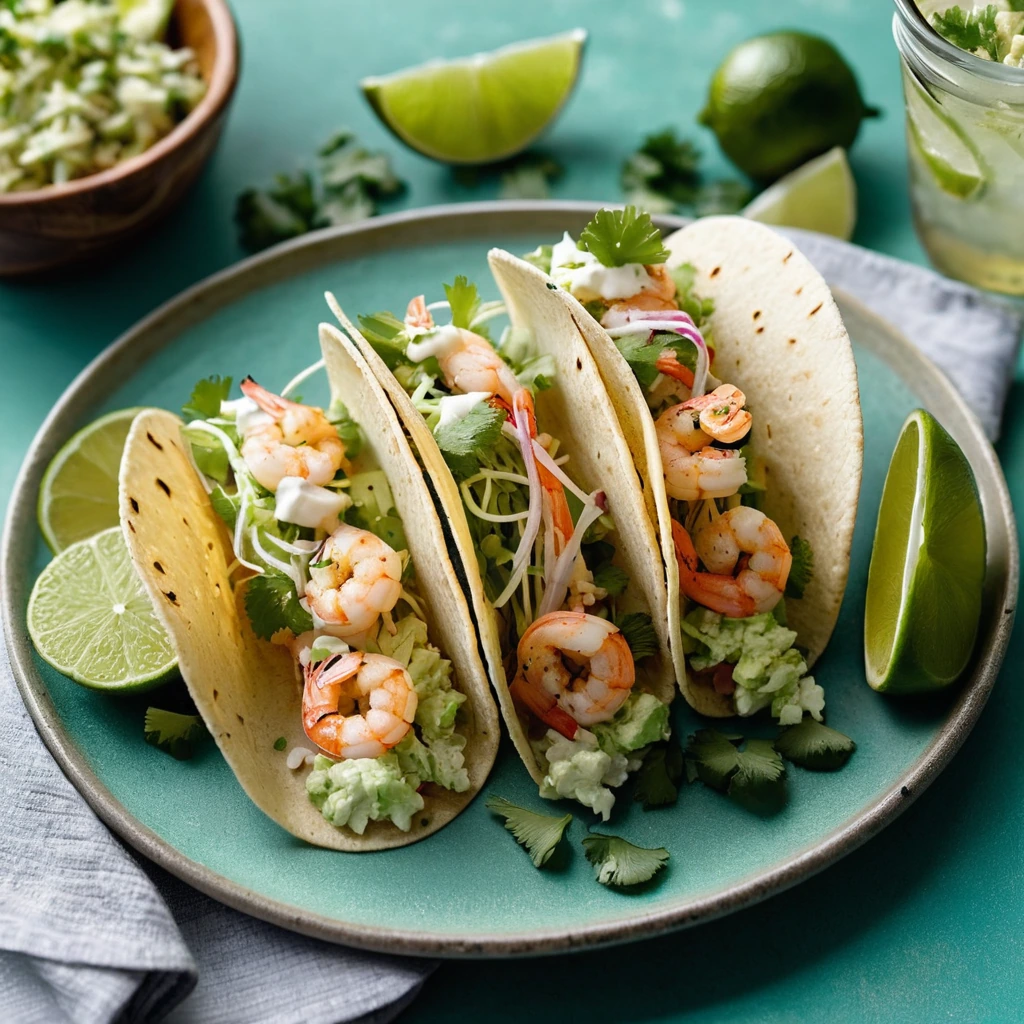
Shrimp Tacos with Cilantro Lime Slaw
Juicy grilled shrimp nestled in warm tortillas, topped with a vibrant cilantro lime slaw that's as refreshing as a sea breeze.
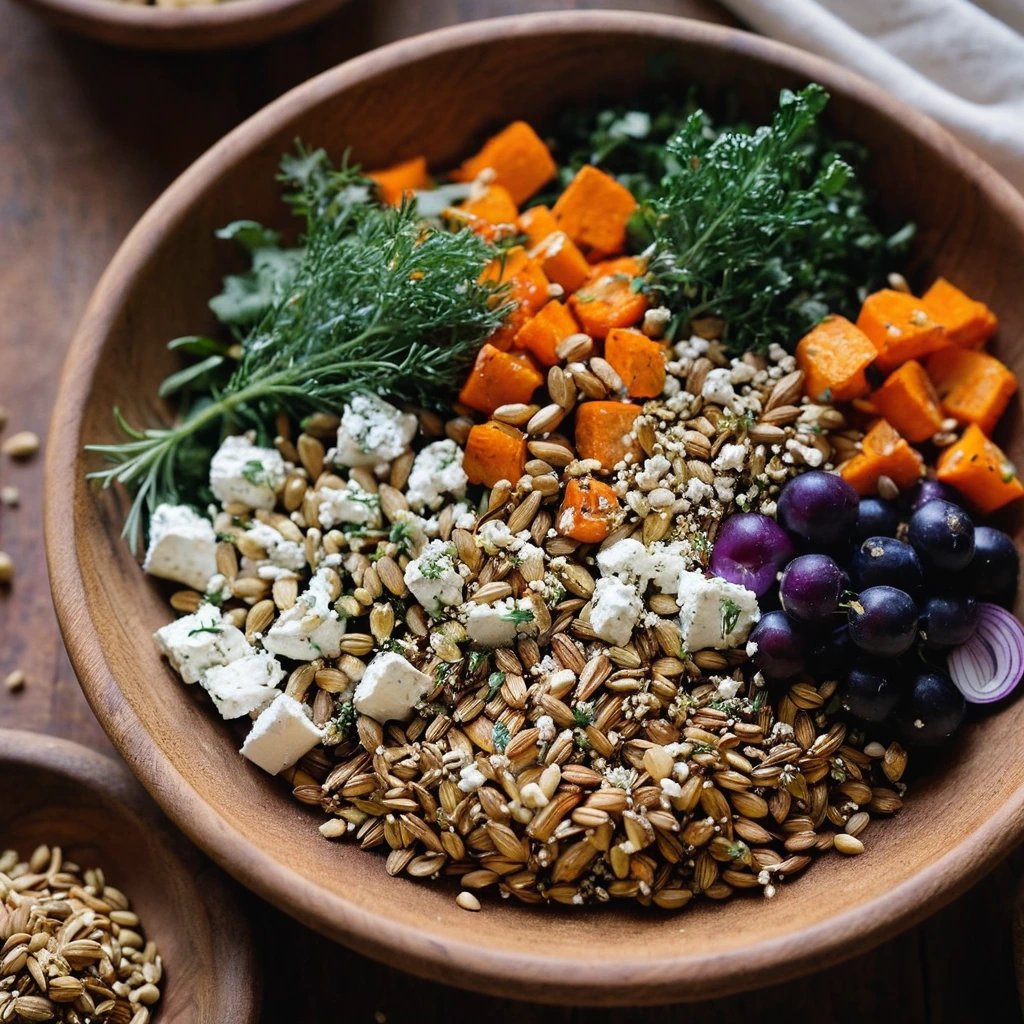
Roasted Vegetable and Goat Cheese Grain Bowls
Warm, roasted veggies mingle with creamy goat cheese over a bed of nutty grains for a comforting yet vibrant meal.