Knife Skills: Mandoline Safety and Precision Slicing
Mastering the mandoline is a game-changer for any home cook looking to elevate their slicing precision. This tool offers consistent, paper-thin slices that are nearly impossible to achieve by hand. However, its razor-sharp blades demand respect and proper handling to ensure safety. We'll explore how to use a mandoline effectively, focusing on techniques that minimize risk while maximizing efficiency. Understanding the parts of your mandoline, selecting the right blade for your task, and using safety features are critical first steps. Additionally, learning how to properly grip your food and maintain control will prevent accidents and ensure even slices. This guide will walk you through setting up your workstation, selecting produce, and executing precise cuts with confidence. Whether you're preparing garnishes, slicing potatoes for gratins, or julienning vegetables for stir-fries, mastering the mandoline is an essential skill for any ambitious home cook.
Notes
Understanding the science behind mandoline slicing lies in its precision engineering. The consistent thickness ensures even cooking and professional presentation. However, common mistakes include rushing the process, which can lead to slips and injuries, or not securing the blade properly, resulting in uneven cuts. Always prioritize safety by using protective gear and keeping fingers away from the blade's path. Mandolines are not ideal for very small or awkwardly shaped produce due to handling difficulties. For storage, keep the mandoline dry to prevent rust and maintain blade sharpness. Consider making your slices ahead of time, storing them in water to prevent browning for certain vegetables like potatoes or apples, and refrigerating until use.
Steps
- 1 Read your mandoline's manual thoroughly to understand its specific features and safety mechanisms.
- 2 Select a stable, non-slip surface to work on, and consider using a damp kitchen towel underneath the mandoline for extra stability.
- 3 Choose the correct blade for your slicing task, whether it's straight, wavy, or julienne.
- 4 Attach the selected blade securely, ensuring it is tight and properly aligned.
- 5 Put on a cut-resistant glove on your non-dominant hand or use a mandoline food holder to protect your fingers.
- 6 Trim any uneven ends from your produce to create a flat base for consistent slicing.
- 7 Hold the food firmly against the mandoline with your dominant hand, using the holder or glove for the slicing hand.
- 8 Slice the produce away from your body using smooth, even strokes, applying gentle but consistent pressure.
- 9 After slicing, turn off or disengage the blade if your mandoline has that feature.
- 10 Use a brush or soft cloth to clean the blade immediately after use, avoiding direct contact with fingers.
- 11 Store the mandoline safely, ensuring the blade is covered or removed.
- 12 Dispose of any off-cuts or small pieces in a compost bin or trash securely.
- 13 Clean your workstation and sanitize any surfaces that came into contact with raw produce.
Ingredients to explore

Active Dry Yeast
A fine, granulated leavening agent that brings baked goods to life with its gentle fermentation magic.
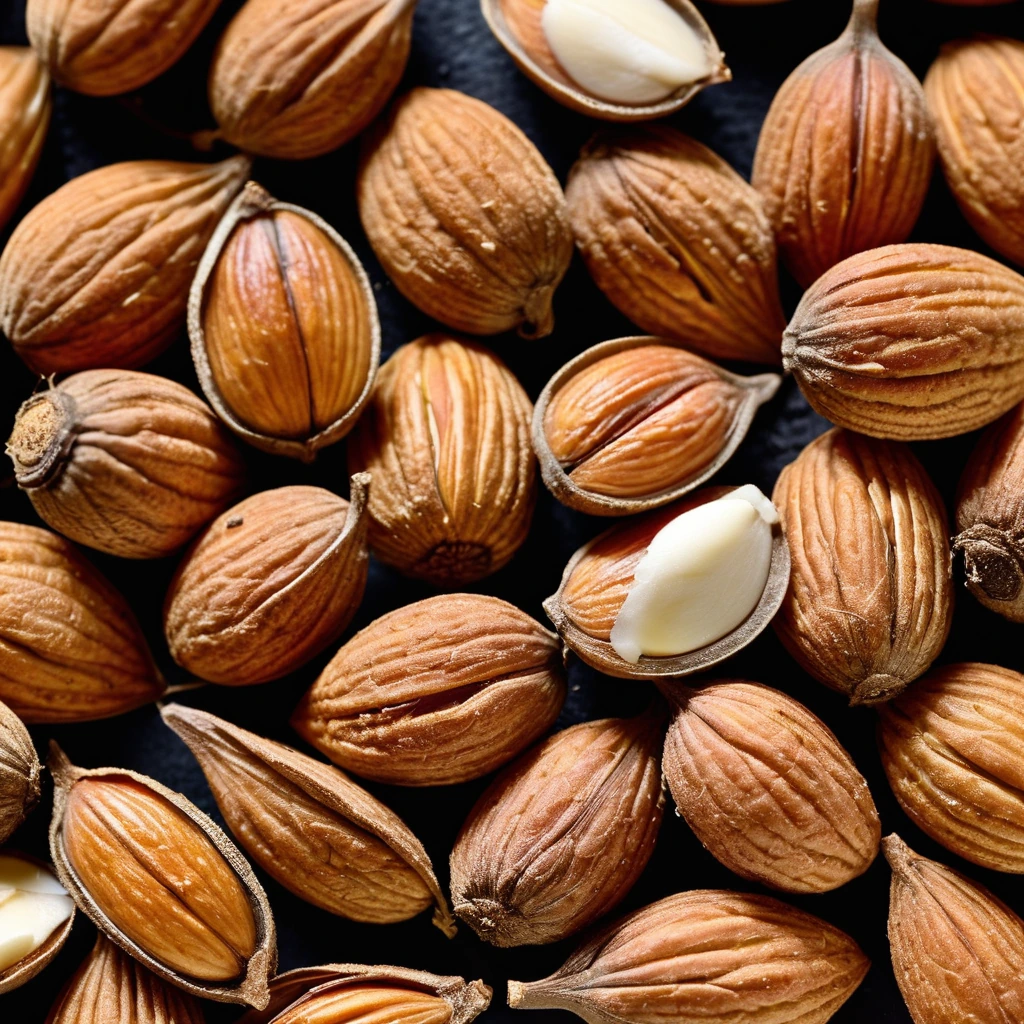
Almond Extract
A fragrant, golden elixir that captures the essence of freshly ground almonds, almond extract is a pantry staple that brings a rich, nutty aroma to your culinary creations.
Recipes to try
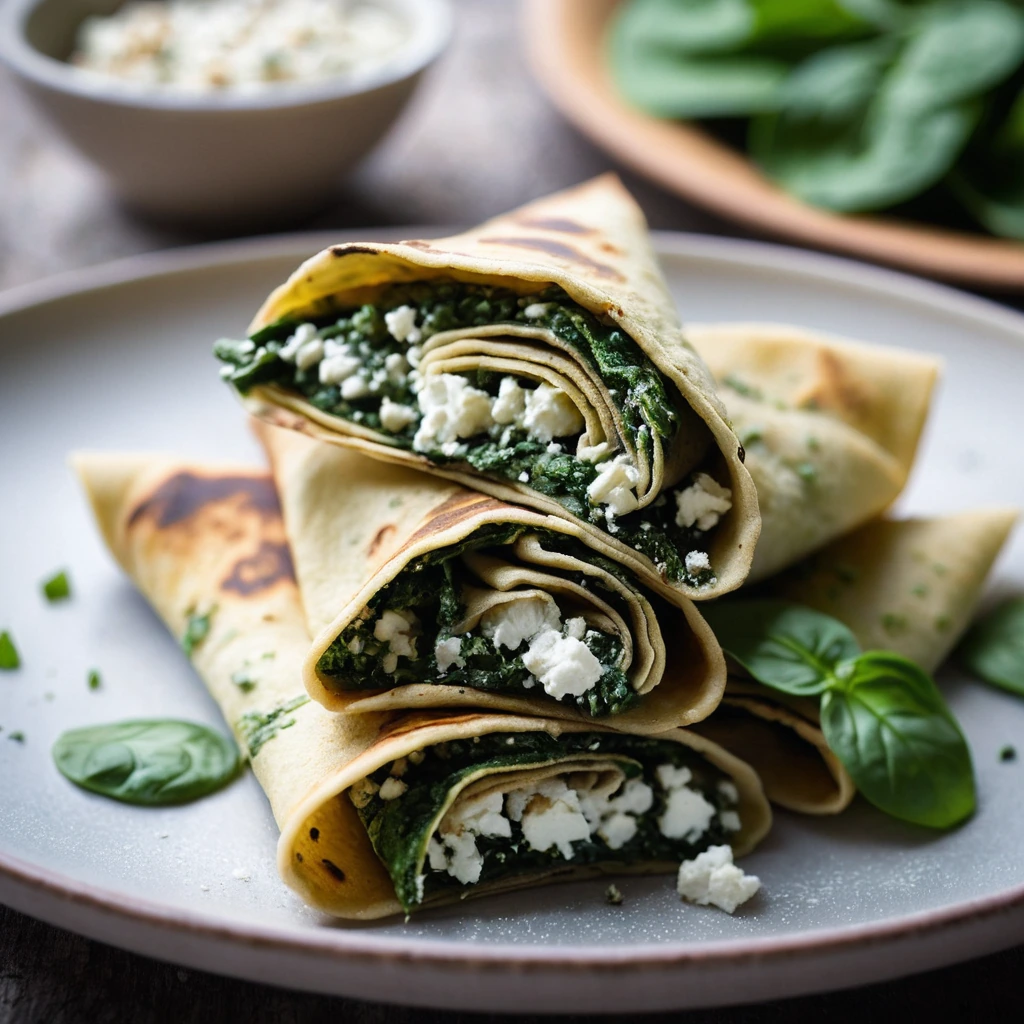
Spinach, Mushroom, and Feta Stuffed Crepes
Golden crepes envelop a savory blend of earthy mushrooms, tender spinach, and tangy feta for a satisfying vegetarian treat.
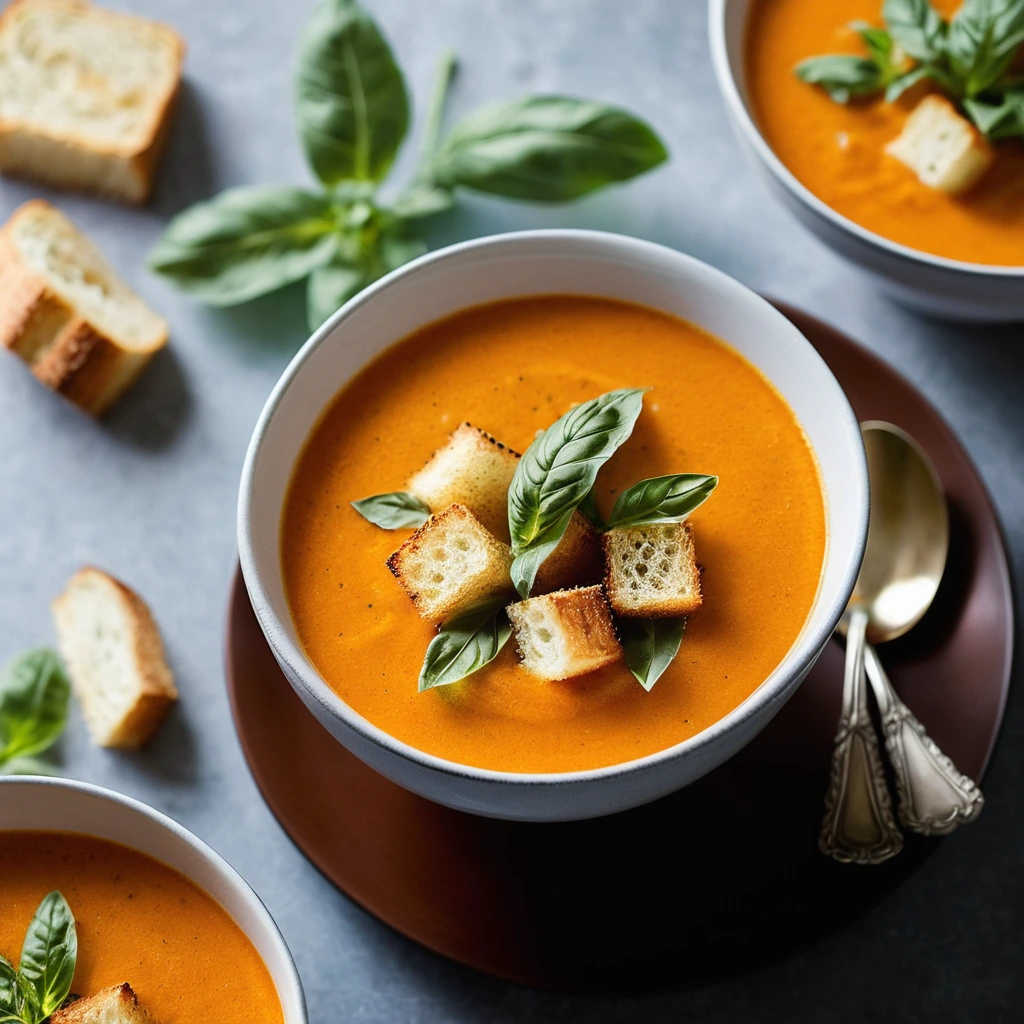
Roasted Garlic and Tomato Basil Soup with Croutons
Creamy, fragrant, and bursting with roasted garlic sweetness, this soup is comfort in a bowl, crowned with golden, crunchy croutons.