Knife Skills: Making Garlic Paste with Salt
Creating a smooth garlic paste using salt is a fundamental technique that can elevate your cooking with minimal effort. This method leverages the abrasive nature of salt to break down garlic cloves into a silky, aromatic paste. Perfect for sauces, marinades, or seasoning meats, this technique ensures even distribution of garlic flavor throughout your dish. Unlike using a food processor, this method allows you to control the texture and intensity of the garlic paste. It’s a simple yet effective skill that every home cook should master. The key lies in selecting the right type of salt and employing proper knife techniques to achieve the desired consistency. Whether you're a novice or a seasoned cook, mastering this technique will add depth to your culinary repertoire. Plus, it's a fantastic way to utilize garlic in its most potent form, making every bite of your dish pop with flavor. Understanding the science behind this method will not only improve your cooking but also build confidence in your kitchen. Let’s dive into how to transform humble garlic and salt into a flavorful paste that will become a staple in your cooking.
Notes
The science behind this technique is fascinating: salt acts as an abrasive, breaking down the cell walls of the garlic and releasing its oils and flavors. Coarse kosher salt works best due to its texture and ability to create a paste without dissolving too quickly. A common mistake is using table salt, which can dissolve too rapidly and create a watery paste. To avoid this, always opt for coarse kosher or sea salt. Safety is key; ensure your cutting board is stable to prevent slipping while you work. For storage, the paste can be kept in an airtight container in the refrigerator for up to 3 days. Make ahead by preparing a batch and storing it for future recipes, ensuring a quick garlic flavor boost whenever needed.
Steps
- 1 Select 2-3 garlic cloves and peel them.
- 2 Place the cloves on a clean cutting board.
- 3 Sprinkle 1 teaspoon of coarse kosher salt over the cloves.
- 4 Using the side of your chef's knife, gently press down and begin rocking the knife back and forth over the garlic and salt.
- 5 Continue this motion, applying even pressure, until the garlic breaks down into a paste.
- 6 Scrape the paste from the board and repeat the process if needed for additional cloves.
- 7 Keep rocking until the mixture becomes smooth and uniform.
- 8 Taste the paste and add more salt if necessary to achieve desired flavor balance.
Ingredients to explore
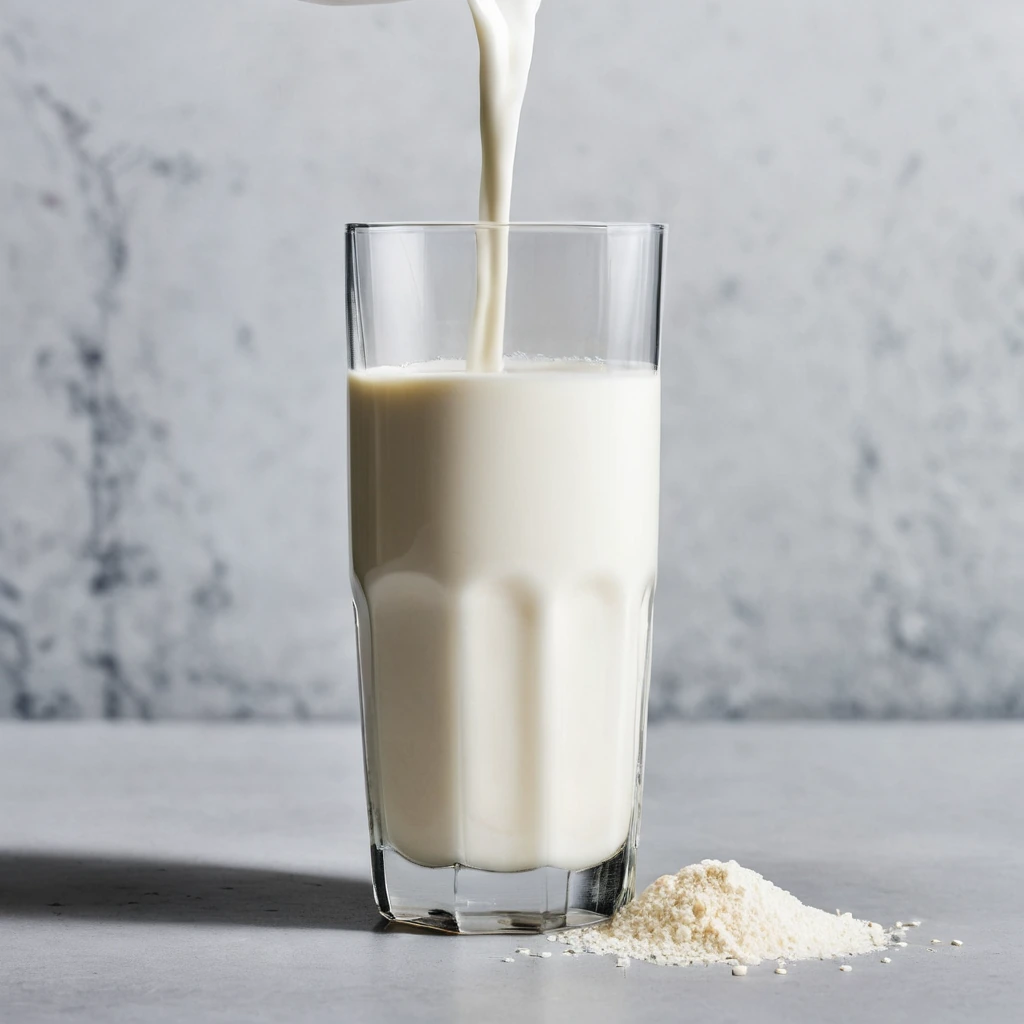
2% Milk
Creamy and just a touch lighter than whole milk, 2% milk offers a perfect balance of richness and reduced fat. Its smooth texture and subtle sweetness make it a delightful choice for sipping or cooking.
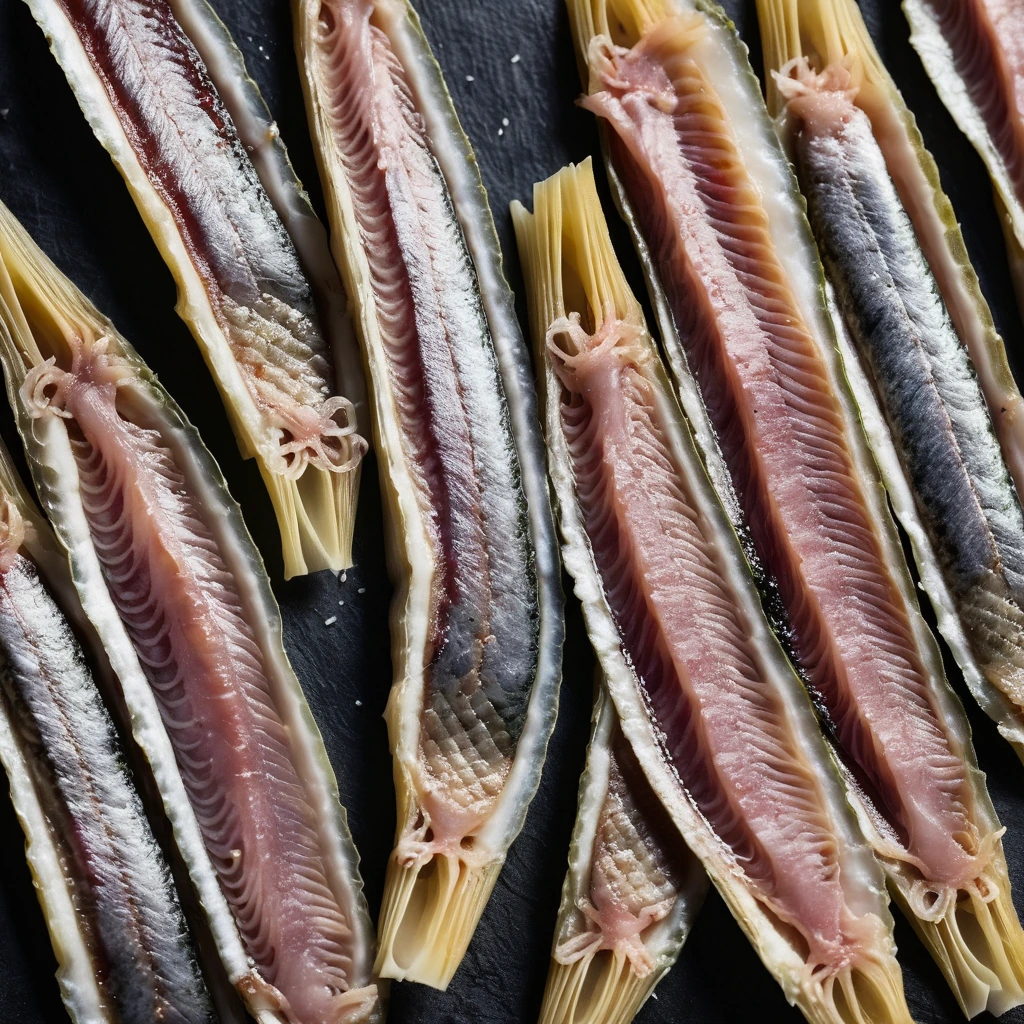
Anchovy Fillets
Silvery and succulent, anchovy fillets are a briny treasure from the sea. Their rich, umami flavor adds depth to dishes, making them a beloved ingredient in kitchens worldwide.
Recipes to try
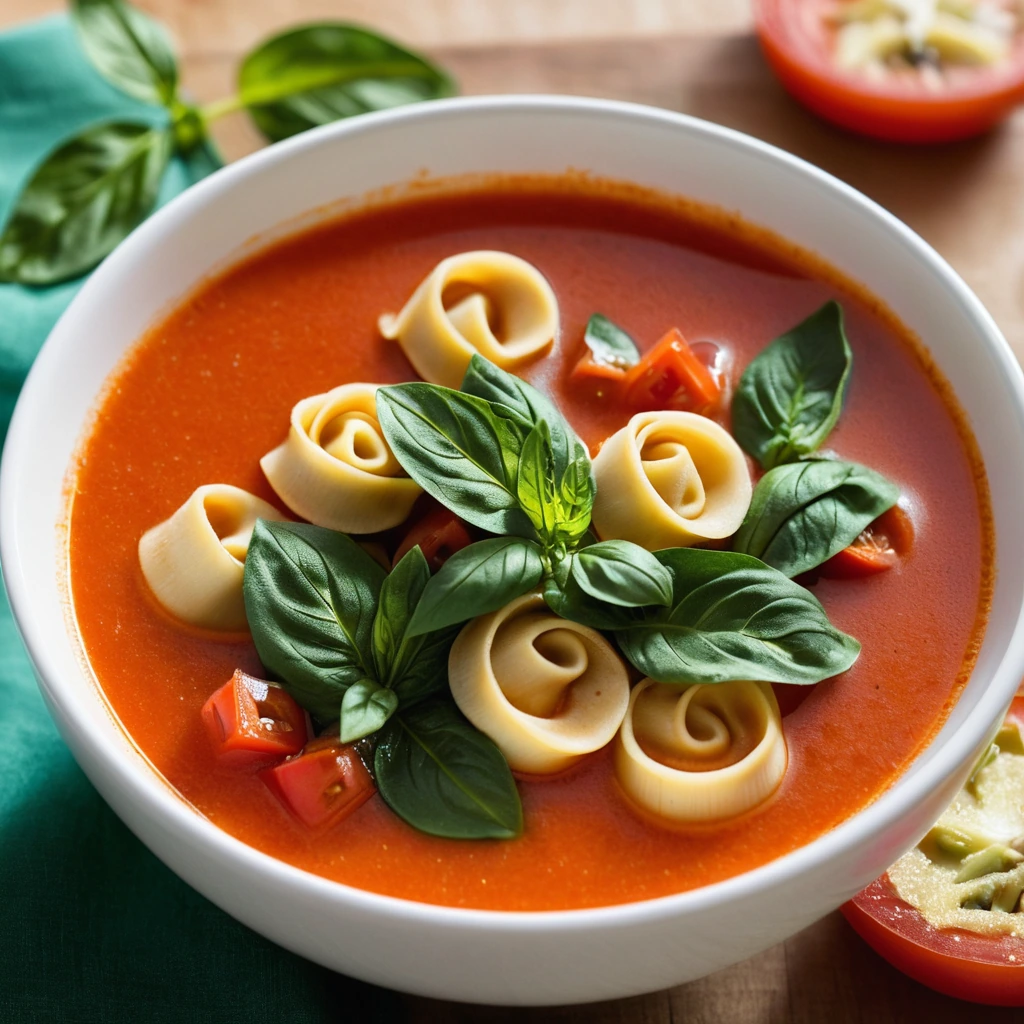
Tomato Tortellini Soup with Spinach
Warm up with this hearty, vibrant soup that's brimming with juicy tomatoes, tender tortellini, and a lush swirl of spinach.
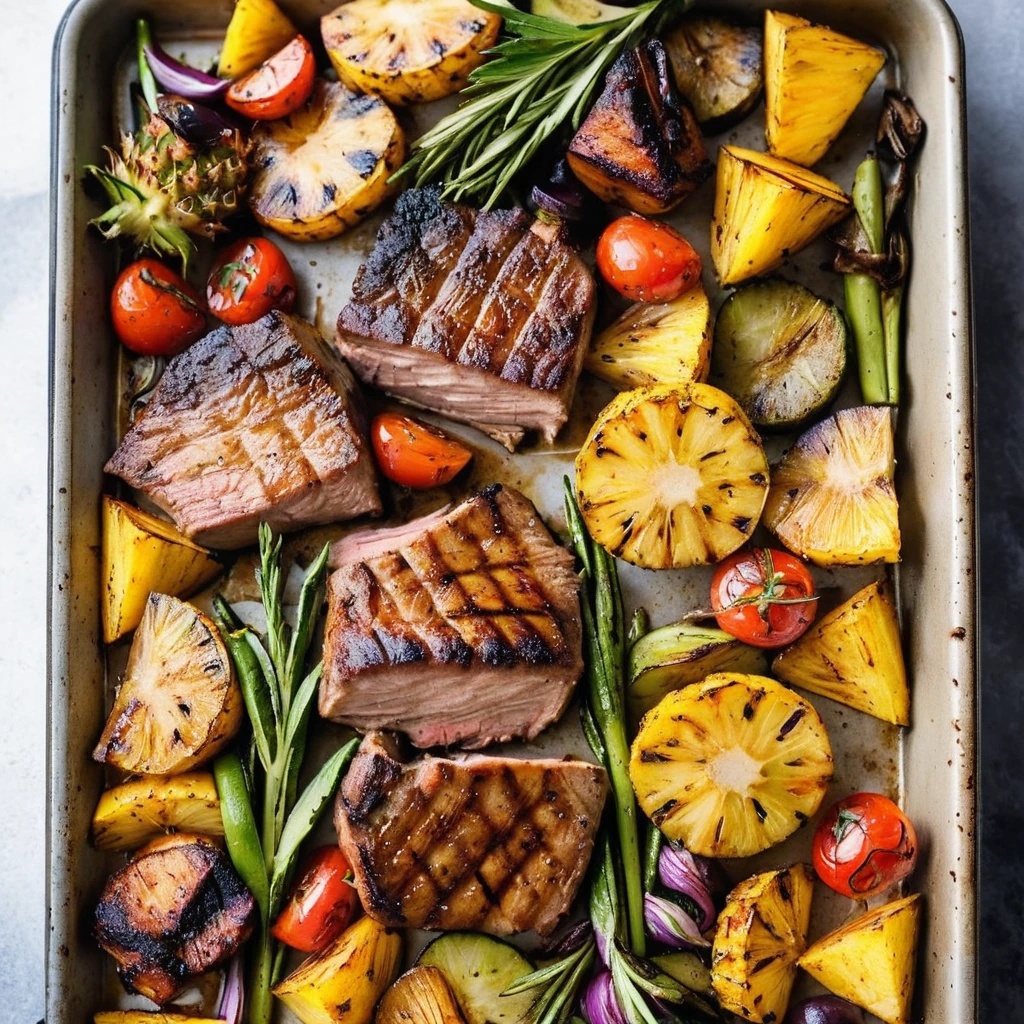
Pork and Pineapple BBQ Sheet Pan Supper
Sweet, tangy, and smoky flavors mingle in this fuss-free sheet pan supper that'll have you licking your plate clean.