Heat Management Technique: Understanding Smoke Points of Oils
The smoke point of an oil is the temperature at which it begins to break down and emit smoke, signaling the onset of chemical changes that can affect both flavor and nutrition. Understanding this concept is crucial for home cooks who aim to elevate their culinary skills. When oil is heated beyond its smoke point, it not only loses its beneficial properties but also starts producing harmful compounds. This technique dives into the science behind smoke points, helping you choose the right oil for your cooking method, whether you're searing a steak, deep-frying chicken, or simply sautéing vegetables. Knowing the smoke points allows you to harness the unique characteristics of each oil, ensuring that your dishes are both safe and delicious. Different oils have different smoke points due to their fatty acid composition; oils with more saturated fats tend to have higher smoke points. This guide will teach you how to identify these points and how to manage heat effectively to maintain the integrity of your ingredients and the final flavor of your dishes.
Notes
Understanding an oil's smoke point is vital because heating oil beyond this threshold not only degrades its flavor but also produces toxic fumes and free radicals, which can be harmful to your health. To troubleshoot common issues, ensure your burner is properly adjusted to avoid uneven heating and always use a thermometer to monitor temperatures accurately. Safety is paramount, so never leave heating oil unattended. For storage, keep oils in a cool, dark place to maintain their quality. Some oils are better suited for high-heat cooking, like avocado oil, while others, like extra virgin olive oil, are ideal for dressings due to their lower smoke points and delicate flavors. Make-ahead tip: When frying, heat your oil to the correct temperature before adding food to prevent sticking and ensure even cooking.
Steps
- 1 Select an oil based on its intended use and required heat level.
- 2 Check the oil's smoke point against the temperature needed for your cooking method.
- 3 Preheat your pan on medium heat before adding oil to avoid hot spots.
- 4 Add oil to the pan and allow it to warm up gradually.
- 5 Monitor the oil's temperature with a kitchen thermometer to stay below its smoke point.
- 6 Once the oil is shimmering but not smoking, it is ready for cooking.
- 7 Adjust the heat as needed to maintain a stable temperature.
- 8 Avoid overheating by keeping an eye on the oil's behavior and temperature.
- 9 Remove the pan from heat immediately if you notice smoke starting to rise.
- 10 Dispose of any oil that has reached its smoke point to prevent reuse and potential health risks.
Ingredients to explore
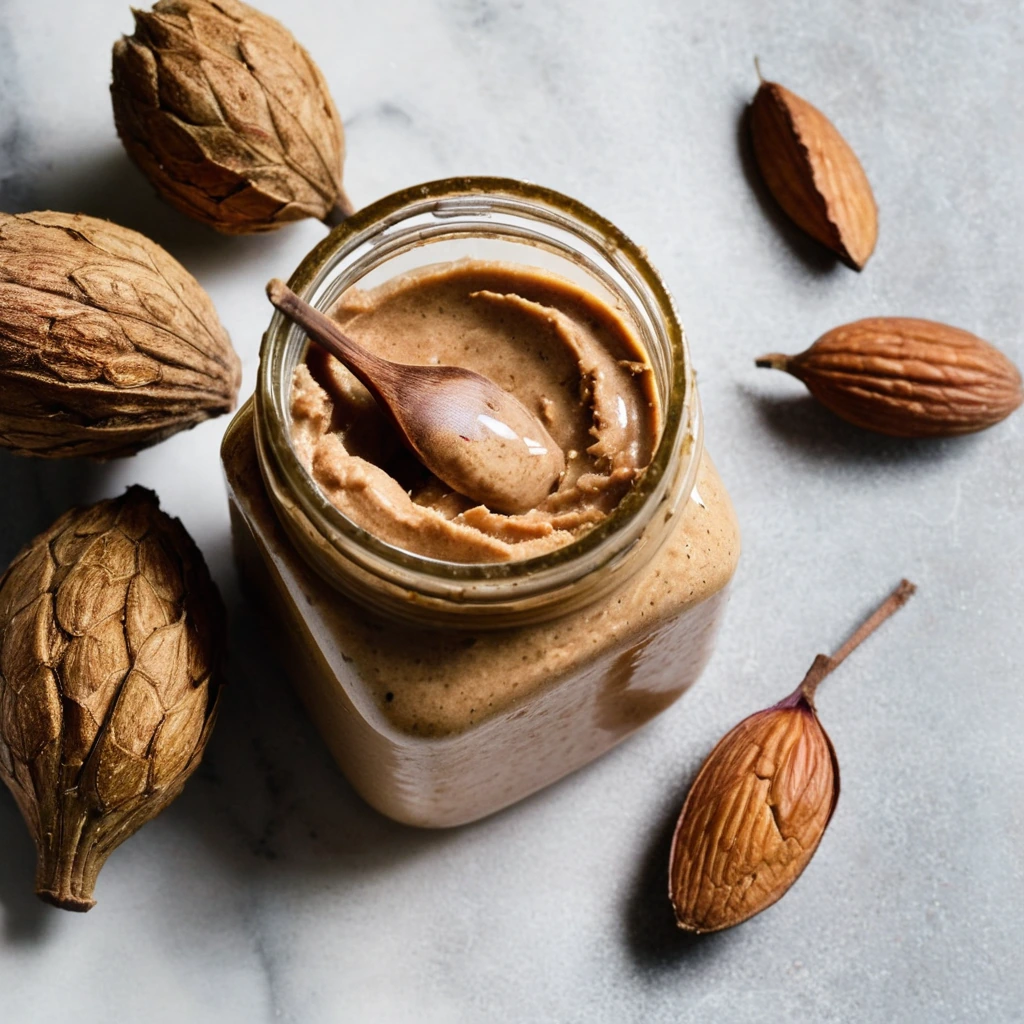
Almond Butter
A velvety, nutty spread crafted from finely ground almonds, offering a rich and satisfying flavor that's both comforting and indulgent.
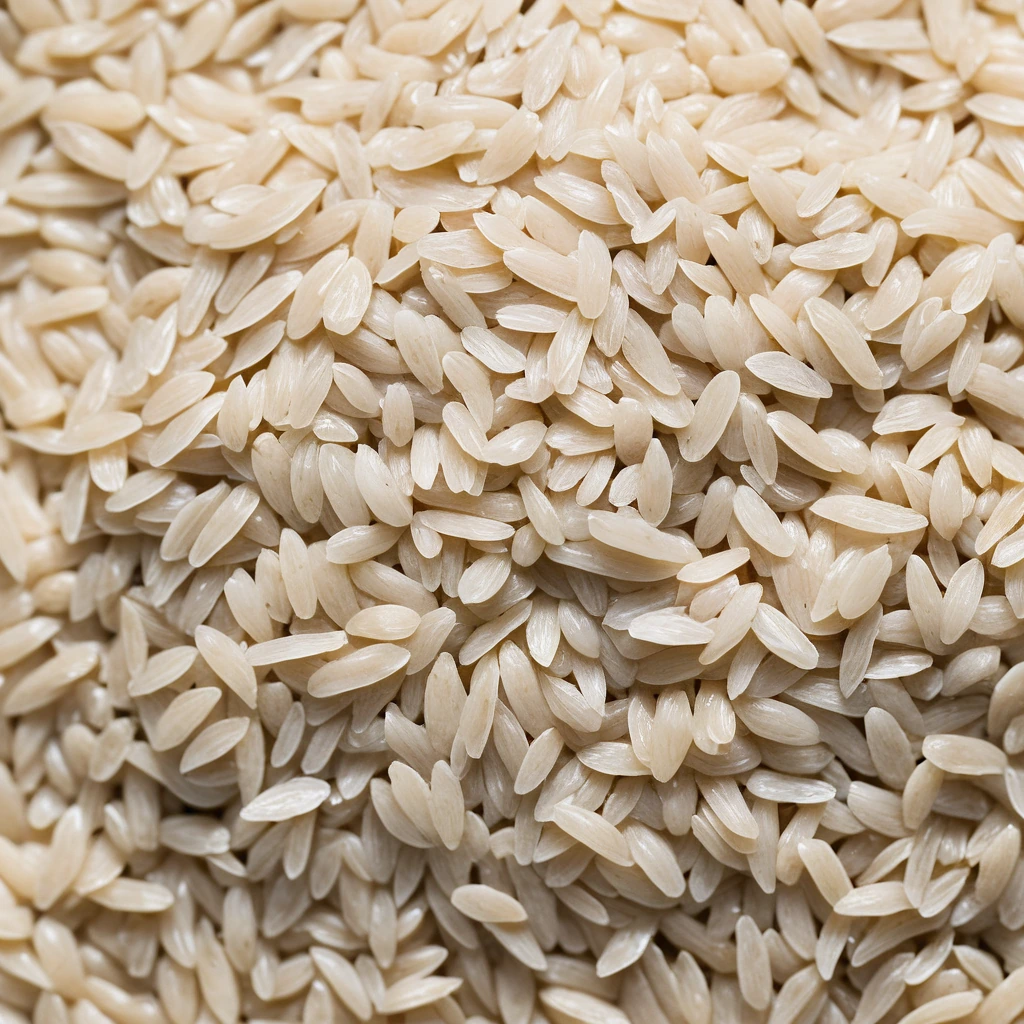
Arborio Rice
Arborio rice is a short-grain Italian rice variety renowned for its use in risotto. Originating from the Po Valley in Northern Italy, it is a staple in Italian cuisine. Its flavor is mild and nutty, with a pleasant creamy texture when cooked due to its high amylopectin content, which releases starch and creates a velvety consistency. The grains remain plump and firm to the bite, offering a satisfying chewiness. In cooking, Arborio rice excels at absorbing flavors from broths and seasonings while maintaining its shape, making it ideal for dishes that require both creaminess and structure.
Recipes to try

Triple Chocolate Chunk Skillet Cookie
This skillet cookie is a gooey, decadent delight with chunks of dark, milk, and white chocolate that will make you swoon.

Savory Breakfast Bowls with Quinoa and Eggs
A hearty bowl brimming with fluffy quinoa, perfectly poached eggs, and a sprinkle of fresh herbs for a zesty morning start.