Heat Management Technique: Preheating Pans for Better Browning
Achieving that perfect sear on your steak or golden crust on your chicken isn't just about the cut of meat; it's about mastering the art of preheating your pan. Preheating is a critical step in heat management that ensures even cooking and superior browning through the Maillard reaction. This technique involves bringing your pan to the optimal temperature before adding any ingredients, which primes it for efficient heat transfer and prevents sticking. Understanding the science behind preheating can elevate your cooking from good to gourmet. It begins with selecting the right pan—cast iron, stainless steel, or carbon steel are excellent choices due to their heat retention capabilities. Then, you must consider the heat source and how it interacts with your cookware. The goal is to create a surface hot enough to sear but not so hot that it burns. Patience is key; rushing this step can lead to uneven cooking and a subpar result. Preheating also helps clarify when your pan is truly ready for action, preventing the common mistake of adding food too early. Let’s delve into the steps and nuances that will transform your browning game.
Notes
The science behind preheating lies in the Maillard reaction, a chemical process that occurs when amino acids and reducing sugars collide under heat, creating those delightful browned flavors. To troubleshoot, ensure your pan is evenly heated to avoid hot spots that can lead to burning. Common mistakes include using a pan that isn't hot enough or overcrowding the pan, which lowers the temperature and steams rather than sears the food. Safety is crucial; always use oven mitts when handling a preheated pan, as it will be extremely hot. For make-ahead meals, preheat just before cooking, as holding a pan at high temperatures for extended periods can warp it. Store your pan in a dry place to maintain its seasoning and longevity.
Steps
- 1 Choose a heavy-bottomed pan like cast iron, stainless steel, or carbon steel.
- 2 Place the pan on the stove over medium-high heat.
- 3 Allow the pan to heat for 3-5 minutes.
- 4 Add a small amount of oil with a high smoke point, such as canola or grapeseed.
- 5 Tilt the pan to coat the bottom evenly with oil.
- 6 Wait for the oil to shimmer but not smoke—this indicates it’s ready.
- 7 Test the pan by flicking a few drops of water onto its surface; they should sizzle and evaporate quickly.
- 8 Immediately add your food to the pan to start the browning process.
- 9 Avoid moving the food for at least 1-2 minutes to allow a proper crust to form.
- 10 Adjust the heat if necessary to maintain a consistent sizzle without burning.
- 11 Flip the food only once to ensure even browning on both sides.
- 12 Finish cooking to your desired doneness, monitoring closely.
- 13 Remove the food from the pan and let it rest before serving.
Ingredients to explore
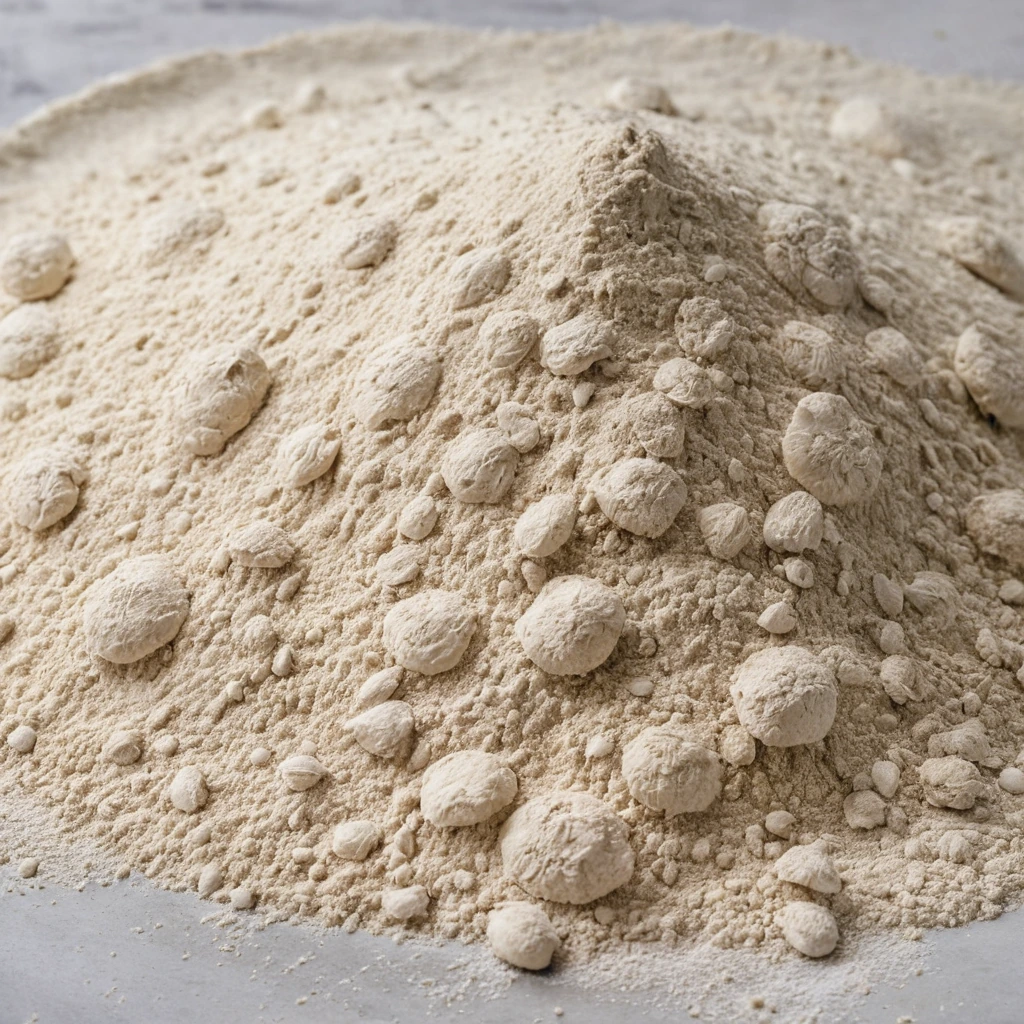
00 Pizza Flour
00 pizza flour is a finely milled Italian flour prized for its versatility in creating authentic Neapolitan-style pizza crusts. Originating from Italy, it is milled to a very fine consistency, which is reflected in its name, 'doppio zero,' indicating its fine grind. This flour has a balanced flavor profile, offering a mild, slightly sweet taste with a subtle nuttiness. Its texture is silky and smooth, contributing to a tender yet chewy crust when used in pizza making. In cooking, 00 pizza flour is known for its ability to hydrate quickly and develop a desirable gluten structure, resulting in a light and airy crust that can withstand high-heat cooking without becoming overly crispy or hard.

Anaheim Peppers
Anaheim peppers are a mild chili pepper variety named after Anaheim, California, where they were first cultivated commercially. Originating from the New Mexico region, these peppers are celebrated for their versatility and gentle heat. They possess a flavor that is mildly sweet with a subtle tang, and a pleasant vegetal note reminiscent of green bell peppers, but with a hint of spice. Their texture is firm and crisp when fresh, becoming tender and slightly smoky when roasted or cooked. In cooking, Anaheim peppers behave well across a range of techniques, from grilling and roasting to stuffing and sautéing, contributing a nuanced depth without overwhelming other ingredients with heat.
Recipes to try
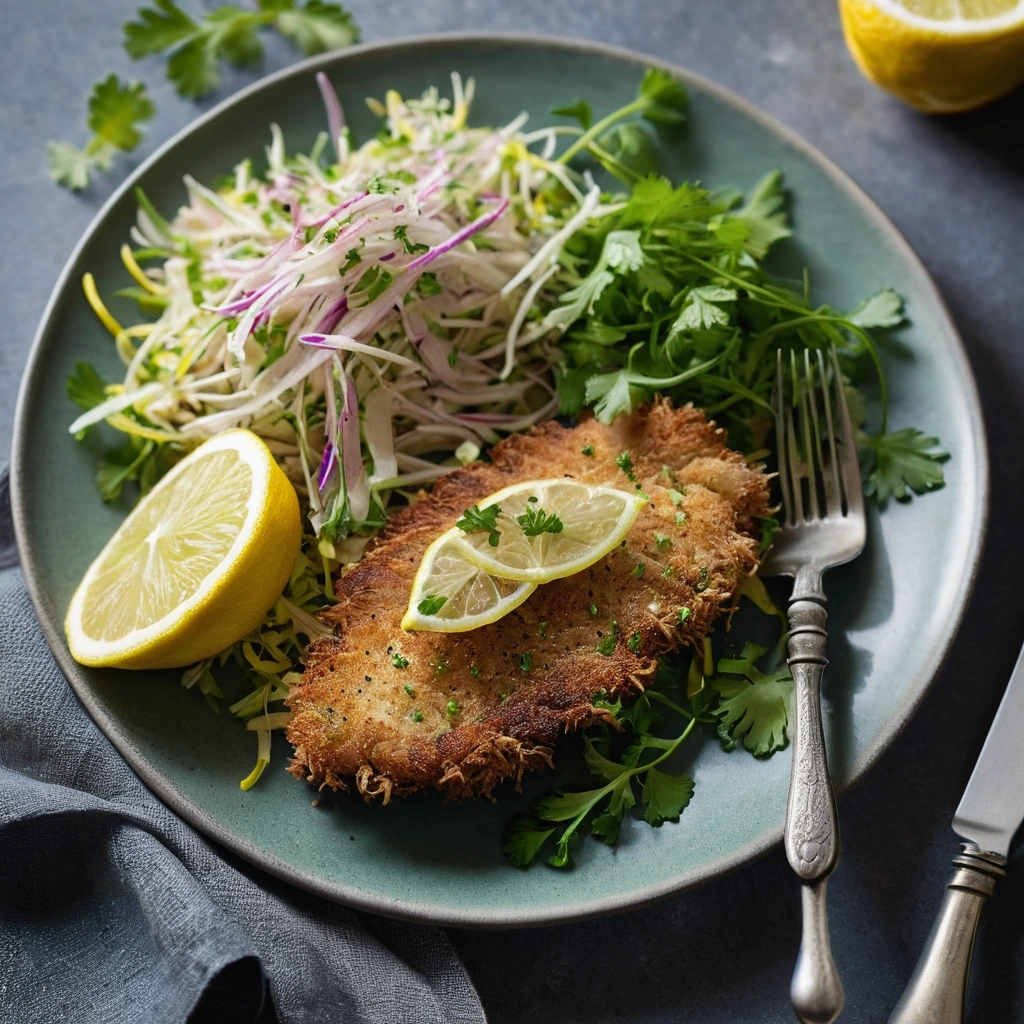
Pork Schnitzel with Lemon and Parsley Slaw
Golden, crispy pork schnitzel served with a refreshing, zesty lemon and parsley slaw that'll brighten your dinner table.
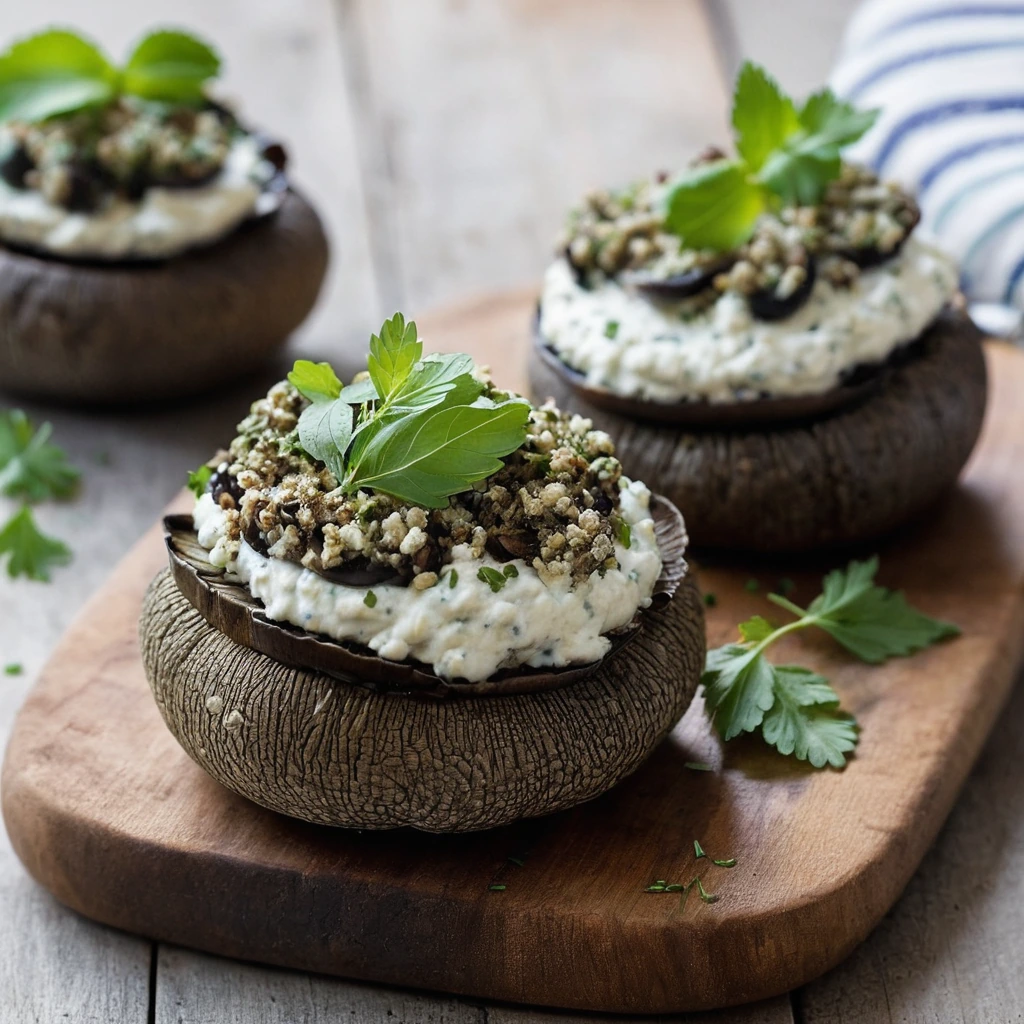
Stuffed Portobello Mushrooms with Herbed Ricotta
These earthy portobello mushrooms are stuffed with a creamy, herbed ricotta mixture, offering a satisfying vegetarian delight that's both elegant and easy.