Heat Management Technique: Covering Pans to Trap Moisture and Heat
Understanding the art of covering pans is a fundamental skill in any cook's repertoire. This technique is all about harnessing the power of trapped moisture and heat to cook food evenly and efficiently. When you cover a pan, you create a mini ecosystem where steam and heat are conserved, leading to tender, succulent results. Whether you're braising a tough cut of beef, simmering a delicate sauce, or gently cooking vegetables to preserve their nutrients, mastering this technique can elevate your cooking game. The lid acts as a barrier that prevents heat and moisture from escaping, ensuring that your dish cooks in its own flavorful juices. This not only speeds up the cooking process but also intensifies the flavors of your ingredients. Additionally, it helps maintain consistent temperatures, reducing the risk of scorching or drying out your food. By understanding how heat behaves under a lid, you'll gain better control over your cooking outcomes. This technique is particularly useful for dishes that require long, slow cooking, as it allows you to achieve fork-tender results without constant supervision. Furthermore, covering pans can also conserve energy by reducing the need for high heat, making it a practical choice for both your wallet and the environment.
Notes
The science behind covering pans lies in the principles of heat transfer and condensation. When you cover a pan, the heat circulates within the enclosed space, cooking food more evenly. The condensation that forms under the lid drips back onto the food, keeping it moist and flavorful. A common mistake is covering a pan too early, which can prevent proper browning and caramelization. Always ensure that your initial sear is done uncovered. For safety, avoid lifting the lid frequently, as this releases heat and can lead to uneven cooking. To make ahead, cook your dish and let it cool before refrigerating in an airtight container. Stored properly, most covered-pan dishes can last 3-4 days in the fridge.
Steps
- 1 Select a pan with a tight-fitting lid to prevent heat and moisture loss.
- 2 Preheat the pan uncovered over medium heat to properly sear or sauté ingredients.
- 3 Add your ingredients to the pan and cook uncovered for the initial browning phase.
- 4 Once browning is complete, lower the heat to medium-low.
- 5 Cover the pan promptly to trap steam and heat within.
- 6 Simmer gently, checking occasionally to ensure even cooking and prevent boiling over.
- 7 Adjust the heat as needed to maintain a gentle simmer without excessive pressure.
- 8 Leave the lid on for the majority of the cooking time to preserve moisture.
- 9 Towards the end of cooking, uncover the pan to allow excess moisture to evaporate if a thicker sauce is desired.
- 10 Remove the pan from heat and let it rest covered for a few minutes to redistribute juices.
Ingredients to explore
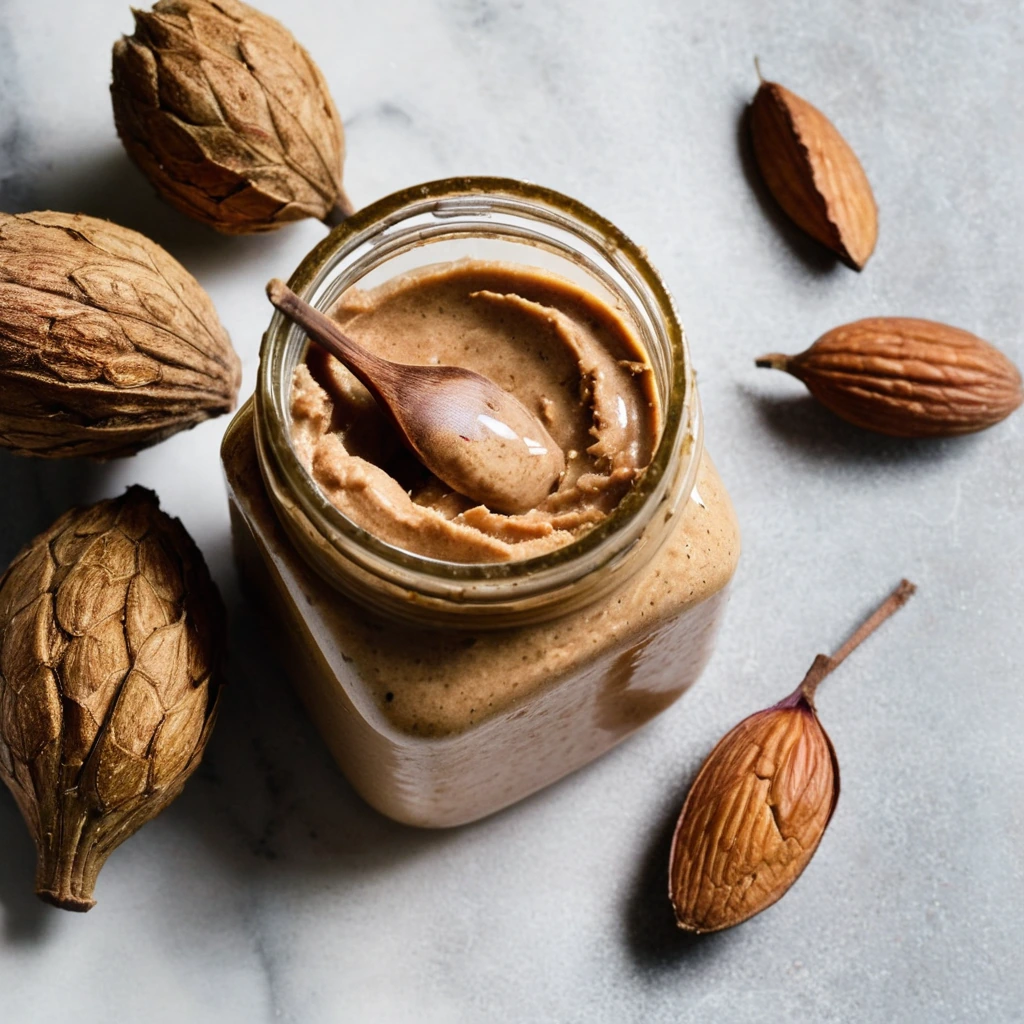
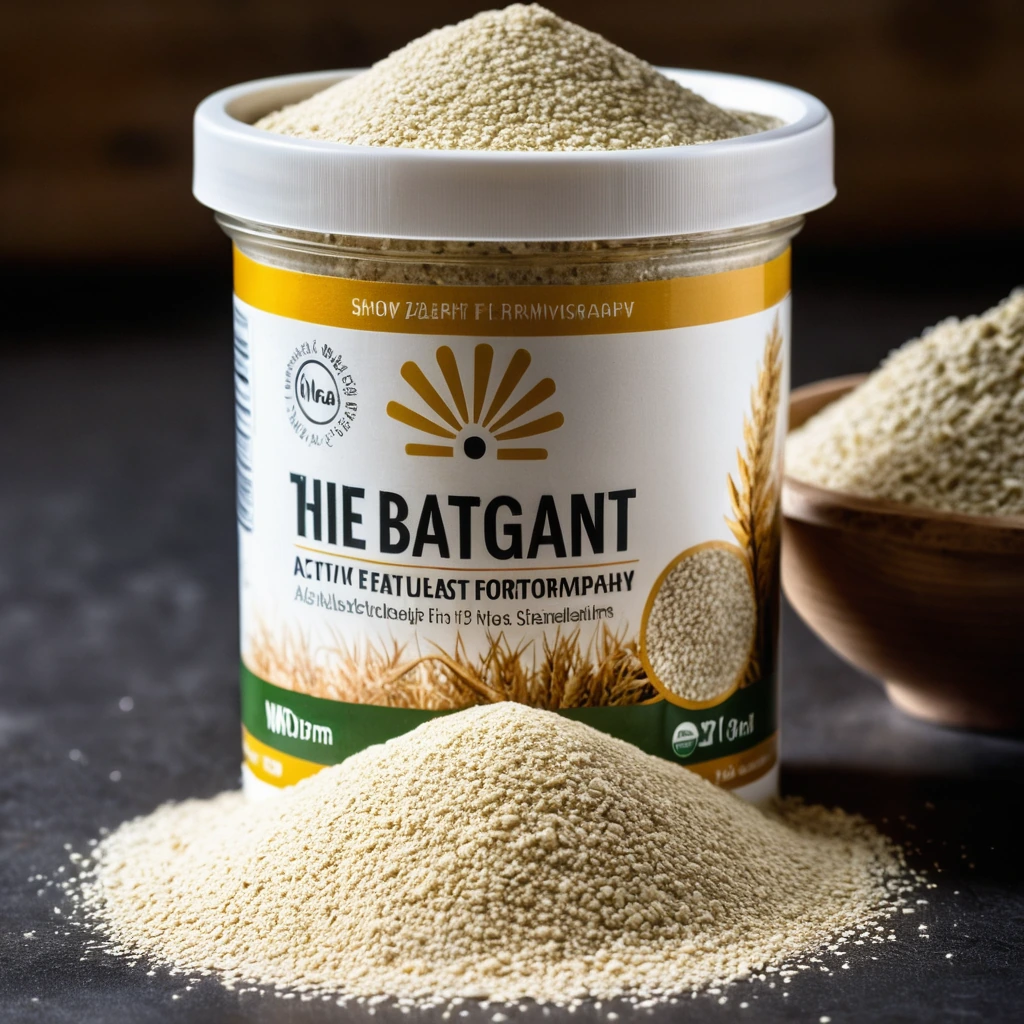
Recipes to try
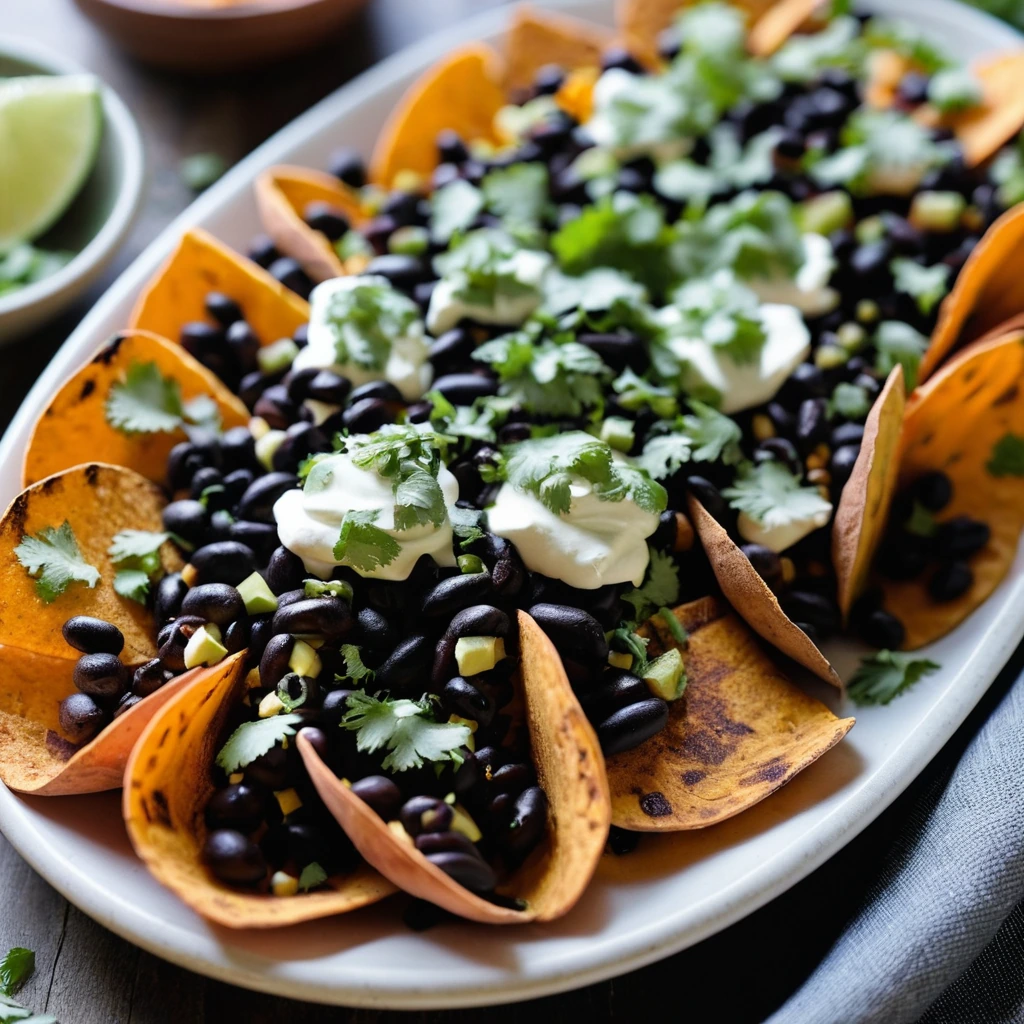
Sweet Potato and Black Bean Loaded Nachos
Crispy tortilla chips piled high with roasted sweet potatoes, black beans, and melty cheese, all topped with fresh cilantro and a zesty lime kick.
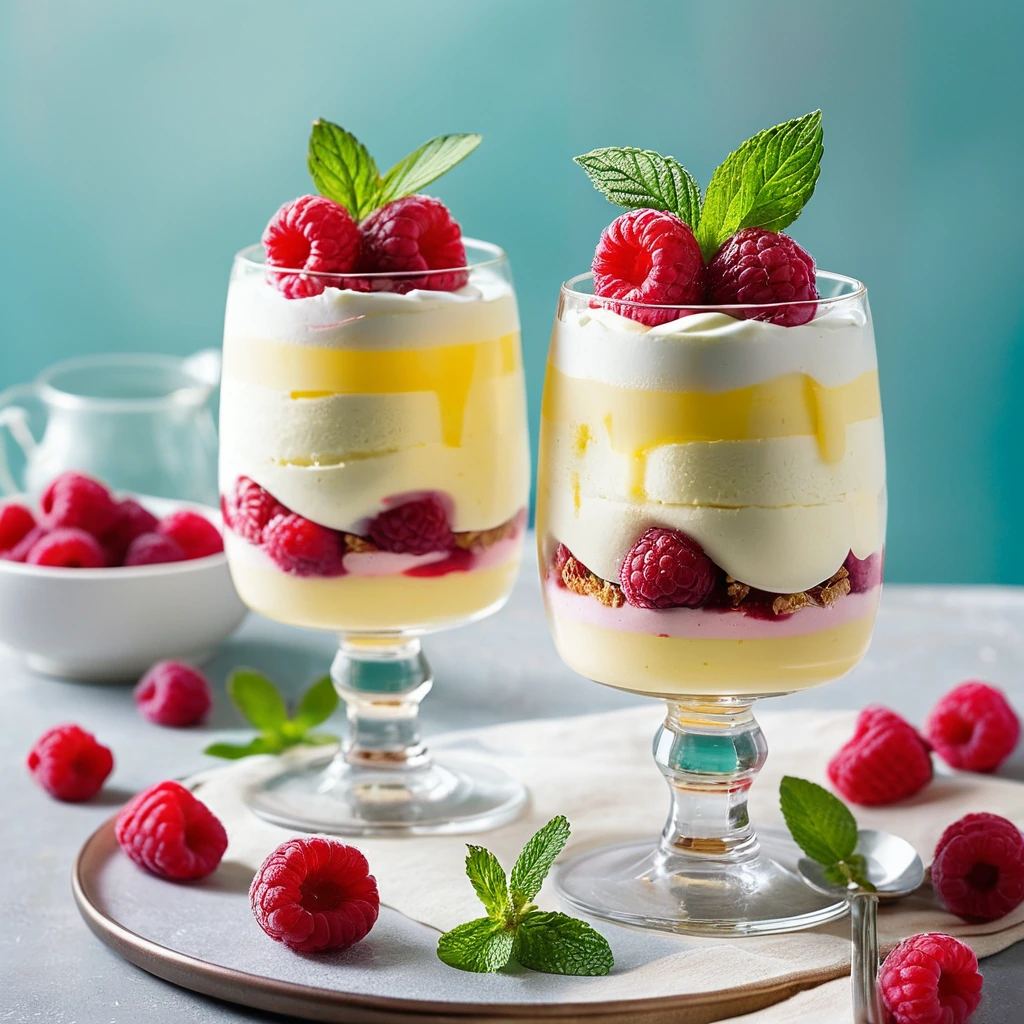
Lemon Raspberry Cheesecake Parfaits
Creamy layers of lemon cheesecake meet tangy raspberry swirls in a delightful parfait that's as pretty as it is delicious.