Heat Management Technique: Broiling Safely Without Burning Tops
Broiling is a high-heat cooking method that can quickly transform your dishes with a beautifully caramelized top. However, it's easy to go from golden brown to burnt in mere seconds if you don't manage the heat properly. This technique dives into how to control the intense heat of your broiler to achieve perfect results without the charred disasters. We'll explore the science behind why foods burn, how to gauge the right distance from the heat source, and how to monitor your food to ensure it cooks evenly. Understanding your oven's unique quirks and how different foods react to high heat is key to mastering this technique. Whether you're broiling salmon, casseroles, or meringue toppings, these insights will guide you to consistent success, making your kitchen endeavors safer and more delicious.
Notes
The key to broiling without burning lies in understanding heat transfer and the Maillard reaction, which creates those delightful browned flavors. Foods with high sugar or fat content are particularly susceptible to burning, so keep a close eye on them. Common mistakes include placing food too close to the heat or forgetting to rotate the pan, leading to uneven cooking. Always use oven mitts to protect your hands from burns, and never leave the broiler unattended due to the high risk of fire. For make-ahead dishes, broil just before serving for the best texture and flavor. Store leftovers promptly in airtight containers in the refrigerator.
Steps
- 1 Preheat your oven's broiler on high.
- 2 Adjust the oven rack to the highest position for quick cooking or lower for slower, gentler browning.
- 3 Line a broiler pan with aluminum foil for easy cleanup.
- 4 Brush or season your food to enhance browning and flavor.
- 5 Place your food on the broiler pan, ensuring it's not crowded.
- 6 Set a timer for 2 minutes to start checking for browning.
- 7 Rotate the pan 180 degrees halfway through to ensure even cooking.
- 8 Check your food frequently, watching for color changes to adjust timing.
- 9 If browning too quickly, lower the rack or reduce the broiler setting.
- 10 Remove food immediately once desired browning is achieved.
- 11 Transfer the food to a serving plate to avoid overcooking.
- 12 Allow the food to rest briefly before serving to settle the flavors.
- 13 Clean the broiler pan and oven promptly to prevent smoke from residue on future use.
Ingredients to explore

Andouille Sausage
Andouille sausage is a coarse-grained, smoked pork sausage with a rich history rooted in French cuisine, particularly from the Alsace region. It was adapted in Louisiana, where it became a staple in Cajun and Creole cooking. The sausage is known for its robust, smoky flavor with hints of garlic, pepper, and other spices, creating a spicy and savory profile. Its texture is firm yet slightly chewy, making it a hearty addition to dishes. When cooked, andouille sausage maintains its shape well and infuses dishes with its distinctive smoky essence, enhancing stews, soups, and rice dishes.
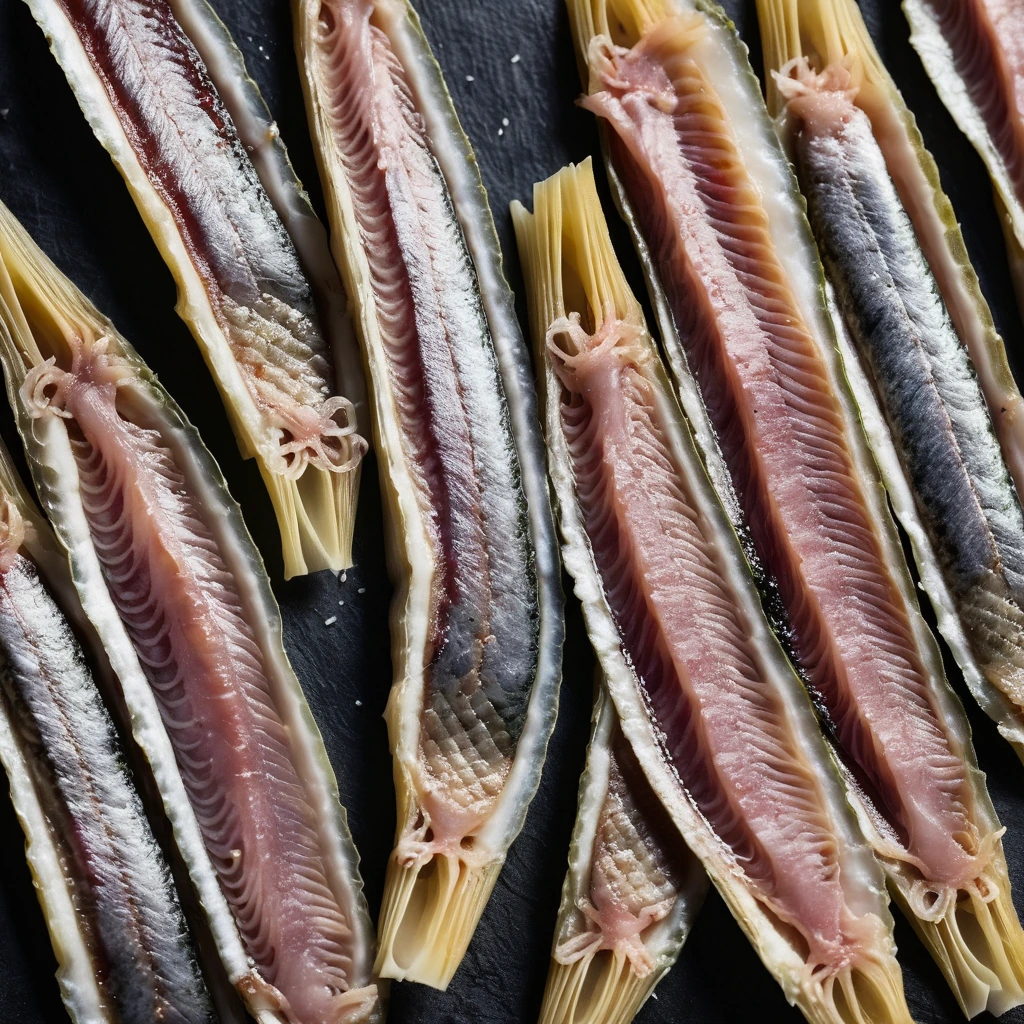
Anchovy Fillets
Silvery and succulent, anchovy fillets are a briny treasure from the sea. Their rich, umami flavor adds depth to dishes, making them a beloved ingredient in kitchens worldwide.
Recipes to try
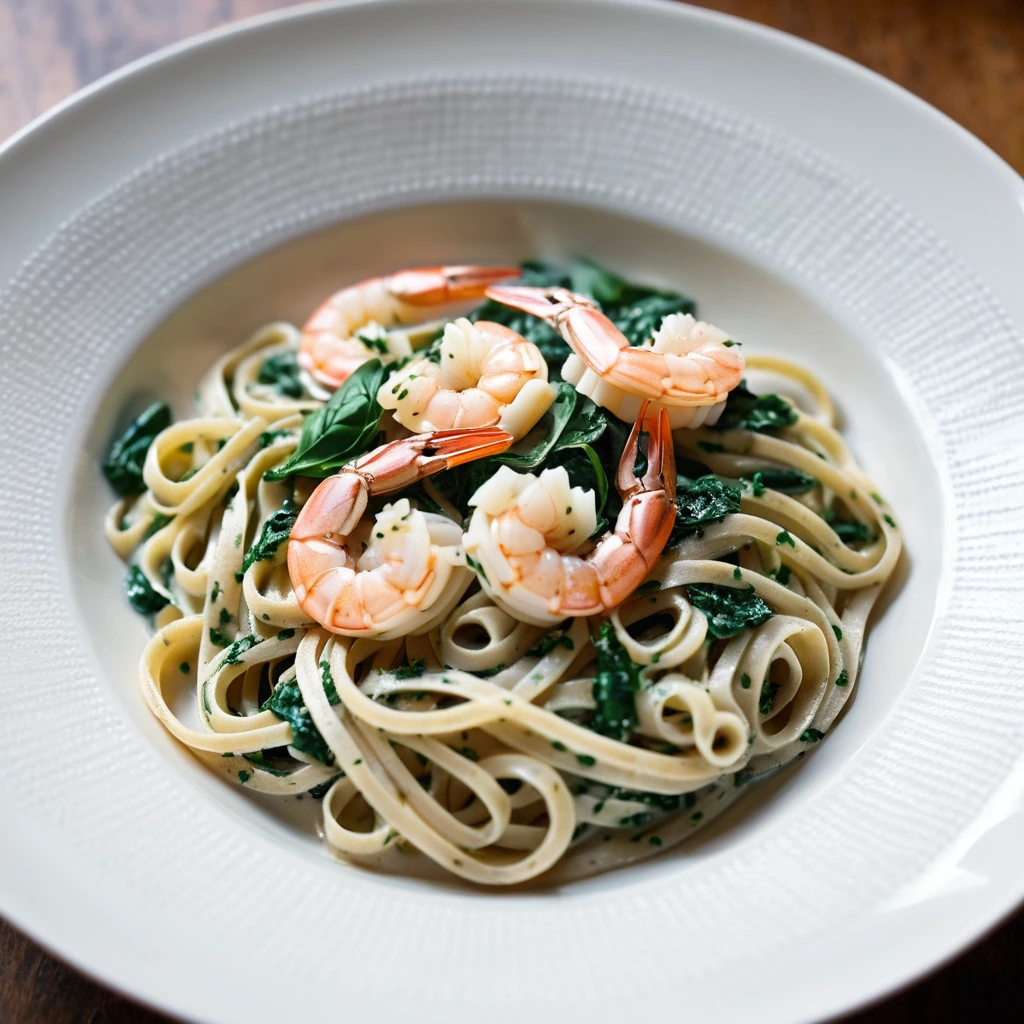
Shrimp and Spinach Linguine in White Wine Sauce
Succulent shrimp and fresh spinach mingle in a creamy white wine sauce, twirled into perfectly al dente linguine.
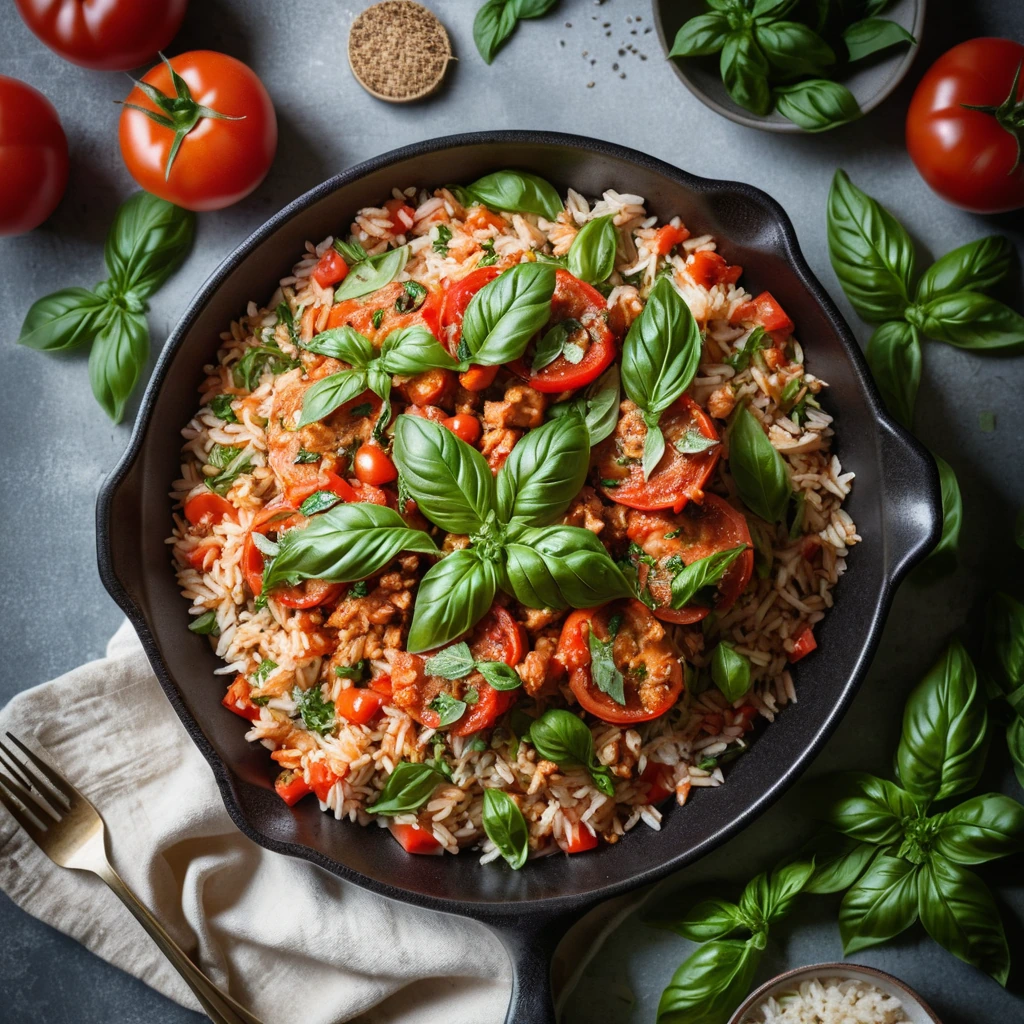
Tomato Basil Chicken and Rice Skillet
Golden chicken and fluffy rice simmered in a vibrant tomato-basil sauce, bursting with fresh garden flavors.