Heat Control: Reading the Sizzle as a Cue
Mastering heat control is an essential skill for any home cook looking to elevate their culinary prowess. The sizzle of food in a pan is not just a delightful sound—it's a critical indicator of how your ingredients are reacting to the heat. This technique teaches you to interpret those sizzles, pops, and crackles to adjust your cooking method on the fly. Understanding these auditory cues can mean the difference between a perfectly seared steak and a burnt offering. We'll delve into the science behind the sizzle, explore how different foods react to heat, and guide you on how to use these sounds to inform your cooking decisions. From the gentle sizzle of butter melting to the furious crackling of a hot skillet, we'll cover it all. By the end, you'll be tuning into your stovetop like a seasoned chef, adjusting the heat with confidence and precision.
Notes
The sizzle you hear is a result of water evaporating from the food's surface upon contact with the hot pan. This process, known as the Maillard reaction, is crucial for developing flavor and color. However, if the heat is too high, you risk burning the outside before the inside is cooked. A common mistake is not preheating the pan properly, leading to sticking or steaming rather than searing. Safety is paramount; always use oven mitts when handling hot pans and keep a lid nearby to smother any potential grease fires. Make-ahead tip: preheat your pan before adding ingredients to ensure consistent heat. Store your pans properly to maintain their performance over time.
Steps
- 1 Preheat your pan over medium heat for 3 to 5 minutes.
- 2 Add a small amount of oil and wait for it to shimmer.
- 3 Place a test piece of food in the pan and listen for the sizzle.
- 4 If the sizzle is gentle, the pan is at the correct temperature for most cooking.
- 5 If the sizzle is too quiet, increase the heat slightly and wait for a livelier sound.
- 6 If the sizzle is accompanied by smoke, reduce the heat immediately to prevent burning.
- 7 Observe the food's reaction: if it steams rather than sizzles, the pan is too cool.
- 8 Adjust the heat based on the desired cooking method: lower for slow browning, higher for searing.
- 9 Keep a close ear on the pan as you cook, adjusting the heat to maintain a consistent sizzle.
- 10 For delicate items like fish, aim for a soft sizzle to prevent overcooking.
- 11 For hearty meats, a robust sizzle indicates a good sear is happening.
- 12 If the sizzle fades, give the food a gentle nudge to ensure it's not sticking.
- 13 Remove food from the pan when it develops a golden-brown crust and the sizzle subsides.
Ingredients to explore
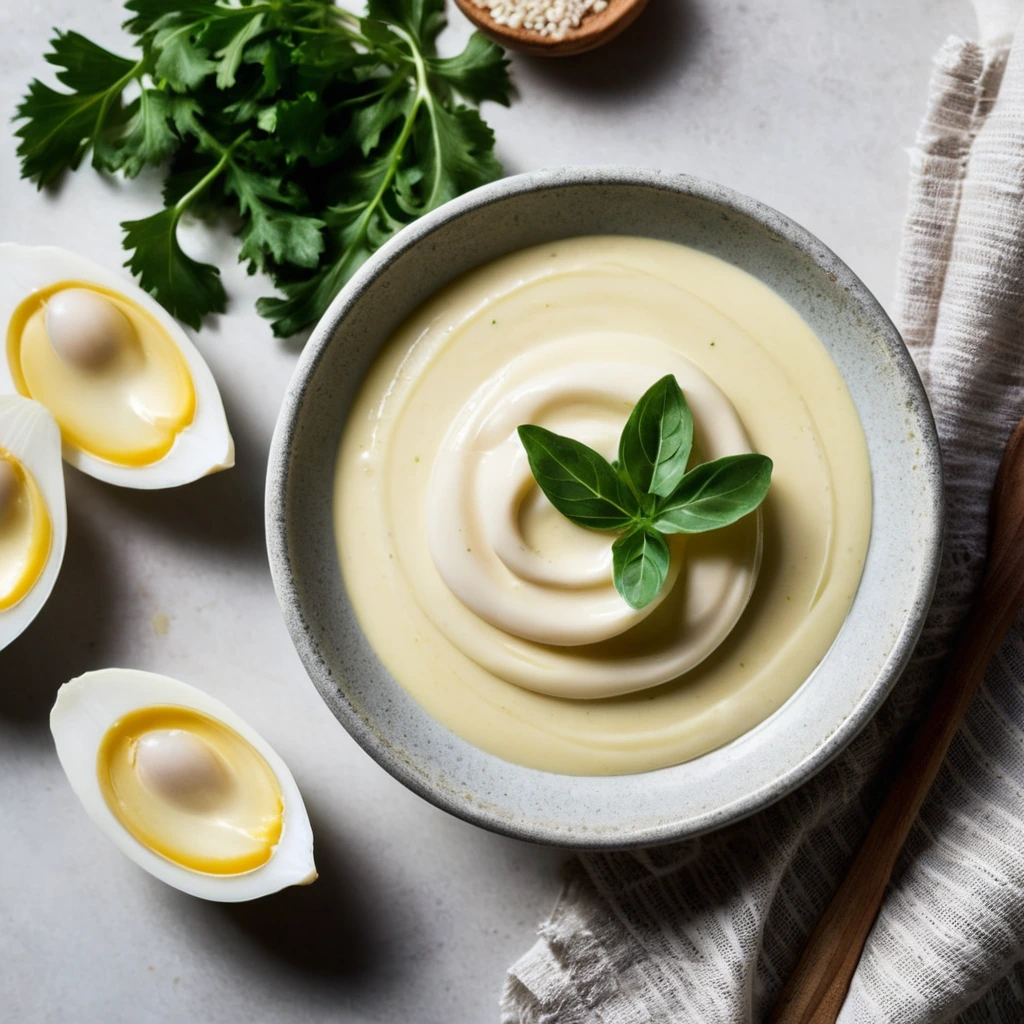
Aioli
A luscious, velvety emulsion of garlic and olive oil, aioli is a rich and aromatic sauce that dances on the palate with its creamy texture and bold, pungent flavor.
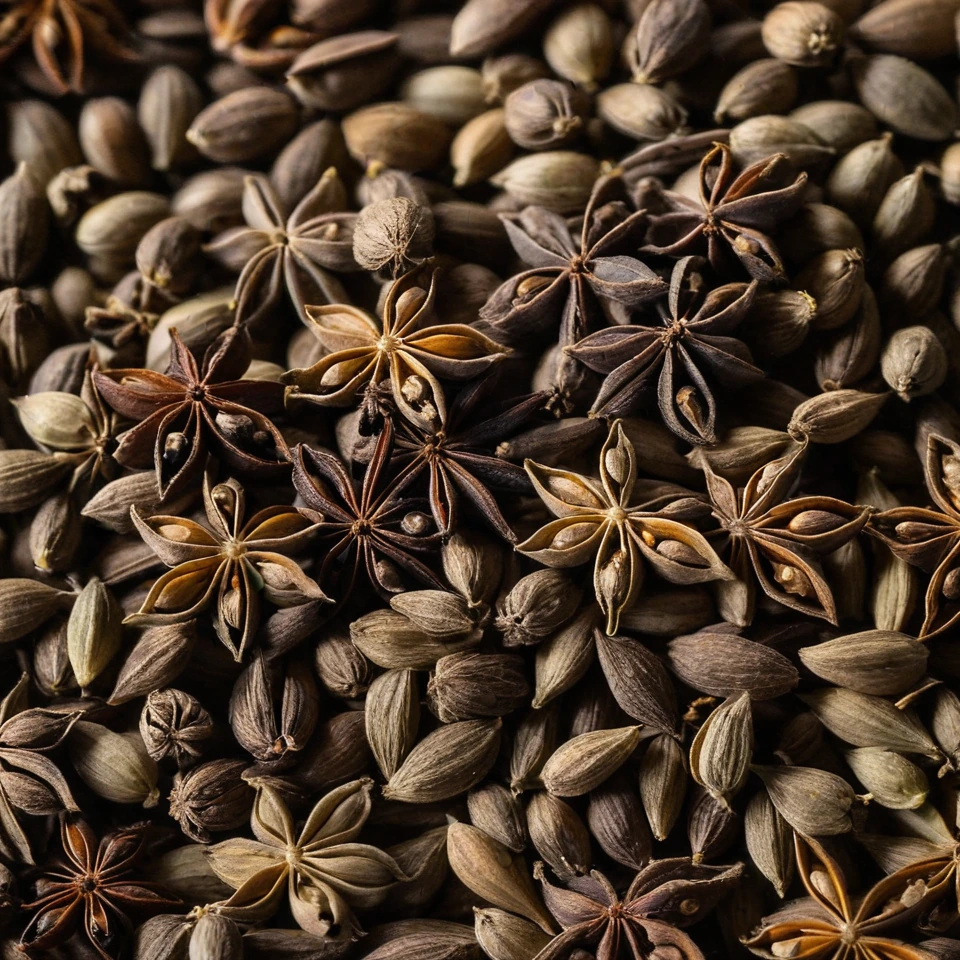
Anise Seeds
Anise seeds are small, oval seeds with a sweet, licorice-like flavor. They are commonly used in both sweet and savory dishes, offering a warm, aromatic taste.
Recipes to try
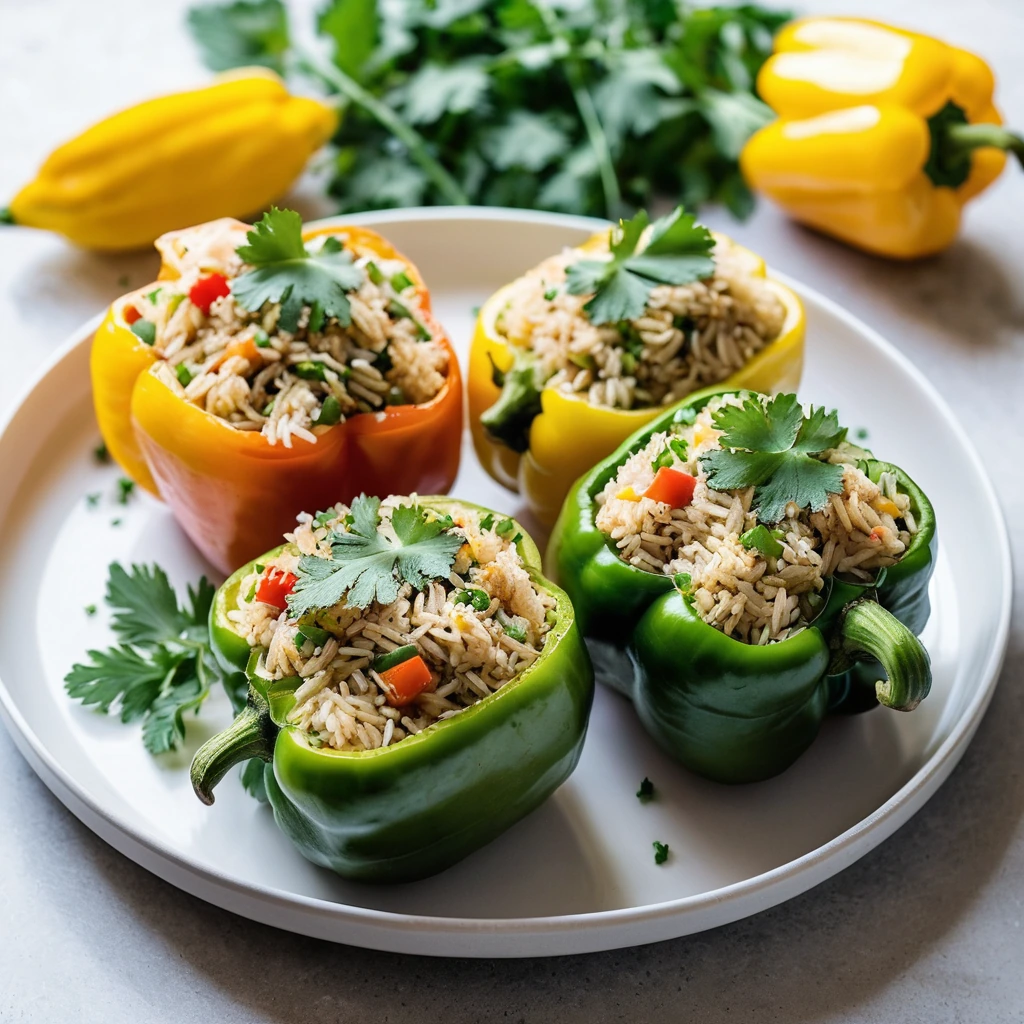
Lemon Garlic Chicken and Rice Stuffed Peppers
Bright and tangy lemon garlic chicken nestled in fluffy rice, all wrapped up in juicy bell peppers for a zesty comfort meal.
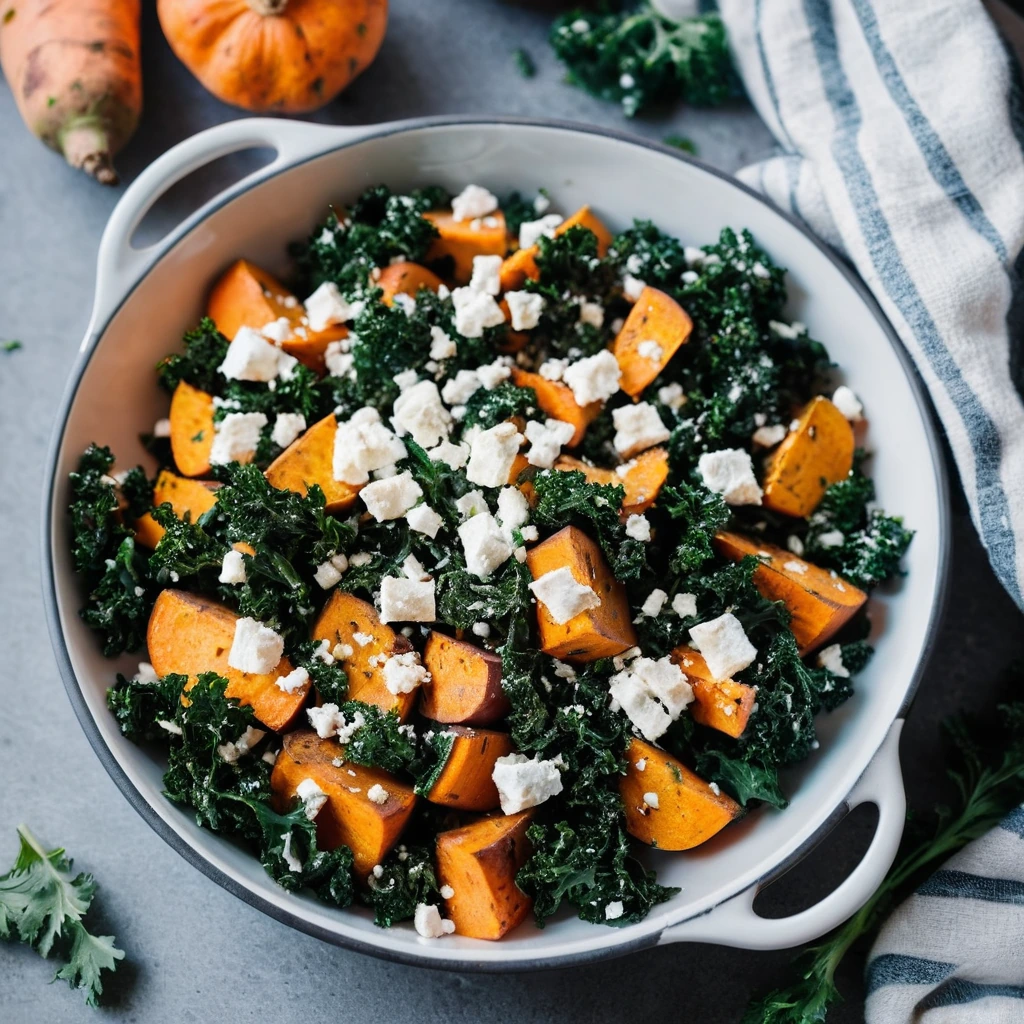
Sweet Potato and Kale Skillet with Feta
Golden roasted sweet potatoes and tender kale come together in a skillet, kissed by tangy feta and a whisper of garlic.