Heat Control: Managing Moisture to Avoid Steaming
Mastering heat control is essential for any home cook looking to elevate their culinary skills. One often-overlooked aspect of heat control is managing moisture to avoid steaming, which can lead to limp vegetables, rubbery meats, and lackluster sauces. When moisture isn't properly managed, it can create a steamy environment that prevents the Maillard reaction—a chemical reaction between amino acids and reducing sugars that gives browned food its flavor. This technique focuses on strategies to maintain the integrity of your ingredients by controlling moisture and ensuring that your dishes are perfectly cooked, not just steamed. By understanding how to manage moisture, you can achieve crispy exteriors, juicy interiors, and vibrant flavors. Whether you're searing a steak, roasting vegetables, or sautéing aromatics, managing moisture is key to unlocking the full potential of your ingredients. This guide will walk you through the science behind moisture management, practical tips for implementation, and how to avoid common pitfalls that lead to steaming rather than the desired cooking method. With these insights, you'll be equipped to transform ordinary meals into extraordinary culinary experiences.
Notes
Managing moisture is crucial because excess water can lower the temperature of your cooking surface, leading to steaming rather than searing or browning. The science behind this lies in the fact that water boils at 212°F, which is lower than the temperatures needed for browning reactions. To troubleshoot, ensure your ingredients are as dry as possible before cooking and maintain high heat to evaporate any released moisture quickly. Safety is generally not a concern with this technique, but always use oven mitts and be cautious around hot pans. For make-ahead meals, roast or sear ingredients and store them separately from sauces to maintain texture. Store in airtight containers in the refrigerator for up to 3 days.
Steps
- 1 Preheat your pan over medium-high heat until it is very hot.
- 2 Pat your ingredients dry with paper towels to remove surface moisture.
- 3 Add a small amount of oil with a high smoke point to the pan.
- 4 Once the oil shimmers, add your ingredients to the pan immediately to prevent steaming.
- 5 Avoid overcrowding the pan to allow moisture to evaporate quickly.
- 6 Sear the ingredients without moving them for 2-3 minutes or until a golden-brown crust forms.
- 7 Flip the ingredients and repeat on the other side.
- 8 Remove the ingredients from the pan and let them rest on a wire rack to preserve crispiness.
- 9 For roasting, preheat oven to 425°F and ensure vegetables are spread out in a single layer.
- 10 Toss vegetables with oil and a sprinkle of salt before roasting to enhance moisture evaporation.
- 11 Roast vegetables for 20-25 minutes, stirring halfway through to promote even browning.
- 12 When sautéing, keep the heat high and the cooking time short to minimize moisture buildup.
- 13 Use a lid sparingly, only to soften ingredients like onions before removing it to continue cooking.
- 14 For sauces, simmer gently and stir frequently to prevent excess moisture from turning them watery.
Ingredients to explore
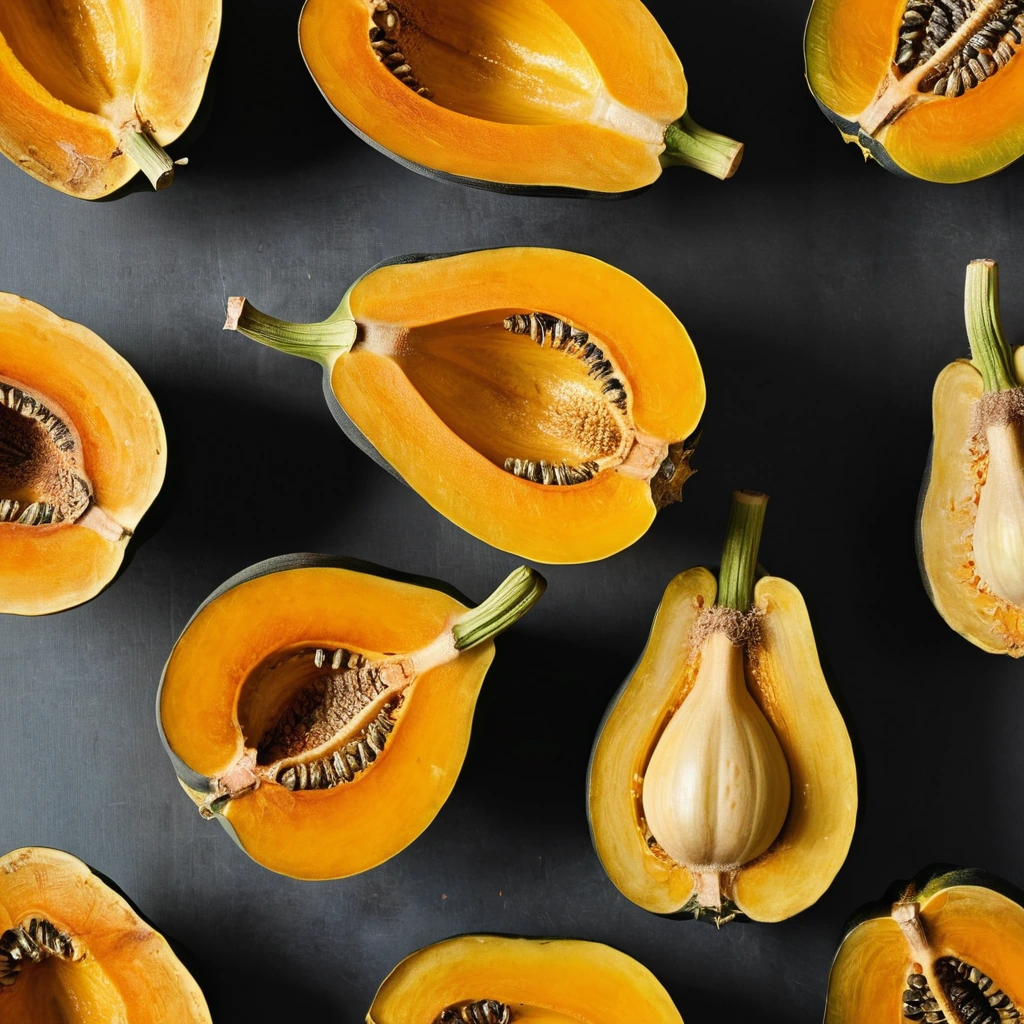
Acorn Squash
Acorn squash is a winter squash variety known for its distinctive teardrop shape and deep ridges resembling the texture of an acorn shell. Originating in the Americas, it has been cultivated for centuries and is a staple in autumn cuisine. The flesh is sweet and nutty with a hint of earthiness, offering a delightful contrast to savory dishes. Its texture is dense yet tender when cooked, making it ideal for roasting or pureeing. In cooking, acorn squash holds its shape well and absorbs flavors from herbs and spices, enhancing both its taste and versatility in recipes.
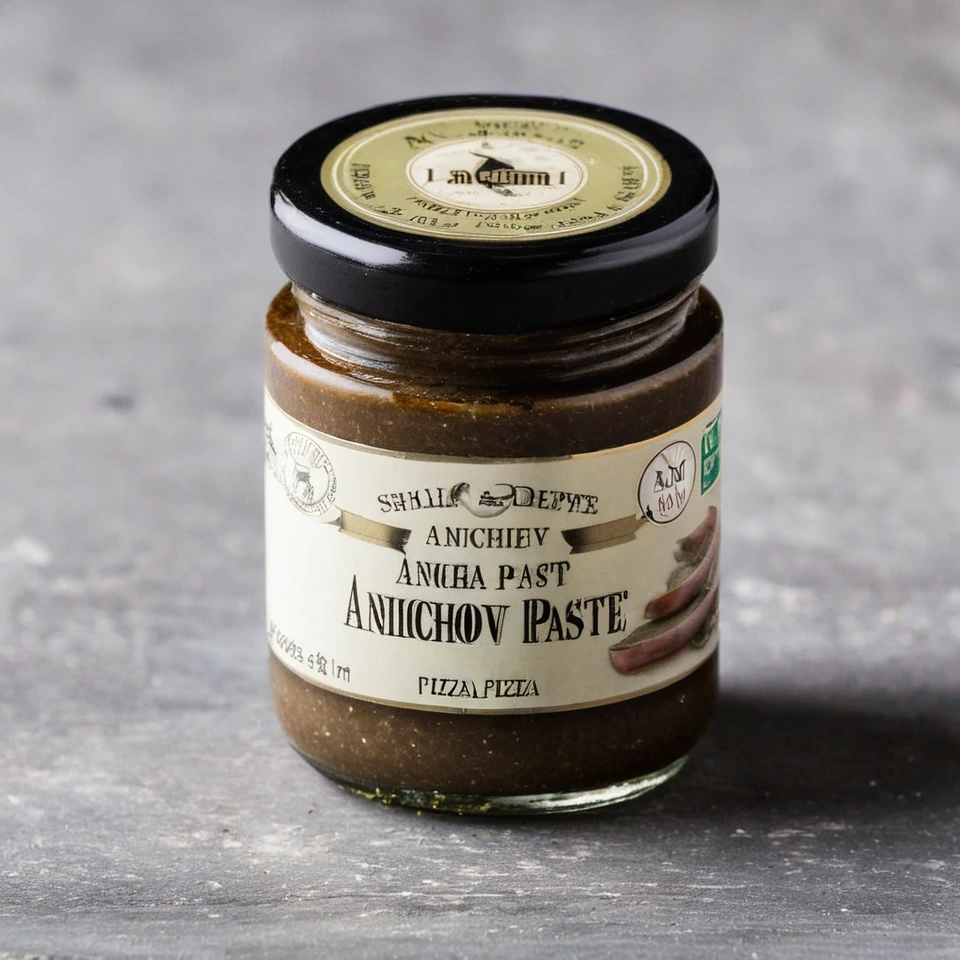
Anchovy Paste
Anchovy paste is a rich, salty spread made from finely ground anchovies, salt, and sometimes olive oil. It offers a deep umami flavor that enhances a variety of dishes.
Recipes to try

Lemon Raspberry Cheesecake Parfaits
Creamy layers of lemon cheesecake meet tangy raspberry swirls in a delightful parfait that's as pretty as it is delicious.

Pork Schnitzel with Lemon and Parsley Slaw
Golden, crispy pork schnitzel served with a refreshing, zesty lemon and parsley slaw that'll brighten your dinner table.