Grilling: Basting Meats Without Flare-Ups
Basting meats while grilling can elevate your barbecue game, infusing your dishes with rich flavors and maintaining juicy tenderness. However, improper basting can lead to dreaded flare-ups that char your food and fill your grill with smoke. This technique will guide you through basting meats effectively, ensuring a flavorful and perfectly cooked meal without the risk of flare-ups. First, understand that basting is not just about pouring sauce over your meat; it's about enhancing the natural flavors and protecting the meat from drying out. The key is to choose the right basting agent, whether it’s a marinade, oil, or butter, and to apply it at the correct times. Timing is everything—basting too early or too often can lead to flare-ups, while doing it too late won't offer much benefit. This technique will walk you through selecting the ideal basting moment, preparing your grill to minimize flare-ups, and applying the basting agent with precision. Additionally, you’ll learn about the science behind why basting works and how to troubleshoot common issues, ensuring your grilling adventures are successful and enjoyable.
Notes
The science behind basting lies in its ability to replenish moisture lost during grilling and add flavor. However, sugars in many basting sauces can caramelize and burn at high heat, leading to flare-ups. To prevent this, use oil-based or dairy-based basting agents which have higher smoke points. Common mistakes include basting too frequently or using a sauce with a low smoke point. For safety, always use a clean brush and avoid cross-contamination by not using the same brush for raw and cooked meat. You can prepare your basting agent ahead of time and store it in the refrigerator for up to a week. After grilling, allow meats to rest before serving to let juices redistribute.
Steps
- 1 Preheat your grill to medium heat, around 350°F, to ensure even cooking and reduce flare-up risk.
- 2 Choose a basting agent: use oil-based sauces or melted butter for flavor and protection against drying out.
- 3 Prepare a fine mist sprayer with water to quickly douse any flare-ups that may occur.
- 4 Sear your meat first for 3-5 minutes per side without basting to develop a flavorful crust.
- 5 Move the meat to a cooler part of the grill to continue cooking indirectly, reducing flare-up risk.
- 6 Baste the meat gently with a brush or spoon, applying a thin layer to avoid dripping onto the flames.
- 7 Baste every 5-7 minutes, checking the grill for flare-ups and using the water sprayer if needed.
- 8 Avoid basting during the final stages of cooking to prevent burning and ensure proper caramelization.
- 9 Monitor the meat's internal temperature with a thermometer, removing it when it reaches the desired doneness.
Ingredients to explore
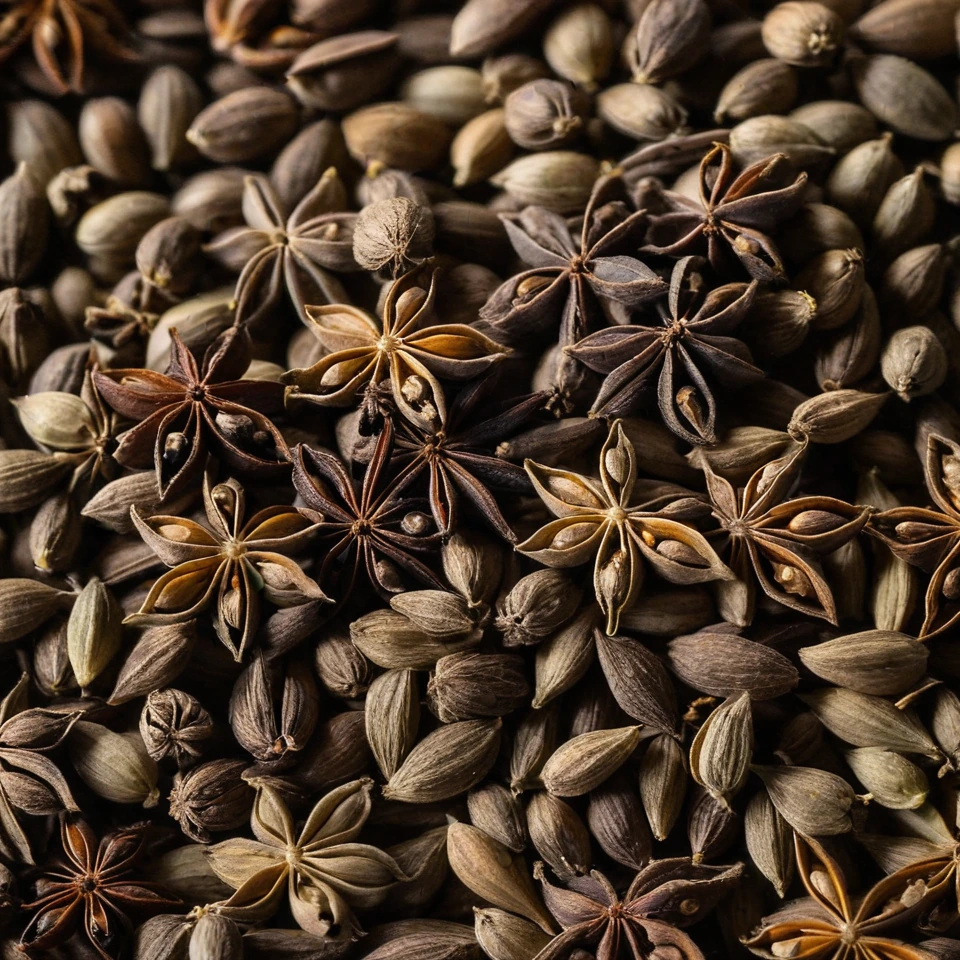
Anise Seeds
Anise seeds are small, oval seeds with a sweet, licorice-like flavor. They are commonly used in both sweet and savory dishes, offering a warm, aromatic taste.
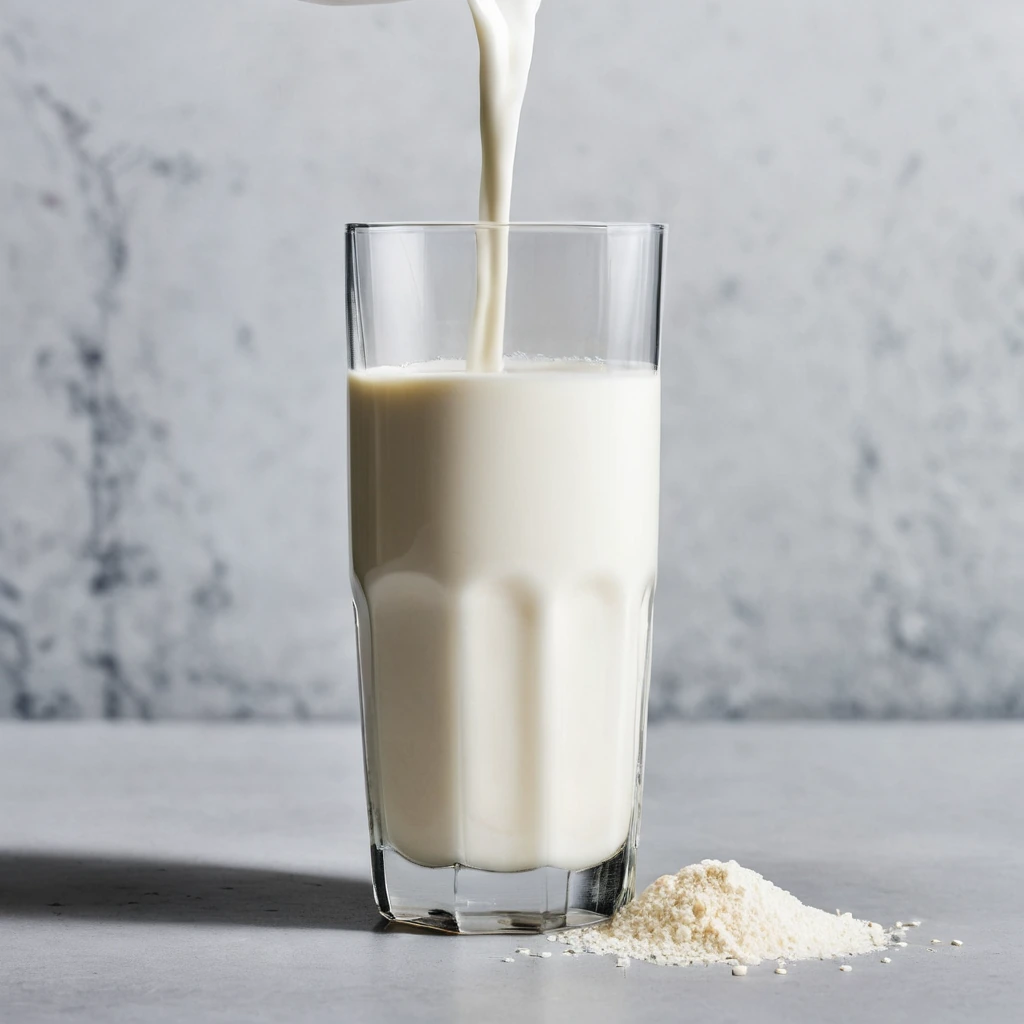
2% Milk
Creamy and just a touch lighter than whole milk, 2% milk offers a perfect balance of richness and reduced fat. Its smooth texture and subtle sweetness make it a delightful choice for sipping or cooking.
Recipes to try

Lemon Raspberry Cheesecake Parfaits
Creamy layers of lemon cheesecake meet tangy raspberry swirls in a delightful parfait that's as pretty as it is delicious.
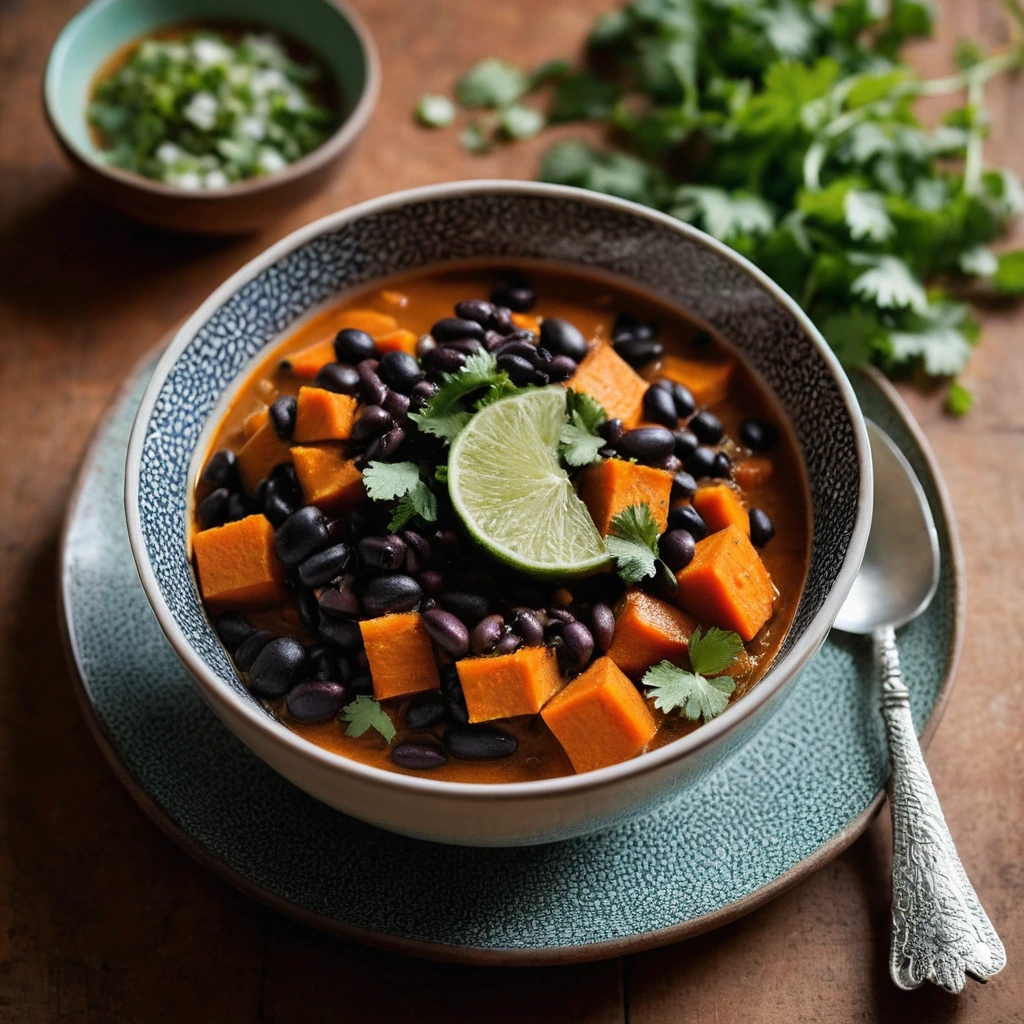
Smoky Sweet Potato and Black Bean Stew
Hearty and deeply flavorful, this stew is a comforting hug in a bowl with smoky spices and tender sweet potatoes.