Grain Technique: Steaming Rice After Cooking for Fluffier Texture
Achieving perfectly fluffy rice can seem like a culinary mystery, but with the right technique, you can elevate your rice game to new heights. The secret lies in steaming the rice after it's cooked. This method allows the rice grains to finish cooking in their own steam, resulting in a tender yet separate texture that is the hallmark of professional-level rice. Contrary to simply letting the rice sit covered after cooking, this technique involves a brief period of active steaming that ensures even moisture distribution and prevents the rice from becoming mushy. Here, we delve into the science behind this method, explore the precise steps to follow, and address common pitfalls to ensure your rice is consistently fluffy and delightful.
Notes
The science behind steaming rice post-cooking lies in the gradual absorption of moisture and the gentle heat that allows the grains to expand fully without breaking down. This method mimics the traditional Japanese technique of 'nakagami,' where rice is allowed to rest and steam, enhancing its texture. Common mistakes include overcooking the rice initially or leaving it to steam for too long, which can lead to a gummy texture. To troubleshoot, ensure your rice is just tender when you start steaming. For safety, always use oven mitts when handling hot cookware. Prepared rice can be stored in an airtight container in the refrigerator for up to 3 days. Reheat gently with a splash of water to restore moisture.
Steps
- 1 Cook your rice according to package instructions or your preferred method until just tender.
- 2 Remove the pot from the heat immediately after the rice is done cooking.
- 3 Place a clean kitchen towel or paper towel over the surface of the rice to absorb excess moisture.
- 4 Cover the pot with its lid to trap the steam inside.
- 5 Let the rice steam undisturbed for exactly 10 minutes.
- 6 After steaming, remove the towel or paper towel carefully to avoid burns.
- 7 Gently fluff the rice with a fork, separating the grains to release excess steam.
- 8 Serve immediately for the best texture.
Ingredients to explore

Andouille Sausage
Andouille sausage is a coarse-grained, smoked pork sausage with a rich history rooted in French cuisine, particularly from the Alsace region. It was adapted in Louisiana, where it became a staple in Cajun and Creole cooking. The sausage is known for its robust, smoky flavor with hints of garlic, pepper, and other spices, creating a spicy and savory profile. Its texture is firm yet slightly chewy, making it a hearty addition to dishes. When cooked, andouille sausage maintains its shape well and infuses dishes with its distinctive smoky essence, enhancing stews, soups, and rice dishes.
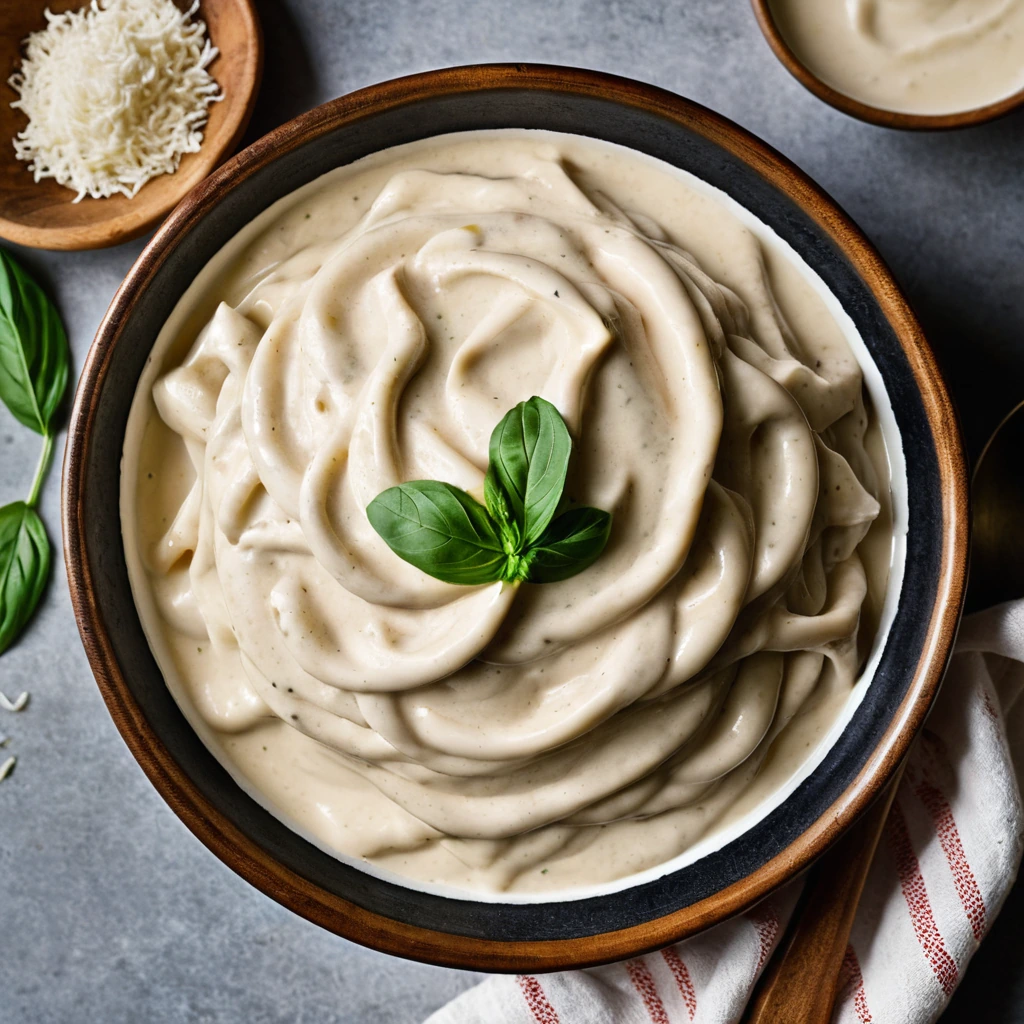
Alfredo Sauce
Creamy, rich, and utterly indulgent, Alfredo sauce is a dreamy blend of butter, heavy cream, and Parmesan cheese. Its velvety texture and savory depth make it a beloved staple in Italian-American cuisine.
Recipes to try
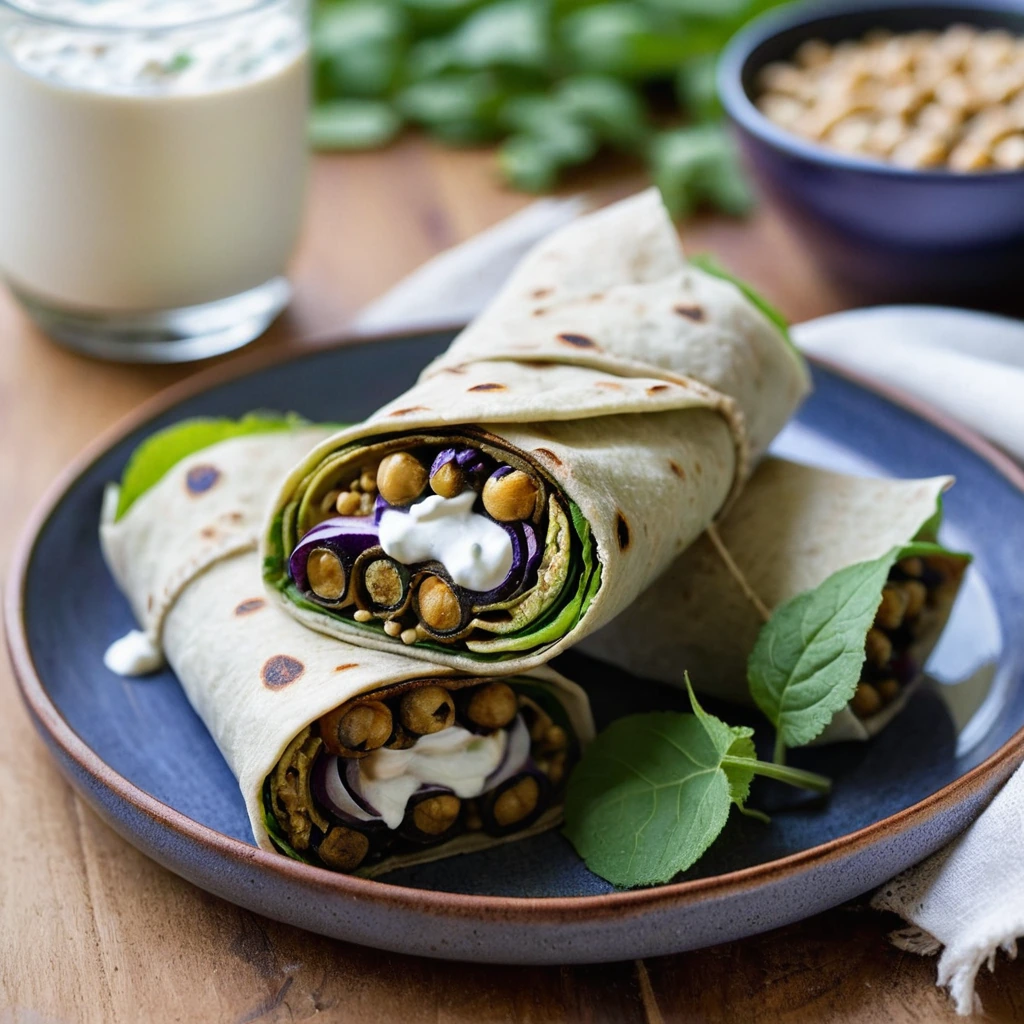
Roasted Eggplant and Chickpea Wraps with Yogurt
Creamy yogurt swirls with smoky roasted eggplant and hearty chickpeas, all wrapped in a warm tortilla for a veggie-packed meal.
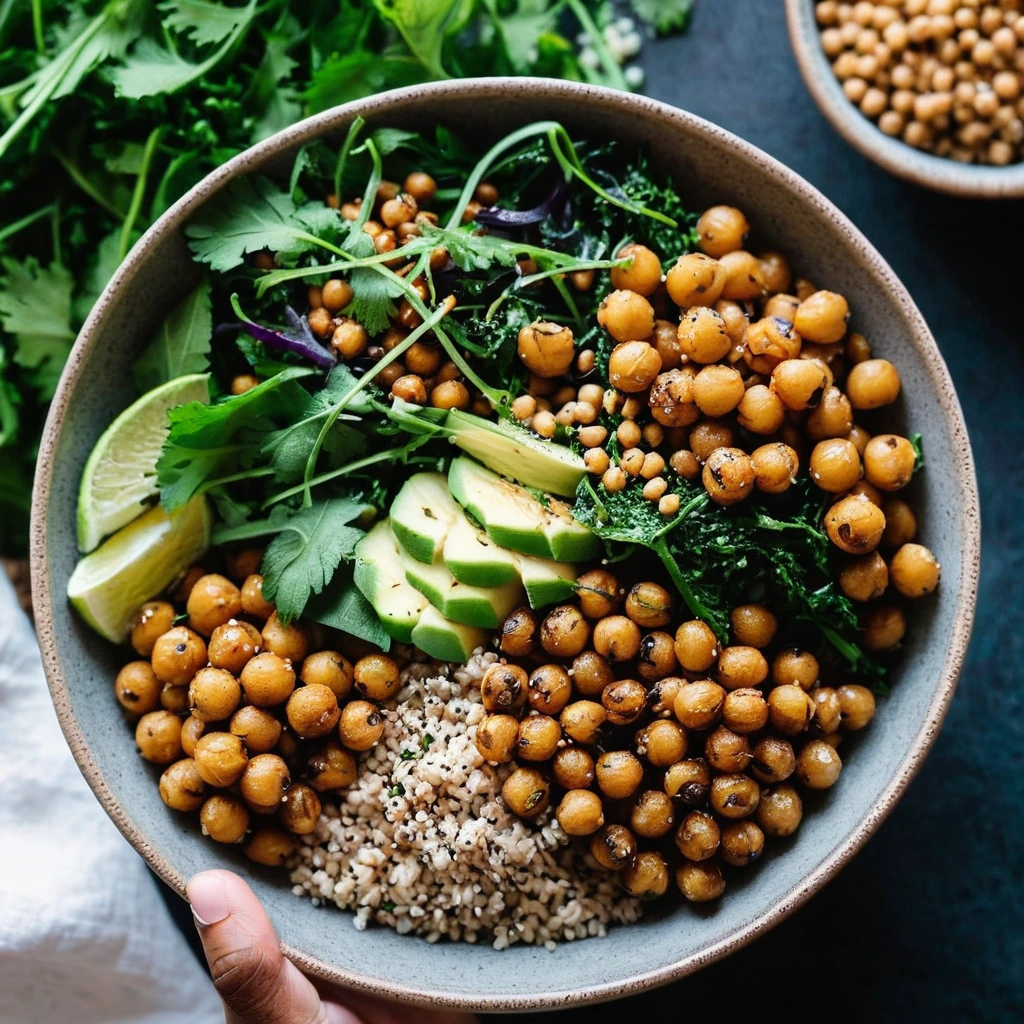
Spicy Sesame Roasted Chickpea Grain Bowls
Crispy, spicy chickpeas meet fluffy grains in a vibrant bowl that'll have your taste buds cheering for more.