Grain Technique: Simmering Grits Low and Slow for Ultra Creaminess
Simmering grits low and slow is a transformative technique that yields a pot of ultra-creamy, melt-in-your-mouth goodness. This method isn't just about cooking grits; it's about coaxing out their full potential. By maintaining a gentle heat and stirring occasionally, you encourage the starches to release and create a luscious texture that's far superior to the often grainy results of quicker methods. Let's dive into the science and art of this technique to elevate your breakfast game or Southern-style brunch. When you simmer grits low and slow, you give them ample time to absorb liquid and swell gently. This gradual process avoids the harsh agitation that can lead to a gummy or gritty texture. The key is patience; rushing the process will not yield the same creamy results. As the grits cook, they release starch, which acts as a natural thickener, creating that sought-after velvety mouthfeel. Stirring is crucial but should be done with care to avoid breaking down the grits too much, striking the perfect balance between creaminess and integrity. Achieving this texture is akin to making a risotto; both rely on the gentle coaxing of starches. Understanding the nuances of heat control is paramount. Too high, and you risk scorching the bottom layer; too low, and the grits may not cook through properly. The ideal simmer is a gentle bubble that barely disturbs the surface. Adding liquid in stages helps maintain the right consistency, ensuring that the grits have just enough to work with. Seasoning is important, too—don't forget to salt your cooking liquid as you would with pasta. Finally, finishing your grits with a swirl of butter or a drizzle of cream can elevate their richness even further. Simmering grits low and slow is a labor of love, but the payoff is a dish that's truly exceptional.
Notes
The science behind simmering grits low and slow lies in the gradual hydration and swelling of the grits' starch granules. This process releases starches, creating a creamy consistency without the need for artificial thickeners. Common mistakes include using too high of heat, which can lead to scorching or a gummy texture, and insufficient stirring, which can result in lumps. For safety, always use a heavy-bottomed pot to distribute heat evenly and prevent burning. Grits can be made ahead and stored in an airtight container in the fridge for up to 5 days. Reheat with a bit of liquid to restore creaminess.
Steps
- 1 Measure 1 cup of stone-ground grits.
- 2 Bring 4 cups of water or milk to a gentle simmer in a heavy-bottomed pot.
- 3 Add a generous pinch of salt to the simmering liquid.
- 4 Slowly whisk in the grits to avoid clumps.
- 5 Reduce the heat to low and maintain a gentle simmer.
- 6 Cook, stirring occasionally, for about 45 to 60 minutes.
- 7 Monitor the consistency, adding more liquid if necessary to achieve desired creaminess.
- 8 Taste and adjust seasoning as needed.
- 9 Remove from heat and let sit for 2 minutes.
- 10 Stir in 2 tablespoons of butter or a splash of heavy cream for extra richness.
- 11 Serve immediately for best texture.
Ingredients to explore
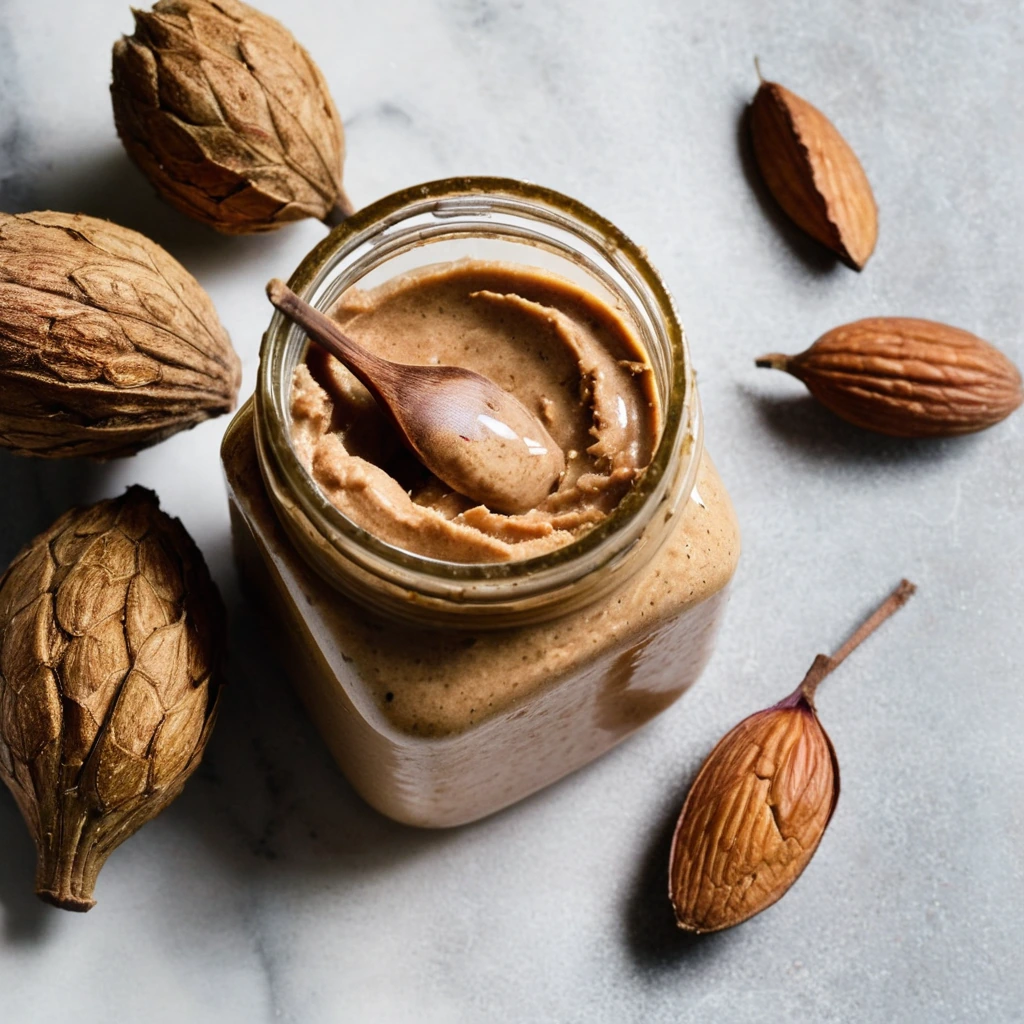
Almond Butter
A velvety, nutty spread crafted from finely ground almonds, offering a rich and satisfying flavor that's both comforting and indulgent.
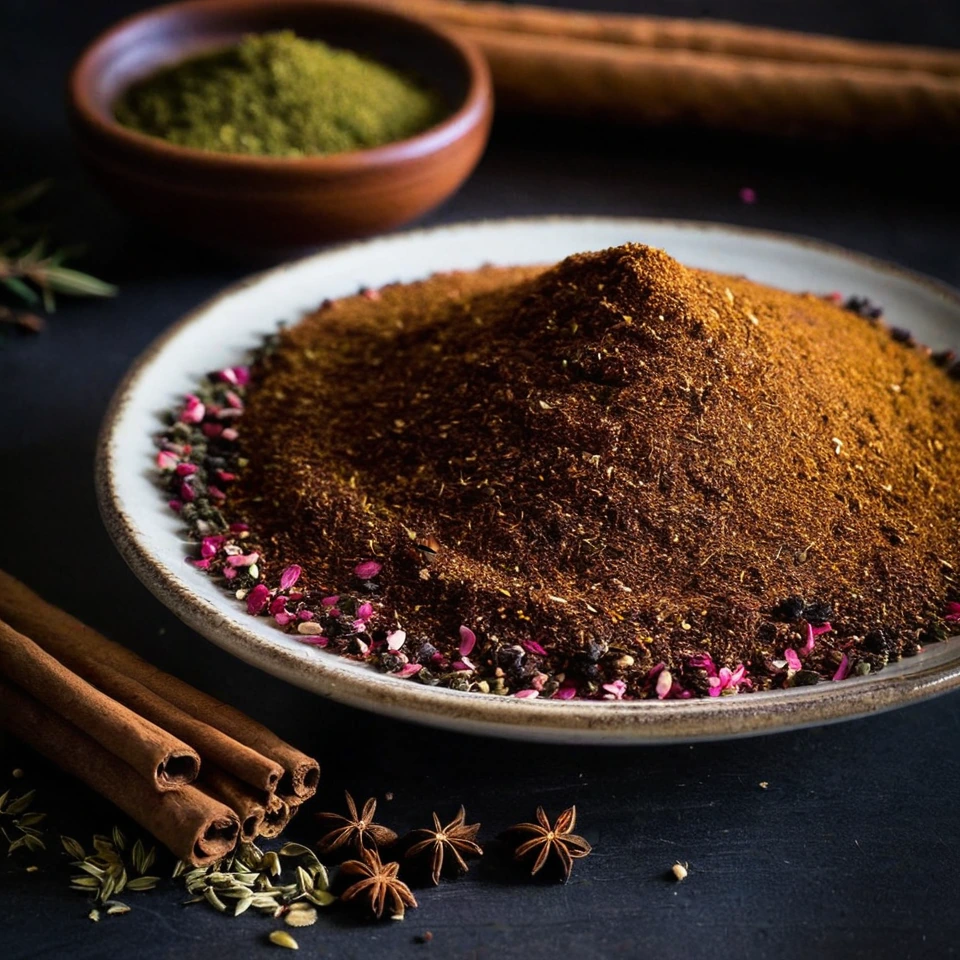
Advieh (Persian Spice Blend)
Advieh is a fragrant Persian spice blend that boasts a complex aroma of warm cinnamon, earthy cumin, and floral hints of rose and saffron. Its texture is finely ground, making it easy to incorporate into dishes. Originating from the rich culinary traditions of Iran, advieh adds depth and sophistication to both savory and sweet recipes. Its unique combination of spices reflects the historical spice trade routes that influenced Persian cuisine.
Recipes to try

Sheet Pan Chicken Tikka with Garlic Potatoes
Juicy chicken and golden potatoes roasted to perfection on one sheet pan, infused with smoky tikka spices and garlicky goodness.
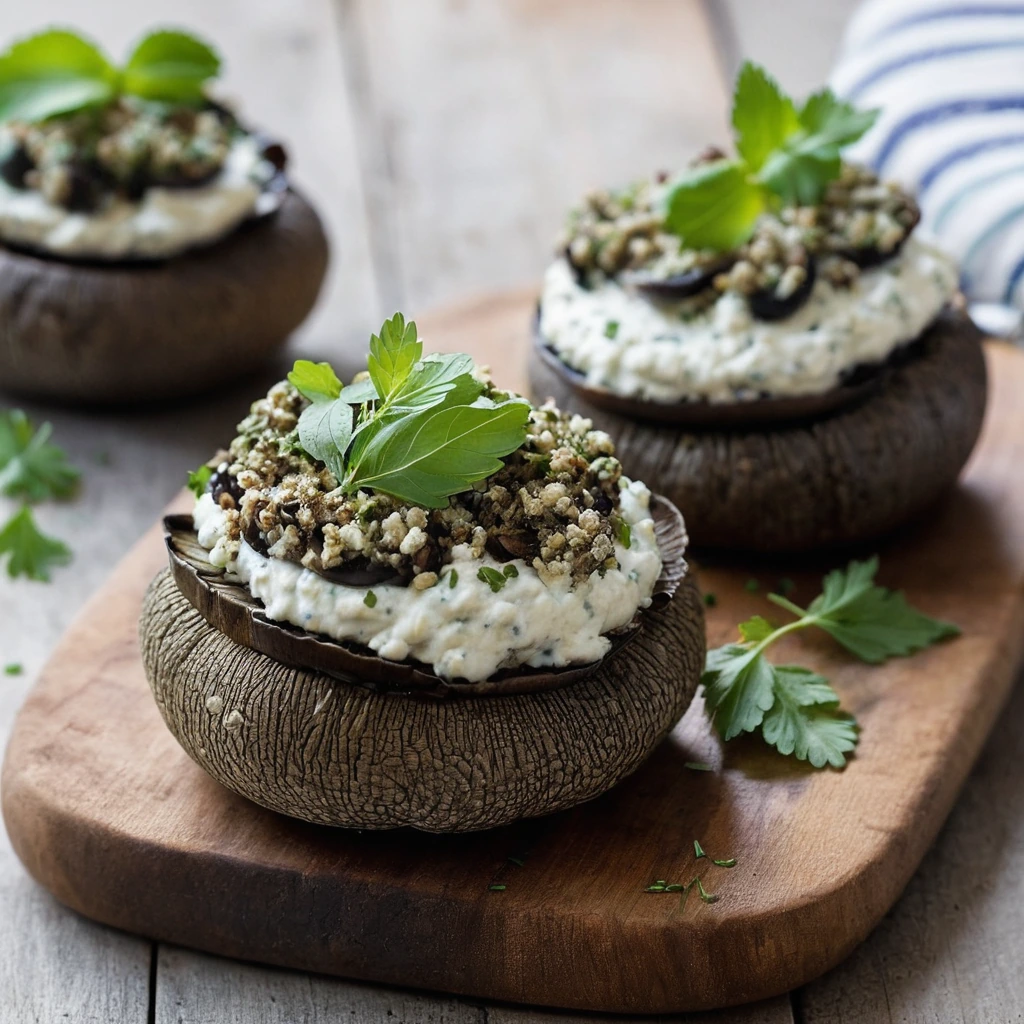
Stuffed Portobello Mushrooms with Herbed Ricotta
These earthy portobello mushrooms are stuffed with a creamy, herbed ricotta mixture, offering a satisfying vegetarian delight that's both elegant and easy.