Grain Technique: Crisping Cooked Gnocchi in a Skillet with Butter
Achieving the perfect crispy exterior on gnocchi is an art that transforms an ordinary dish into something extraordinary. This technique is all about harnessing the power of high heat and butter to create a golden, crunchy crust on your pillowy gnocchi. The key to success lies in ensuring the gnocchi is adequately drained and fully cooked before hitting the skillet. This method not only adds texture but also infuses the gnocchi with rich, buttery flavor. The Maillard reaction is your friend here, as it contributes to that sought-after browning and complexity of taste. This technique works beautifully whether you’re serving gnocchi as a main course or a side dish, elevating its appeal with minimal effort. Understanding the balance between heat, timing, and moisture is crucial to avoid soggy or overly browned gnocchi. Let’s dive into the steps to make sure you get it right every time.
Notes
The science behind crisping gnocchi lies in the Maillard reaction, where amino acids and reducing sugars in the presence of heat create new flavor compounds and browning. Ensuring your gnocchi are dry before cooking is crucial for this reaction to occur effectively. A common mistake is overcrowding the skillet, which lowers the temperature and steams rather than crisps the gnocchi. Another pitfall is using butter that’s too cold, which can lead to uneven browning. For safety, always use oven mitts when handling hot skillets. To make ahead, crisp the gnocchi and store in a single layer on a baking sheet, then reheat in a 350°F oven for 5-10 minutes before serving.
Steps
- 1 Cook gnocchi according to package instructions until they float to the surface.
- 2 Immediately transfer gnocchi to a clean kitchen towel and pat dry thoroughly.
- 3 Allow gnocchi to rest for 5 minutes to ensure maximum moisture removal.
- 4 Heat a large skillet over medium-high heat until hot.
- 5 Add 2 tablespoons of unsalted butter to the skillet, allowing it to melt and foam.
- 6 Arrange gnocchi in a single layer in the skillet, ensuring they don’t overlap.
- 7 Cook for 2-3 minutes undisturbed, until golden brown on the bottom.
- 8 Gently flip each piece of gnocchi with a spatula and cook for another 2-3 minutes.
- 9 Adjust heat as necessary to maintain a sizzle without burning.
- 10 Optional: Add grated Parmesan or fresh herbs during the last minute of cooking for extra flavor.
- 11 Transfer crispy gnocchi to a serving plate immediately to prevent overcooking.
- 12 Season with salt and pepper to taste.
- 13 Serve immediately for best texture and flavor.
Ingredients to explore
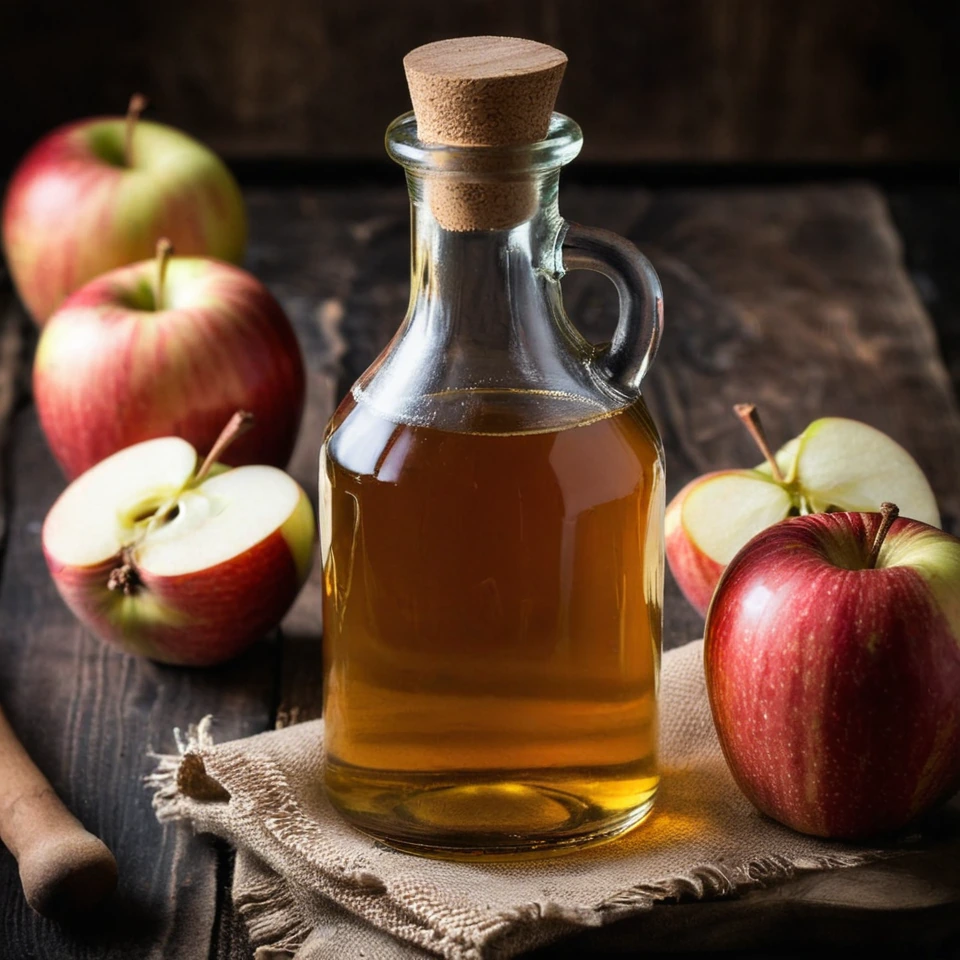
Apple Cider Vinegar
Apple cider vinegar is a type of vinegar made through the fermentation of apple cider, resulting in a tangy, slightly sweet liquid with a pale to medium amber color.
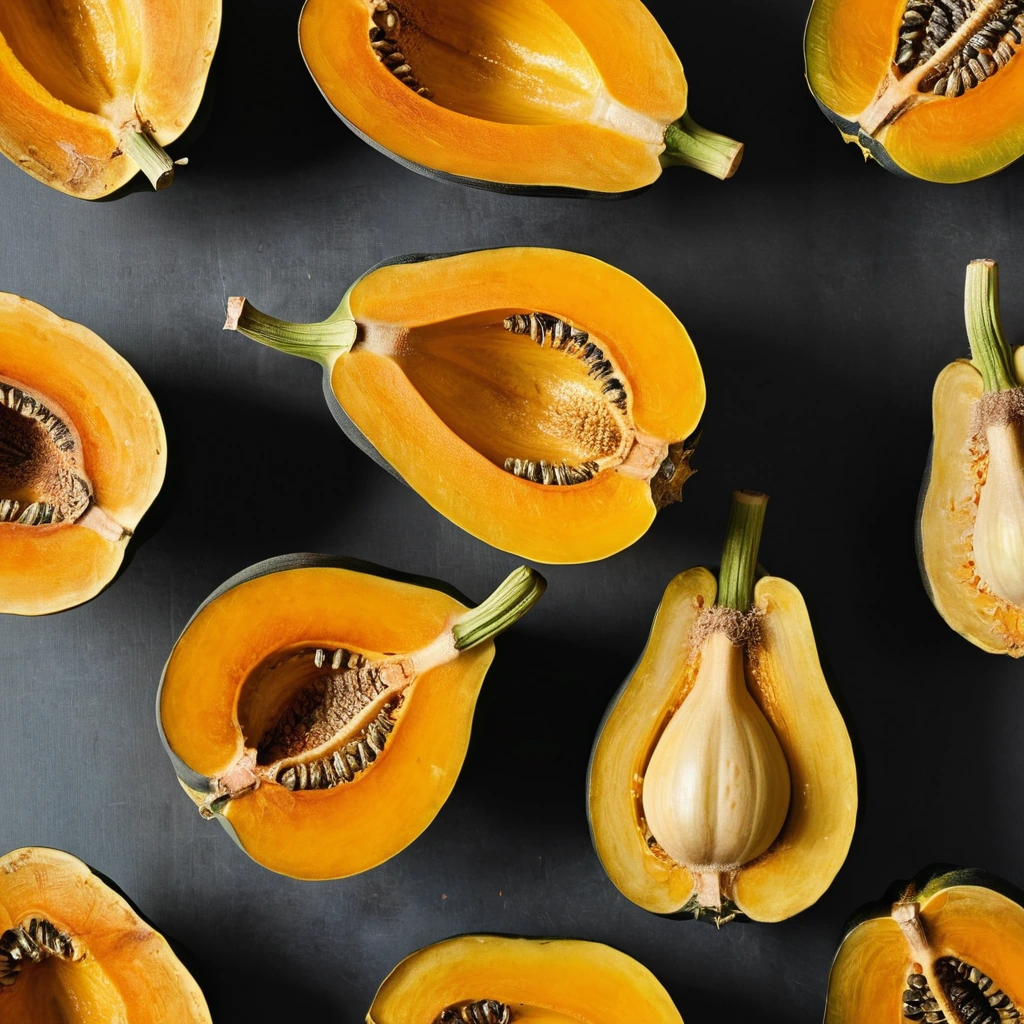
Acorn Squash
Acorn squash is a winter squash variety known for its distinctive teardrop shape and deep ridges resembling the texture of an acorn shell. Originating in the Americas, it has been cultivated for centuries and is a staple in autumn cuisine. The flesh is sweet and nutty with a hint of earthiness, offering a delightful contrast to savory dishes. Its texture is dense yet tender when cooked, making it ideal for roasting or pureeing. In cooking, acorn squash holds its shape well and absorbs flavors from herbs and spices, enhancing both its taste and versatility in recipes.
Recipes to try

Pumpkin Spice Cheesecake Swirl Brownies
Indulge in the cozy combo of fudgy brownies with a creamy pumpkin cheesecake swirl - autumn's dream dessert come to life.
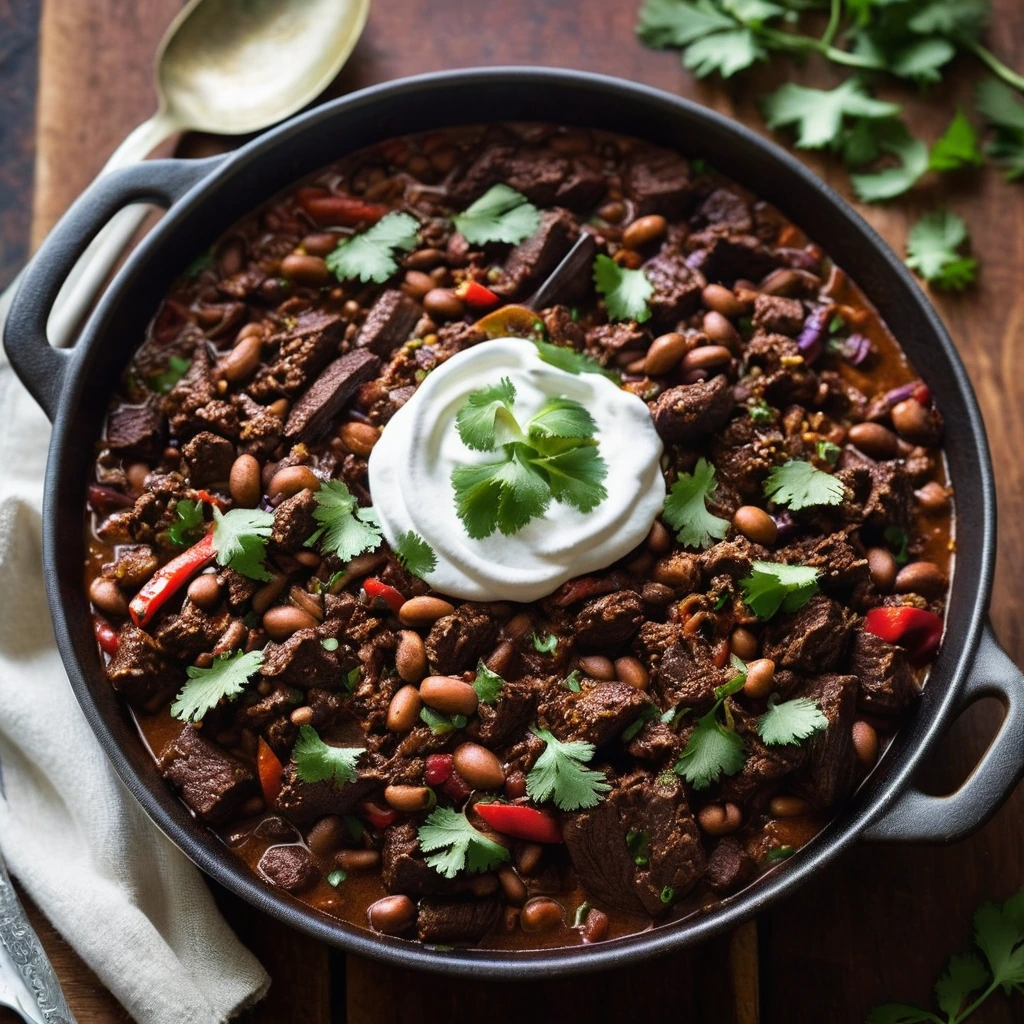
Smoky Ancho Chili Beef and Bean Skillet
Rich, smoky, and deeply satisfying, this skillet dish combines tender beef with hearty beans for a comforting meal.