Global: Building a Basic Thai Red Curry
Creating a basic Thai red curry is an art that balances the fiery kick of chilies with the aromatic allure of spices and herbs. The heart of this dish lies in the curry paste, a vibrant red concoction that sets the flavor foundation. Fresh red chilies, lemongrass, galangal, and kaffir lime leaves are key players, delivering a symphony of heat, citrus, and earthiness. Coconut milk is the soothing counterpart, taming the spice while adding richness. Thai red curry is versatile, welcoming proteins like chicken, beef, or tofu, and vegetables such as bamboo shoots, eggplant, or bell peppers. Achieving the right balance requires patience and attention to detail. The cooking process transforms raw ingredients into a harmonious, fragrant stew that warms both body and soul. Understanding the role of each component ensures that your curry is neither too spicy nor too bland, striking the perfect balance that embodies Thai cuisine. This technique will guide you through creating an authentic Thai red curry that impresses with its depth of flavor and complexity.
Notes
The science behind Thai red curry lies in the balance of heat and creaminess. The chilies release capsaicin, which creates the curry's signature heat, while coconut milk's fats help to distribute the flavors evenly. To avoid common mistakes, always toast and grind your spices fresh to maximize aroma. Be cautious with the amount of shrimp paste; too much can overpower the dish with an intense fishiness. For safety, handle chilies with care to avoid skin irritation, and never use metal utensils on a non-stick pan to prevent damage. This curry can be made ahead; store it in an airtight container in the fridge for up to 3 days or freeze for up to a month.
Steps
- 1 Toast coriander seeds, cumin seeds, and white peppercorns in a dry skillet over medium heat for 2-3 minutes until fragrant.
- 2 Grind the toasted spices into a fine powder using a spice grinder or mortar and pestle.
- 3 In a blender or food processor, combine fresh red chilies, lemongrass, galangal, garlic, shallots, shrimp paste, and the ground spices.
- 4 Pulse the mixture while slowly adding coconut milk until you achieve a smooth paste.
- 5 Heat 2 tablespoons of oil in a large pot or pan over medium heat.
- 6 Add the curry paste and sauté for 3-4 minutes, stirring constantly, until fragrant and oil separates.
- 7 Pour in the remaining coconut milk, stirring well to combine.
- 8 Bring the mixture to a gentle simmer and cook for 10 minutes to allow flavors to meld.
- 9 Add your choice of protein and cook until nearly done.
- 10 Stir in vegetables and cook until tender, about 5-7 minutes.
- 11 Season with fish sauce and palm sugar to taste, adjusting for saltiness and sweetness.
- 12 Stir in kaffir lime leaves and remove from heat just before serving.
- 13 Serve hot with steamed jasmine rice.
Ingredients to explore
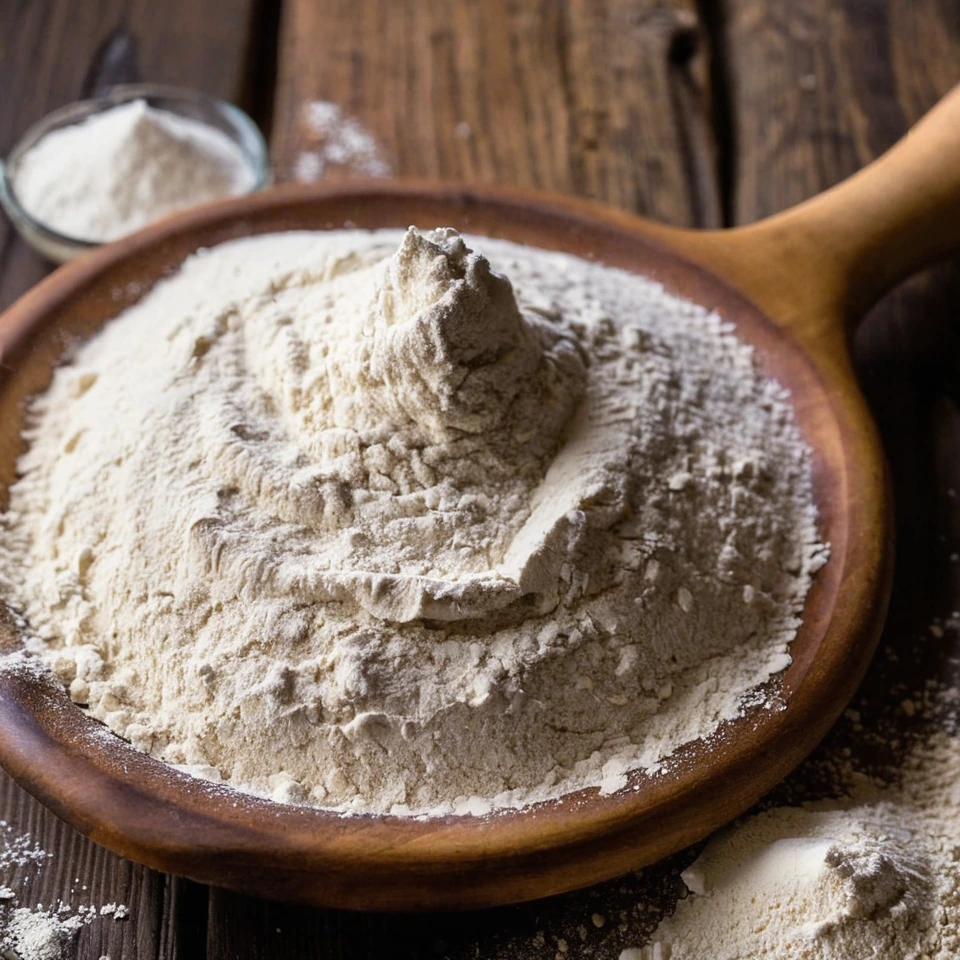
All-Purpose Flour
All-purpose flour is a versatile wheat flour that contains a moderate level of protein and gluten, making it suitable for a wide range of baking and cooking needs.
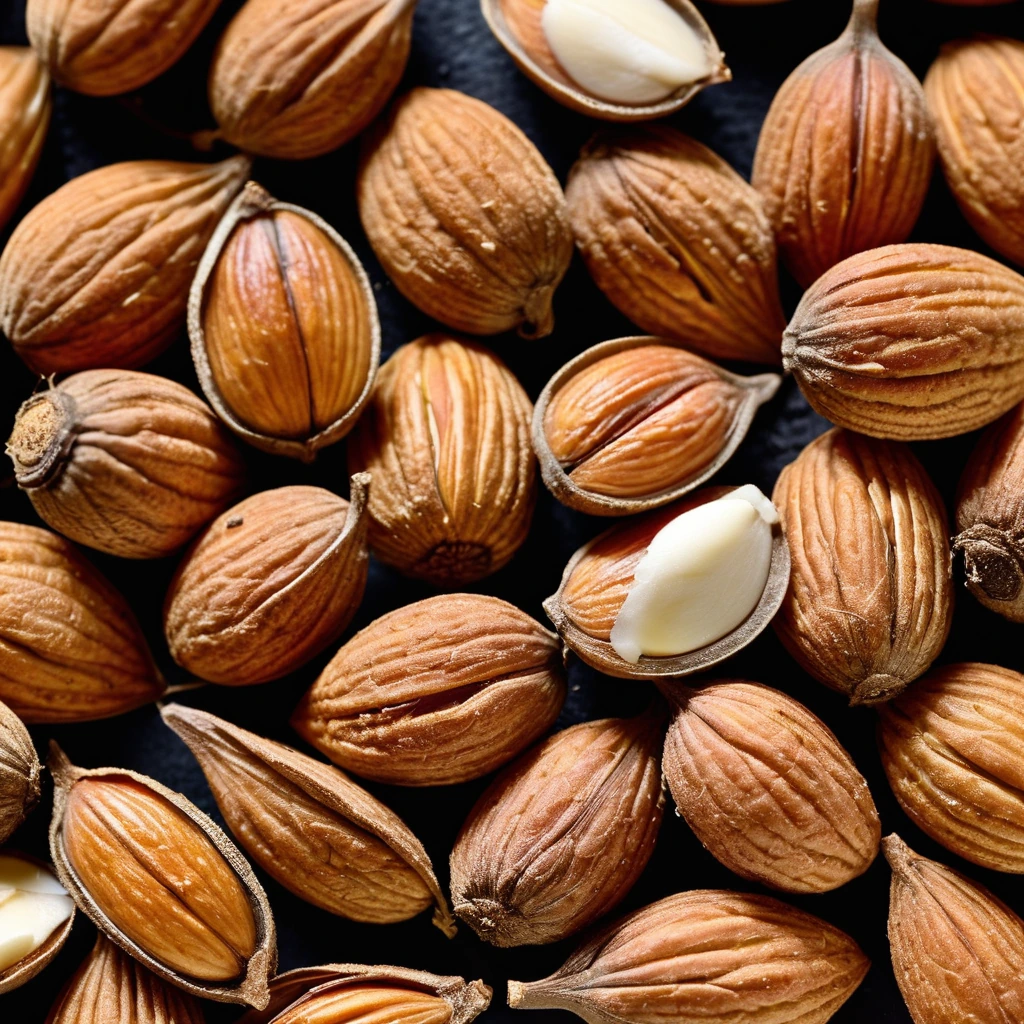
Almond Extract
A fragrant, golden elixir that captures the essence of freshly ground almonds, almond extract is a pantry staple that brings a rich, nutty aroma to your culinary creations.
Recipes to try

Sweet Potato and Black Bean Loaded Nachos
Crispy tortilla chips piled high with roasted sweet potatoes, black beans, and melty cheese, all topped with fresh cilantro and a zesty lime kick.
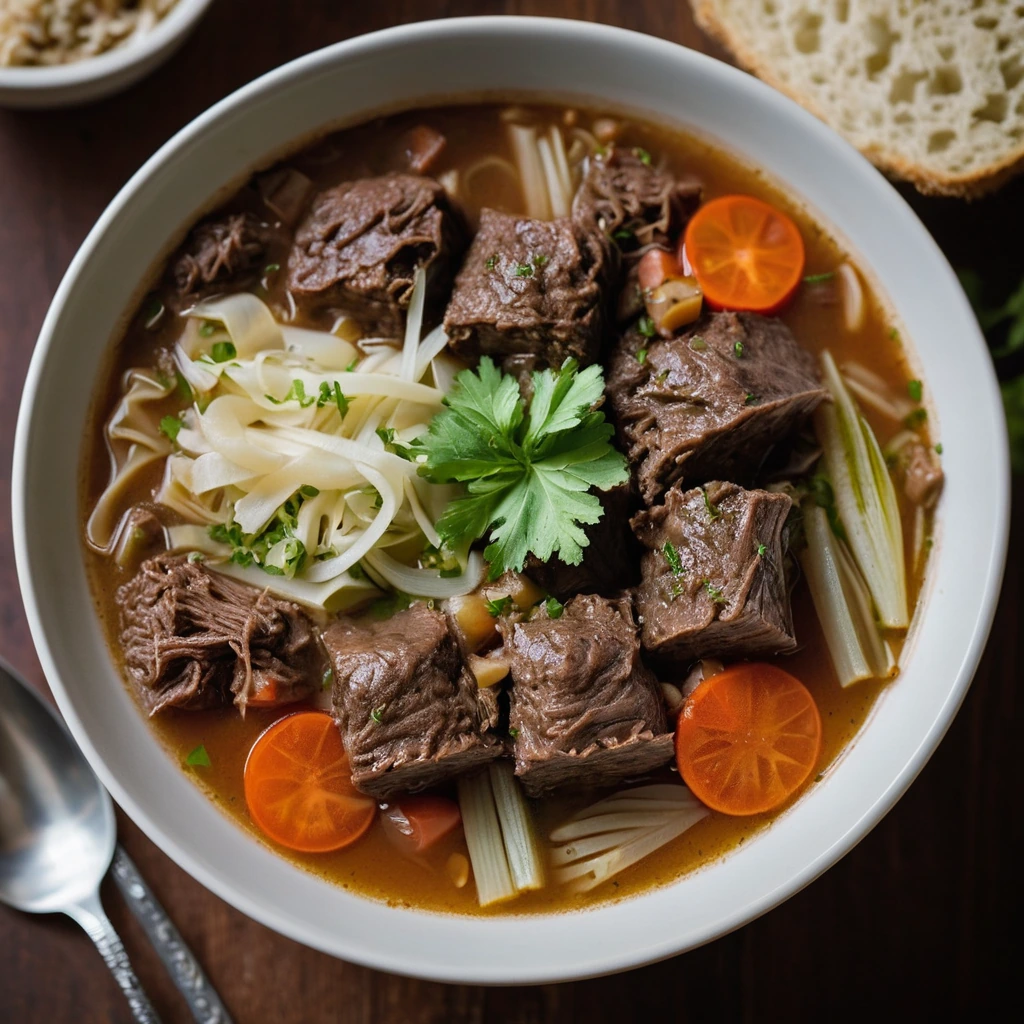
Stuffed Cabbage Roll Inspired Beef Soup
Warm up with this hearty soup that nods to classic stuffed cabbage rolls, brimming with tender beef and savory broth.