Flavor & Seasoning: Using Umami Ingredients to Boost Savory Notes
Unlocking the fifth taste, umami, can transform your cooking from good to gourmet. Often described as savory or meaty, umami is present in a variety of ingredients that can elevate your dishes. Understanding how to harness umami is crucial for any home cook looking to add depth and complexity to their meals. Classic umami-rich ingredients include soy sauce, miso paste, Parmesan cheese, mushrooms, and tomatoes. These ingredients naturally contain glutamate, an amino acid that stimulates our taste buds, creating that satisfying savory sensation. By incorporating umami ingredients into your cooking, you can reduce the need for excess salt, making your dishes healthier without sacrificing flavor. The key is knowing where and how to use these ingredients effectively. Whether you're making a simple pasta sauce, a hearty stew, or a quick stir-fry, umami ingredients can act as a secret weapon in your culinary arsenal. This technique dives into the nuances of using umami to enhance your dishes, providing a deeper understanding of how to balance flavors and create dishes that are irresistibly delicious.
Notes
Understanding the science of umami involves recognizing its role in enhancing other flavors. Glutamate, the primary compound responsible for umami, binds to receptors on our tongue, amplifying savory notes. A common mistake is overusing umami ingredients, which can overpower a dish. Start with small amounts and adjust to taste. Safety is generally not a concern with umami ingredients, but always check expiration dates and ensure proper storage, especially for perishable items like fresh mushrooms or cheeses. Many umami ingredients, like dried mushrooms or miso paste, can be stored for extended periods, making them ideal for meal prep. Fresh ingredients like tomatoes should be used when ripe for the best flavor. Store umami-boosted dishes in airtight containers in the refrigerator for up to 4 days.
Steps
- 1 Start by tasting your base ingredients to understand their natural umami potential.
- 2 Add a splash of soy sauce or fish sauce to soups, stews, and marinades for an instant umami boost.
- 3 Incorporate Parmesan or other aged cheeses into sauces and casseroles for richness.
- 4 Sauté mushrooms to release their natural umami compounds into your dishes.
- 5 Use tomato paste in braises and sauces to deepen flavor profiles.
- 6 Whisk miso paste into dressings, soups, or glazes for a complex savory note.
- 7 Finish dishes with a sprinkle of nutritional yeast for a vegan-friendly umami kick.
- 8 Experiment with anchovies in small amounts to enhance the savoriness of sauces and dressings.
- 9 Balance umami with acidity, sweetness, and bitterness to create a harmonious flavor profile.
Ingredients to explore
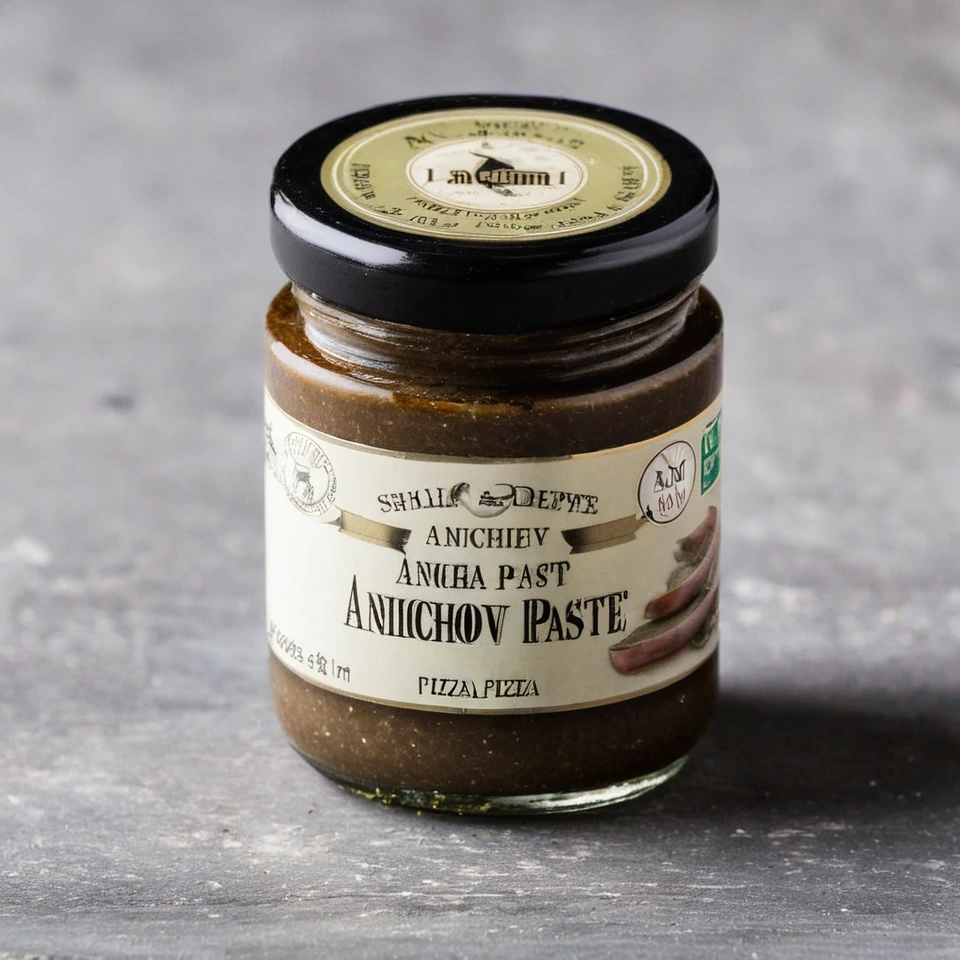
Anchovy Paste
Anchovy paste is a rich, salty spread made from finely ground anchovies, salt, and sometimes olive oil. It offers a deep umami flavor that enhances a variety of dishes.
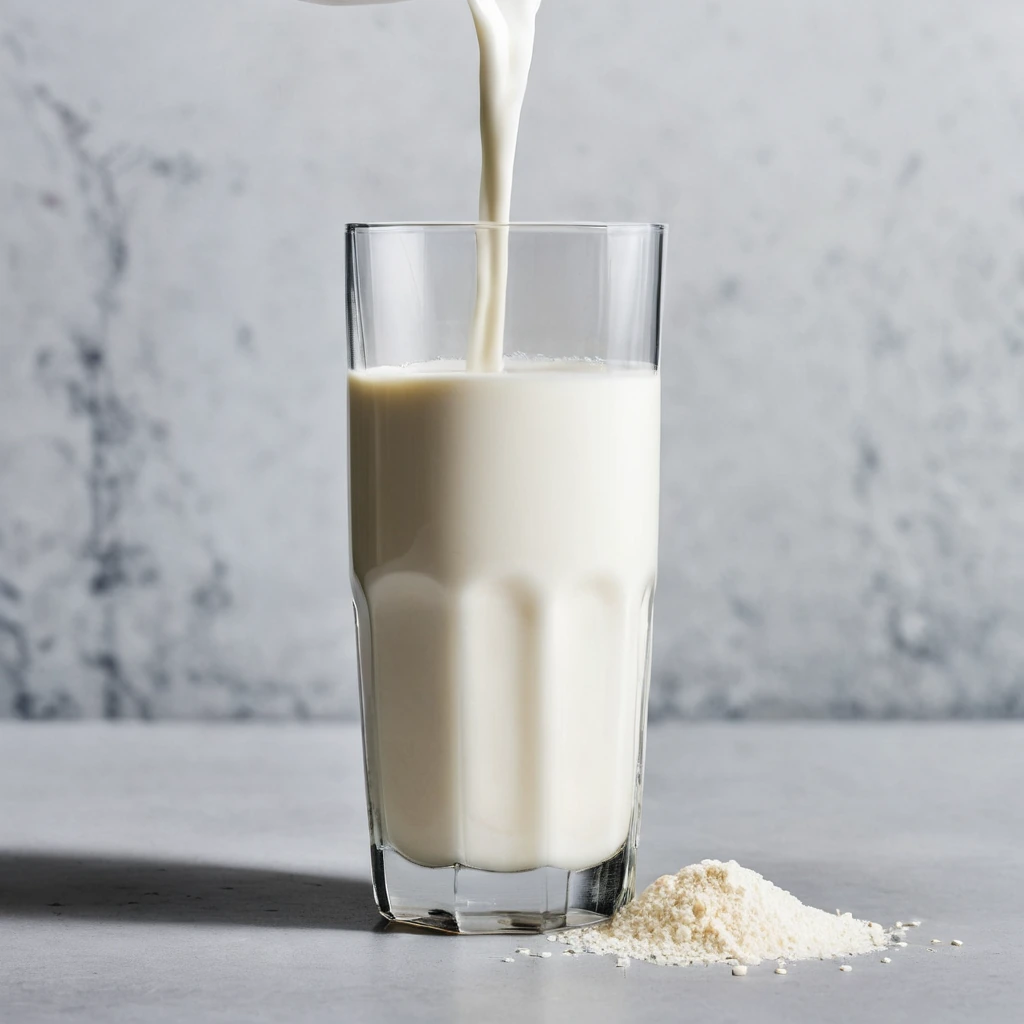
2% Milk
Creamy and just a touch lighter than whole milk, 2% milk offers a perfect balance of richness and reduced fat. Its smooth texture and subtle sweetness make it a delightful choice for sipping or cooking.