Flavor & Seasoning: Using Spice Pastes vs Dry Rubs
When it comes to enhancing the flavor of your dishes, spice pastes and dry rubs are two powerhouse techniques that can elevate your cooking to new heights. Spice pastes are aromatic blends of ground spices mixed with wet ingredients like oil, vinegar, or citrus juice, creating a thick, flavorful mixture. They're ideal for marinating proteins or as a base for sauces and soups. Dry rubs, on the other hand, are a mix of dry spices and herbs, often including salt and sugar, which form a crust when applied to meats before grilling or roasting. Each technique offers unique advantages, from the deep penetration of flavors with pastes to the crispy, seasoned crust of dry rubs. Understanding when and how to use each can transform your dishes. Spice pastes are perfect for dishes where you want the spices to meld and infuse deeply into the food, like curries or stews. Dry rubs shine in recipes where you seek a bold surface flavor and texture, like barbecue ribs or roasted chicken. Whether you're a grilling aficionado or a curry connoisseur, mastering these techniques will arm you with versatile tools to impress your taste buds and guests alike. Dive into the world of spice pastes and dry rubs to discover how these seasoning methods can unlock layers of flavor in your cooking.
Notes
The science behind these techniques lies in their ability to enhance flavor through different means. Spice pastes work by allowing the wet mixture to penetrate the food, carrying flavor deep into the proteins. Dry rubs form a flavorful crust as the spices react to the heat, creating a Maillard reaction that enhances taste and texture. Common mistakes include using too much liquid in spice pastes, which can dilute flavor, or over-salting dry rubs. Always check seasoning levels. For safety, marinate proteins in the refrigerator to prevent bacterial growth. Spice pastes can be stored in the fridge for up to a week, while dry rubs can last months in an airtight container. Plan ahead for marinating times to maximize flavor infusion.
Steps
- 1 For spice pastes: Toast whole spices in a dry pan until fragrant.
- 2 Grind toasted spices into a fine powder using a spice grinder or mortar and pestle.
- 3 Mix ground spices with wet ingredients like oil, lemon juice, or yogurt.
- 4 Adjust consistency with water or additional oil to form a smooth paste.
- 5 For dry rubs: Combine your chosen dry spices, herbs, salt, and sugar in a bowl.
- 6 Mix thoroughly to ensure an even distribution of all ingredients.
- 7 Pat your protein dry with paper towels before applying the rub.
- 8 Coat the protein evenly with the dry rub, pressing gently to adhere.
- 9 For spice pastes: Marinate proteins for at least 30 minutes, ideally overnight.
- 10 For dry rubs: Let the seasoned protein rest for at least 1 hour before cooking.
- 11 Preheat your grill, oven, or pan to the desired temperature before cooking.
- 12 Cook proteins until they reach the correct internal temperature.
- 13 Rest the cooked proteins for 5-10 minutes before serving to retain juices.
Ingredients to explore
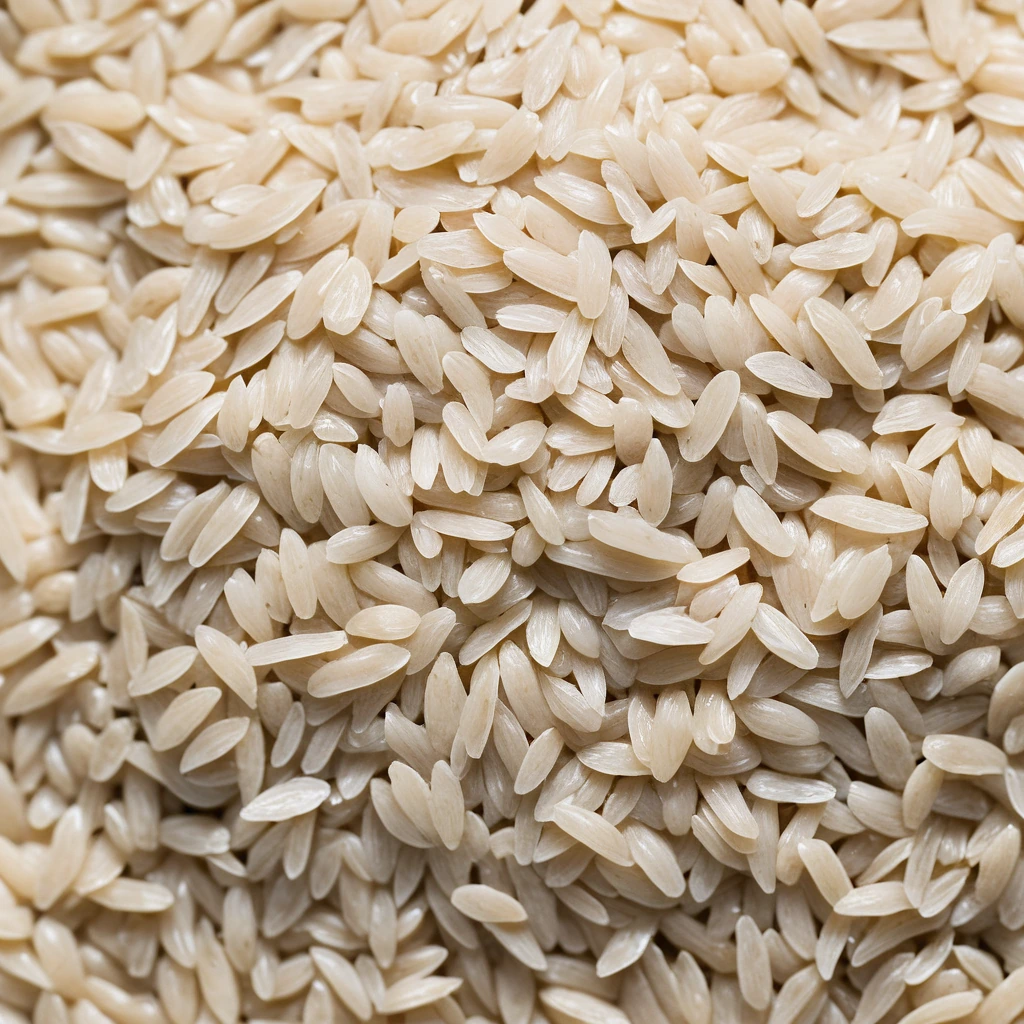
Arborio Rice
Arborio rice is a short-grain Italian rice variety renowned for its use in risotto. Originating from the Po Valley in Northern Italy, it is a staple in Italian cuisine. Its flavor is mild and nutty, with a pleasant creamy texture when cooked due to its high amylopectin content, which releases starch and creates a velvety consistency. The grains remain plump and firm to the bite, offering a satisfying chewiness. In cooking, Arborio rice excels at absorbing flavors from broths and seasonings while maintaining its shape, making it ideal for dishes that require both creaminess and structure.

Andouille Sausage
Andouille sausage is a coarse-grained, smoked pork sausage with a rich history rooted in French cuisine, particularly from the Alsace region. It was adapted in Louisiana, where it became a staple in Cajun and Creole cooking. The sausage is known for its robust, smoky flavor with hints of garlic, pepper, and other spices, creating a spicy and savory profile. Its texture is firm yet slightly chewy, making it a hearty addition to dishes. When cooked, andouille sausage maintains its shape well and infuses dishes with its distinctive smoky essence, enhancing stews, soups, and rice dishes.
Recipes to try
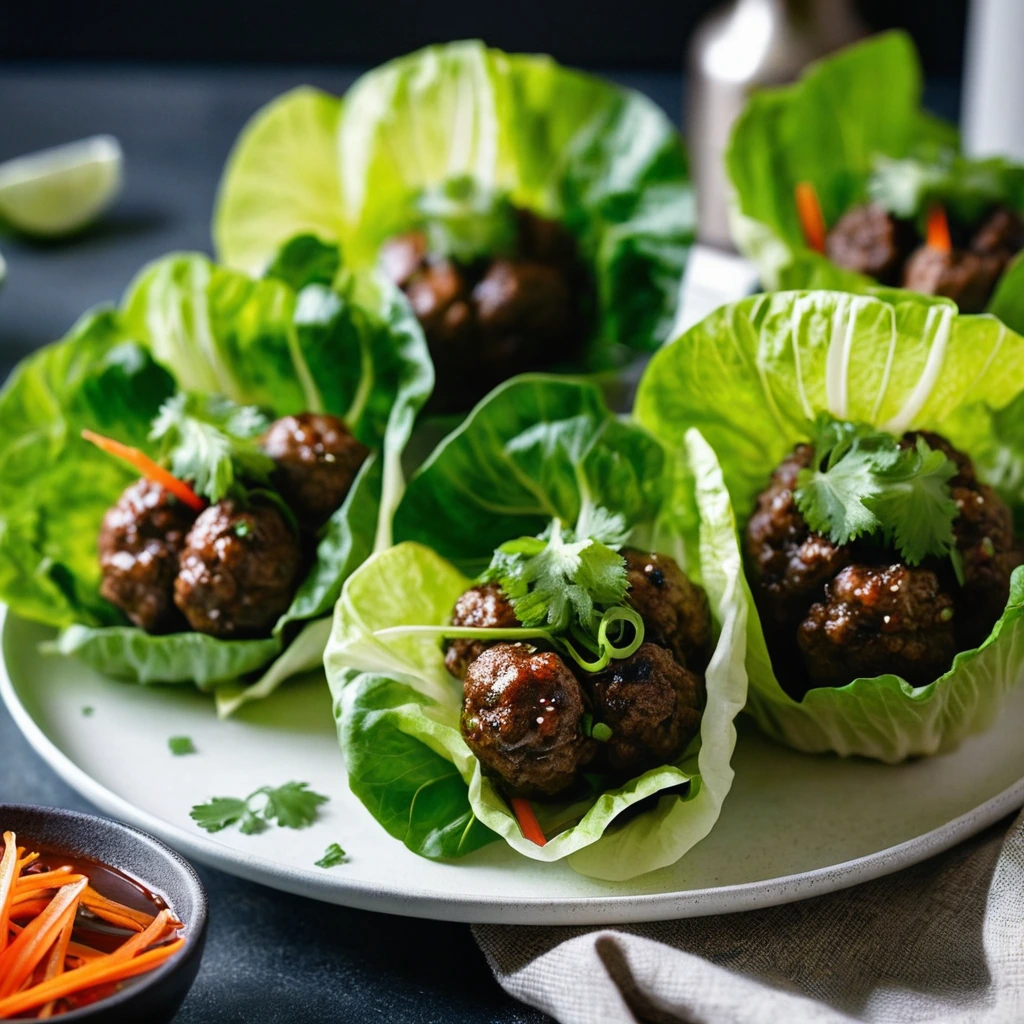
Sweet Chili Glazed Meatball Lettuce Wraps
Juicy meatballs cloaked in a sticky-sweet chili glaze, nestled in crisp lettuce cups for a flavor explosion with every bite.
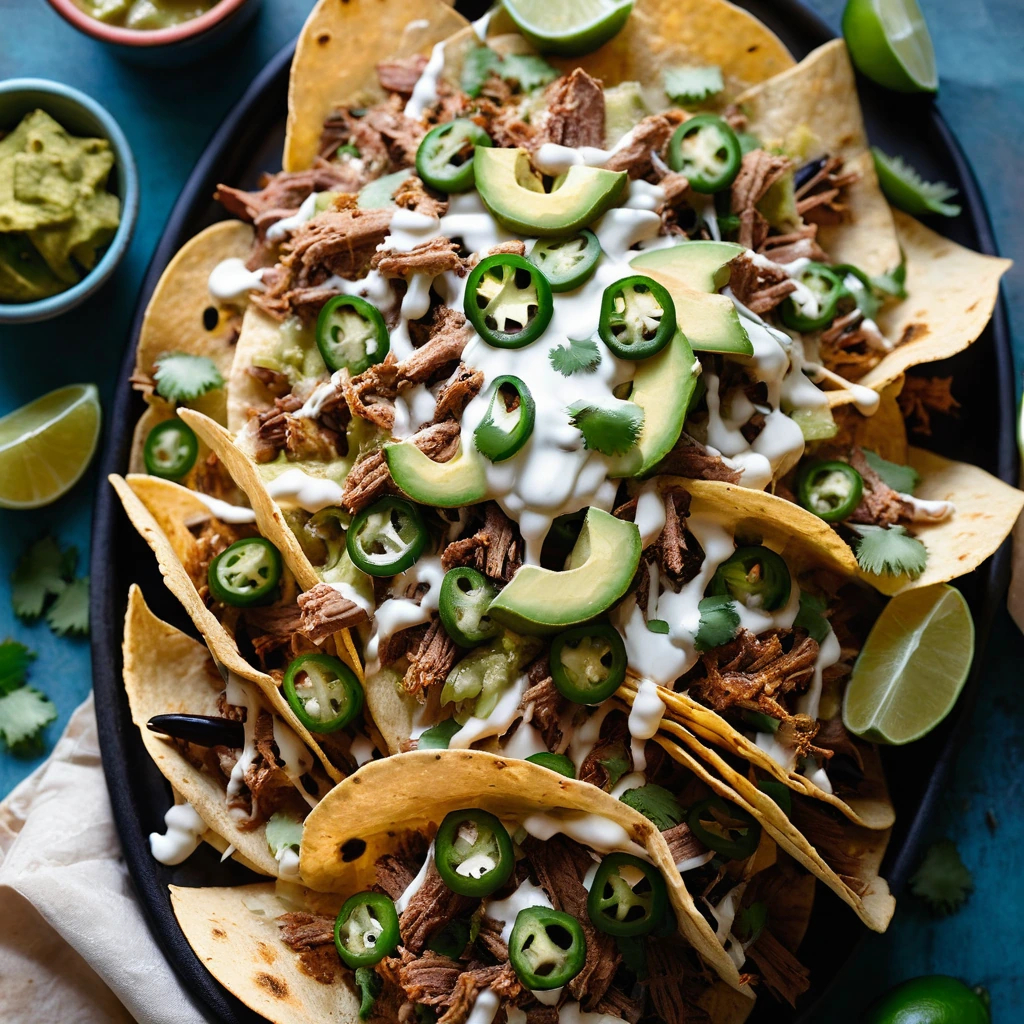
Pork Carnitas Nachos with Queso and Jalapeños
Crispy tortilla chips smothered in tender pork carnitas, melty queso, and zesty jalapeños for a fiesta in your mouth.