Flavor & Seasoning: Building Heat with Fresh and Dry Chiles
Creating the perfect balance of heat in your dishes using fresh and dry chiles is an art that can elevate your cooking to new levels. Fresh chiles, with their vibrant color and crisp texture, bring a bright, raw heat to your dishes. On the other hand, dry chiles offer a deeper, smokier flavor profile that can transform a simple meal into something extraordinary. Understanding the nuances of both types is crucial for building layers of heat that complement rather than overpower your dishes. The Scoville scale measures the pungency of chiles, but it's just as important to consider their aroma, flavor, and texture. Fresh chiles like jalapeños and serranos are ideal for salsas and quick pickles, while dry chiles like ancho and chipotle are perfect for stews, rubs, and sauces. Learning to toast, rehydrate, and incorporate these chiles into your cooking will expand your culinary repertoire. This technique dives into the intricacies of selecting, preparing, and using both fresh and dry chiles to craft dishes that are both fiery and flavorful. It's about harnessing the unique characteristics of each type of chile to create a symphony of heat that delights the palate.
Notes
The capsaicin in chiles is what gives them their heat, and it's concentrated in the seeds and membranes. Removing these parts can significantly reduce the spice level in your dish. When toasting dry chiles, watch them carefully to avoid burning, which can impart a bitter taste. Rehydrating dry chiles not only softens them but also helps release their essential oils, enhancing their flavor. A common mistake is adding all the chiles at once; start with a small amount and adjust according to your heat preference. For storage, ensure dry chiles are in an airtight container to maintain their potency. Fresh chiles can be frozen for longer storage, retaining their flavor and texture. Understanding the balance between heat and other flavors is key to creating dishes that are robustly seasoned without being overwhelming.
Steps
- 1 Select fresh chiles based on color and firmness; avoid any with wrinkles or soft spots.
- 2 Wash fresh chiles gently under cool water; pat dry with a paper towel.
- 3 For fresh chiles, remove stems and seeds to reduce heat intensity.
- 4 Slice or dice fresh chiles according to your recipe's needs.
- 5 Choose dry chiles by their aroma and flexibility; brittle chiles may lack flavor.
- 6 Toast dry chiles in a dry skillet over medium heat for 15-30 seconds per side until fragrant.
- 7 Rehydrate toasted dry chiles by soaking them in hot water for 20-30 minutes until soft.
- 8 Drain rehydrated chiles, remove stems and seeds, then blend or chop as required.
- 9 Incorporate fresh or rehydrated chiles into dishes gradually to control the heat level.
- 10 Taste your dish and adjust seasoning with salt and other spices to balance the heat.
- 11 Wear gloves when handling chiles to prevent skin and eye irritation.
- 12 Store fresh chiles in the refrigerator for up to a week; dry chiles in a cool, dark place for several months.
- 13 Experiment with different chile varieties to discover unique flavor profiles.
Ingredients to explore
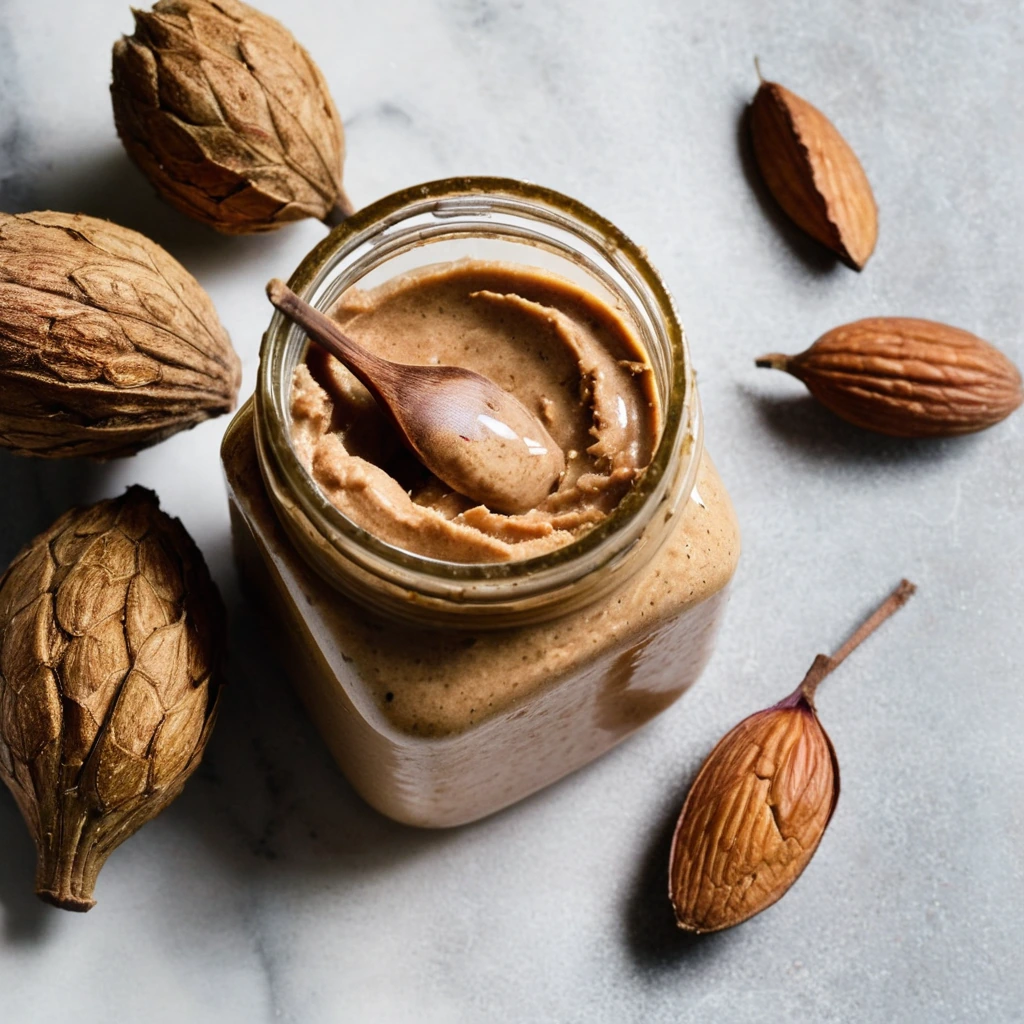
Almond Butter
A velvety, nutty spread crafted from finely ground almonds, offering a rich and satisfying flavor that's both comforting and indulgent.
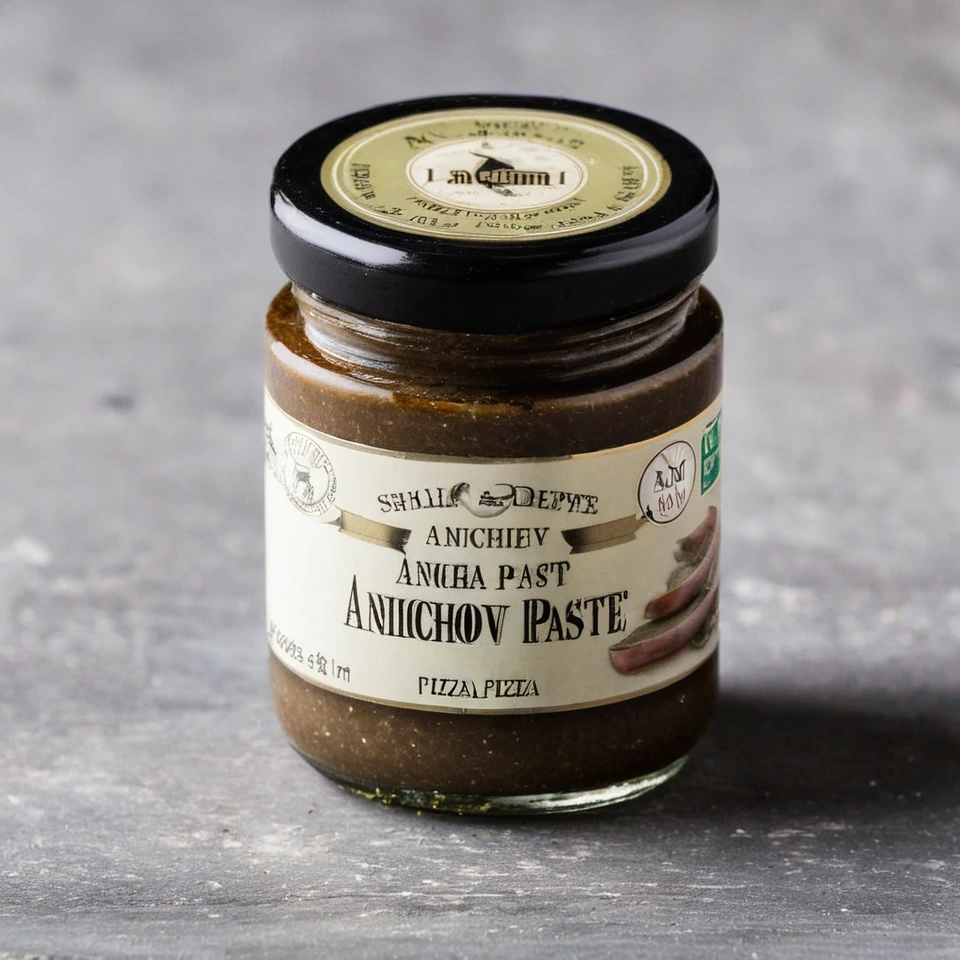
Anchovy Paste
Anchovy paste is a rich, salty spread made from finely ground anchovies, salt, and sometimes olive oil. It offers a deep umami flavor that enhances a variety of dishes.
Recipes to try
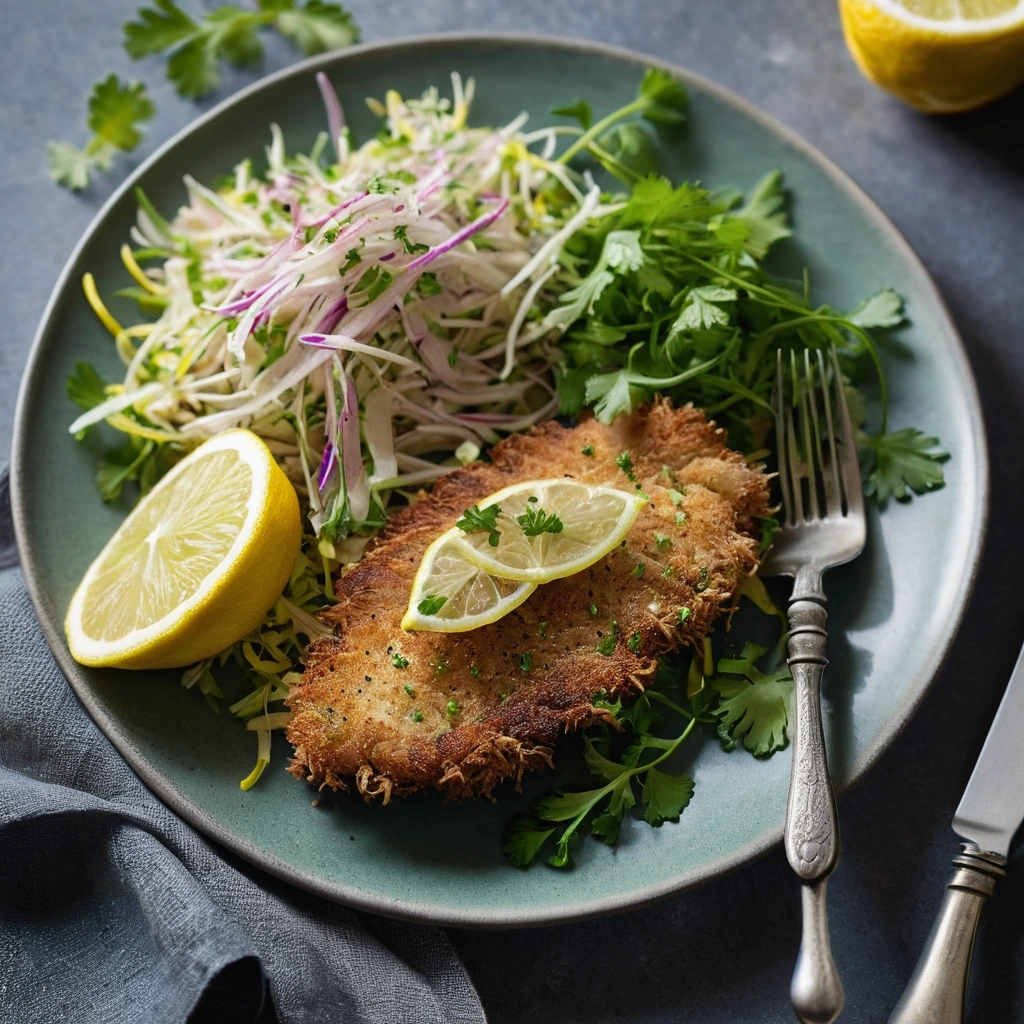
Pork Schnitzel with Lemon and Parsley Slaw
Golden, crispy pork schnitzel served with a refreshing, zesty lemon and parsley slaw that'll brighten your dinner table.
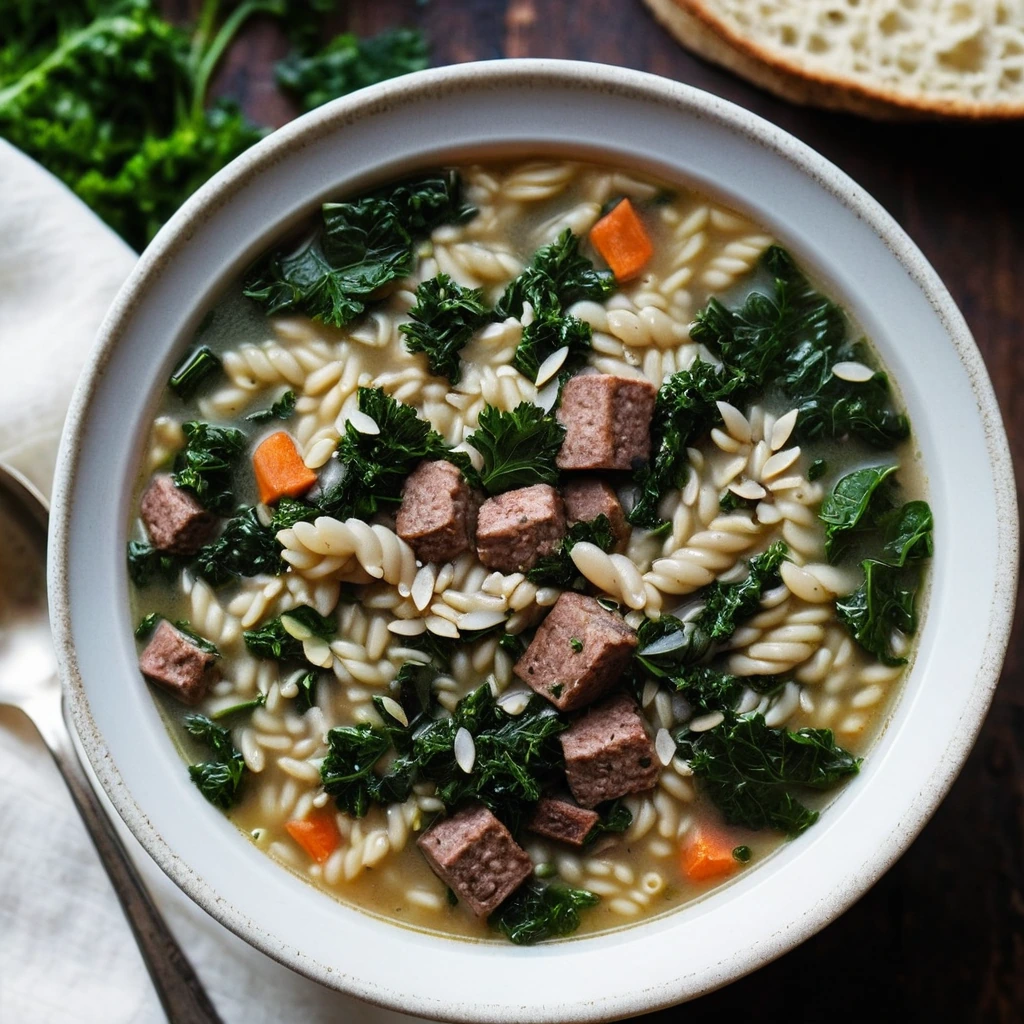
Sausage, Kale, and White Bean Orzo Soup
This hearty soup is a cozy hug in a bowl, brimming with smoky sausage, tender kale, and creamy white beans in a savory broth.