Fermentation: Starting a Simple Refrigerator Pickle Brine
Fermentation is an ancient technique that preserves food while enhancing its flavor and nutritional profile. Starting a simple refrigerator pickle brine is a beginner-friendly way to dive into the world of fermentation. This method leverages the natural lacto-fermentation process, where beneficial bacteria convert sugars into lactic acid, creating an environment that preserves your vegetables and imparts a tangy, delightful taste. Unlike traditional fermentation methods that rely on ambient temperatures, refrigerator pickles are quick and safe for novices because they ferment at cooler temperatures, slowing down the process and reducing the risk of spoilage. This guide walks you through creating a basic brine that you can use for cucumbers, carrots, or any vegetables you fancy. It’s straightforward, requires minimal equipment, and yields results in just a few days. By the end, you'll not only have a jar of crisp, tangy pickles but also the confidence to experiment with flavors and ingredients. Let's get started and transform your vegetables into probiotic-rich delights!
Notes
The science behind this technique lies in the lacto-fermentation process, where lactic acid bacteria naturally present on the vegetables convert sugars into lactic acid, creating an acidic environment that preserves the vegetables. To troubleshoot, ensure your vegetables are fully submerged in the brine to prevent spoilage. A common mistake is using iodized salt, which can inhibit fermentation; opt for non-iodized varieties like kosher or sea salt. Safety is paramount; always use sterilized equipment and inspect your pickles for any off-smells or mold before consuming. While refrigerator pickles are ready in days, they can be stored for up to a month. For best results, consume them within two to three weeks.
Steps
- 1 Sterilize a clean jar by boiling it in water for 10 minutes, then let it air dry.
- 2 Wash and slice your vegetables into uniform pieces to ensure even brining.
- 3 In a saucepan, combine 1 cup of water, 1 tablespoon of salt, and 1 tablespoon of sugar.
- 4 Heat the mixture over medium heat until the salt and sugar dissolve completely.
- 5 Remove from heat and let the brine cool to room temperature.
- 6 Pack the vegetables tightly into the sterilized jar, leaving about 1 inch of headspace.
- 7 Pour the cooled brine over the vegetables, ensuring they are fully submerged.
- 8 Add any additional flavorings like garlic cloves, dill, or peppercorns.
- 9 Cover the jar with a lid, but leave it slightly loose to allow gases to escape.
- 10 Let the jar sit at room temperature for 24 hours to kickstart fermentation.
- 11 After 24 hours, move the jar to the refrigerator.
- 12 Check the pickles daily, starting from day 3, for desired tanginess.
- 13 Once pickled to your liking, store the jar in the refrigerator.
- 14 Enjoy your pickles within 2-3 weeks for optimal flavor and crispness.
Ingredients to explore
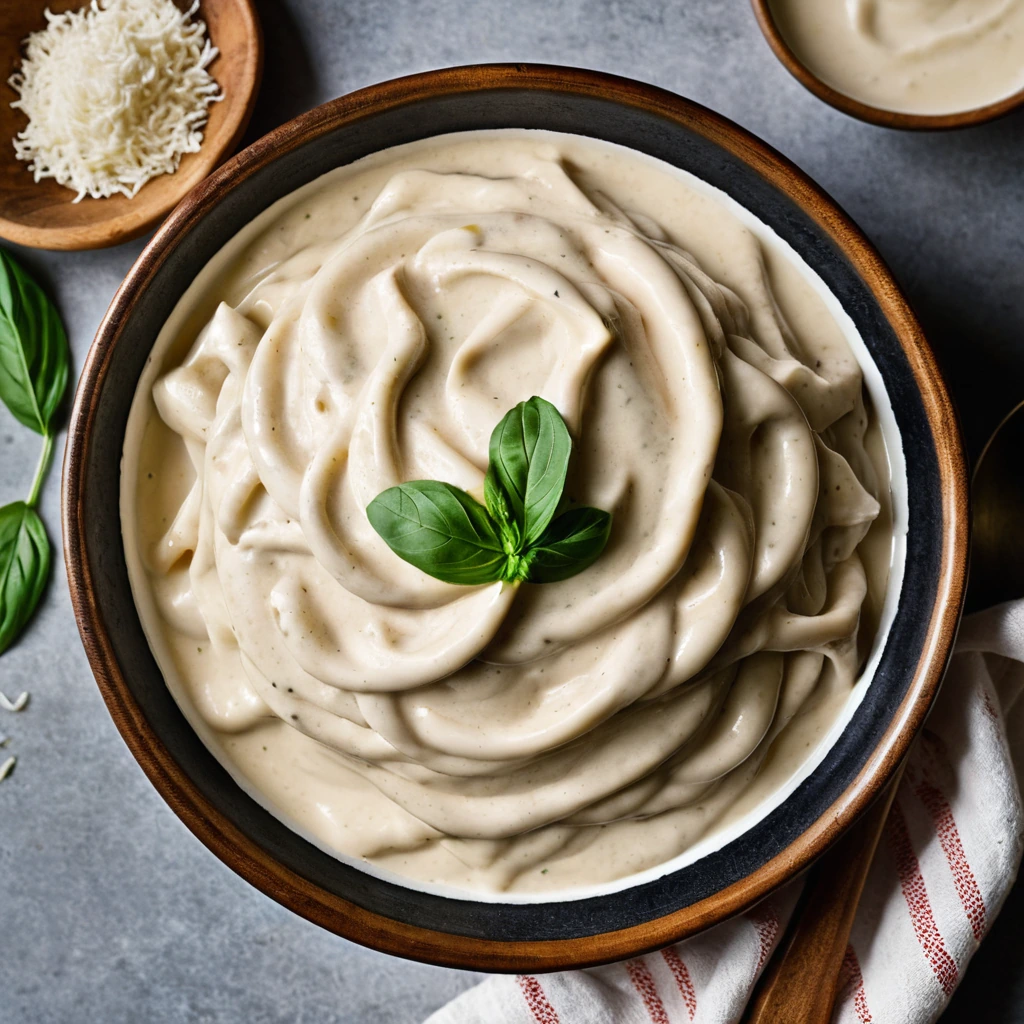
Alfredo Sauce
Creamy, rich, and utterly indulgent, Alfredo sauce is a dreamy blend of butter, heavy cream, and Parmesan cheese. Its velvety texture and savory depth make it a beloved staple in Italian-American cuisine.

Anaheim Peppers
Anaheim peppers are a mild chili pepper variety named after Anaheim, California, where they were first cultivated commercially. Originating from the New Mexico region, these peppers are celebrated for their versatility and gentle heat. They possess a flavor that is mildly sweet with a subtle tang, and a pleasant vegetal note reminiscent of green bell peppers, but with a hint of spice. Their texture is firm and crisp when fresh, becoming tender and slightly smoky when roasted or cooked. In cooking, Anaheim peppers behave well across a range of techniques, from grilling and roasting to stuffing and sautéing, contributing a nuanced depth without overwhelming other ingredients with heat.
Recipes to try
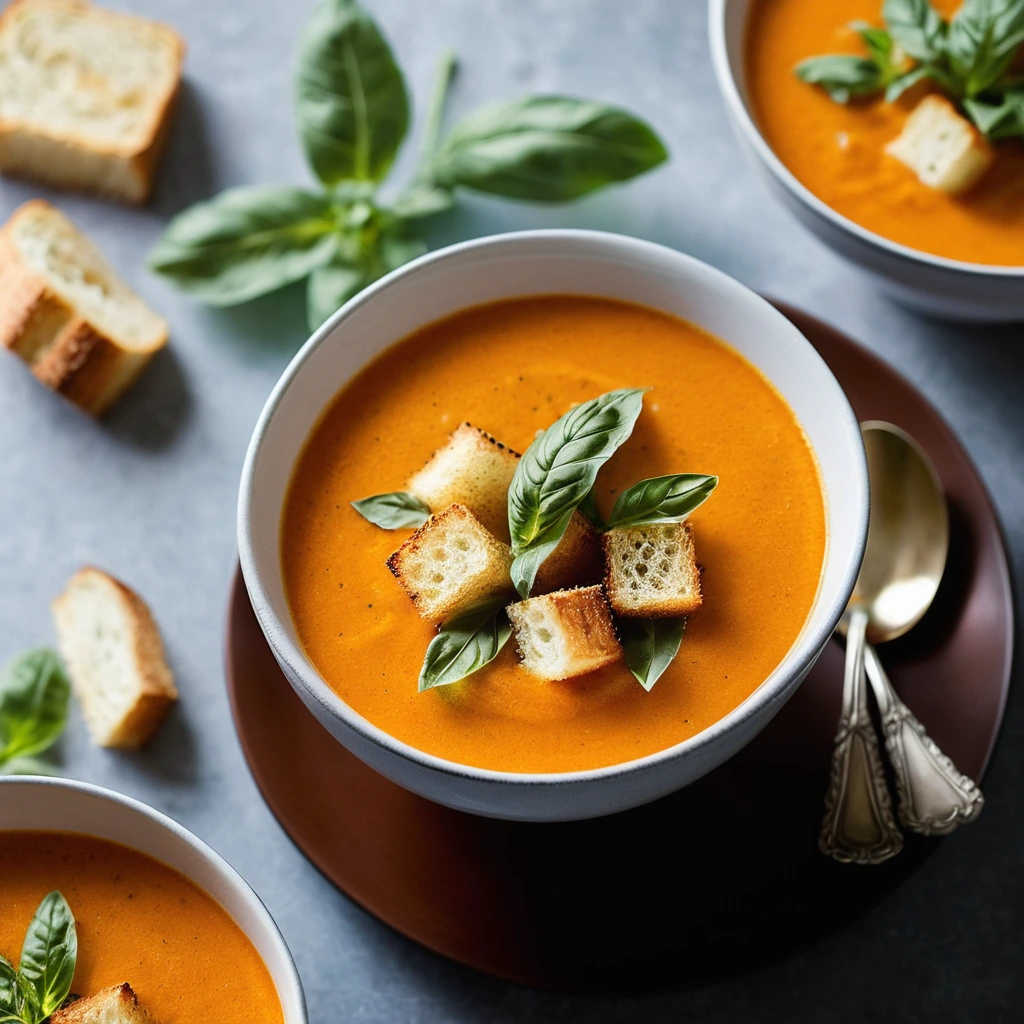
Roasted Garlic and Tomato Basil Soup with Croutons
Creamy, fragrant, and bursting with roasted garlic sweetness, this soup is comfort in a bowl, crowned with golden, crunchy croutons.
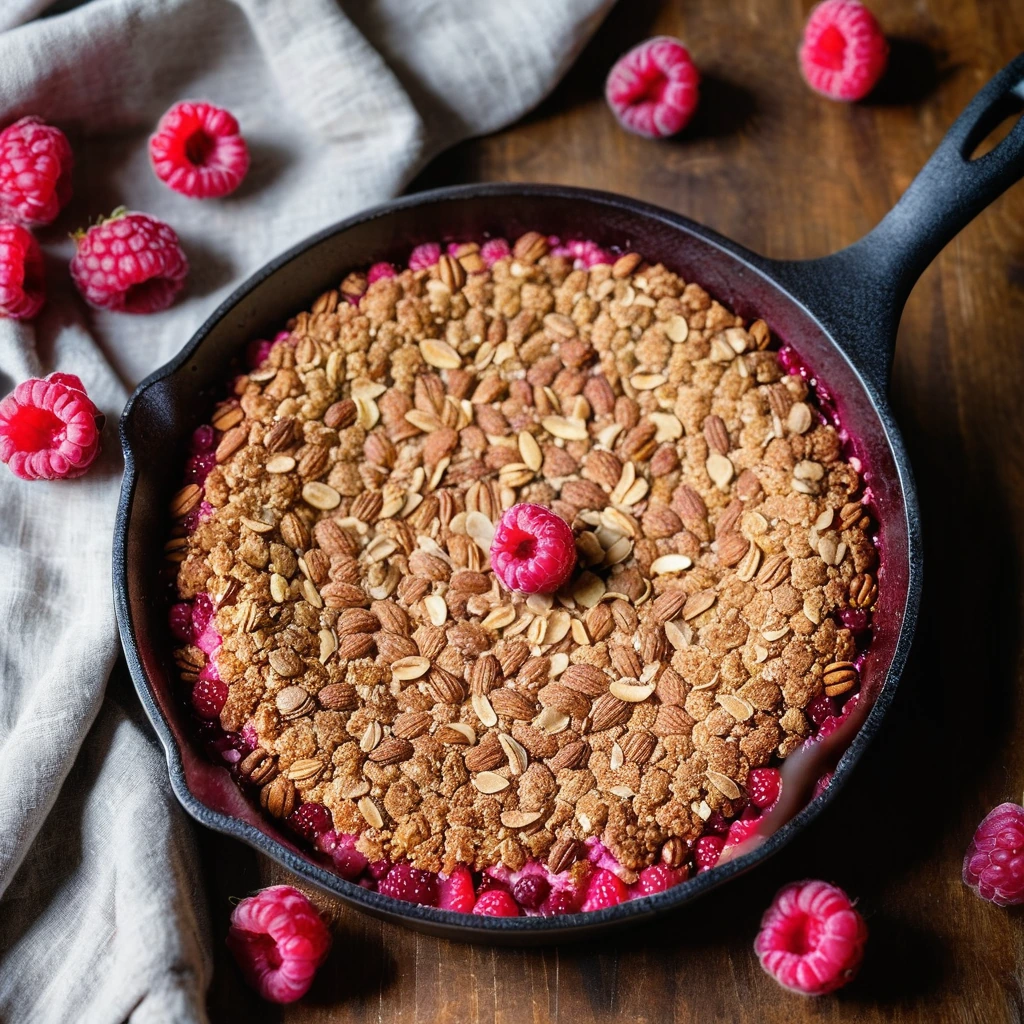
Raspberry Almond Crumble Skillet
A symphony of sweet raspberries nestled under a golden, almond-studded crumble, perfect for cozy evenings and brunch spreads.