Fermentation: Sourdough Starter Care and Feeding
Creating and maintaining a sourdough starter is akin to nurturing a living, breathing culture in your kitchen. This natural leavening agent is a bustling colony of wild yeast and bacteria that, when cared for properly, can transform simple flour and water into the bubbly, tangy elixir that gives sourdough its signature flavor and texture. Understanding the delicate balance of feeding and rest is key to keeping your starter active and healthy. The process begins with a simple mixture of flour and water, left to capture airborne yeast and lactic acid bacteria from the environment. Over time, with consistent feeding and attention, your starter will grow, bubble, and become ready for baking. It's a rewarding endeavor that requires patience and attentiveness. Here, we dive into the intricacies of sourdough starter care, exploring why certain practices are essential and how to troubleshoot common issues. From selecting the right flour to recognizing the ideal fermentation conditions, we'll guide you through the steps to ensure your starter thrives, providing you with a reliable companion for all your sourdough endeavors.
Notes
The science behind sourdough fermentation lies in the symbiotic relationship between yeast and bacteria. Yeast feeds on sugars in the flour, producing carbon dioxide that leavens the dough, while bacteria create lactic and acetic acids, giving sourdough its distinctive tang. Common mistakes include using chlorinated tap water, which can inhibit microbial growth, and not discarding enough starter before feeding, leading to a sour, overly acidic culture. Keep your starter away from direct sunlight and ensure your tools are clean to prevent contamination. While refrigeration slows down activity, it doesn't stop it, so weekly feedings are necessary to keep it alive. For make-ahead planning, an active starter can be stored in the fridge for weeks; just remember to feed it upon retrieval before use.
Steps
- 1 Combine 1/2 cup warm water and 1/2 cup unbleached all-purpose flour in a clean glass jar.
- 2 Stir until smooth, ensuring all flour is hydrated.
- 3 Cover loosely with a breathable cloth or paper towel secured with a rubber band.
- 4 Let sit at room temperature (ideally 70-75°F) for 24 hours.
- 5 After 24 hours, discard half of the mixture and feed with another 1/2 cup water and 1/2 cup flour.
- 6 Stir thoroughly, cover again, and let rest for another 24 hours.
- 7 Repeat the discarding and feeding process daily until the starter reliably doubles in size within 4-6 hours after feeding.
- 8 Once active, store the starter in the refrigerator and feed once a week with 1/4 cup flour and 1/4 cup water for maintenance.
- 9 Before baking, remove the starter from the fridge and feed once a day for 3-4 days to build activity.
- 10 Check for visual cues like bubbles and a tangy aroma to ensure it's ready for use.
Ingredients to explore
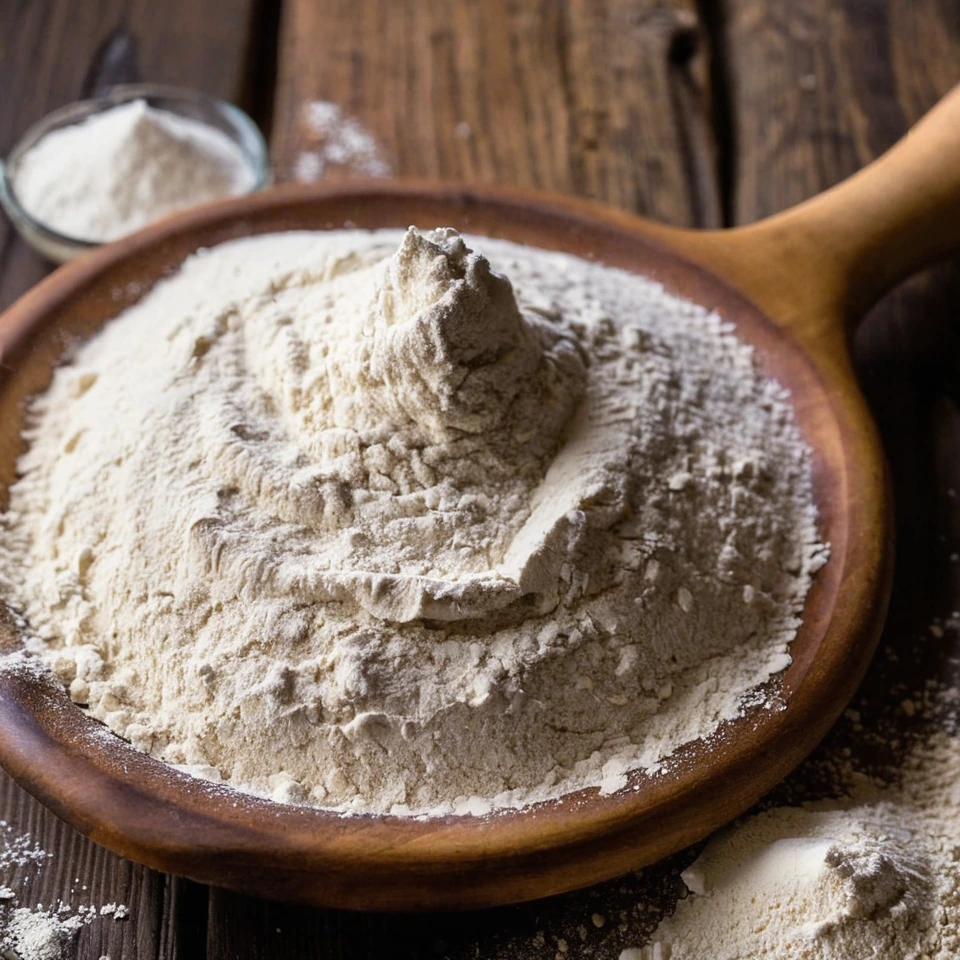
All-Purpose Flour
All-purpose flour is a versatile wheat flour that contains a moderate level of protein and gluten, making it suitable for a wide range of baking and cooking needs.

Andouille Sausage
Andouille sausage is a coarse-grained, smoked pork sausage with a rich history rooted in French cuisine, particularly from the Alsace region. It was adapted in Louisiana, where it became a staple in Cajun and Creole cooking. The sausage is known for its robust, smoky flavor with hints of garlic, pepper, and other spices, creating a spicy and savory profile. Its texture is firm yet slightly chewy, making it a hearty addition to dishes. When cooked, andouille sausage maintains its shape well and infuses dishes with its distinctive smoky essence, enhancing stews, soups, and rice dishes.
Recipes to try
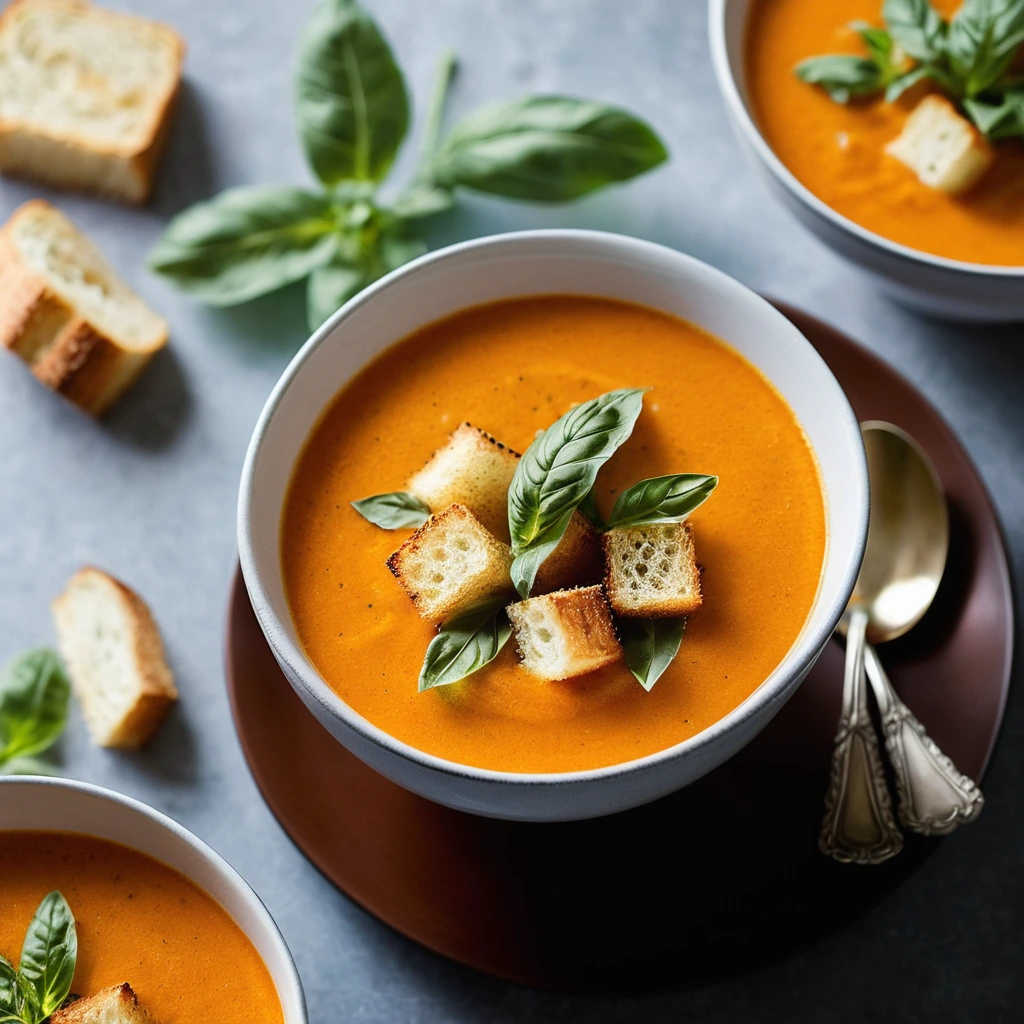
Roasted Garlic and Tomato Basil Soup with Croutons
Creamy, fragrant, and bursting with roasted garlic sweetness, this soup is comfort in a bowl, crowned with golden, crunchy croutons.
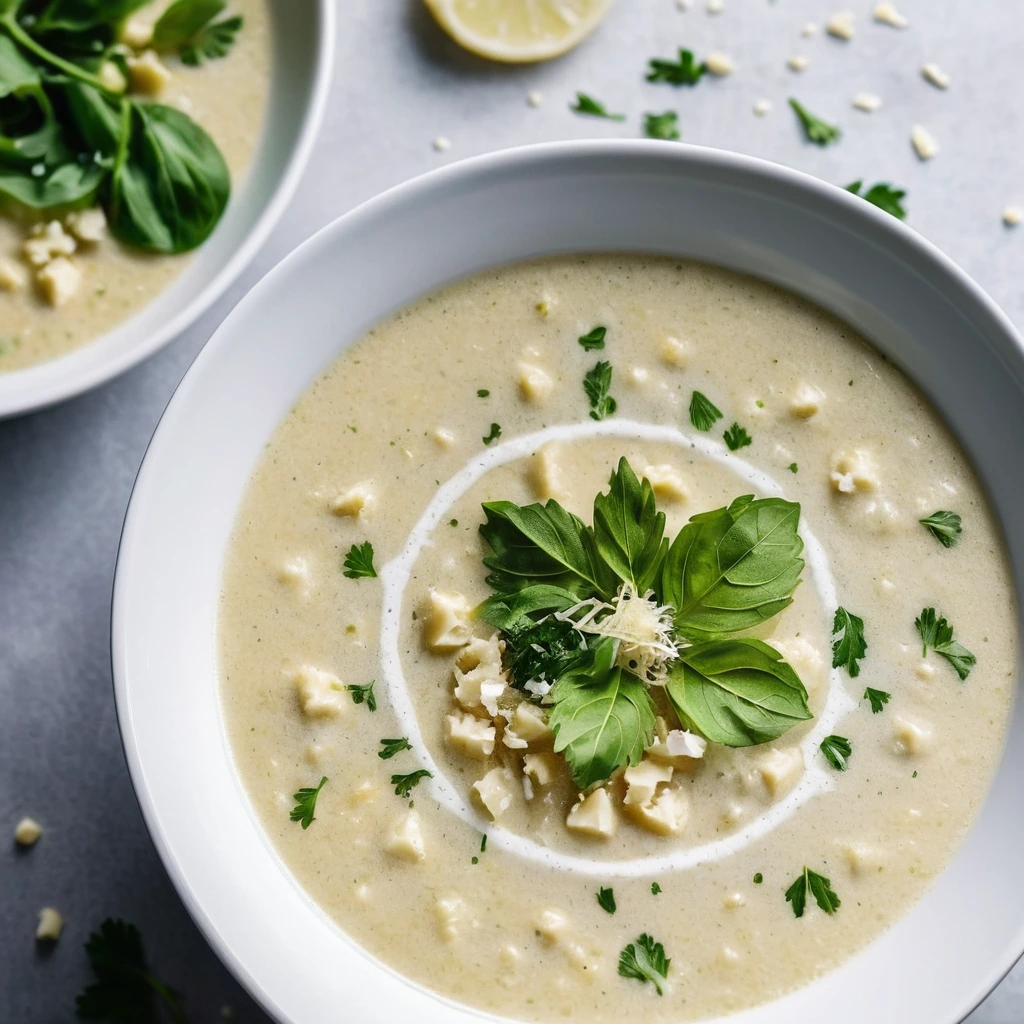
Roasted Cauliflower and Garlic Soup with Parmesan
This velvety soup is a symphony of roasted cauliflower and garlic, kissed with nutty Parmesan for a cozy, crave-worthy bowl.