Fermentation: Kimchi Basics and Brining
Fermentation is a magical process that transforms ordinary vegetables into probiotic powerhouses, and kimchi is a quintessential example. This Korean staple is not just a side dish but a flavorful journey into the world of lacto-fermentation. The process involves brining napa cabbage to draw out moisture, creating the perfect environment for beneficial bacteria to thrive. These bacteria convert sugars into lactic acid, which preserves the vegetables and imparts that signature tangy flavor. Brining is crucial as it softens the cabbage, enhances its ability to absorb flavors, and inhibits undesirable microbes. Achieving the right balance of salt is key—it must be enough to deter spoilage organisms but not so much that it kills off the good bacteria. This guide will walk you through selecting the right cabbage, preparing your brine, and fermenting your kimchi to perfection. You'll learn how to spot the signs of a successful ferment and how to customize your kimchi with various seasonings and vegetables.
Notes
The science behind kimchi fermentation lies in the dominance of lactic acid bacteria, which thrive in the salty, anaerobic environment you've created. Maintaining the correct temperature is crucial; too hot and the fermentation may become unstable, too cold and it may stall. If mold appears, it's often due to improper submersion of the cabbage or contamination, so always ensure your tools and jars are sterilized. Common mistakes include using iodized salt, which can hinder fermentation, and not packing the jar tightly enough, which can lead to spoilage. Kimchi is safe to eat once it reaches a pleasant sourness, but always discard if you detect any off smells or sliminess. For make-ahead convenience, kimchi can be stored in the fridge for several months, where it continues to develop flavor.
Steps
- 1 Select a firm, fresh head of napa cabbage and remove any damaged outer leaves.
- 2 Quarter the cabbage lengthwise and rinse thoroughly under cold water.
- 3 Prepare a brine using 1/4 cup of non-iodized salt dissolved in 4 cups of water.
- 4 Submerge the cabbage quarters in the brine, ensuring they are fully covered.
- 5 Weigh the cabbage down with a plate to keep it submerged and let it brine for 6 to 8 hours at room temperature.
- 6 Rinse the cabbage thoroughly to remove excess salt and drain well.
- 7 In a bowl, mix your chosen seasonings, such as Korean chili powder, garlic, ginger, and scallions.
- 8 Massage the seasoning mixture into each cabbage leaf and pack tightly into a clean, sterilized jar.
- 9 Press down firmly to expel air bubbles and ensure the cabbage is submerged in its liquid.
- 10 Cover the jar with a lid but leave it slightly ajar to allow gases to escape.
- 11 Ferment at room temperature, around 65°F to 75°F, for 3 to 7 days.
- 12 Check daily for signs of fermentation, such as bubbles and a sour aroma.
- 13 Once fermented to taste, seal the jar tightly and store in the refrigerator.
- 14 Allow the kimchi to mature in the fridge for at least a week before enjoying.
Ingredients to explore
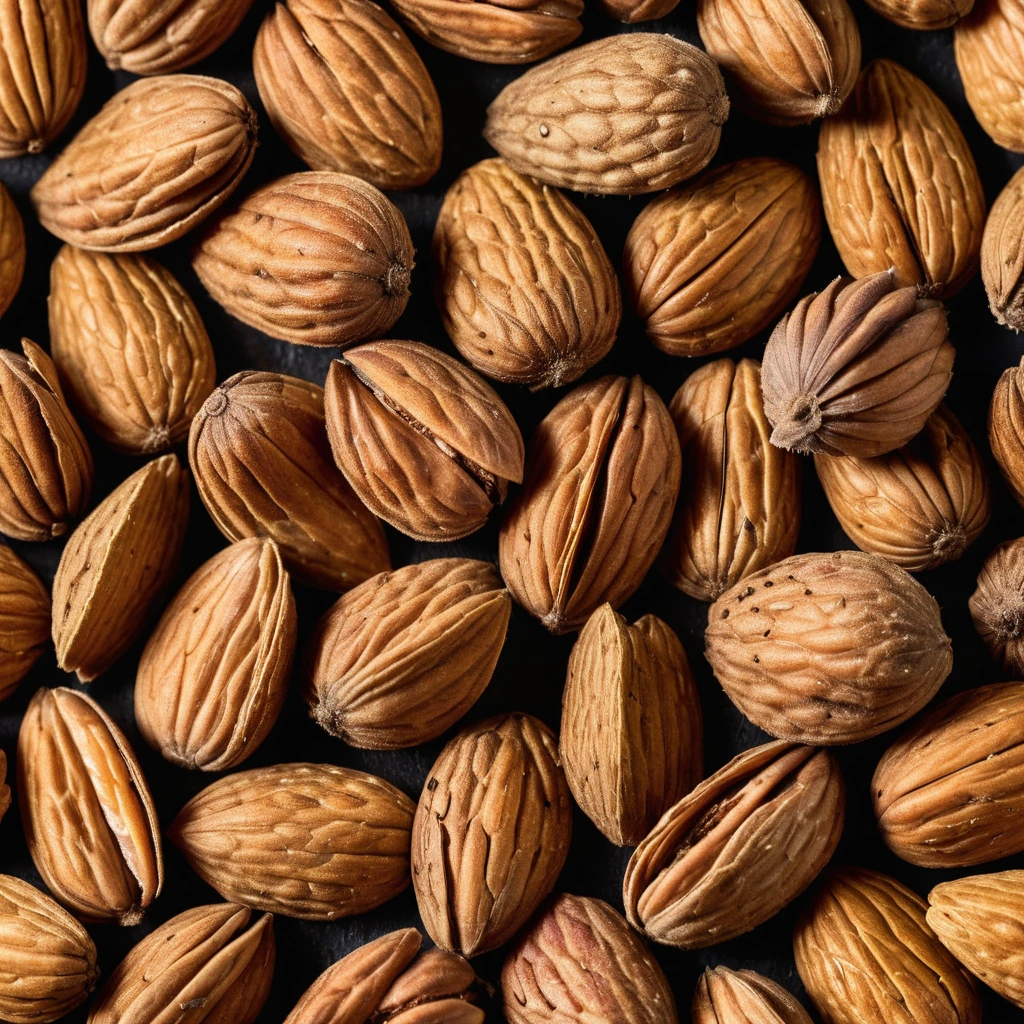
Almonds
With their golden-brown hue and delicate, edible skin, almonds are a crunchy delight. These versatile nuts boast a rich, buttery flavor that adds depth to both sweet and savory dishes.
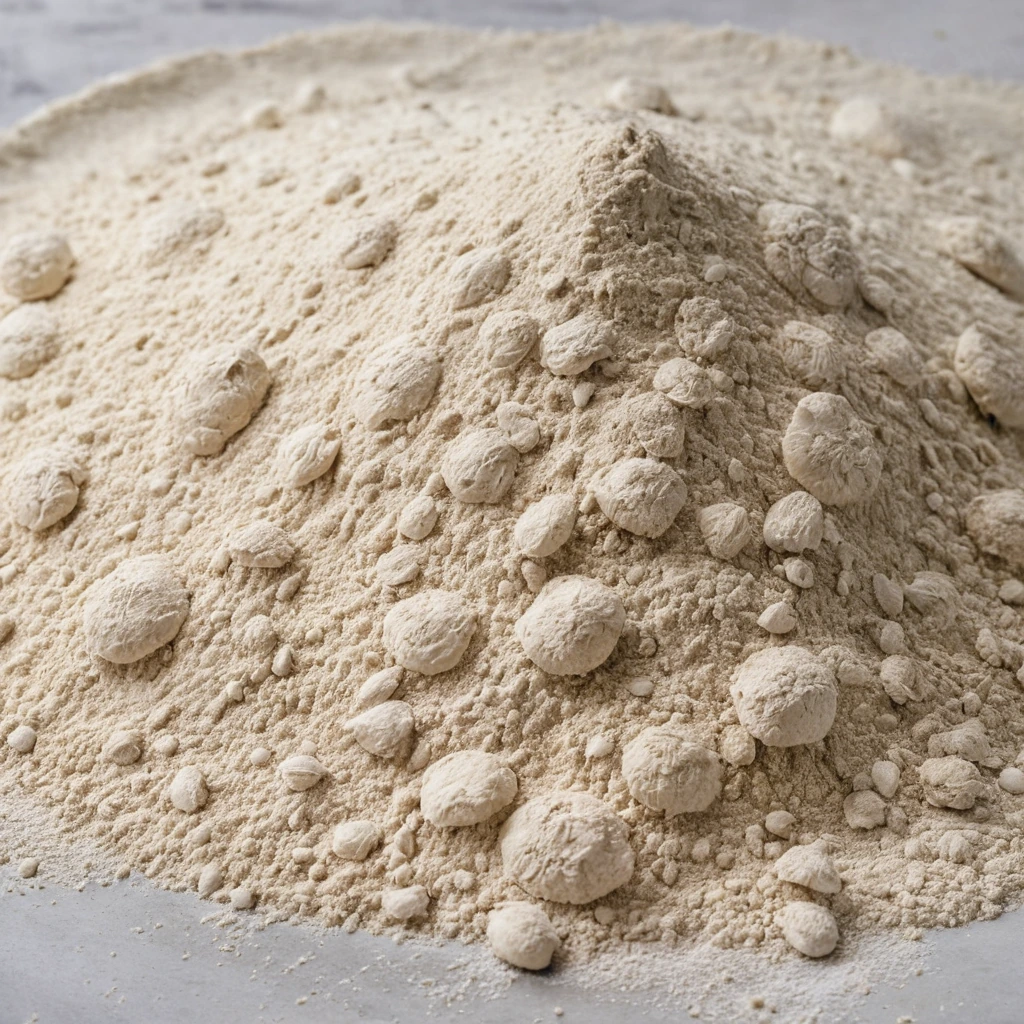
00 Pizza Flour
00 pizza flour is a finely milled Italian flour prized for its versatility in creating authentic Neapolitan-style pizza crusts. Originating from Italy, it is milled to a very fine consistency, which is reflected in its name, 'doppio zero,' indicating its fine grind. This flour has a balanced flavor profile, offering a mild, slightly sweet taste with a subtle nuttiness. Its texture is silky and smooth, contributing to a tender yet chewy crust when used in pizza making. In cooking, 00 pizza flour is known for its ability to hydrate quickly and develop a desirable gluten structure, resulting in a light and airy crust that can withstand high-heat cooking without becoming overly crispy or hard.
Recipes to try
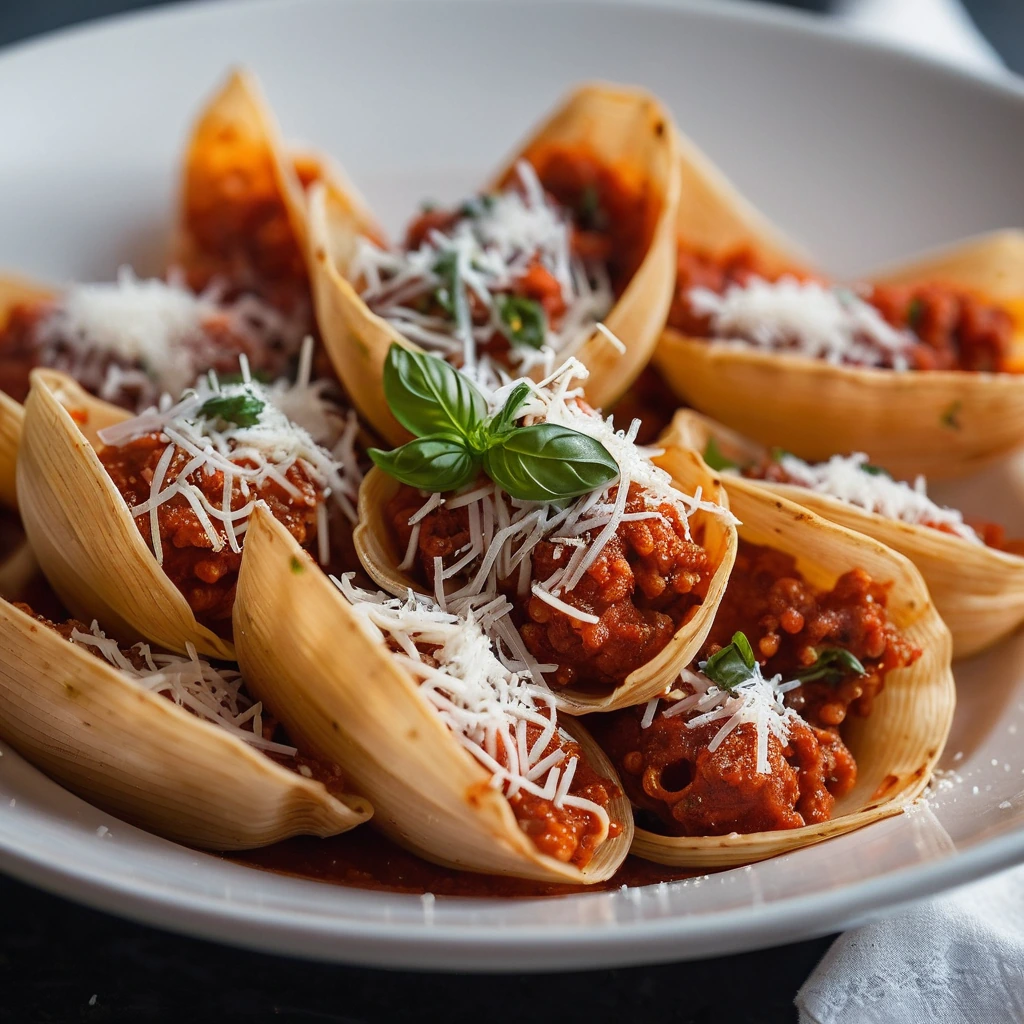
Spicy Arrabbiata Shells with Parmesan
Fiery and fresh, these pasta shells are smothered in a spicy tomato sauce and crowned with nutty Parmesan.
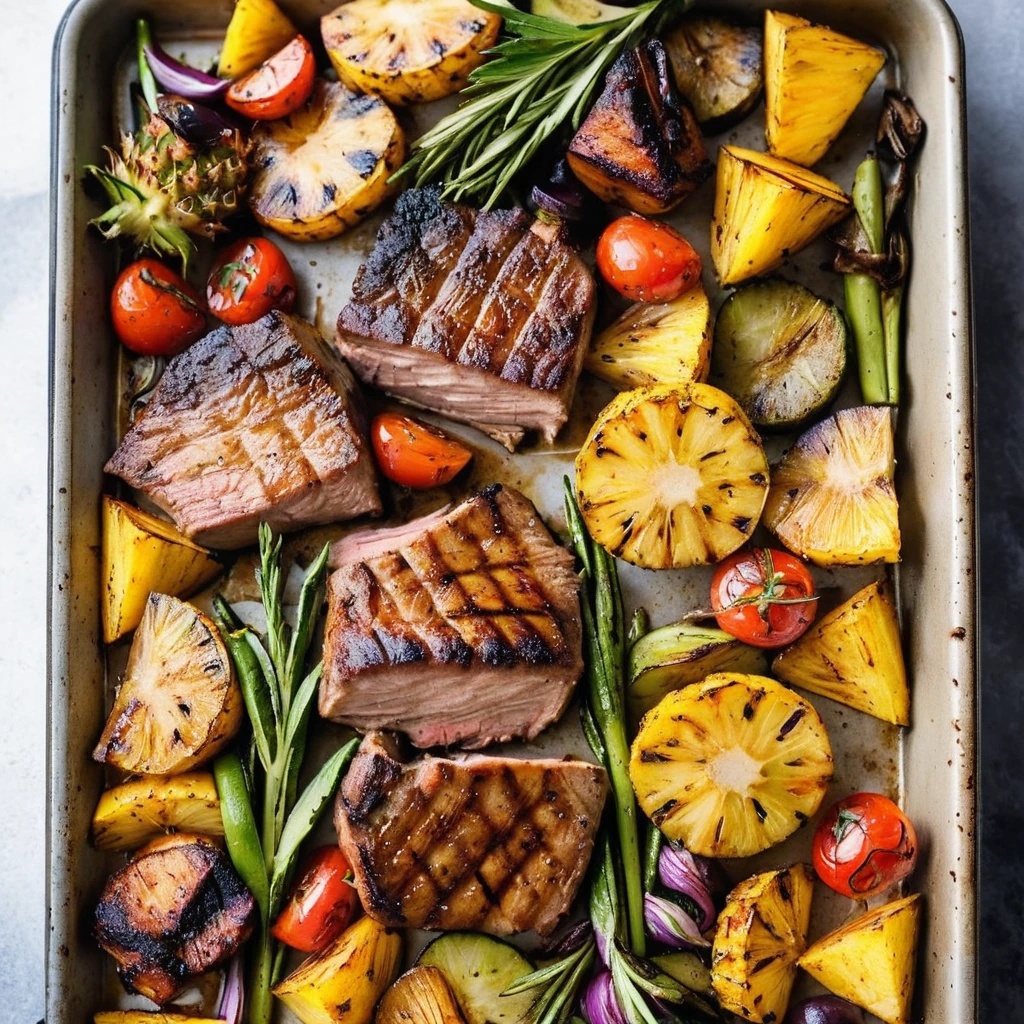
Pork and Pineapple BBQ Sheet Pan Supper
Sweet, tangy, and smoky flavors mingle in this fuss-free sheet pan supper that'll have you licking your plate clean.