Entertaining: Choosing Recipes That Hold Well on a Buffet
Hosting a buffet can be a delightful way to entertain guests, but choosing the right recipes is crucial for success. The key is to select dishes that maintain their flavor, texture, and appeal over time, even at room temperature. This technique dives into the considerations for selecting buffet-friendly recipes. First, prioritize dishes with robust flavors that won’t fade when not served immediately. Think about hearty casseroles, marinated proteins, and flavorful dips. Second, consider texture: avoid recipes with delicate components that might become soggy or wilted. Opt for sturdy ingredients like roasted vegetables, grilled meats, and crisp salads with durable greens. Third, plan for temperature control. Some dishes can sit out safely for hours, while others might require warming trays or ice baths to stay within the safe zone. Fourth, think about ease of serving. Finger foods and easily scoopable dishes minimize the need for utensils and fuss. Lastly, don’t forget about visual appeal. Choose dishes with vibrant colors and interesting textures that will catch the eye and entice guests to try them. By keeping these factors in mind, you can curate a buffet that remains fresh, flavorful, and inviting from setup to the last bite.
Notes
The science behind choosing buffet-friendly recipes lies in understanding how food changes over time. Flavors can mellow, textures can degrade, and safety is always a concern. To combat these issues, selecting recipes with bold seasonings and marinades helps maintain taste. For texture, hearty ingredients like roasted veggies and grilled proteins are ideal because they resist sogginess. Temperature is critical: bacteria grow rapidly between 40°F and 140°F, so keeping food out of this danger zone is essential. Make-ahead preparation is a boon for stress management; dishes like casseroles, dips, and cold salads can often be prepared a day in advance. Store these properly in the refrigerator, ensuring they remain safe until serving time. Common mistakes include underestimating how long dishes can sit out and failing to test recipes for their holding ability beforehand. Troubleshoot by using chafing dishes for heat retention or ice bowls for cooling.
Steps
- 1 Select recipes with robust flavors that withstand time at room temperature.
- 2 Avoid dishes with delicate textures that may become soggy or wilted.
- 3 Include a variety of proteins, vegetables, and starches for balance.
- 4 Choose dishes that can be served at room temperature or safely held hot or cold.
- 5 Incorporate finger foods and easy-to-serve options to minimize utensil use.
- 6 Consider dishes with vibrant colors and interesting textures for visual appeal.
- 7 Plan for proper temperature control using warming trays or ice baths if needed.
- 8 Test recipes beforehand to ensure they hold well over the duration of your event.
- 9 Prepare dishes that can be made ahead to reduce day-of stress.
Ingredients to explore

Anaheim Peppers
Anaheim peppers are a mild chili pepper variety named after Anaheim, California, where they were first cultivated commercially. Originating from the New Mexico region, these peppers are celebrated for their versatility and gentle heat. They possess a flavor that is mildly sweet with a subtle tang, and a pleasant vegetal note reminiscent of green bell peppers, but with a hint of spice. Their texture is firm and crisp when fresh, becoming tender and slightly smoky when roasted or cooked. In cooking, Anaheim peppers behave well across a range of techniques, from grilling and roasting to stuffing and sautéing, contributing a nuanced depth without overwhelming other ingredients with heat.
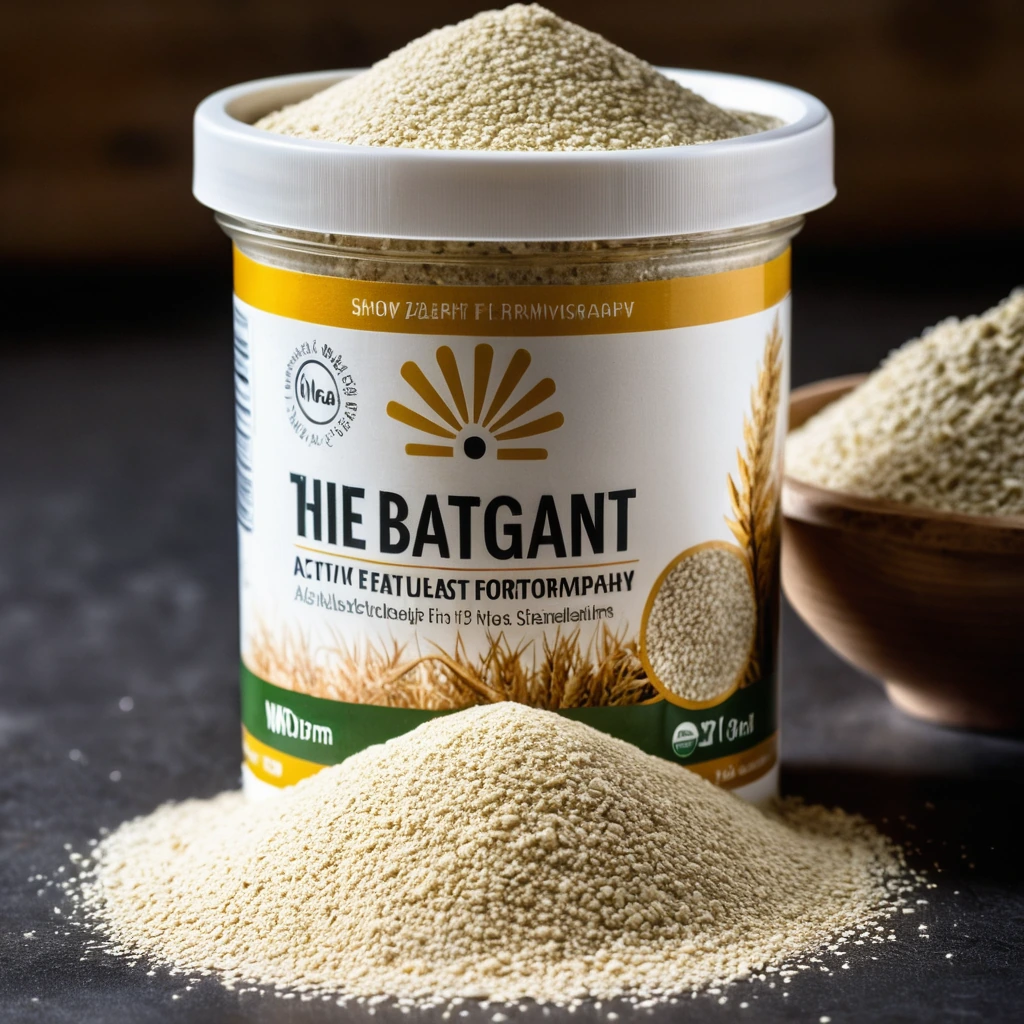
Active Dry Yeast
A fine, granulated leavening agent that brings baked goods to life with its gentle fermentation magic.
Recipes to try
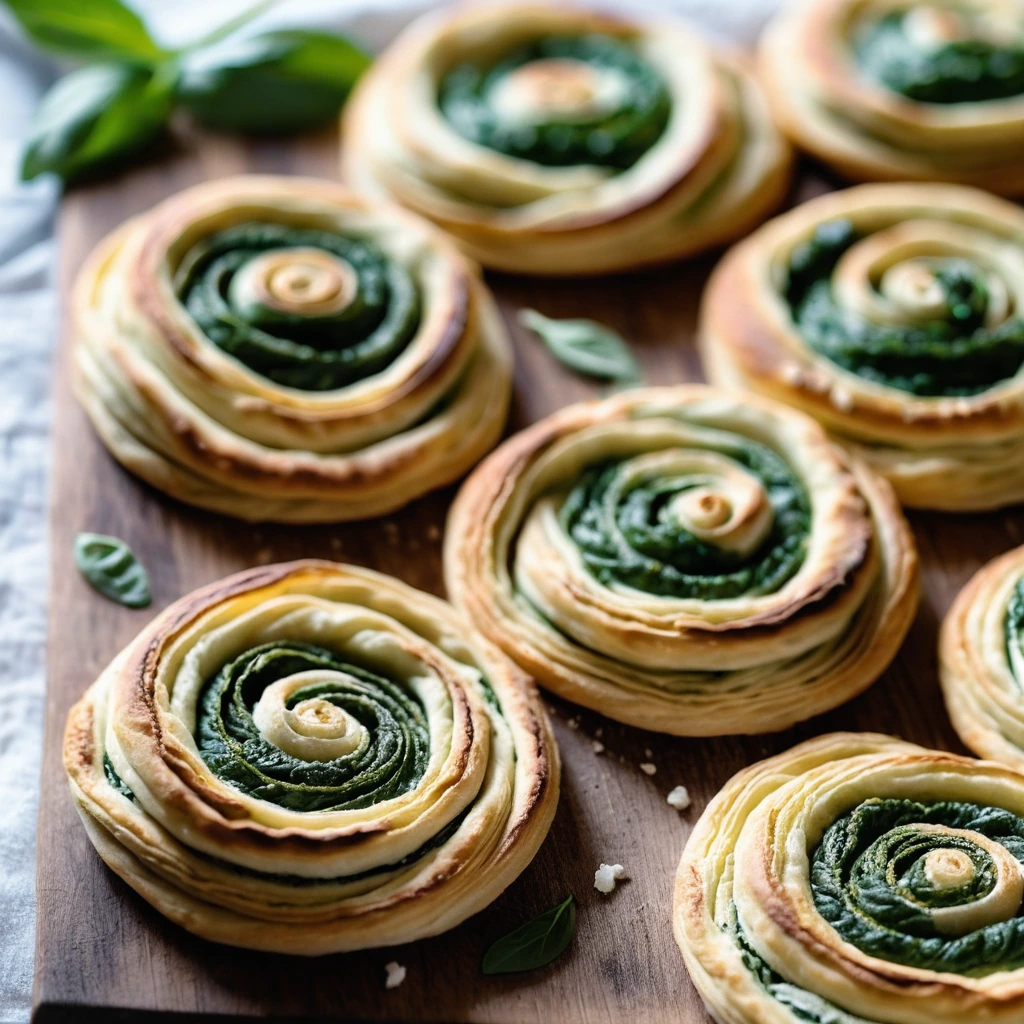
Spinach and Feta Puff Pastry Swirls
Golden, flaky layers of puff pastry embrace a savory mix of spinach and tangy feta in these irresistible swirls.
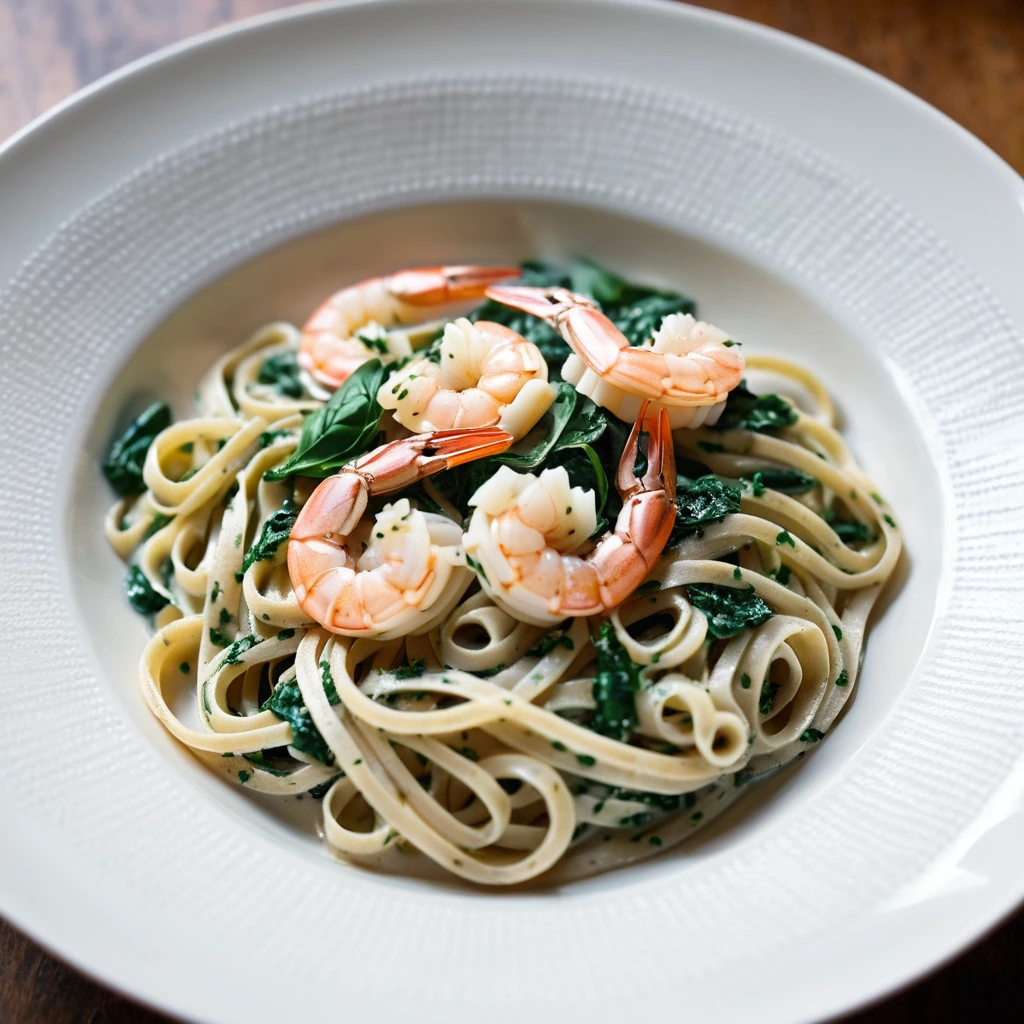
Shrimp and Spinach Linguine in White Wine Sauce
Succulent shrimp and fresh spinach mingle in a creamy white wine sauce, twirled into perfectly al dente linguine.