Eggs: Peeling Hard Boiled Eggs Cleanly
Peeling hard-boiled eggs can be a frustrating task, often resulting in unsightly shells clinging to the egg white. But fear not, curious home cook! With a bit of know-how, you can peel hard-boiled eggs like a pro. The key to clean peeling lies in understanding the science of egg proteins and their interaction with heat and water. Fresh eggs are notorious for their clingy shells due to the pH of the egg white being more acidic, causing it to bond tightly with the membrane. As eggs age, the pH rises, making peeling easier. However, you don’t need to wait for your eggs to age. By tweaking your cooking method, you can achieve effortlessly clean peels every time. Start by selecting eggs that are not super fresh – a week to ten days old is ideal. Then, consider adding a touch of baking soda to the cooking water to raise the pH. This simple step helps loosen the shell from the egg white. Once cooked, shocking the eggs in ice water is crucial. This rapid cooling helps contract the egg white away from the shell, making peeling a breeze. Patience is key; allow the eggs to cool completely before attempting to peel. And when you do peel, start at the wider end where there’s an air pocket, and gently tap to create a crack. From there, peel under running water to help separate the shell from the egg. With these techniques, you’ll find that peeling hard-boiled eggs can be a clean and satisfying process.
Notes
The addition of baking soda increases the pH of the cooking water, making the shell easier to remove by loosening its bond with the egg white. One common mistake is attempting to peel eggs while they are still warm; always ensure they are completely cooled. Another mistake is not cracking the shell enough, which can lead to tearing the egg white. For safety, handle eggs gently to avoid cross-contamination, and store peeled eggs in the refrigerator for up to a week. If making ahead, cook and peel the eggs, then store them in a covered container in the fridge.
Steps
- 1 Place eggs in a single layer in a saucepan.
- 2 Add enough cold water to cover eggs by 1 inch.
- 3 Add 1 teaspoon of baking soda to the water.
- 4 Bring water to a rolling boil over high heat.
- 5 As soon as the water reaches a boil, turn off the heat.
- 6 Cover the saucepan and let eggs stand in hot water for 9-12 minutes.
- 7 Prepare a bowl of ice water while eggs are cooking.
- 8 Transfer the cooked eggs to the ice water bath for at least 15 minutes.
- 9 Gently tap each egg on a hard surface to crack the shell.
- 10 Start peeling at the wider end of the egg under running water.
- 11 Peel away the shell gently, using your fingers or a spoon if necessary.
- 12 Rinse peeled eggs under water to remove any residual shell fragments.
- 13 Pat dry with a clean kitchen towel before using or storing.
Ingredients to explore
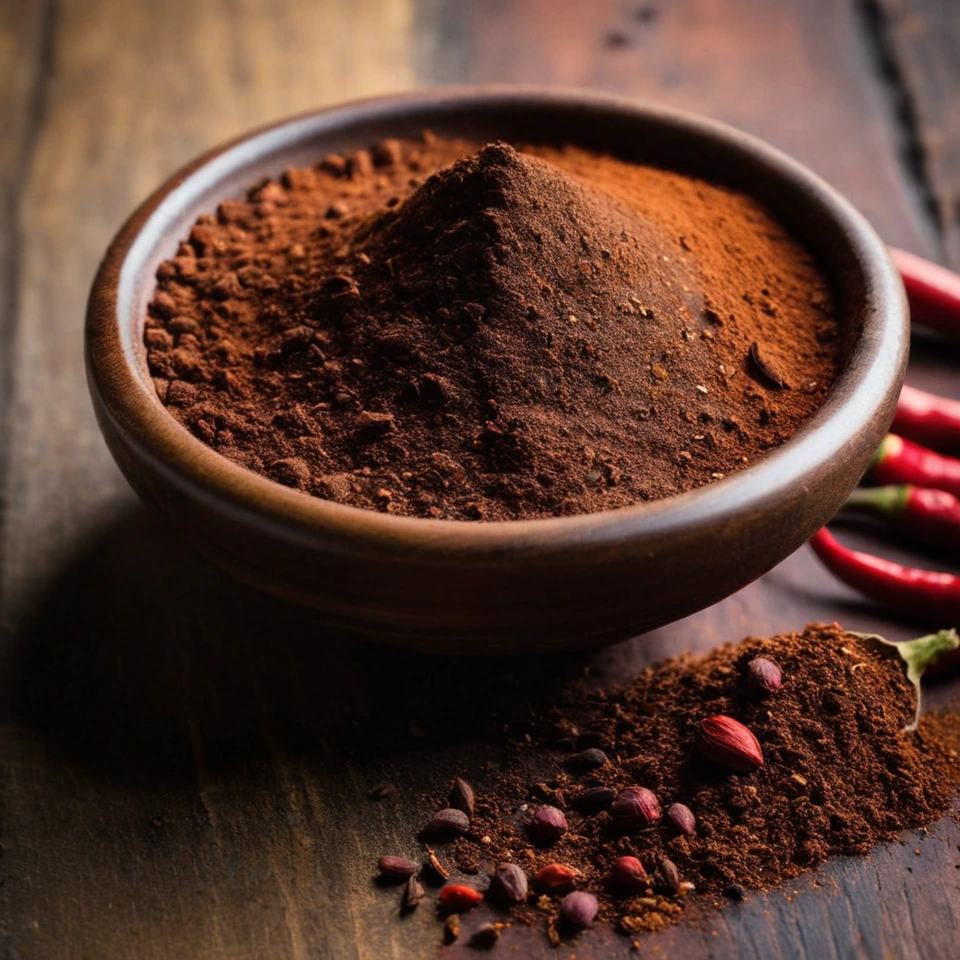
Ancho Chili Powder
Ancho chili powder offers a deep, smoky sweetness with hints of dried fruit and cocoa, reminiscent of its origin as dried poblano peppers from Mexico. Its aroma is warm and inviting, with a mild heat that lingers gently. The texture is fine and velvety, making it easy to incorporate into a variety of dishes. This powder is prized for its ability to add complexity without overwhelming spice, ideal for enriching both traditional Mexican moles and contemporary global cuisines.
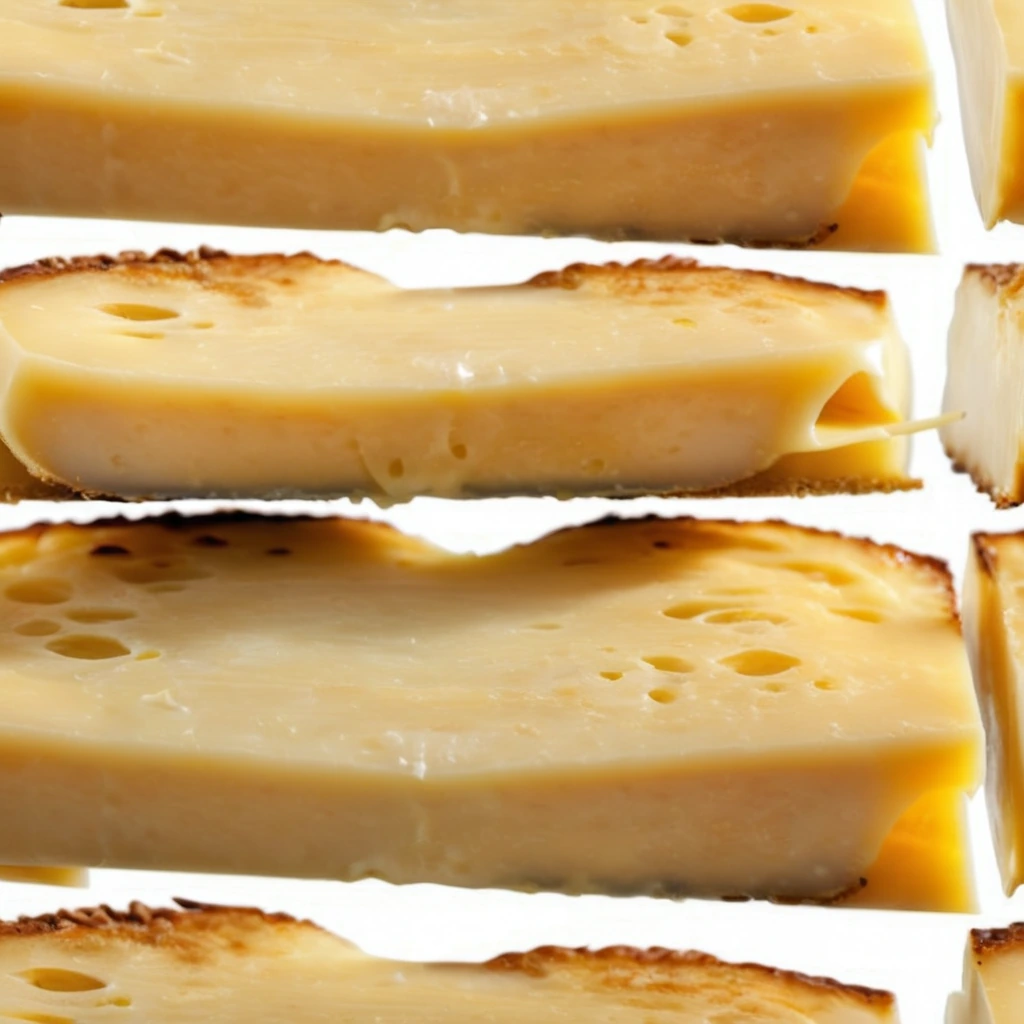
American Cheese Slices
Those iconic, perfectly pliable slices of creamy, mild American cheese. Each slice boasts a smooth, melt-in-your-mouth texture that brings comfort to any dish.
Recipes to try

Roasted Corn and Zucchini Chowder
Creamy, comforting chowder with a roasted sweetness from corn and zucchini, finished with a sprinkle of fresh herbs.
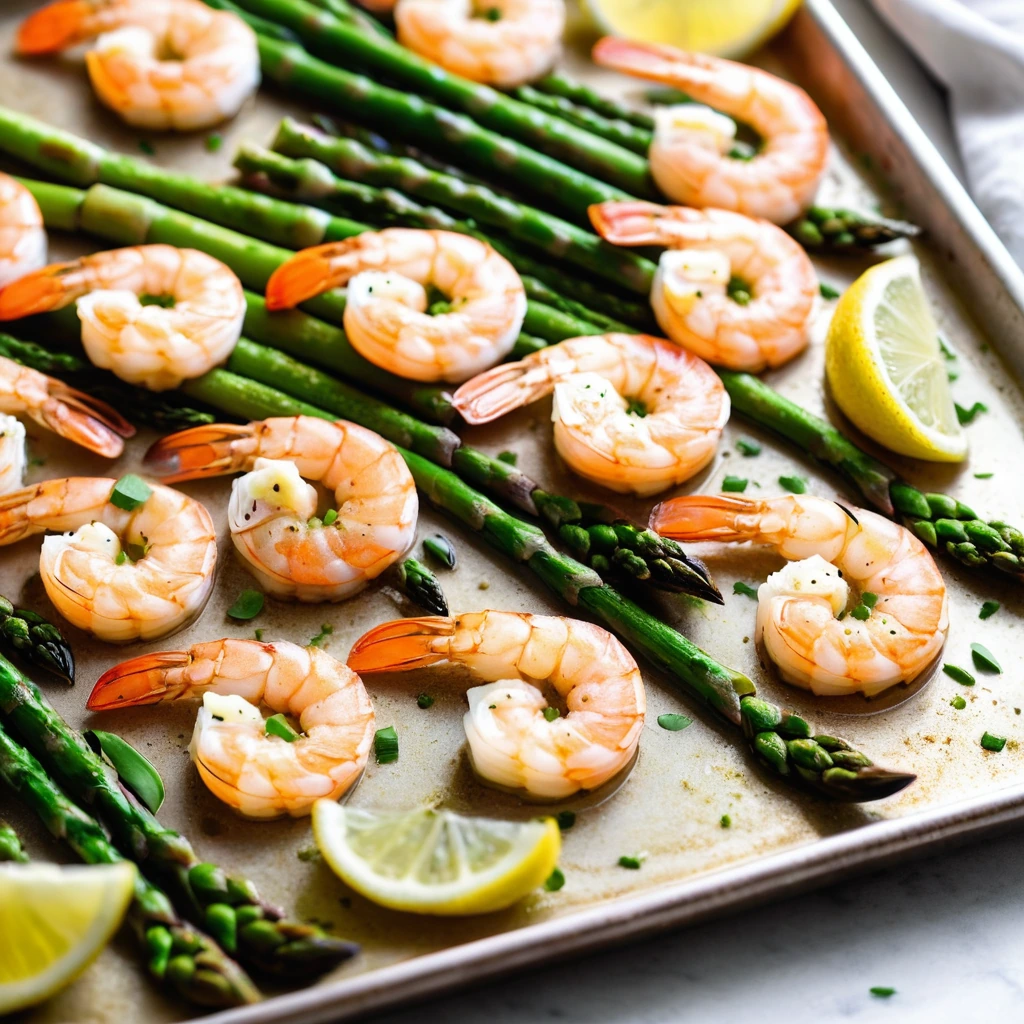
Lemon Garlic Butter Shrimp and Asparagus Sheet Pan
Bright and zesty, this sheet pan dinner is a burst of sunshine with tender shrimp and crisp asparagus in a luscious garlic butter sauce.