Eggs: Over Easy, Over Medium, Over Hard Basics
Mastering the art of frying eggs to perfection is a skill every home cook should have in their arsenal. Whether you prefer your yolks runny, softly set, or fully cooked, understanding the nuances of over easy, over medium, and over hard eggs is essential. The key lies in controlling the heat and timing to achieve the desired yolk consistency while ensuring the whites are fully cooked. Over easy eggs are flipped briefly to set the whites, leaving the yolk runny. Over medium eggs are cooked a bit longer, resulting in a softly set yolk, while over hard eggs are cooked until the yolk is firm throughout. Achieving these results requires attention to detail and a good non-stick skillet. The technique starts with preheating the pan and adding just enough butter or oil to coat the surface, ensuring the eggs don't stick. The heat should be medium-low to medium to prevent the eggs from cooking too quickly and becoming rubbery. A watchful eye is necessary to monitor the whites as they set and to determine when to flip or remove the eggs from the heat. Understanding these basics allows you to tailor your eggs to your personal taste, whether you're aiming for the creamy richness of a runny yolk or the satisfaction of a fully set one. This guide will walk you through each step with precision, ensuring your eggs turn out perfectly every time.
Notes
The science behind perfectly fried eggs lies in gentle, consistent heat, which allows proteins in the egg to coagulate without becoming tough. Common mistakes include using too high of heat, which can result in rubbery whites, or cooking for too long, leading to overcooked yolks. To troubleshoot, always use a thermometer to ensure your skillet is around 250-300°F. Safety is important; be cautious when flipping eggs to avoid hot oil splatters. For make-ahead options, consider cooking eggs just shy of your desired doneness and reheating gently in a warm oven (250°F) for a few minutes before serving. Store any leftovers in the refrigerator for up to 2 days, though fried eggs are best enjoyed fresh.
Steps
- 1 Heat a non-stick skillet over medium-low heat.
- 2 Add 1 teaspoon of butter or 1 tablespoon of oil to the skillet.
- 3 Crack an egg into a small bowl or ramekin.
- 4 Gently slide the egg into the preheated skillet.
- 5 For over easy, cook until the whites are set but the yolk is still runny, about 2-3 minutes.
- 6 For over medium, cook for an additional 30 seconds after step 5.
- 7 For over hard, cook until the yolk is firm, about 4-5 minutes total.
- 8 To flip an over easy egg, use a thin spatula to carefully turn it and cook for an additional 10-15 seconds.
- 9 Remove the egg from the skillet immediately after cooking.
- 10 Place the egg on a plate and season with salt and pepper to taste.
- 11 Repeat with remaining eggs, adjusting heat as necessary.
- 12 Serve immediately for best results.
Ingredients to explore
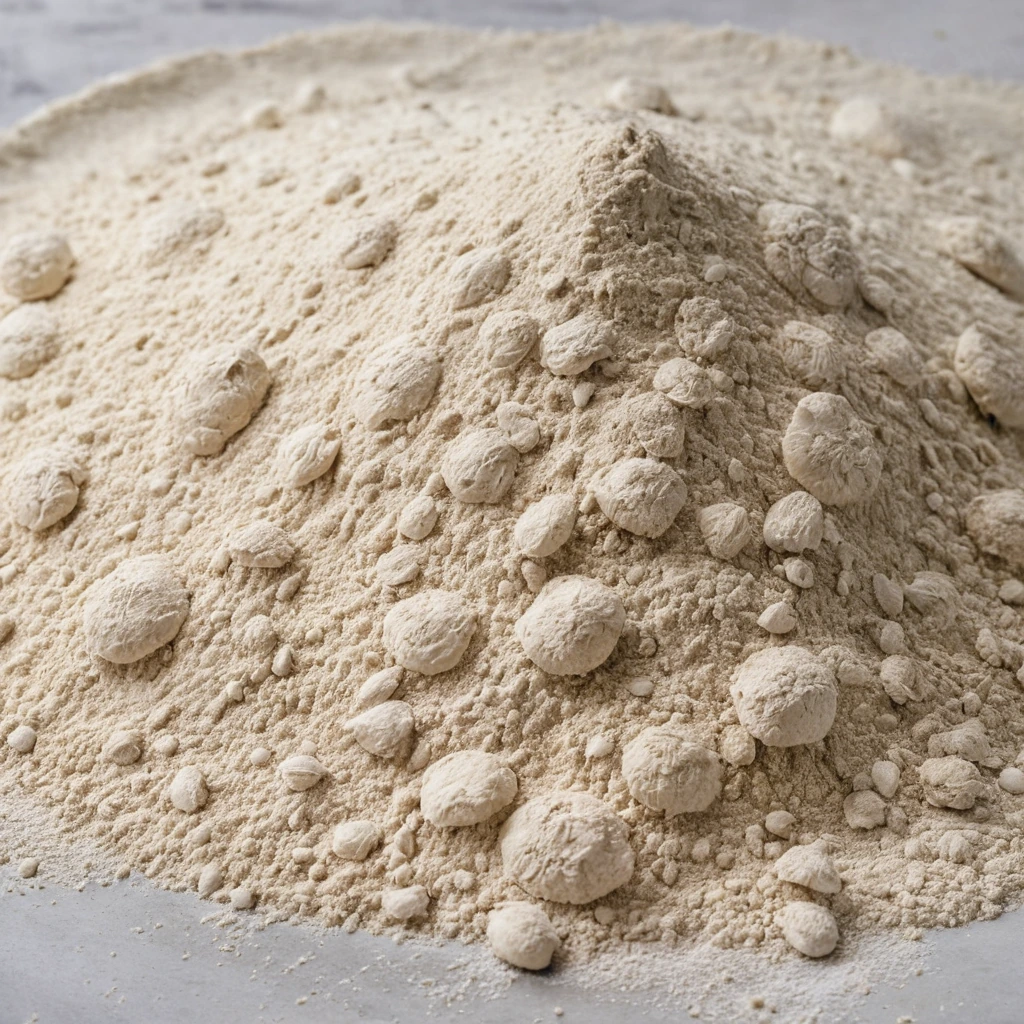
00 Pizza Flour
00 pizza flour is a finely milled Italian flour prized for its versatility in creating authentic Neapolitan-style pizza crusts. Originating from Italy, it is milled to a very fine consistency, which is reflected in its name, 'doppio zero,' indicating its fine grind. This flour has a balanced flavor profile, offering a mild, slightly sweet taste with a subtle nuttiness. Its texture is silky and smooth, contributing to a tender yet chewy crust when used in pizza making. In cooking, 00 pizza flour is known for its ability to hydrate quickly and develop a desirable gluten structure, resulting in a light and airy crust that can withstand high-heat cooking without becoming overly crispy or hard.
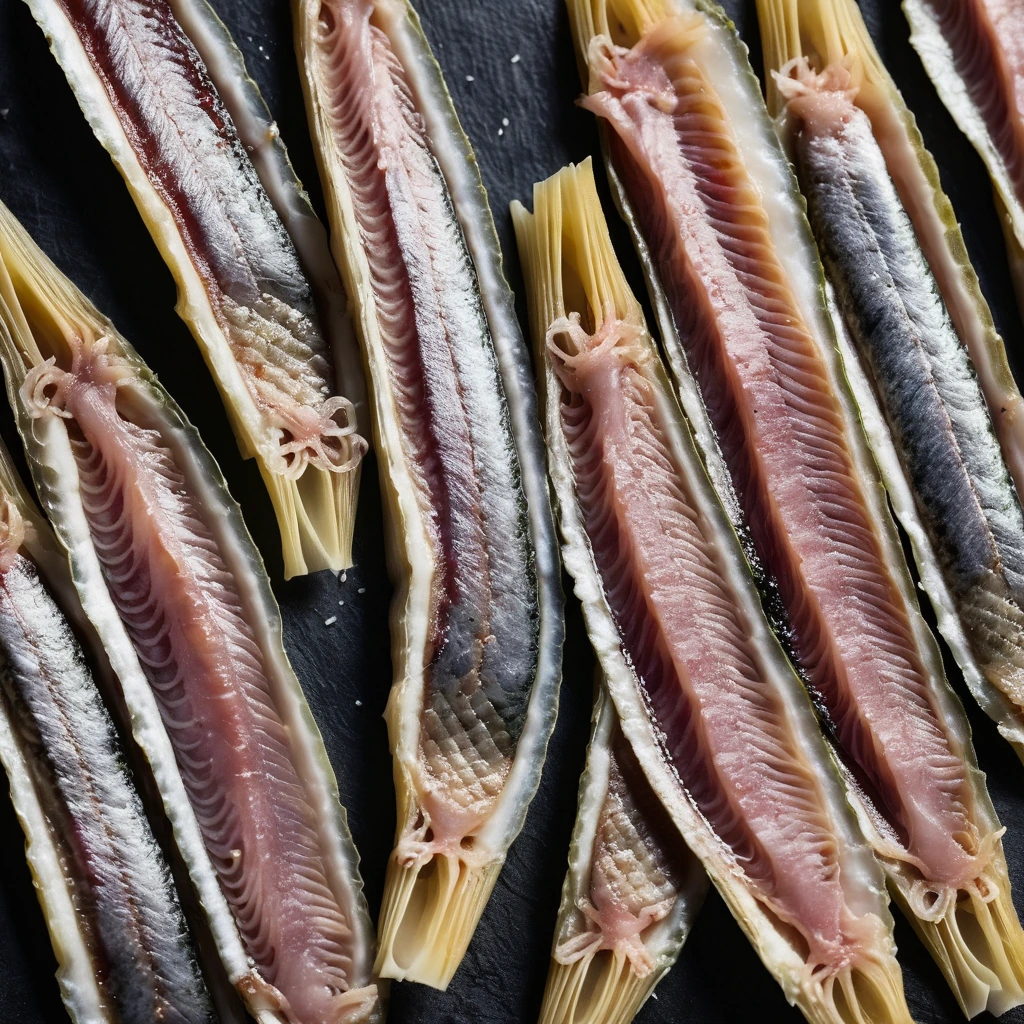
Anchovy Fillets
Silvery and succulent, anchovy fillets are a briny treasure from the sea. Their rich, umami flavor adds depth to dishes, making them a beloved ingredient in kitchens worldwide.
Recipes to try
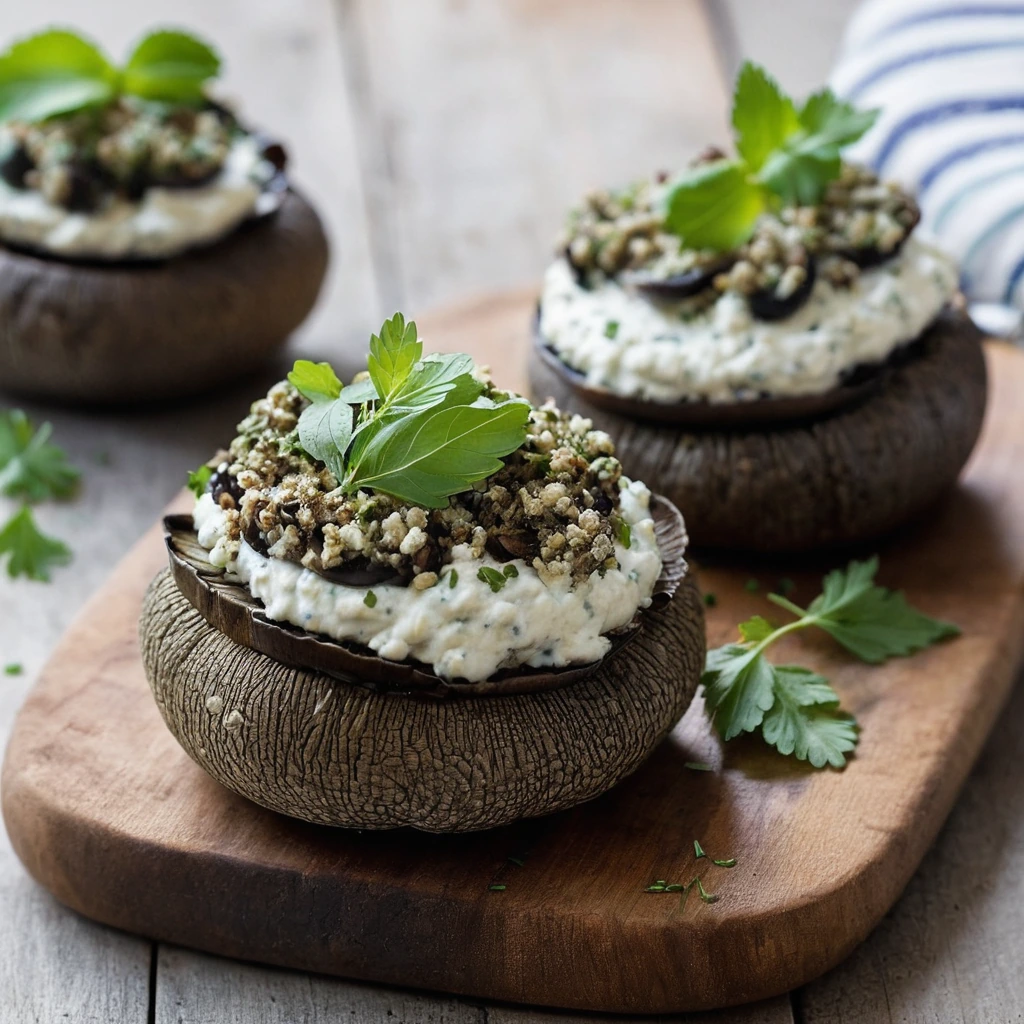
Stuffed Portobello Mushrooms with Herbed Ricotta
These earthy portobello mushrooms are stuffed with a creamy, herbed ricotta mixture, offering a satisfying vegetarian delight that's both elegant and easy.
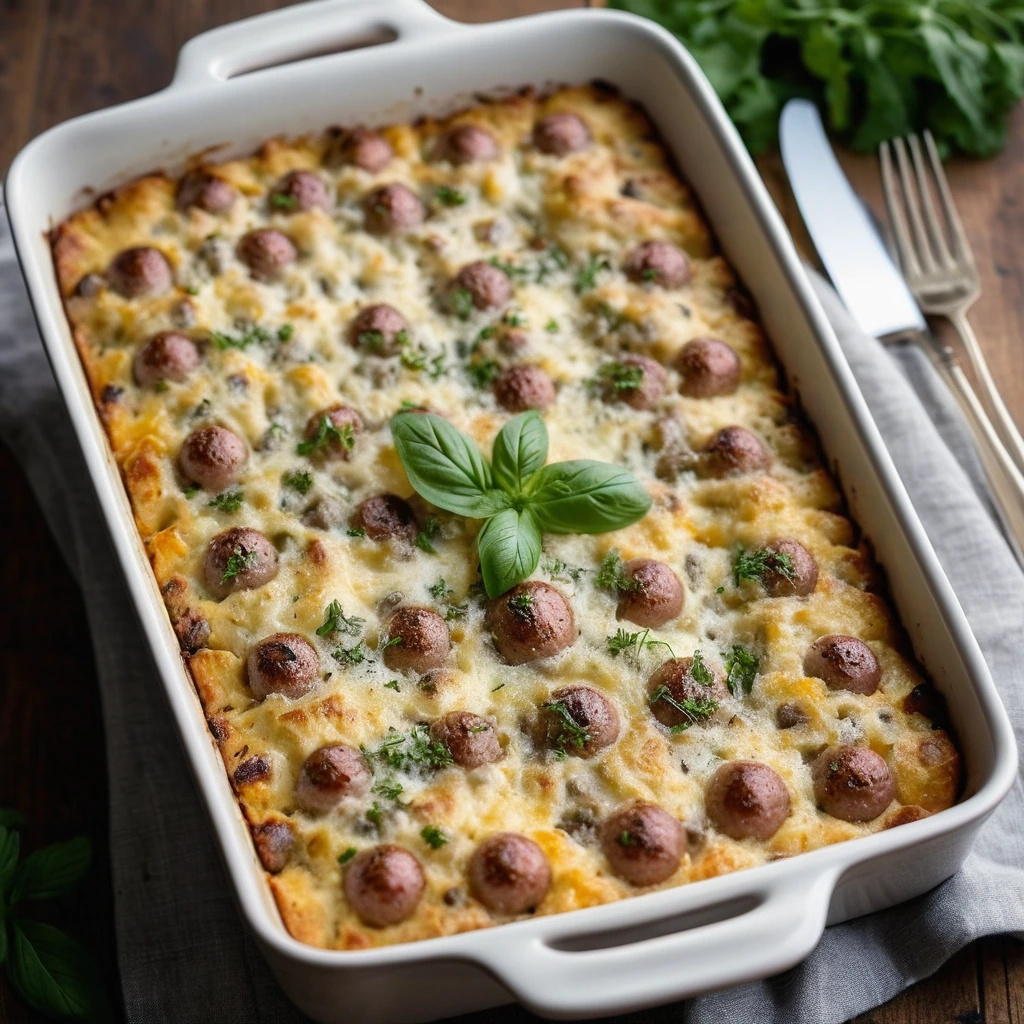
Sausage and Potato Breakfast Casserole
This hearty casserole combines savory sausage, crispy potatoes, and melty cheese into a golden, bubbly brunch masterpiece.