Eggs: French Omelette Technique
The French omelette technique is a classic culinary skill that yields a tender, creamy, and elegantly simple dish. Unlike its fluffier American counterpart, the French omelette is all about finesse and precision. The key to mastering this technique lies in understanding the delicate balance between gentle heat and constant motion. Achieving the perfect French omelette requires attention to detail, from selecting the right pan to mastering the art of folding. This technique celebrates the humble egg in its purest form, showcasing its natural flavor and silky texture. By following these steps, you'll learn how to create an omelette that is neither dry nor rubbery, but rather a silky, golden delight that will impress even the most discerning palate. The French omelette is a testament to the idea that simplicity, when executed with care, can lead to extraordinary results. Whether you're cooking for one or serving a special brunch, mastering this technique will elevate your egg game to new heights.
Notes
The science behind the French omelette lies in the gentle cooking process, which keeps the proteins from overcoagulating and turning rubbery. The addition of water helps create steam for a softer texture. A common mistake is using too high of heat, which can quickly dry out the eggs. Always use medium heat and a well-seasoned non-stick pan. For safety, ensure eggs are fresh and stored properly. This omelette is best enjoyed immediately, but if you need to make ahead, cook it just before serving and keep it warm in a low oven (200°F) for no more than 10 minutes. Leftovers, though rare, can be refrigerated for up to 24 hours but note that reheating may alter the texture.
Steps
- 1 Gather 3 large eggs, a splash of water, salt, and freshly ground pepper.
- 2 Crack the eggs into a bowl, add a splash of water, and season lightly.
- 3 Whisk the eggs vigorously until just combined; avoid overmixing.
- 4 Heat an 8-inch non-stick skillet over medium heat and add 1 tablespoon of unsalted butter.
- 5 Once the butter has melted and just begun to foam, pour in the eggs.
- 6 Immediately begin stirring gently with a fork or spatula, pushing the eggs from the edges toward the center.
- 7 Continue cooking, tilting the pan to ensure even cooking, until the eggs are just set but still glossy and slightly runny on top.
- 8 Gently fold the omelette into thirds using your spatula.
- 9 Slide the folded omelette onto a plate, seam side down.
- 10 Optional: Garnish with fresh herbs like chives or parsley.
- 11 Serve immediately while still warm and creamy.
Ingredients to explore

Anaheim Peppers
Anaheim peppers are a mild chili pepper variety named after Anaheim, California, where they were first cultivated commercially. Originating from the New Mexico region, these peppers are celebrated for their versatility and gentle heat. They possess a flavor that is mildly sweet with a subtle tang, and a pleasant vegetal note reminiscent of green bell peppers, but with a hint of spice. Their texture is firm and crisp when fresh, becoming tender and slightly smoky when roasted or cooked. In cooking, Anaheim peppers behave well across a range of techniques, from grilling and roasting to stuffing and sautéing, contributing a nuanced depth without overwhelming other ingredients with heat.
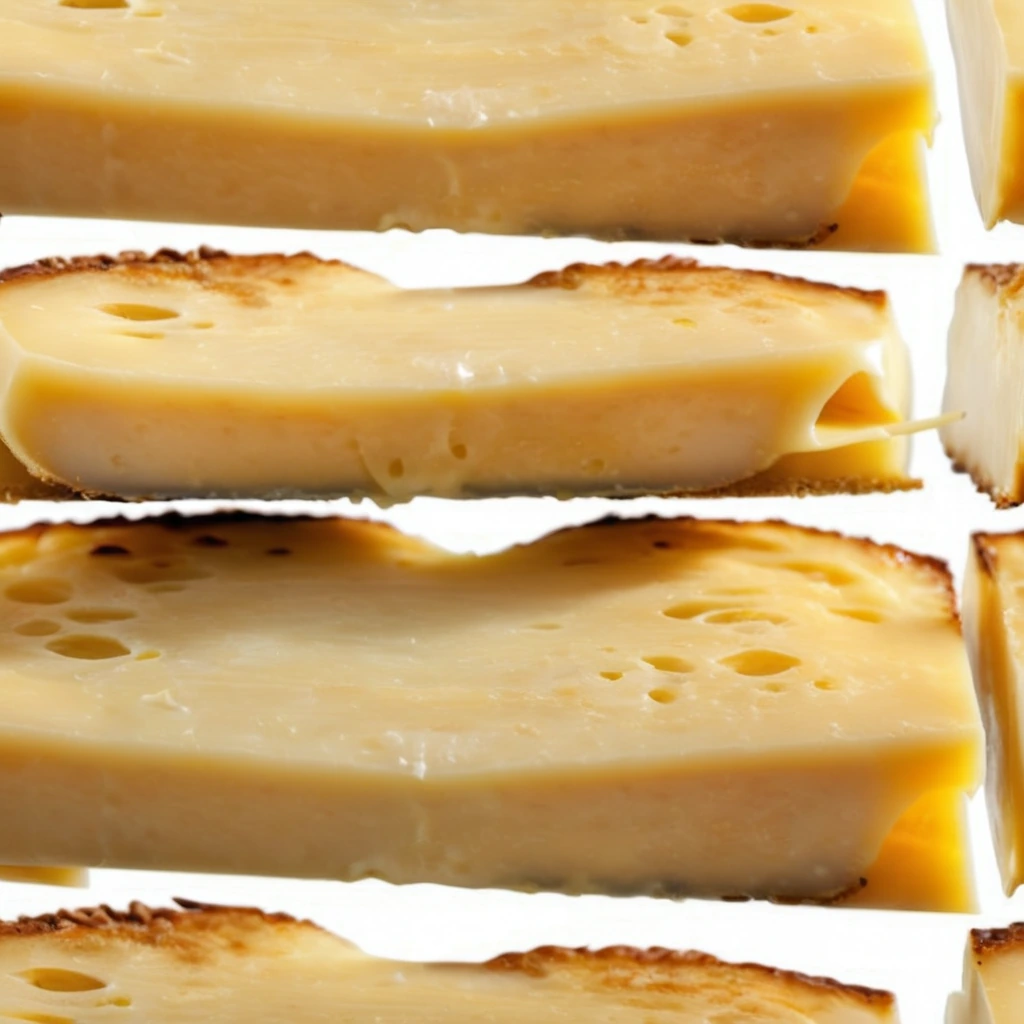
American Cheese Slices
Those iconic, perfectly pliable slices of creamy, mild American cheese. Each slice boasts a smooth, melt-in-your-mouth texture that brings comfort to any dish.
Recipes to try
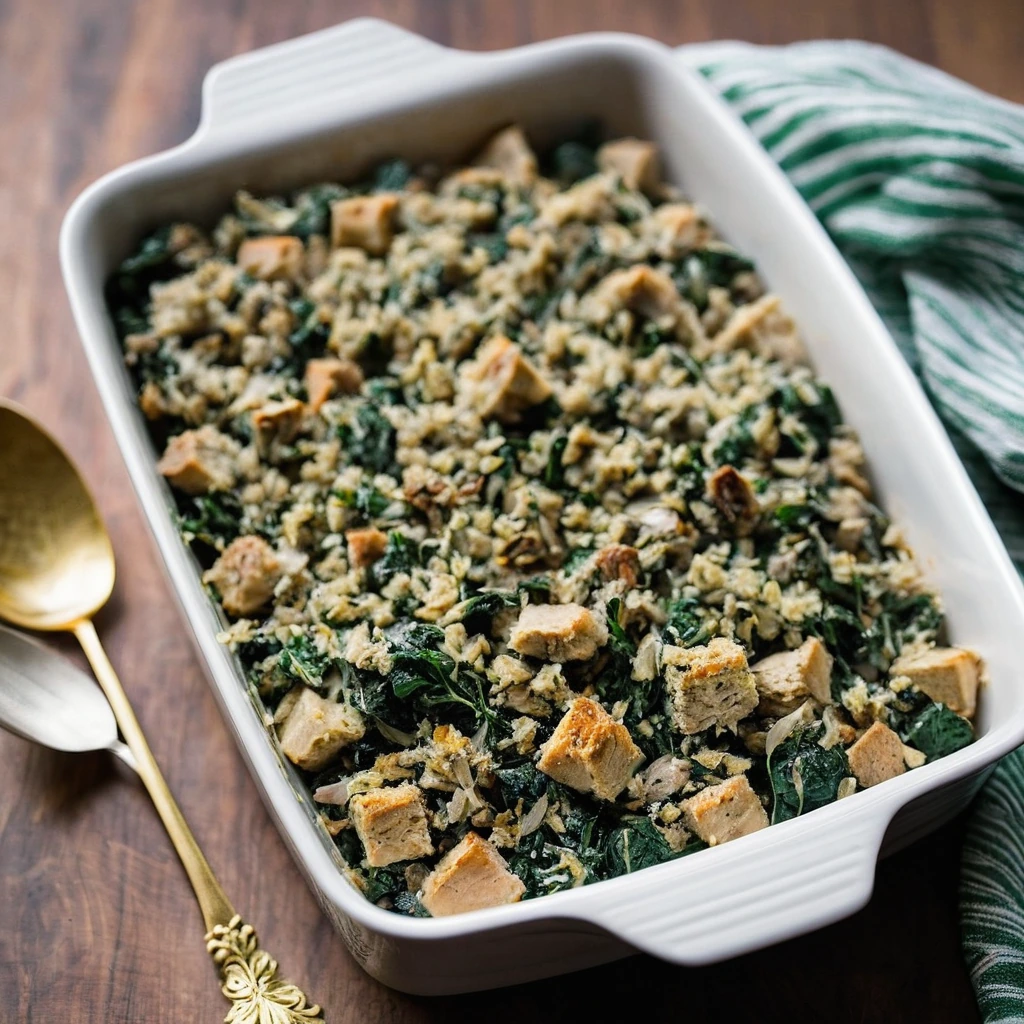
Turkey, Spinach, and Stuffing Casserole
A cozy, golden casserole brimming with tender turkey, vibrant spinach, and savory stuffing.

Sheet Pan Chicken Tikka with Garlic Potatoes
Juicy chicken and golden potatoes roasted to perfection on one sheet pan, infused with smoky tikka spices and garlicky goodness.