Egg Technique: Frying Eggs with Crisp Lace Edges
Achieving the perfect fried egg with crisp lace edges is both an art and a science. This technique transforms your ordinary fried egg into a culinary masterpiece with beautifully delicate, crispy edges that add texture and visual appeal. The secret lies in controlling the heat and manipulating the egg whites to create those coveted lacy edges. First, understanding the right pan and heat is crucial—medium heat ensures the egg cooks gently without burning. Then, there’s the matter of breaking the egg into the pan with finesse, allowing the whites to spread naturally while keeping the yolk intact. As the egg cooks, the key is patience; you want the edges to dry out just enough to form a lacy fringe without overcooking the yolk. This technique is versatile, suitable for sunny-side-up, over-easy, or even over-medium eggs. Mastering it elevates breakfast dishes, sandwiches, and brunches. We’ll dive into the nuances of selecting the right pan, managing the heat, and perfecting the timing to achieve those crisp edges while keeping the yolk runny or just set to your liking. With a bit of practice and attention to detail, you’ll be serving restaurant-quality fried eggs at home.
Notes
The science behind the crisp lace edges lies in the controlled evaporation of water from the egg whites, creating delicate protein structures. Too high heat will cook the egg too quickly, preventing lace formation and potentially burning the edges. Common mistakes include using too high heat, overcrowding the pan, or flipping the egg too soon, which disrupts lace formation. For safety, always use a clean spatula and avoid flipping eggs too vigorously to prevent oil splatters. You can prepare the seasoned eggs ahead and reheat gently in a warm oven (200°F) for up to 30 minutes without losing their crispness.
Steps
- 1 Heat a non-stick skillet over medium heat.
- 2 Add 1 tablespoon of butter or oil to the pan.
- 3 Once the butter is melted and shimmery or the oil is shimmering, crack an egg into a small bowl.
- 4 Gently slide the egg into the center of the skillet.
- 5 Allow the egg white to spread naturally, undisturbed, for 20 seconds.
- 6 Using a spatula, gently nudge the edges of the egg white towards the outer edge of the pan to encourage lacy edges.
- 7 Cook undisturbed until the edges are set and lacy, about 2-3 minutes for sunny-side-up.
- 8 For over-easy or over-medium, flip the egg carefully with a spatula and cook for an additional 30 seconds to 1 minute.
- 9 Remove the egg from the pan immediately to prevent overcooking.
- 10 Place the egg on a plate and season with salt and pepper.
- 11 Repeat with additional eggs, ensuring the pan is properly heated before each addition.
- 12 Serve immediately for best results.
Ingredients to explore
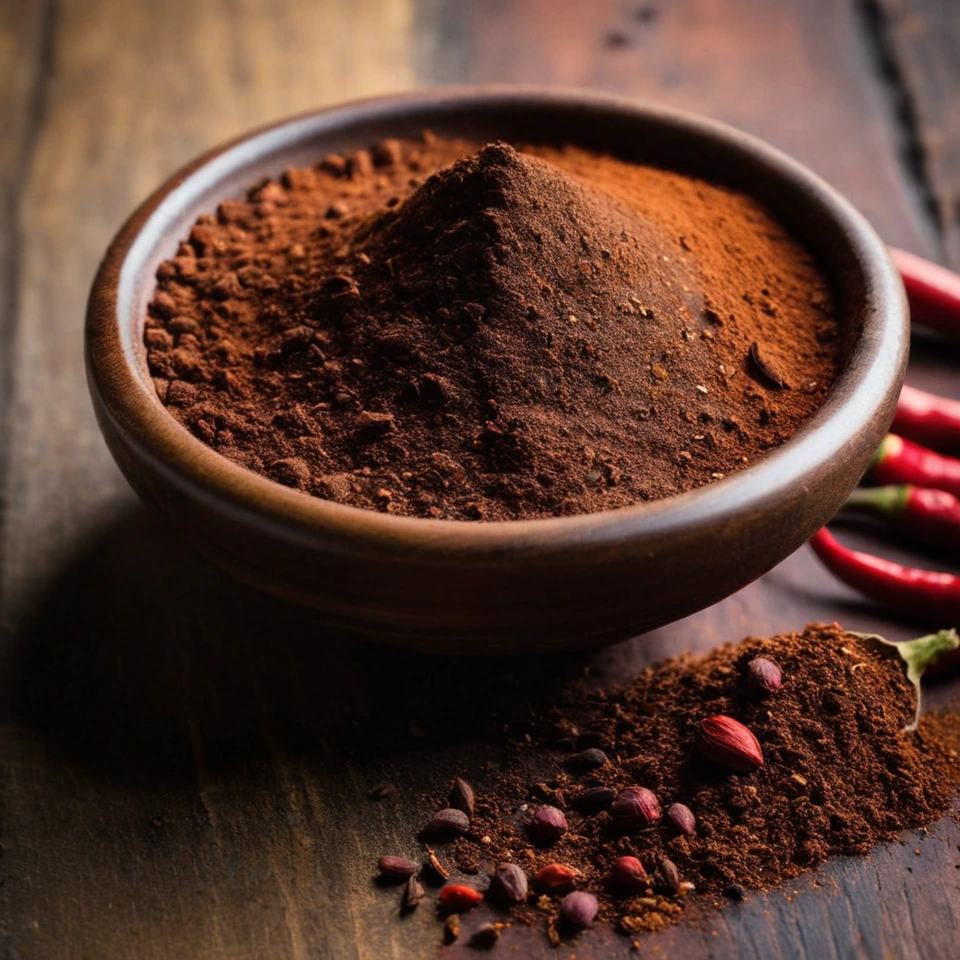
Ancho Chili Powder
Ancho chili powder offers a deep, smoky sweetness with hints of dried fruit and cocoa, reminiscent of its origin as dried poblano peppers from Mexico. Its aroma is warm and inviting, with a mild heat that lingers gently. The texture is fine and velvety, making it easy to incorporate into a variety of dishes. This powder is prized for its ability to add complexity without overwhelming spice, ideal for enriching both traditional Mexican moles and contemporary global cuisines.
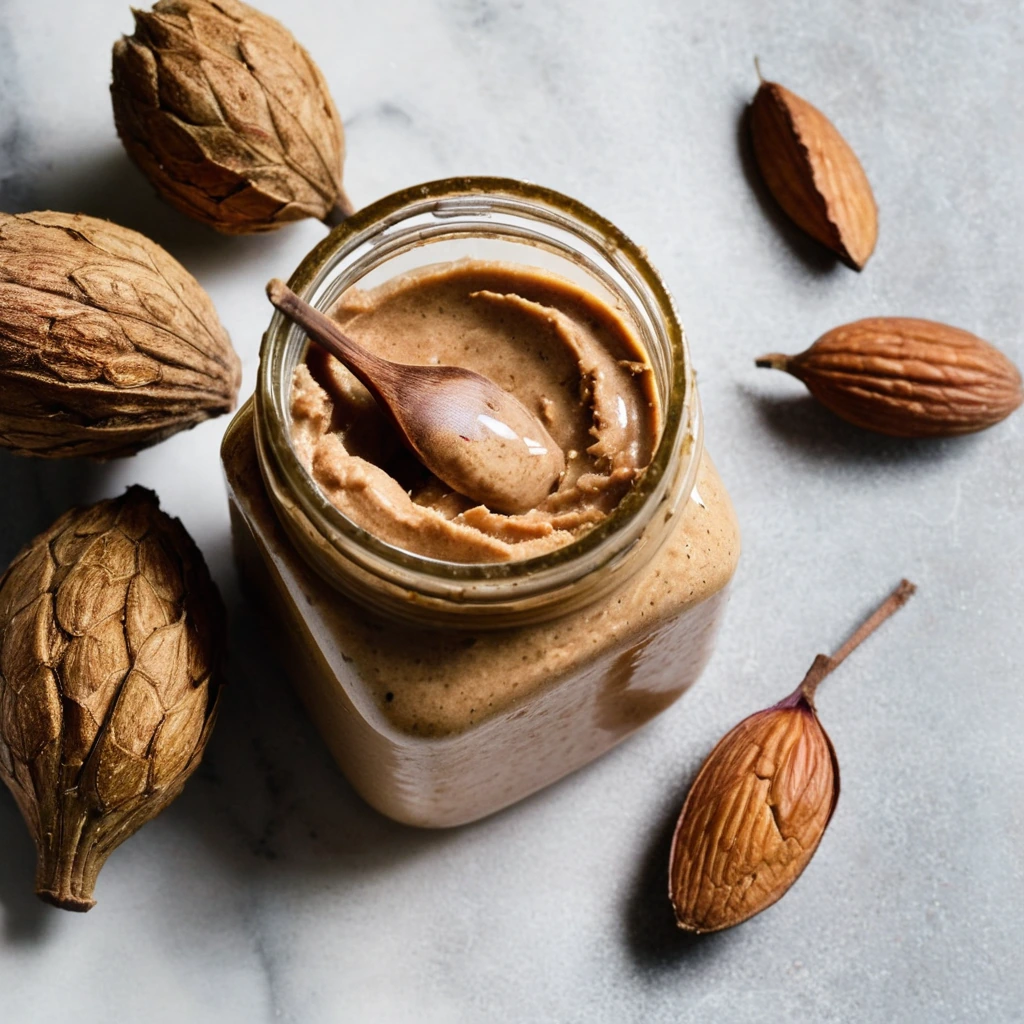
Almond Butter
A velvety, nutty spread crafted from finely ground almonds, offering a rich and satisfying flavor that's both comforting and indulgent.
Recipes to try
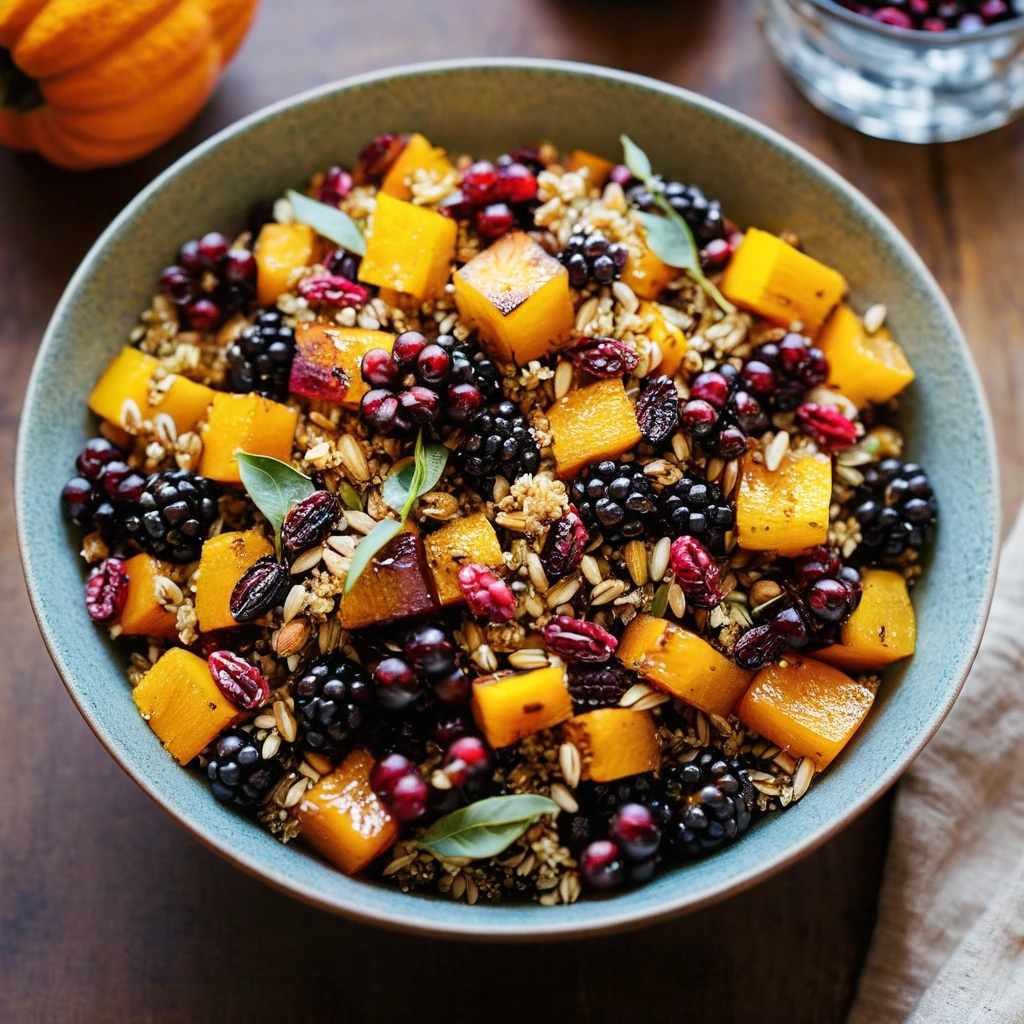
Warm Quinoa Salad with Roasted Squash and Cranberries
A cozy mix of nutty quinoa, tender roasted squash, and sweet cranberries makes this salad a fall favorite.
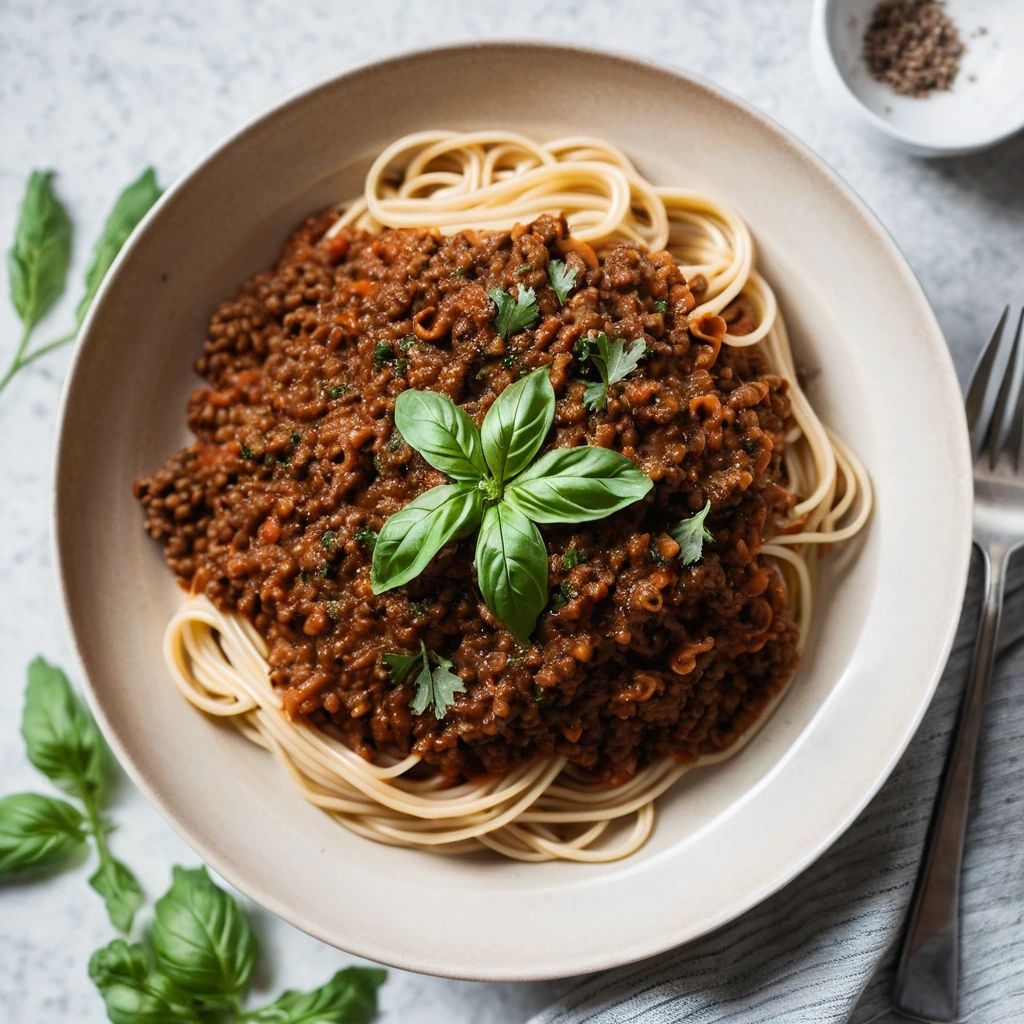
Mushroom and Lentil Bolognese over Spaghetti
A hearty, savory Bolognese packed with earthy mushrooms and protein-rich lentils, served over perfectly al dente spaghetti.