Egg Technique: Creating Silky Custards Without Curdling
Achieving a silky smooth custard is a hallmark of great cooking, but it can be a daunting task for home cooks. The secret lies in mastering the delicate balance of heat and egg proteins to avoid the dreaded curdling. Custards are essentially a mixture of eggs, sugar, and a liquid component like milk or cream, gently heated to thicken. The key is to cook them just enough to set without overcooking, which causes the proteins to tighten and form unsightly curds. This technique will guide you through understanding egg proteins, tempering, and employing gentle heat to create custards that are smooth and luscious every time. We’ll explore why slow and steady wins the race, how to monitor your custard's progress, and how to rescue a custard if it starts to go awry. Whether you're making crème brûlée, flan, or a simple vanilla custard, these tips will ensure your custards are flawless.
Notes
The science behind silky custards lies in denaturing egg proteins gently. Too much heat causes proteins to bond tightly, leading to curdling. By tempering eggs and using low, consistent heat, you encourage proteins to unfold slowly and link together in a fine network, creating a smooth texture. A common mistake is using too high a heat, so patience is key. If you notice small curds forming, remove the custard from heat immediately and strain it. Always use a water bath to bake custards, as it provides gentle, even heat. Custards can be made ahead and stored in the refrigerator for up to 5 days. Ensure your dishes are oven-safe and your oven temperature is accurate with a reliable thermometer.
Steps
- 1 Whisk together eggs and sugar in a medium bowl until fully combined.
- 2 Heat milk or cream in a saucepan over medium-low heat until it steams but does not boil.
- 3 Gradually pour about half of the hot liquid into the egg mixture, whisking constantly to temper the eggs.
- 4 Slowly pour the tempered egg mixture back into the saucepan with the remaining liquid.
- 5 Cook over very low heat, stirring constantly with a wooden spoon or spatula.
- 6 Keep the custard at 170°F to 180°F, using a thermometer to monitor the temperature.
- 7 Continue cooking until the custard coats the back of a spoon, about 10 to 15 minutes.
- 8 Strain custard through a fine-mesh sieve into a clean bowl to remove any lumps.
- 9 Pour custard into serving dishes or a baking dish.
- 10 Place custard dishes in a roasting pan filled with hot water for a water bath.
- 11 Bake in a preheated 325°F oven until just set but still slightly wobbly in the center, about 30 to 40 minutes.
- 12 Remove from oven and let cool to room temperature.
- 13 Cover with plastic wrap pressed directly onto the surface to prevent skin formation.
- 14 Refrigerate until thoroughly chilled before serving.
Ingredients to explore
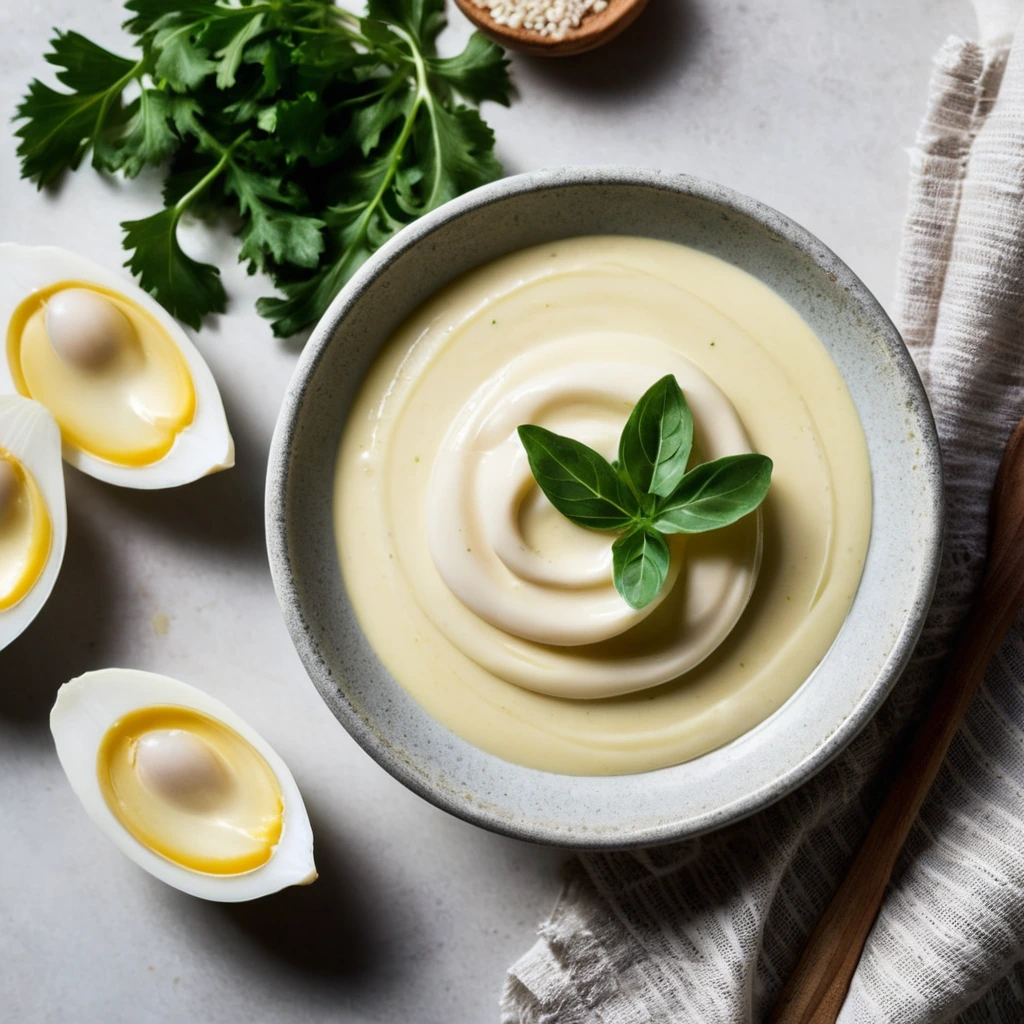
Aioli
A luscious, velvety emulsion of garlic and olive oil, aioli is a rich and aromatic sauce that dances on the palate with its creamy texture and bold, pungent flavor.
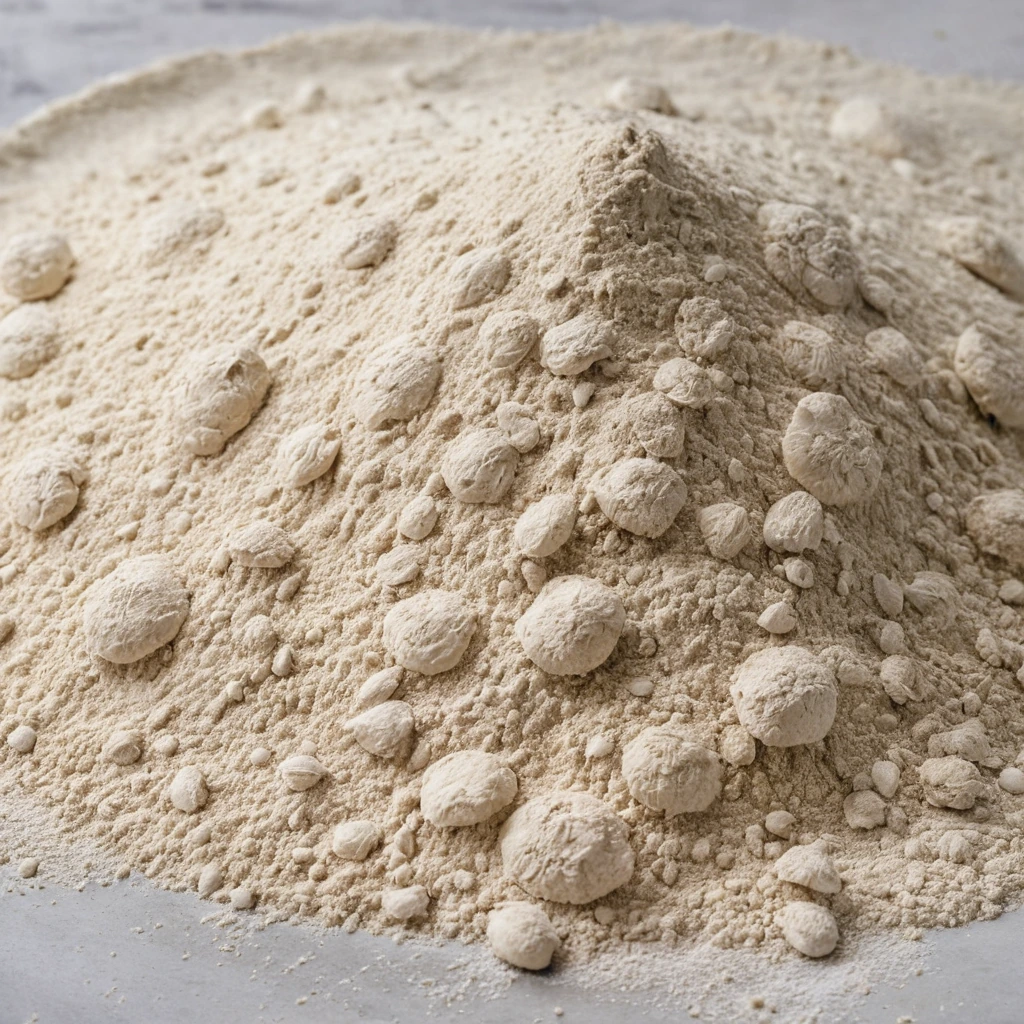
00 Pizza Flour
00 pizza flour is a finely milled Italian flour prized for its versatility in creating authentic Neapolitan-style pizza crusts. Originating from Italy, it is milled to a very fine consistency, which is reflected in its name, 'doppio zero,' indicating its fine grind. This flour has a balanced flavor profile, offering a mild, slightly sweet taste with a subtle nuttiness. Its texture is silky and smooth, contributing to a tender yet chewy crust when used in pizza making. In cooking, 00 pizza flour is known for its ability to hydrate quickly and develop a desirable gluten structure, resulting in a light and airy crust that can withstand high-heat cooking without becoming overly crispy or hard.
Recipes to try
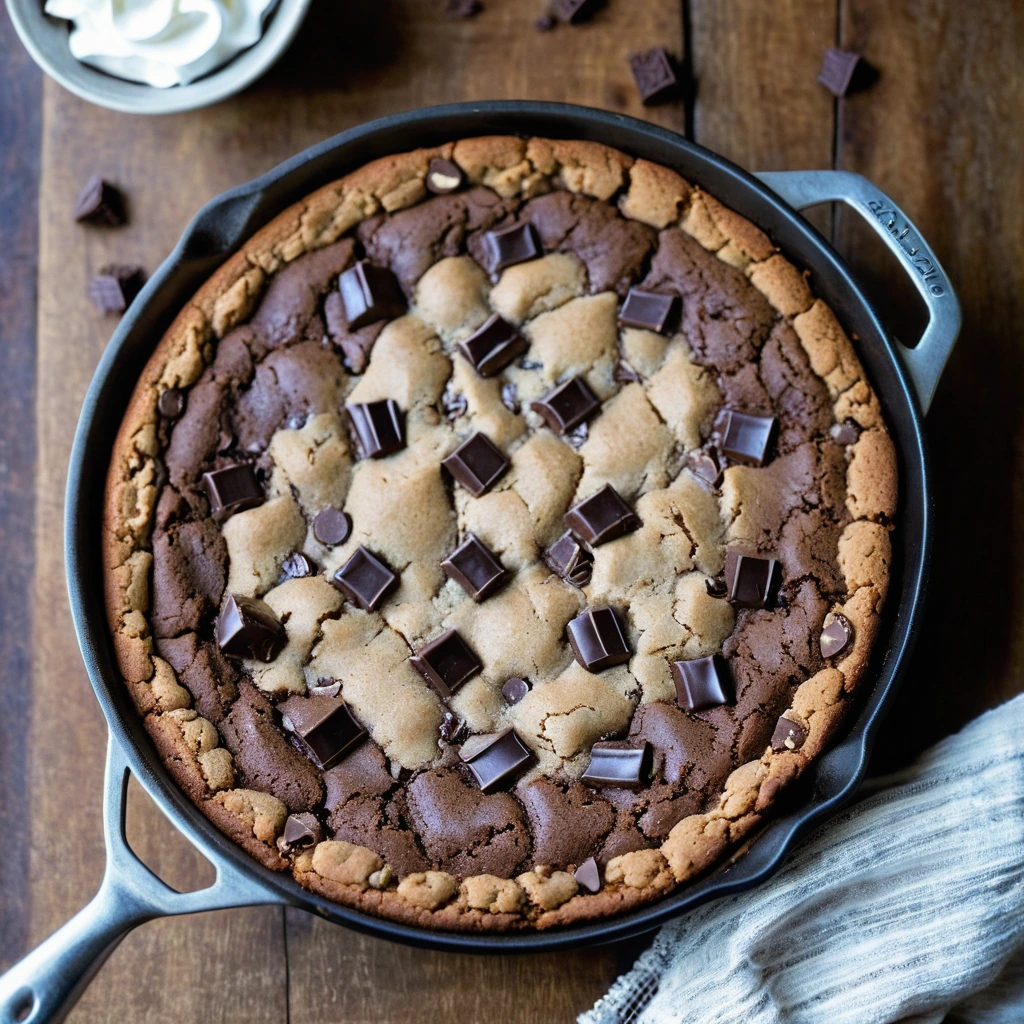
Triple Chocolate Chunk Skillet Cookie
This skillet cookie is a gooey, decadent delight with chunks of dark, milk, and white chocolate that will make you swoon.

Sausage and Feta Stuffed Mini Peppers
These adorable mini peppers are packed with a savory blend of sausage and creamy feta, delivering a burst of flavor in every bite.