Egg Technique: Controlling Sulfur Smell in Cooked Eggs
Cooking eggs is a staple in many households, but sometimes that unmistakable sulfurous whiff can waft from your skillet or saucepan, leaving you questioning your culinary prowess. Fear not, home cook! This technique demystifies the science behind that smell and arms you with practical tips to minimize it. Overcooking eggs is the primary culprit behind the sulfur smell. When egg proteins break down at high temperatures, they release hydrogen sulfide gas, which is what your nose detects. By controlling cooking time and temperature, you can preserve the delicate flavor and aroma of eggs. This guide will walk you through how to keep your eggs fragrant and delicious, rather than downright funky. Understanding the nuances of egg cookery is crucial for any home chef looking to elevate their breakfast game or perfect their brunch dishes. From scrambled eggs to boiled eggs, the sulfur smell can rear its head in various preparations. By mastering this technique, you'll consistently achieve eggs that are not only safe to eat but also a pleasure to savor. Let's dive into the method and ensure your eggs come out smelling like a spring morning rather than rotten eggs.
Notes
The key to controlling sulfur smell lies in precise temperature management. Cooking eggs gently and avoiding high heat preserves their natural flavor and minimizes the release of sulfurous gases. A common mistake is to cook eggs too quickly over high heat, which not only amplifies the smell but also results in a rubbery texture. To troubleshoot, always use a thermometer to monitor your cooking environment. Safety is paramount: ensure eggs are cooked to a temperature that eliminates potential pathogens, but don't linger too long beyond that point. For make-ahead eggs, cook them just until set and refrigerate promptly. When reheating, do so gently to avoid further sulfur development. Stored properly in an airtight container, cooked eggs can last up to four days in the fridge.
Steps
- 1 Start with fresh eggs, ideally one to two weeks old for easier peeling and less sulfur.
- 2 For boiled eggs, bring a pot of water to a gentle boil, aiming for 212°F.
- 3 Once boiling, carefully lower the eggs into the water using a slotted spoon.
- 4 Turn off the heat immediately and cover the pot with a lid.
- 5 Let the eggs sit in the hot water for 9-12 minutes depending on desired doneness.
- 6 For scrambled eggs, cook over low to medium heat, aiming for 140°F to 150°F.
- 7 Gently stir the eggs with a spatula, creating soft curds before they set completely.
- 8 Remove eggs from heat just before they appear fully cooked, as residual heat will finish the job.
- 9 For fried eggs, use a nonstick pan and cook over medium-low heat to prevent overcooking.
- 10 Flip the egg only once and cook for 2-3 minutes on each side for a runny yolk.
- 11 Avoid high heat at all costs, as it speeds up the release of sulfur compounds.
- 12 Serve eggs immediately after cooking to enjoy them at their freshest and most flavorful.
- 13 Use fresh herbs or lemon juice as a garnish to mask any lingering off-odors.
Ingredients to explore
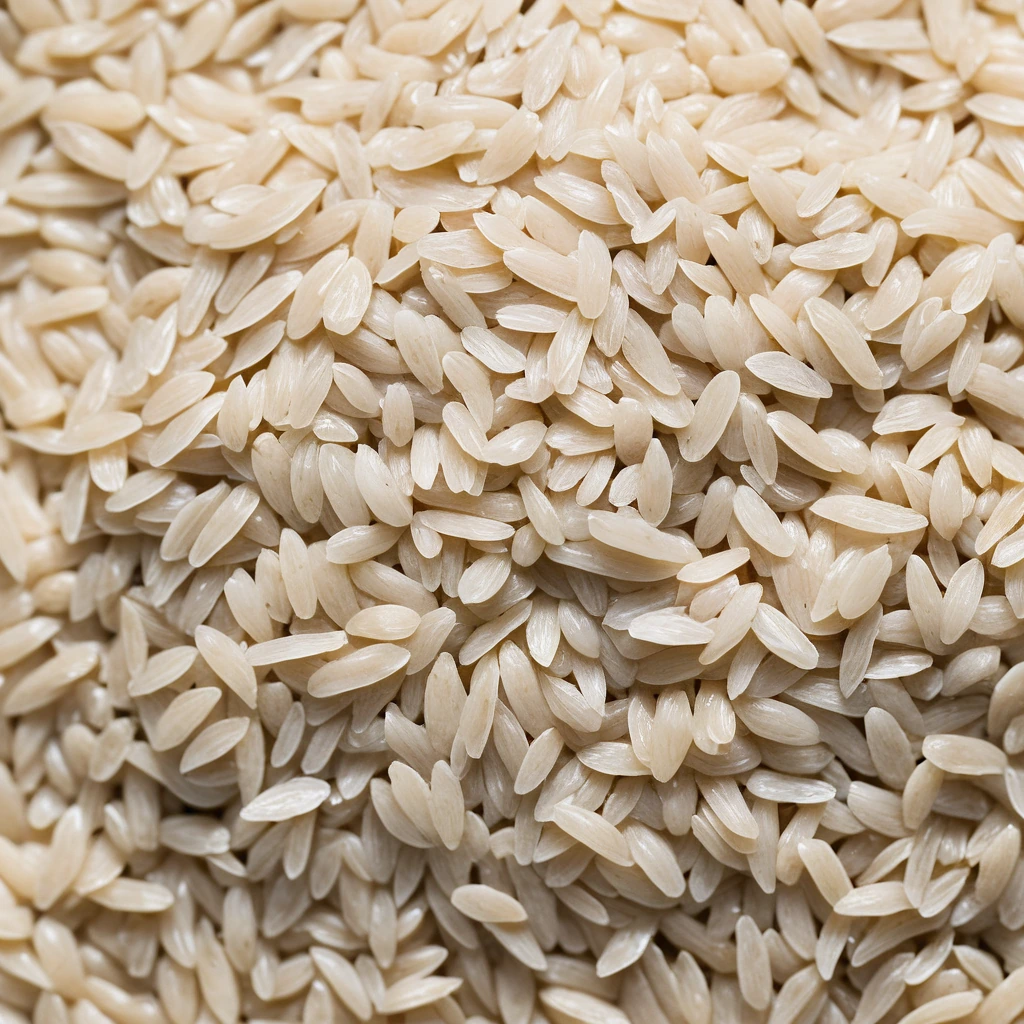
Arborio Rice
Arborio rice is a short-grain Italian rice variety renowned for its use in risotto. Originating from the Po Valley in Northern Italy, it is a staple in Italian cuisine. Its flavor is mild and nutty, with a pleasant creamy texture when cooked due to its high amylopectin content, which releases starch and creates a velvety consistency. The grains remain plump and firm to the bite, offering a satisfying chewiness. In cooking, Arborio rice excels at absorbing flavors from broths and seasonings while maintaining its shape, making it ideal for dishes that require both creaminess and structure.
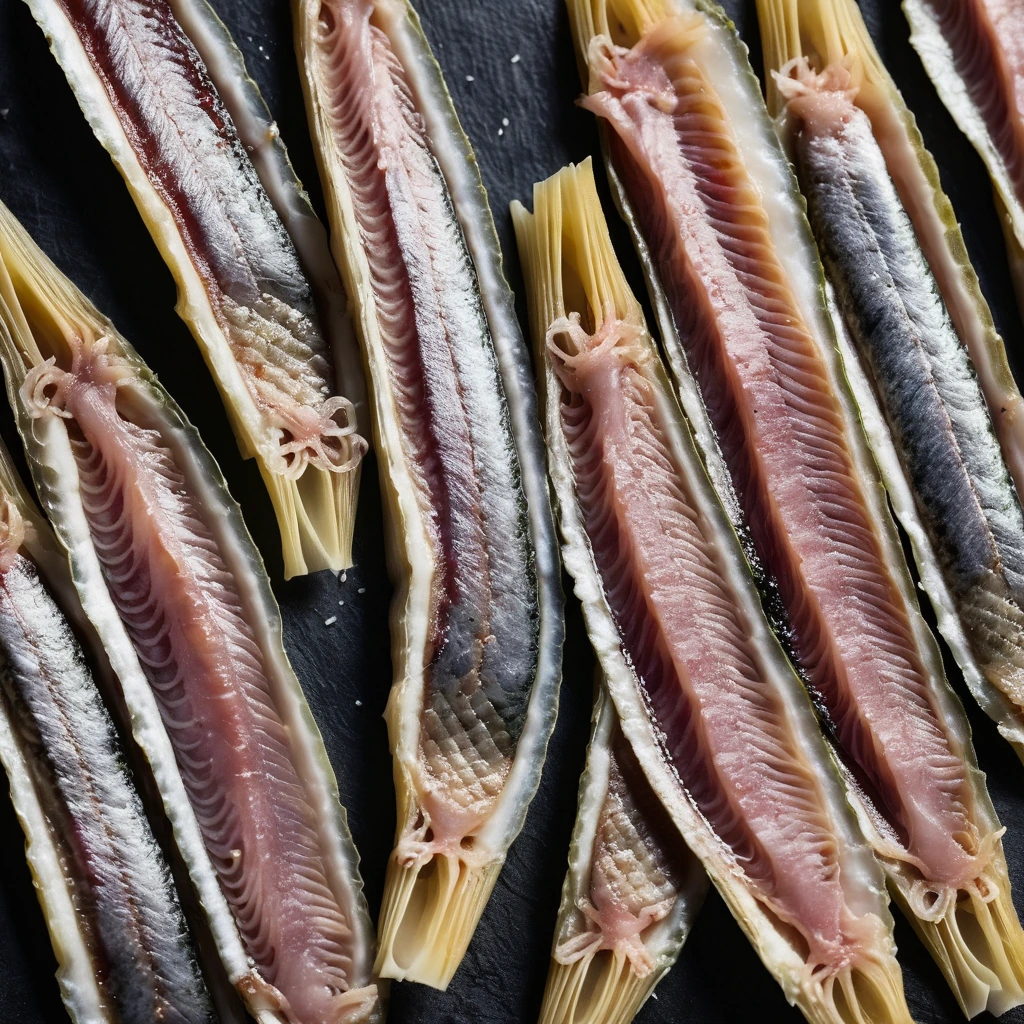
Anchovy Fillets
Silvery and succulent, anchovy fillets are a briny treasure from the sea. Their rich, umami flavor adds depth to dishes, making them a beloved ingredient in kitchens worldwide.
Recipes to try
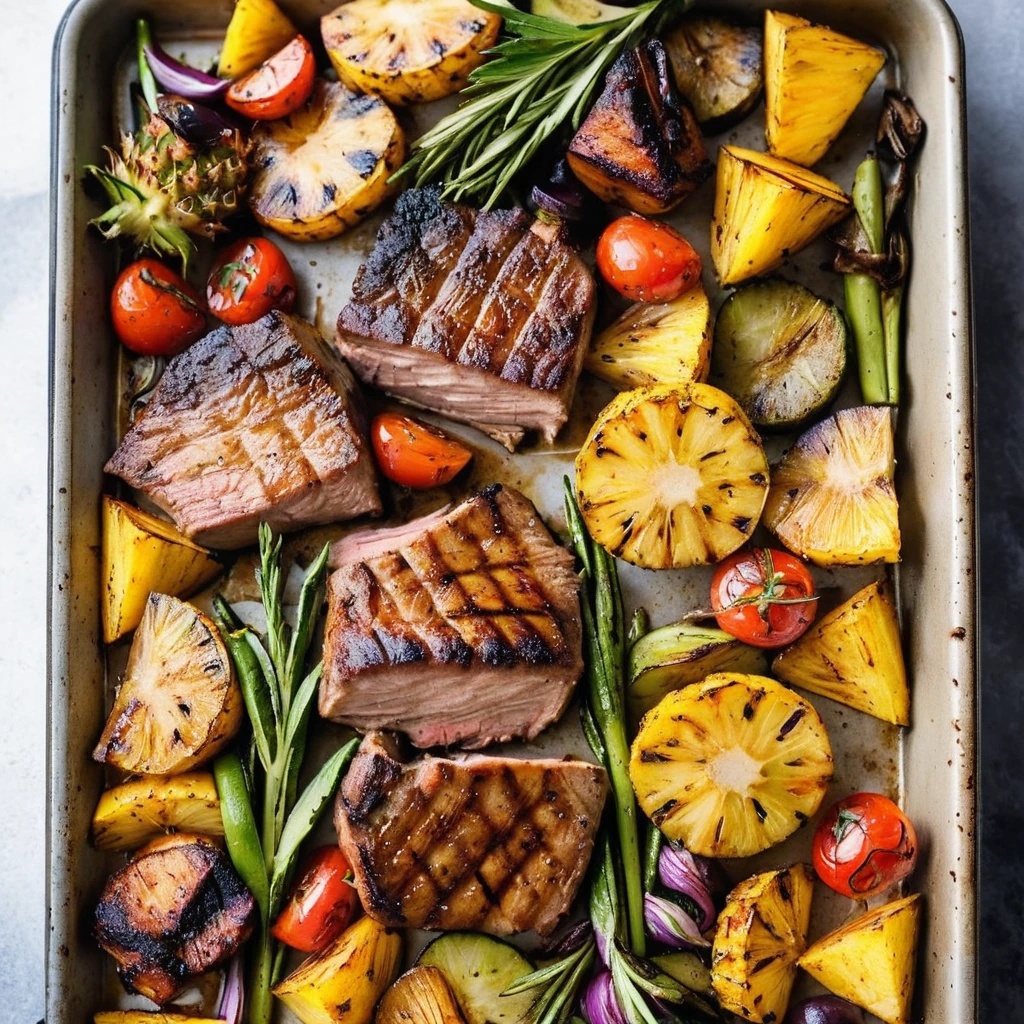
Pork and Pineapple BBQ Sheet Pan Supper
Sweet, tangy, and smoky flavors mingle in this fuss-free sheet pan supper that'll have you licking your plate clean.
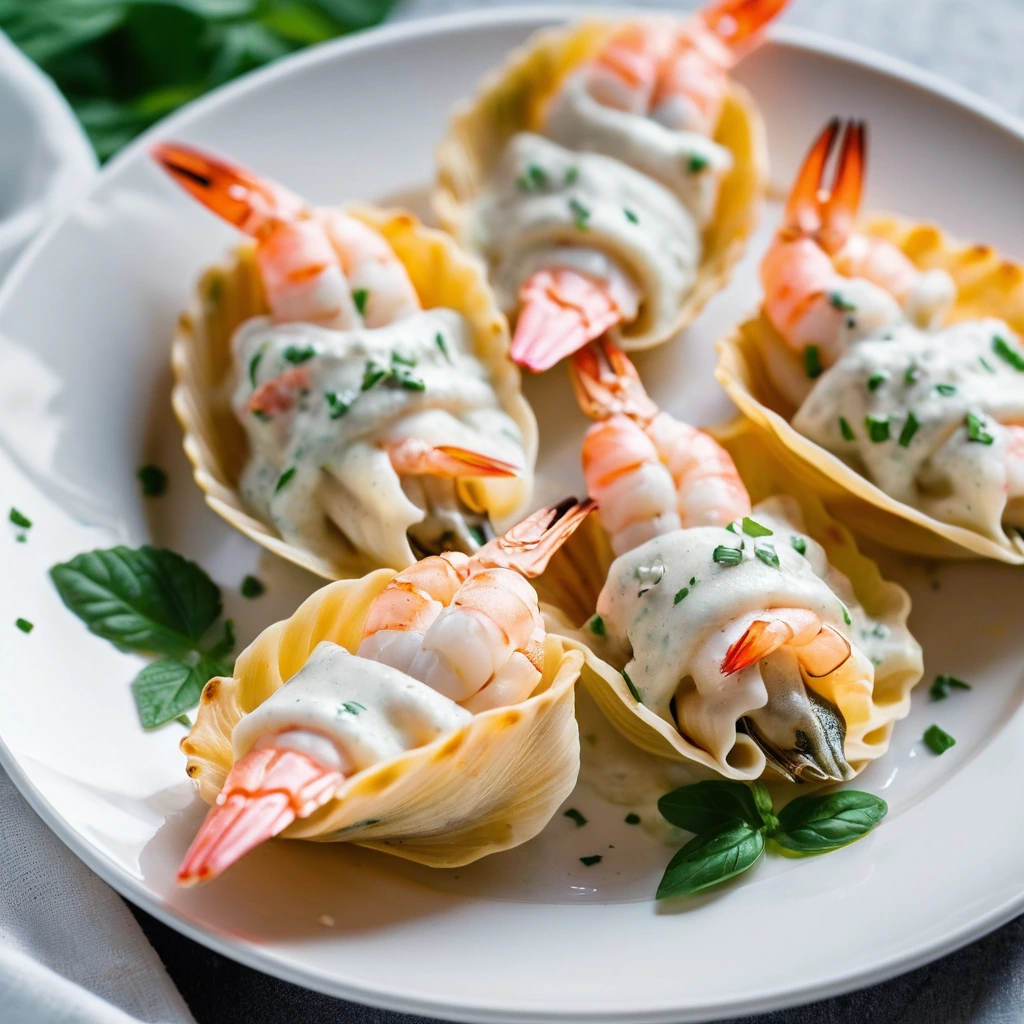
Shrimp Alfredo Stuffed Pasta Shells
Creamy, cheesy alfredo sauce stuffed into plump pasta shells and topped with succulent shrimp—comfort food at its finest.