Egg & Dairy Technique: Using Powdered Milk to Boost Dough Tenderness
When it comes to baking, achieving the perfect texture in your dough can seem like alchemy. One often overlooked ingredient that can transform your baked goods is powdered milk. This versatile pantry staple doesn't just add nutritional value; it can significantly enhance the tenderness and flavor of your dough. Let's dive into the science and technique behind using powdered milk to elevate your baking game. Powdered milk contains milk solids that contribute to browning and flavor development during baking. These solids absorb moisture, creating a softer crumb and richer taste in your final product. Unlike fresh milk, powdered milk offers a concentrated source of these solids without adding excess liquid to your recipe, making it ideal for doughs where precise hydration is critical. The proteins in powdered milk interact with gluten, creating a tender yet resilient structure. Additionally, powdered milk contains emulsifiers like lecithin, which helps distribute fat evenly throughout the dough, contributing to a softer texture. When using powdered milk, it's important to consider the balance of wet and dry ingredients to maintain the desired dough consistency. Whether you're making bread, rolls, or pastries, incorporating powdered milk can yield a product that's irresistibly tender and flavorful. This technique is particularly useful for home bakers aiming to replicate the professional results seen in artisanal breads and pastries. With a few simple adjustments, you can harness the power of powdered milk to enhance your baking, creating dough that bakes into a delightful treat.
Notes
The science behind using powdered milk lies in its ability to tenderize dough while enhancing browning and flavor. Milk solids contain proteins and sugars that undergo the Maillard reaction, creating a rich, golden crust. Troubleshooting common mistakes involves ensuring proper hydration; too much powdered milk can dry out your dough. To avoid this, adjust liquid quantities accordingly. For safety, store powdered milk in a cool, dry place to maintain freshness. For make-ahead and storage, baked goods made with powdered milk can be stored similarly to those made with fresh milk—keep them in airtight containers for up to 3 days or freeze for longer storage.
Steps
- 1 Read your recipe to determine the amount of milk required.
- 2 Measure out the powdered milk according to the recipe's instructions.
- 3 If replacing fresh milk, use 1/3 cup powdered milk for every 1 cup of milk.
- 4 Combine the powdered milk with the dry ingredients in your recipe.
- 5 Proceed with mixing your dough as usual, ensuring all ingredients are well incorporated.
- 6 Knead the dough until smooth and elastic, about 8-10 minutes by hand or 5-7 minutes with a stand mixer.
- 7 Allow the dough to rise in a warm, draft-free place until doubled in size, typically 1-2 hours.
- 8 Shape your dough into the desired form and let it rise again, if necessary.
- 9 Preheat your oven to the temperature specified in your recipe.
- 10 Bake your dough until golden brown, checking for doneness at the minimum time indicated.
Ingredients to explore

Anchovy Fillets
Silvery and succulent, anchovy fillets are a briny treasure from the sea. Their rich, umami flavor adds depth to dishes, making them a beloved ingredient in kitchens worldwide.

Acorn Squash
Acorn squash is a winter squash variety known for its distinctive teardrop shape and deep ridges resembling the texture of an acorn shell. Originating in the Americas, it has been cultivated for centuries and is a staple in autumn cuisine. The flesh is sweet and nutty with a hint of earthiness, offering a delightful contrast to savory dishes. Its texture is dense yet tender when cooked, making it ideal for roasting or pureeing. In cooking, acorn squash holds its shape well and absorbs flavors from herbs and spices, enhancing both its taste and versatility in recipes.
Recipes to try

Spinach and Ricotta Stuffed Pizza Pockets
Golden, crispy pockets filled with a creamy ricotta and spinach blend that'll have you reaching for seconds.
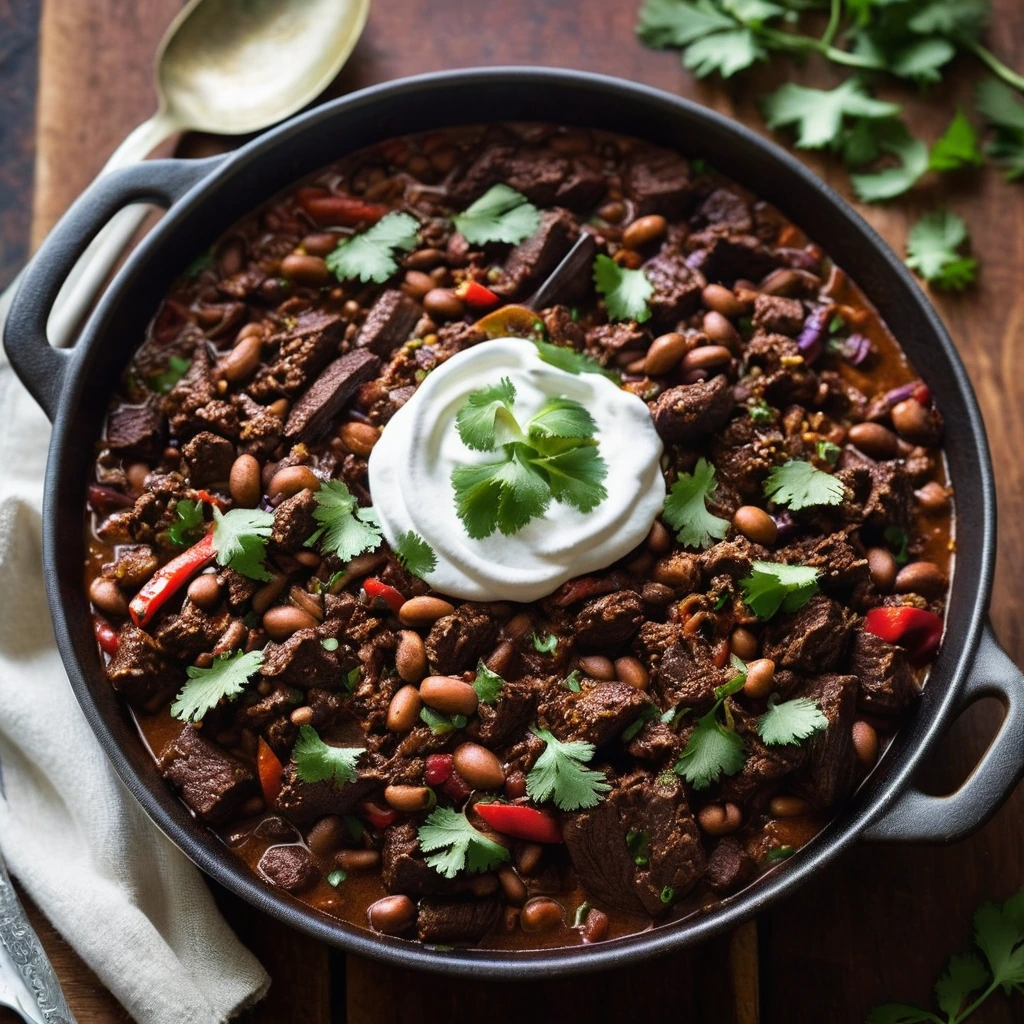
Smoky Ancho Chili Beef and Bean Skillet
Rich, smoky, and deeply satisfying, this skillet dish combines tender beef with hearty beans for a comforting meal.