Egg & Dairy Technique: Using Buttermilk for Tender Crumb in Baking
Buttermilk is a secret weapon in the baker's arsenal, prized for its ability to create a tender, moist crumb in baked goods. Unlike regular milk, buttermilk is slightly acidic, which activates baking soda and helps baked goods rise. This acidity also interacts with gluten proteins, weakening them just enough to produce a delicate texture. Moreover, the lactic acid bacteria in buttermilk contribute to flavor development, offering a subtle tang that enhances the overall taste profile. When used in cakes, muffins, biscuits, and pancakes, buttermilk works wonders, ensuring your creations are both fluffy and flavorful. Understanding the science behind buttermilk allows home bakers to harness its full potential, creating bakery-quality goods right in their own kitchens. Whether you're new to baking or looking to refine your techniques, incorporating buttermilk can elevate your recipes to new heights. Its unique properties not only tenderize baked goods but also extend their shelf life by inhibiting microbial growth. Let’s dive into the magic of buttermilk and discover how to wield this dairy darling to achieve the perfect tender crumb.
Notes
The science behind buttermilk's magic lies in its acidity, which reacts with baking soda to create carbon dioxide, resulting in lift and a tender crumb. To avoid common mistakes, always measure your buttermilk accurately and use fresh buttermilk for the best results. If you run out of buttermilk, you can make a substitute by adding 1 tablespoon of lemon juice or vinegar to a cup of milk and letting it sit for 5 minutes. For storage, keep buttermilk refrigerated and use within a week of opening. While you can make your biscuit dough ahead of time and refrigerate it for up to a day, remember that the dough may spread less upon baking if chilled. Always bring your oven up to the correct temperature before baking to ensure even cooking.
Steps
- 1 Preheat your oven to 375°F.
- 2 Measure out 2 cups of all-purpose flour into a mixing bowl.
- 3 Add 1 tablespoon of baking powder and 1/2 teaspoon of baking soda to the flour.
- 4 Whisk the dry ingredients together to ensure they are well combined.
- 5 In a separate bowl, whisk together 1 cup of buttermilk and 1 large egg.
- 6 Gradually pour the buttermilk mixture into the dry ingredients, stirring gently with a spatula.
- 7 Mix just until a shaggy dough forms; avoid overmixing to maintain a tender crumb.
- 8 Turn the dough onto a floured surface and gently knead it 4-5 times.
- 9 Pat the dough to a 1-inch thickness and cut out biscuits with a biscuit cutter.
- 10 Place the biscuits on a parchment-lined baking sheet.
- 11 Bake for 12-15 minutes, or until golden brown on top.
- 12 Allow the biscuits to cool on a wire rack for 5 minutes before serving.
Ingredients to explore
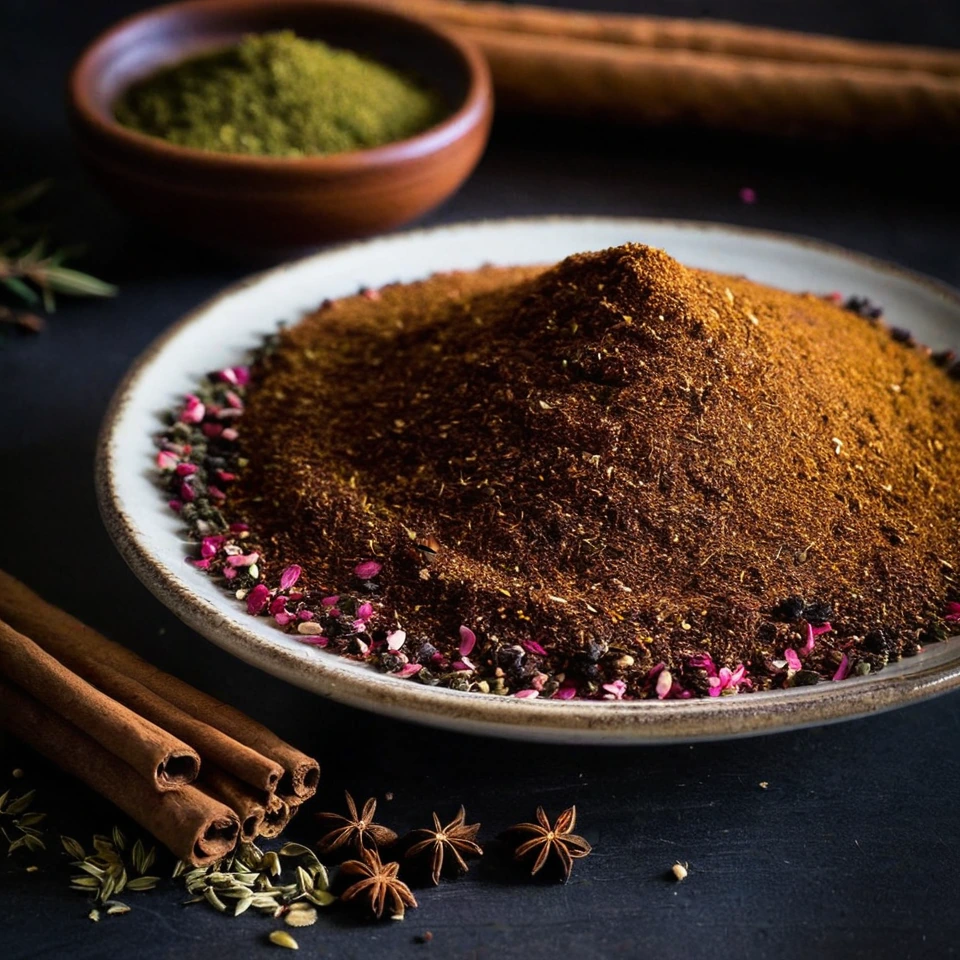
Advieh (Persian Spice Blend)
Advieh is a fragrant Persian spice blend that boasts a complex aroma of warm cinnamon, earthy cumin, and floral hints of rose and saffron. Its texture is finely ground, making it easy to incorporate into dishes. Originating from the rich culinary traditions of Iran, advieh adds depth and sophistication to both savory and sweet recipes. Its unique combination of spices reflects the historical spice trade routes that influenced Persian cuisine.
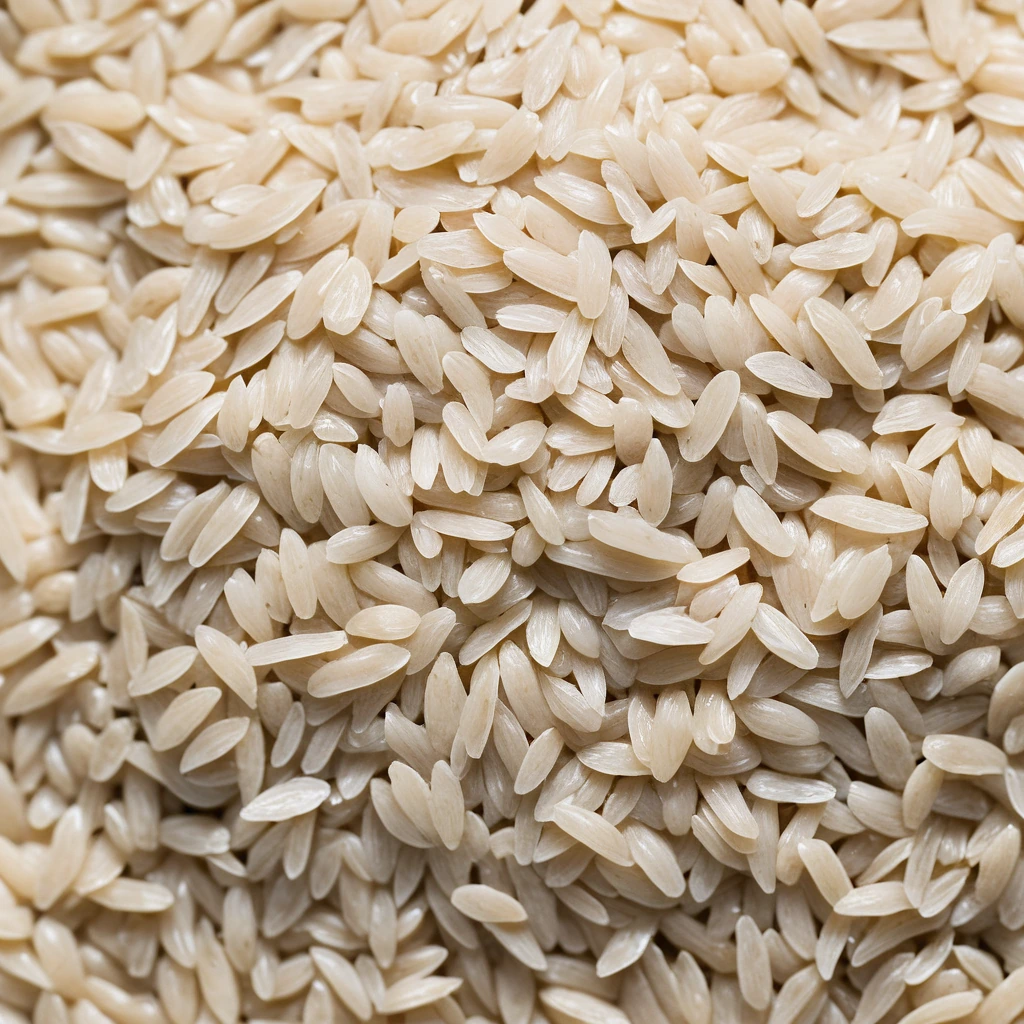
Arborio Rice
Arborio rice is a short-grain Italian rice variety renowned for its use in risotto. Originating from the Po Valley in Northern Italy, it is a staple in Italian cuisine. Its flavor is mild and nutty, with a pleasant creamy texture when cooked due to its high amylopectin content, which releases starch and creates a velvety consistency. The grains remain plump and firm to the bite, offering a satisfying chewiness. In cooking, Arborio rice excels at absorbing flavors from broths and seasonings while maintaining its shape, making it ideal for dishes that require both creaminess and structure.
Recipes to try
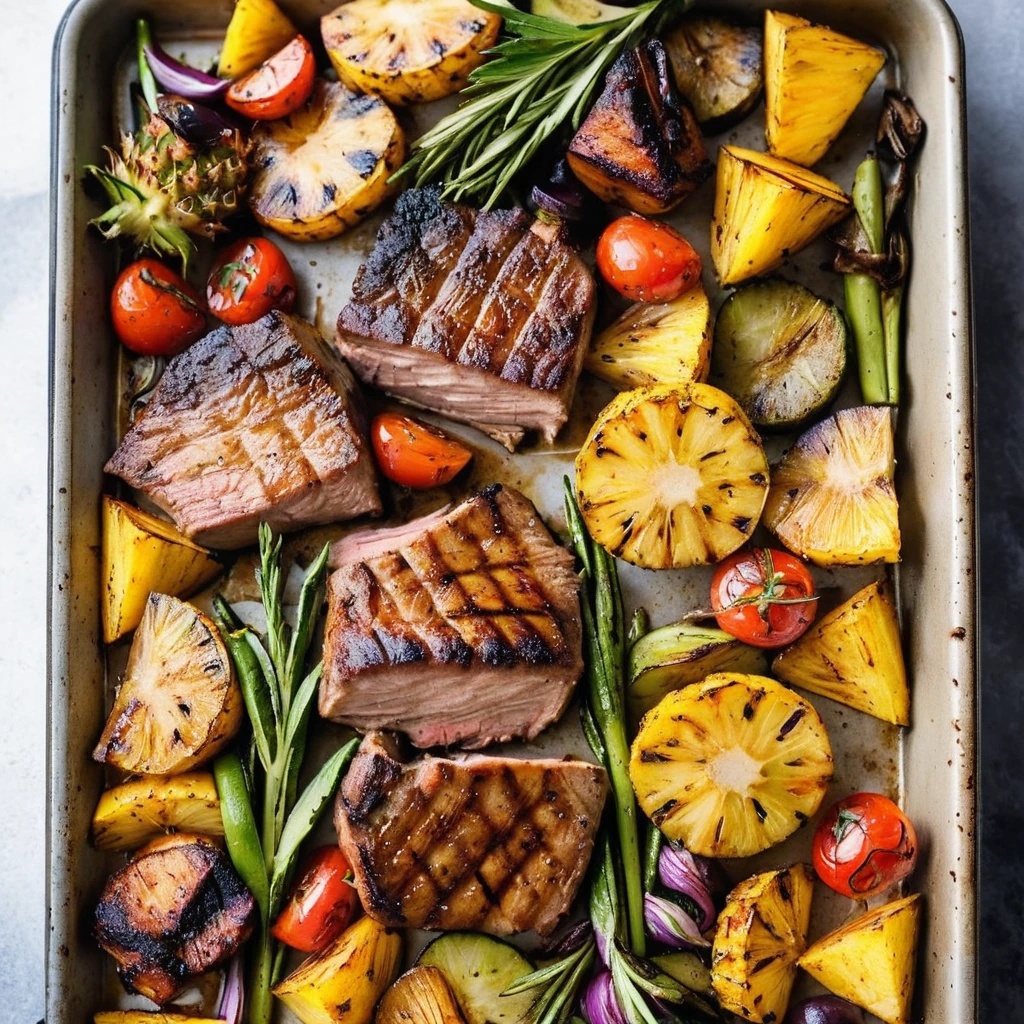
Pork and Pineapple BBQ Sheet Pan Supper
Sweet, tangy, and smoky flavors mingle in this fuss-free sheet pan supper that'll have you licking your plate clean.
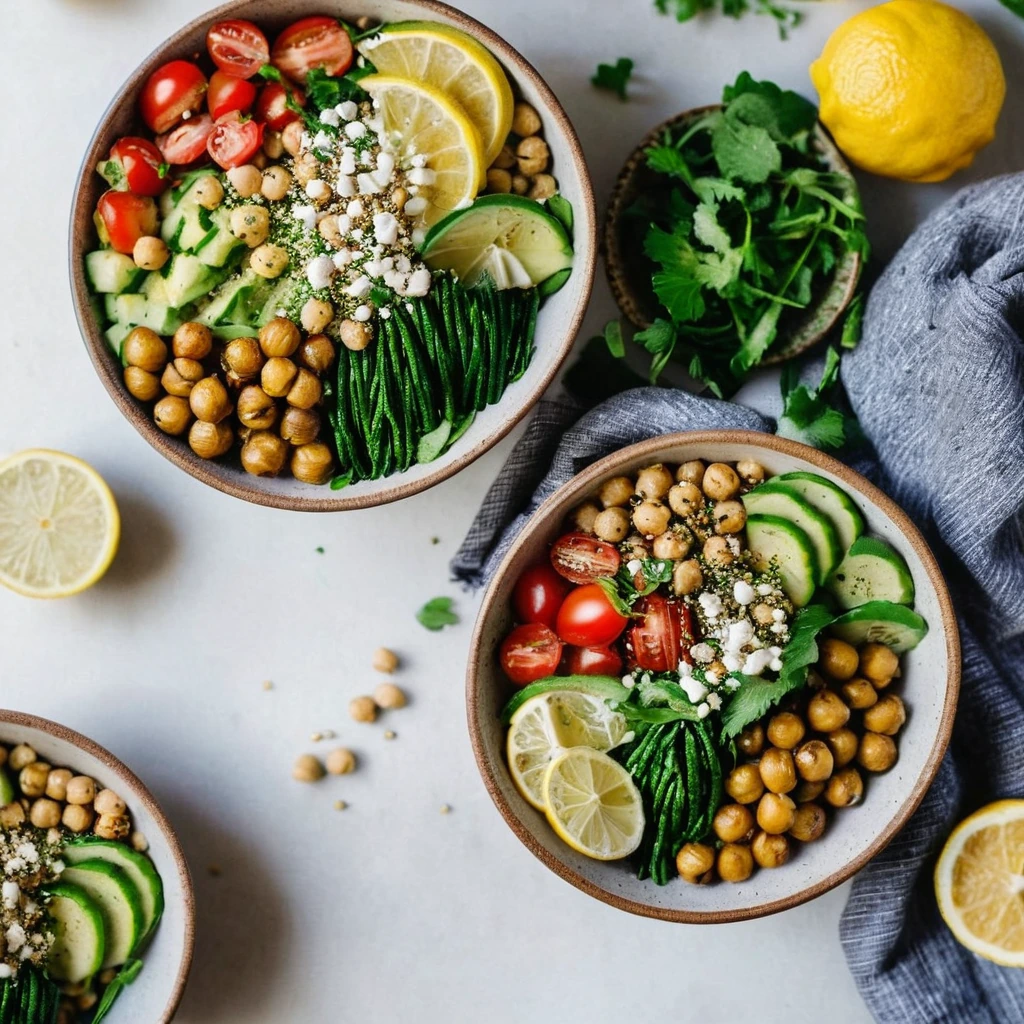
Mediterranean Chickpea Bowls with Lemon Tahini
A vibrant medley of textures and flavors, these bowls are packed with lemony tahini drizzle and fresh Mediterranean herbs.