Egg & Dairy Technique: Building a Cheese Board with Texture Variety
Creating a cheese board that offers a symphony of textures is an art form that can elevate any gathering. The key lies in selecting cheeses that span the spectrum from creamy to crumbly, ensuring every bite is an adventure. First, understand the role of proteins and fats in cheese texture; the coagulation of milk proteins and the fat content determine whether a cheese will be soft and spreadable or firm and sliceable. Soft cheeses like brie or camembert offer a luscious creaminess, while aged cheddar provides a satisfyingly sharp and crumbly experience. Incorporating semi-soft cheeses like gouda or havarti adds a delightful balance. Don't forget the importance of temperature—cheese should be served at room temperature to fully appreciate its texture and flavor. Pairings are crucial; nuts, honey, and cured meats can accentuate different textures and flavors. Experiment with blue cheeses for their distinctive veiny structure and pungent taste. Consider the visual appeal; arrange your cheeses to create an inviting spread that entices guests to explore. Finally, remember that cheese is a living product, and its texture can change with age, so plan accordingly.
Notes
The science behind cheese texture lies in the manipulation of milk proteins and fats. Soft cheeses have higher moisture content, while aged cheeses lose moisture and develop complex textures. To troubleshoot, if a cheese is too hard, it may need more time at room temperature. Avoid common mistakes like overcrowding the board, which can overwhelm guests. For safety, always check cheese expiration dates and store leftovers properly. For make-ahead preparation, assemble the board an hour before serving to allow cheeses to reach optimal temperature. Store cheeses wrapped in parchment paper and then plastic wrap in the refrigerator for up to a week.
Steps
- 1 Select at least five cheeses offering different textures: creamy, semi-soft, firm, crumbly, and blue.
- 2 Choose a creamy cheese like brie or camembert for a smooth, spreadable option.
- 3 Include a semi-soft cheese such as gouda or havarti for a pliable texture.
- 4 Pick a firm cheese like aged cheddar or manchego for slicing.
- 5 Add a crumbly cheese, such as feta or aged goat cheese, for contrast.
- 6 Incorporate a blue cheese like Roquefort or Gorgonzola for its unique texture and flavor.
- 7 Allow cheeses to sit at room temperature for at least an hour before serving.
- 8 Arrange cheeses on a large platter, grouping similar textures together for visual impact.
- 9 Add accompaniments like nuts, dried fruits, honey, and cured meats around the cheeses.
- 10 Place small labels or cards to identify each cheese for your guests.
- 11 Provide a variety of crackers and bread to complement different textures.
- 12 Offer palate cleansers like grapes or apple slices.
- 13 Ensure you have serving utensils for each type of cheese.
- 14 Consider the seasonality of your pairings to enhance flavor profiles.
Ingredients to explore
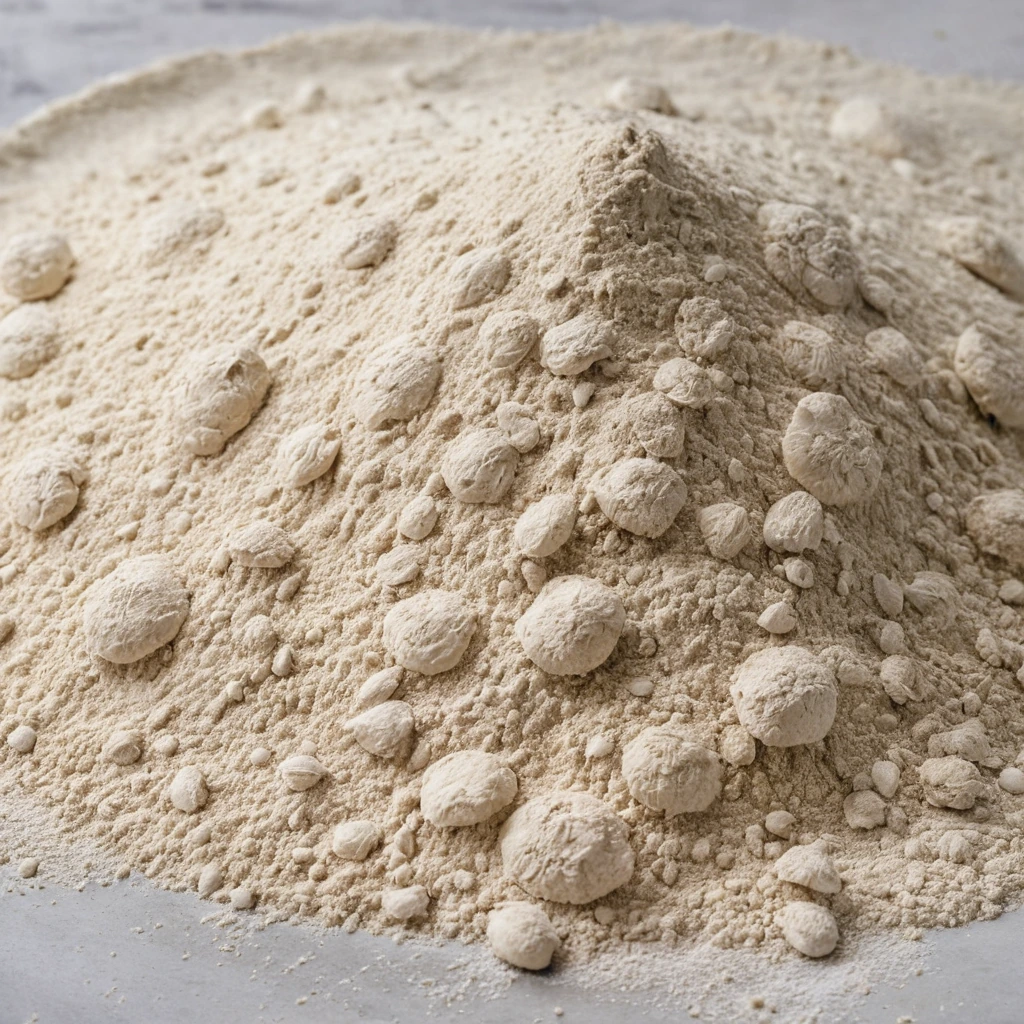
00 Pizza Flour
00 pizza flour is a finely milled Italian flour prized for its versatility in creating authentic Neapolitan-style pizza crusts. Originating from Italy, it is milled to a very fine consistency, which is reflected in its name, 'doppio zero,' indicating its fine grind. This flour has a balanced flavor profile, offering a mild, slightly sweet taste with a subtle nuttiness. Its texture is silky and smooth, contributing to a tender yet chewy crust when used in pizza making. In cooking, 00 pizza flour is known for its ability to hydrate quickly and develop a desirable gluten structure, resulting in a light and airy crust that can withstand high-heat cooking without becoming overly crispy or hard.
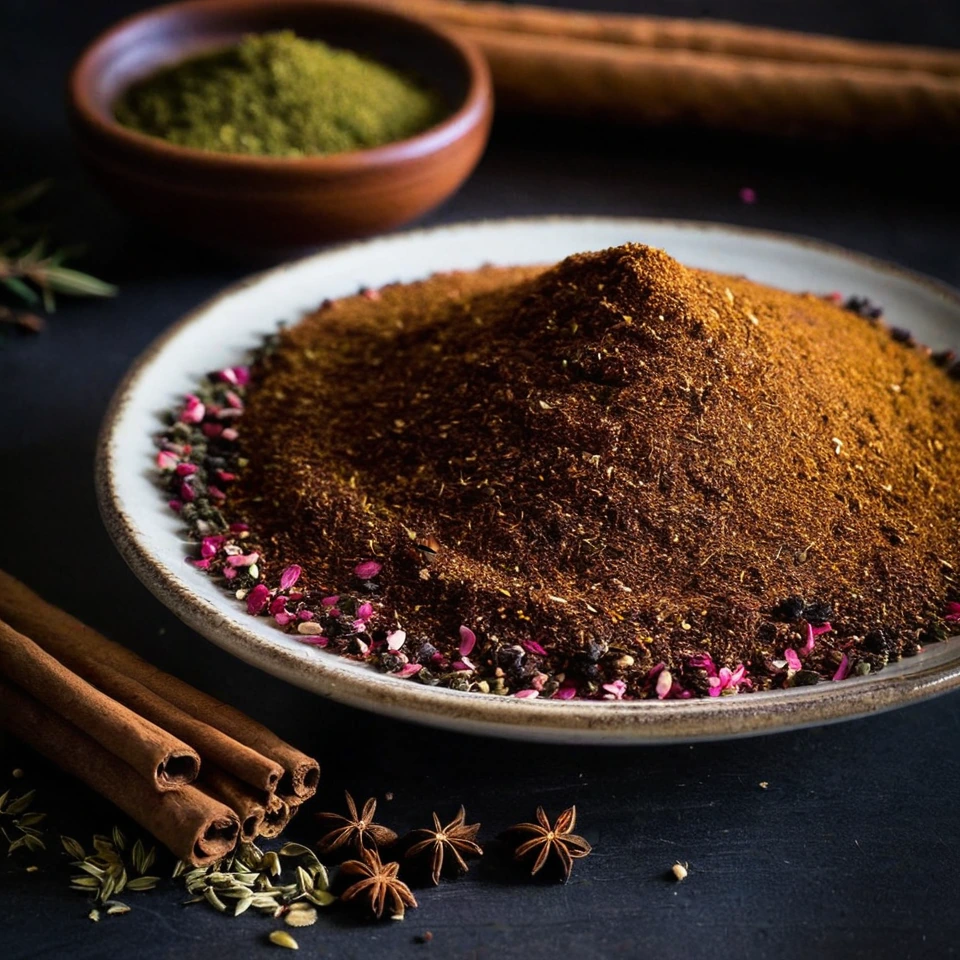
Advieh (Persian Spice Blend)
Advieh is a fragrant Persian spice blend that boasts a complex aroma of warm cinnamon, earthy cumin, and floral hints of rose and saffron. Its texture is finely ground, making it easy to incorporate into dishes. Originating from the rich culinary traditions of Iran, advieh adds depth and sophistication to both savory and sweet recipes. Its unique combination of spices reflects the historical spice trade routes that influenced Persian cuisine.
Recipes to try
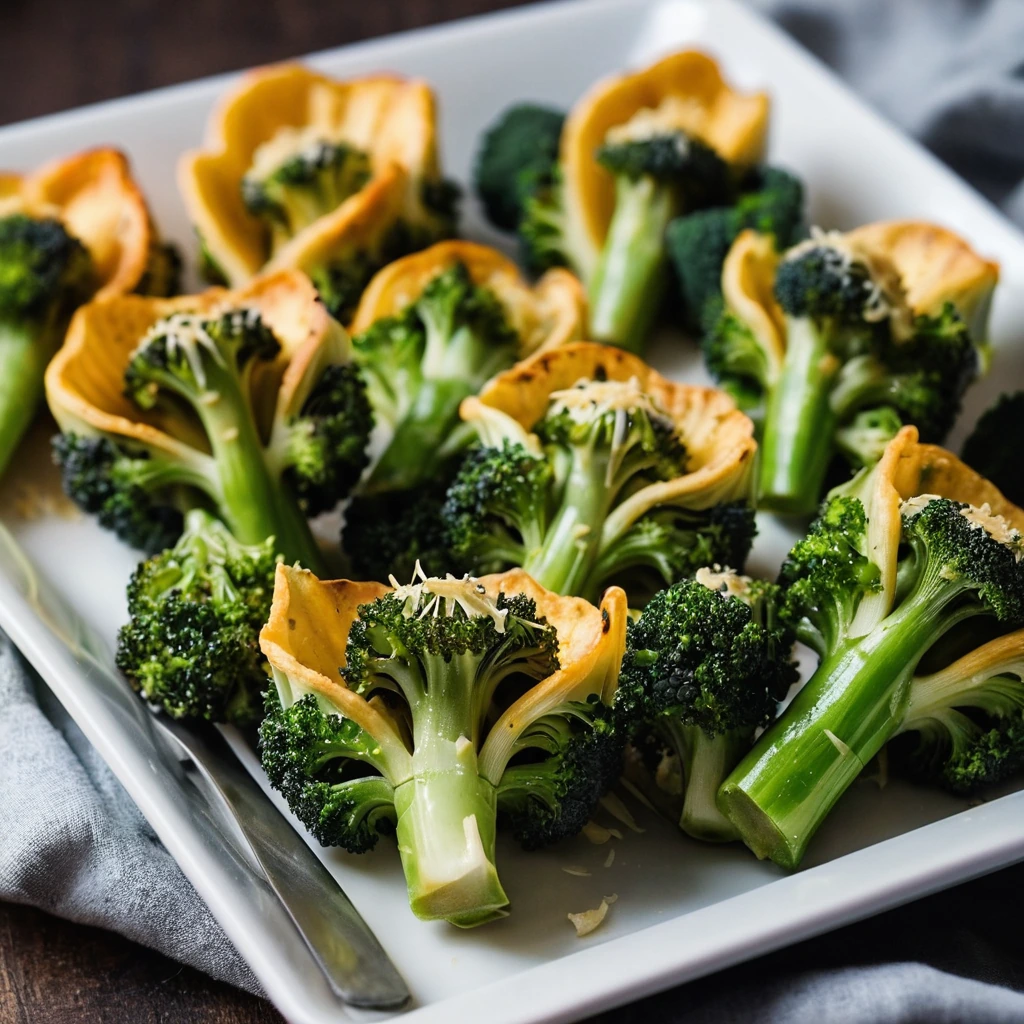
Roasted Broccoli and Cheddar Stuffed Shells
Creamy cheddar cheese and roasted broccoli unite in tender pasta shells for a veggie-packed, cheesy masterpiece.
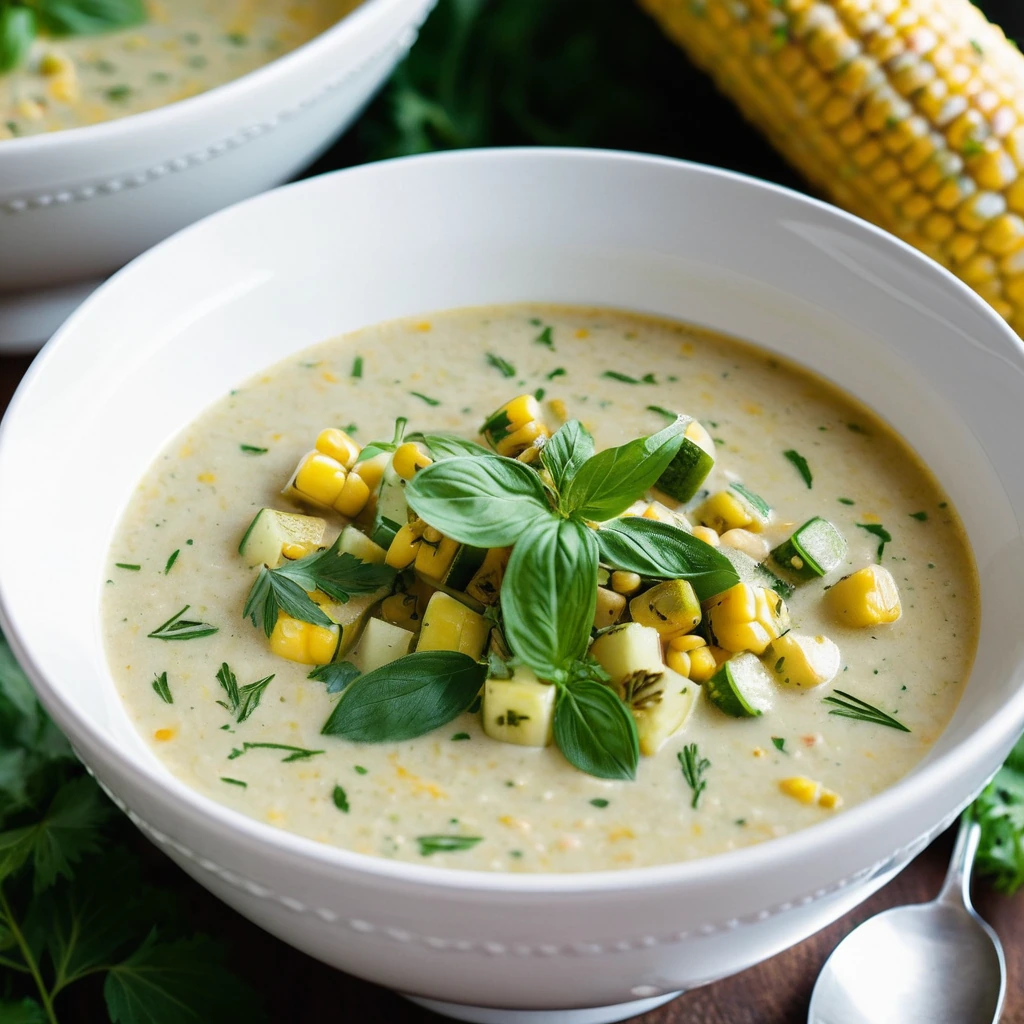
Roasted Corn and Zucchini Chowder
Creamy, comforting chowder with a roasted sweetness from corn and zucchini, finished with a sprinkle of fresh herbs.