Dry Heat: Slow Roasting for Even Doneness
Slow roasting is a dry heat cooking technique that transforms tough cuts of meat and hearty vegetables into tender, flavorful dishes. Unlike high-heat methods that sear and caramelize quickly, slow roasting relies on a gentle, prolonged application of heat. This technique works wonders for larger cuts of meat like pork shoulders or beef briskets, which benefit from the low and slow environment to break down collagen and fat into succulent morsels. By maintaining a consistent temperature, usually between 225°F and 325°F, slow roasting allows the food to cook evenly, ensuring that the center reaches doneness without the exterior becoming overly browned or dried out. This method is ideal for dishes that require hours of cooking time, as it fills your home with irresistible aromas and yields fork-tender results. Understanding how to control the oven's temperature, manage airflow, and select the right cookware are key to mastering slow roasting. Whether you're roasting a whole chicken, a crown roast of pork, or root vegetables, this technique promises consistent results that impress at every meal.
Notes
Slow roasting works due to the gradual breakdown of connective tissues in meat, facilitated by the lower temperatures. This process converts tough fibers into gelatin, enhancing tenderness and flavor. Common mistakes include overcrowding the pan, which can lead to uneven cooking, and opening the oven door too frequently, disrupting the oven's temperature. To ensure safety, always use a meat thermometer to check for doneness and avoid undercooked meat. For make-ahead meals, slow-roasted dishes can be stored in the refrigerator for up to 3 days or frozen for up to 3 months. Reheat gently to preserve texture and moisture.
Steps
- 1 Preheat oven to 275°F.
- 2 Pat the meat or vegetables dry with paper towels.
- 3 Season generously with salt, pepper, and any desired herbs or spices.
- 4 Place the seasoned food in a roasting pan or oven-safe dish.
- 5 Add a small amount of oil or butter to the pan for extra richness, if desired.
- 6 Cover the pan loosely with aluminum foil to trap moisture.
- 7 Roast in the preheated oven, checking occasionally.
- 8 After 2 hours, uncover and continue roasting until internal temperature reaches desired doneness.
- 9 Use a meat thermometer to check for doneness: 165°F for poultry, 145°F for pork, and 130°F for medium-rare beef.
- 10 Remove from oven and let rest for 15-20 minutes before serving.
- 11 Carve or serve vegetables directly from the pan.
- 12 Optional: Deglaze the pan with broth or wine to make a flavorful gravy.
- 13 Adjust seasoning if necessary before serving.
- 14 Garnish with fresh herbs for added color and flavor.
Ingredients to explore
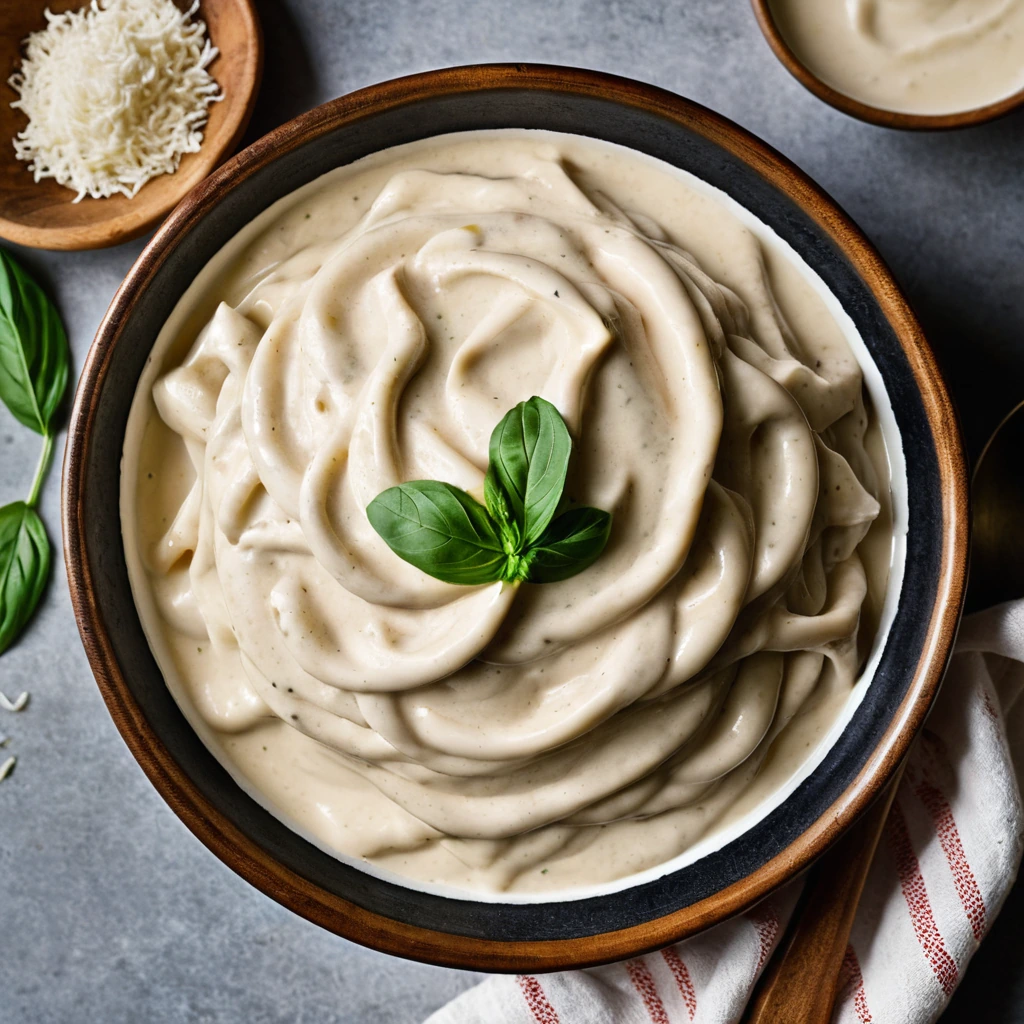
Alfredo Sauce
Creamy, rich, and utterly indulgent, Alfredo sauce is a dreamy blend of butter, heavy cream, and Parmesan cheese. Its velvety texture and savory depth make it a beloved staple in Italian-American cuisine.
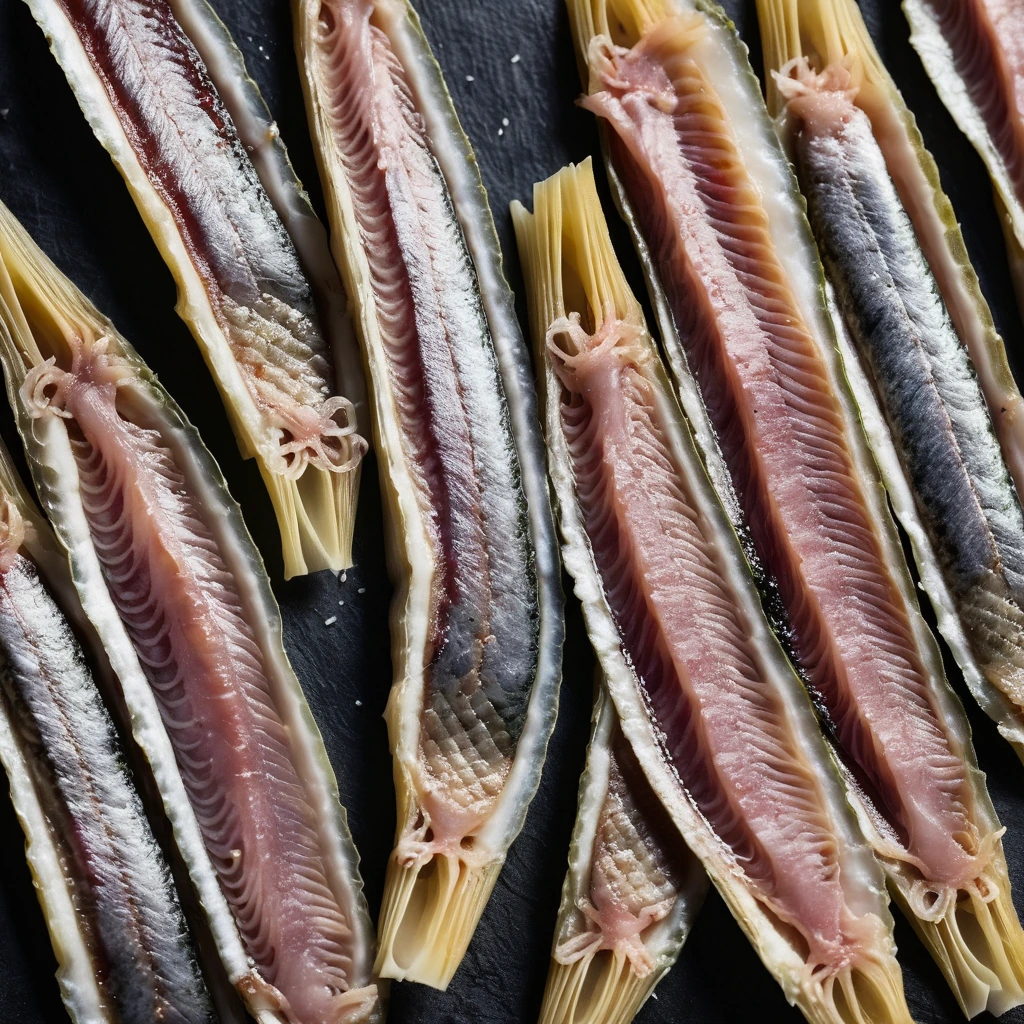
Anchovy Fillets
Silvery and succulent, anchovy fillets are a briny treasure from the sea. Their rich, umami flavor adds depth to dishes, making them a beloved ingredient in kitchens worldwide.
Recipes to try
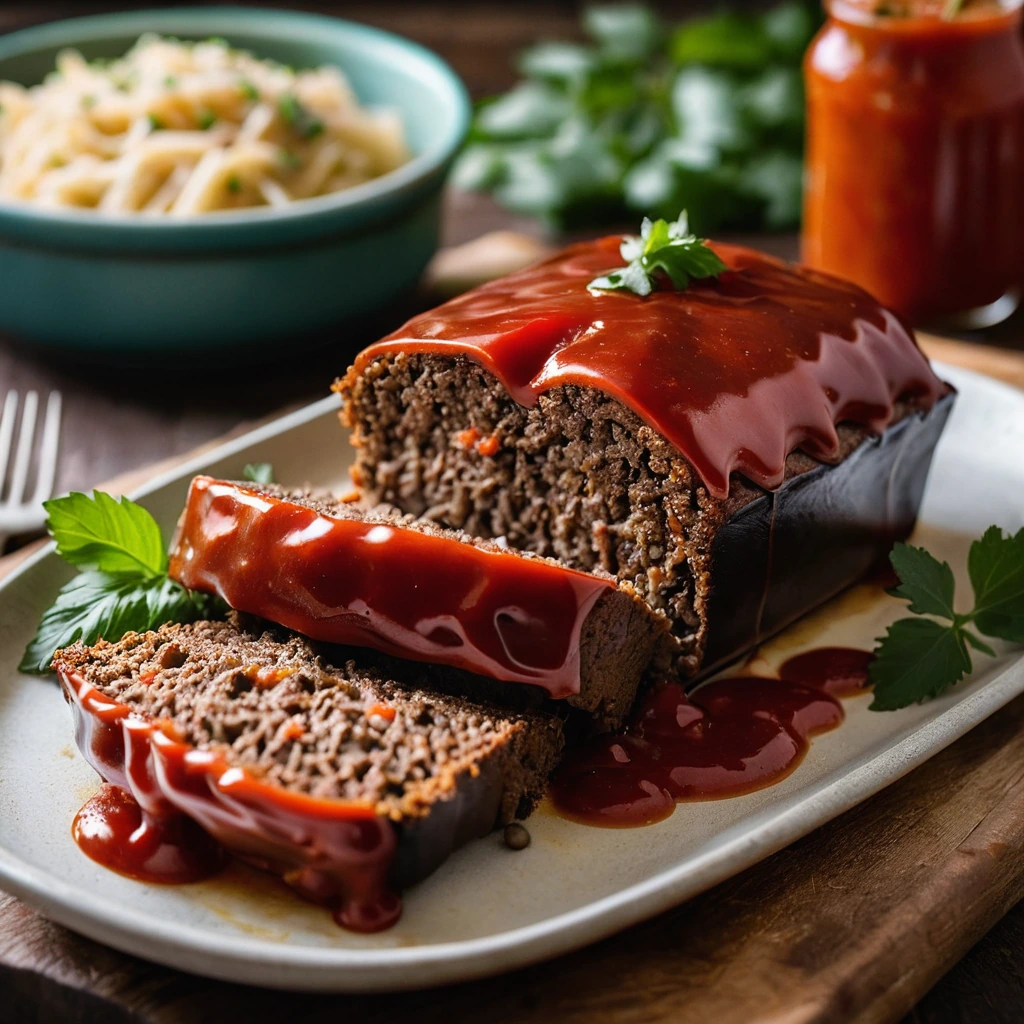
Pepper Jack Stuffed Meatloaf with Salsa Glaze
A savory meatloaf stuffed with gooey pepper jack cheese and topped with a tangy, zesty salsa glaze that'll have your taste buds doing a happy dance.
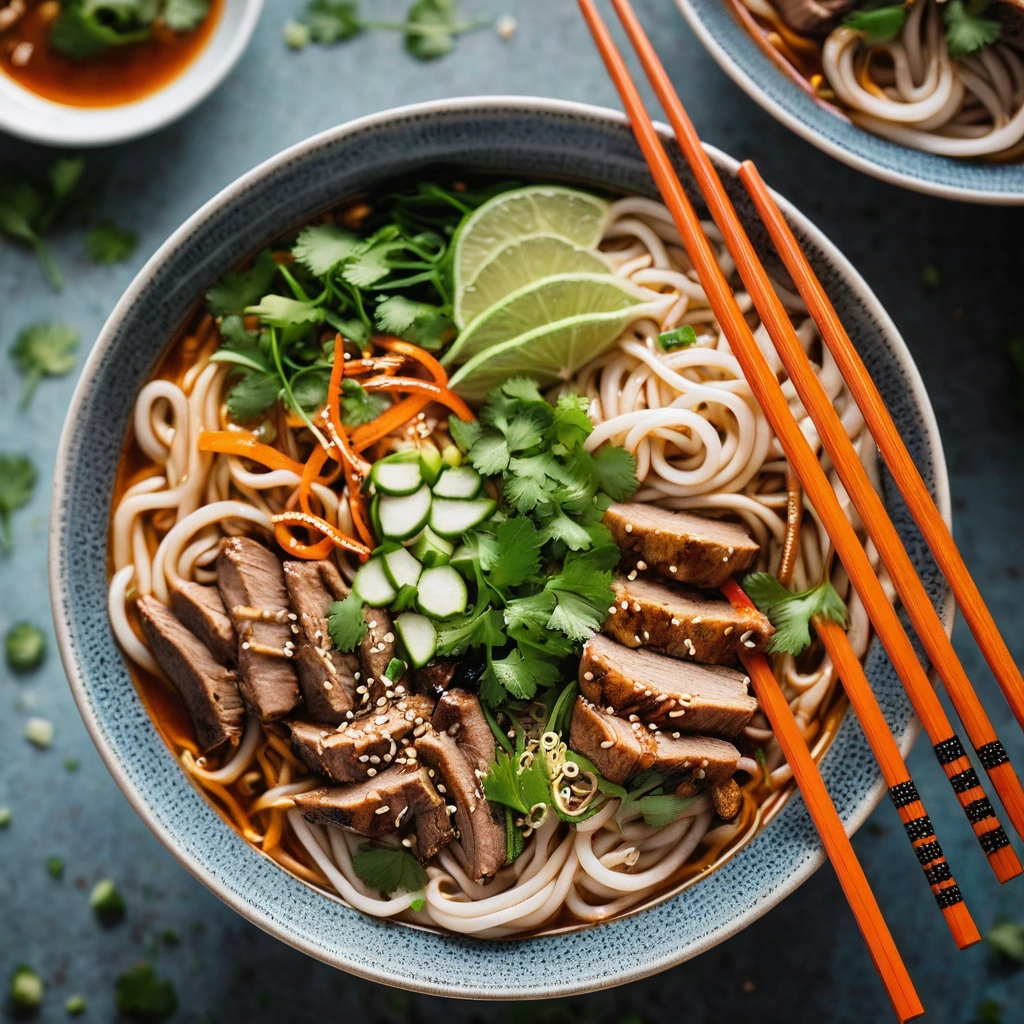
Sweet Chili Pork Noodle Bowls
Tender pork and chewy noodles are smothered in a tangy, sweet chili sauce that'll have you coming back for seconds.