Dressings: Creamy Dressing with Yogurt Base
Creating a creamy dressing with a yogurt base is an art that combines health benefits with rich flavor. Yogurt brings a tangy depth and smooth texture to dressings, making them an excellent alternative to mayonnaise or oil-based options. This technique is perfect for home cooks looking to elevate their salads, sandwiches, and even roasted vegetables with a healthier, yet indulgent, dressing. The key to a successful yogurt-based dressing is balancing acidity, sweetness, and creaminess while ensuring the dressing holds up over time without separating. Achieving the right consistency is crucial, as too thin and it won't cling to your greens; too thick, and it might overwhelm them. This method dives into selecting the right yogurt, incorporating stabilizing ingredients, and adjusting seasoning to perfection. Understanding the science behind emulsification and how yogurt interacts with other ingredients will transform your dressings from mundane to magnificent. With a few simple tweaks and tips, you'll master this technique, impressing your family and friends with your culinary prowess.
Notes
The science behind a yogurt-based dressing hinges on the proteins in yogurt acting as natural emulsifiers, helping to bind oil and water-based ingredients. However, yogurt dressings can separate over time, so a good whisk before serving is essential. To prevent separation, ensure that you incorporate ingredients that stabilize the emulsion, like mustard. Common mistakes include using low-fat yogurt, which can result in a thin and less flavorful dressing, or adding too much liquid at once. Always start with small amounts of additional liquid and adjust to taste. Safety is straightforward with this recipe, but always use pasteurized yogurt to avoid any risk. This dressing can be made ahead and stored in the refrigerator, giving flavors time to develop and deepen.
Steps
- 1 Choose a plain, full-fat yogurt for richness and stability.
- 2 Measure out 1 cup of yogurt into a mixing bowl.
- 3 Add 2 tablespoons of a mild oil, like olive or grapeseed, to enhance creaminess.
- 4 Whisk in 1 tablespoon of white wine vinegar or lemon juice for tanginess.
- 5 Add 1 teaspoon of Dijon mustard to help stabilize the emulsion.
- 6 Season with ½ teaspoon of salt and a pinch of black pepper.
- 7 Sweeten to taste with 1 teaspoon of honey or maple syrup.
- 8 Whisk all ingredients together until smooth and well combined.
- 9 Taste and adjust seasoning, adding more vinegar, sweetener, or salt as needed.
- 10 For extra flavor, stir in minced garlic, herbs, or spices.
- 11 Cover and refrigerate for at least 1 hour to allow flavors to meld.
- 12 Before serving, give the dressing a good stir to ensure consistency.
- 13 Thin with water or more vinegar if the dressing is too thick.
- 14 Store in an airtight container in the refrigerator for up to 5 days.
Ingredients to explore
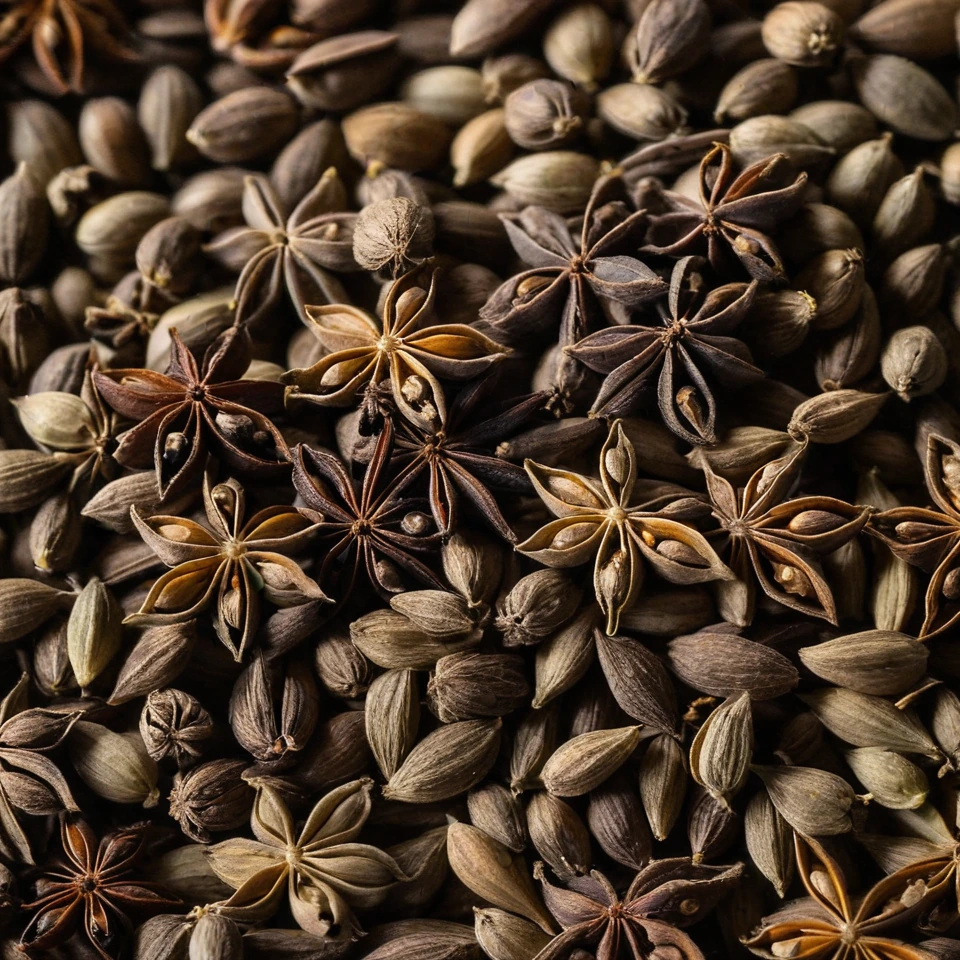
Anise Seeds
Anise seeds are small, oval seeds with a sweet, licorice-like flavor. They are commonly used in both sweet and savory dishes, offering a warm, aromatic taste.

Andouille Sausage
Andouille sausage is a coarse-grained, smoked pork sausage with a rich history rooted in French cuisine, particularly from the Alsace region. It was adapted in Louisiana, where it became a staple in Cajun and Creole cooking. The sausage is known for its robust, smoky flavor with hints of garlic, pepper, and other spices, creating a spicy and savory profile. Its texture is firm yet slightly chewy, making it a hearty addition to dishes. When cooked, andouille sausage maintains its shape well and infuses dishes with its distinctive smoky essence, enhancing stews, soups, and rice dishes.
Recipes to try
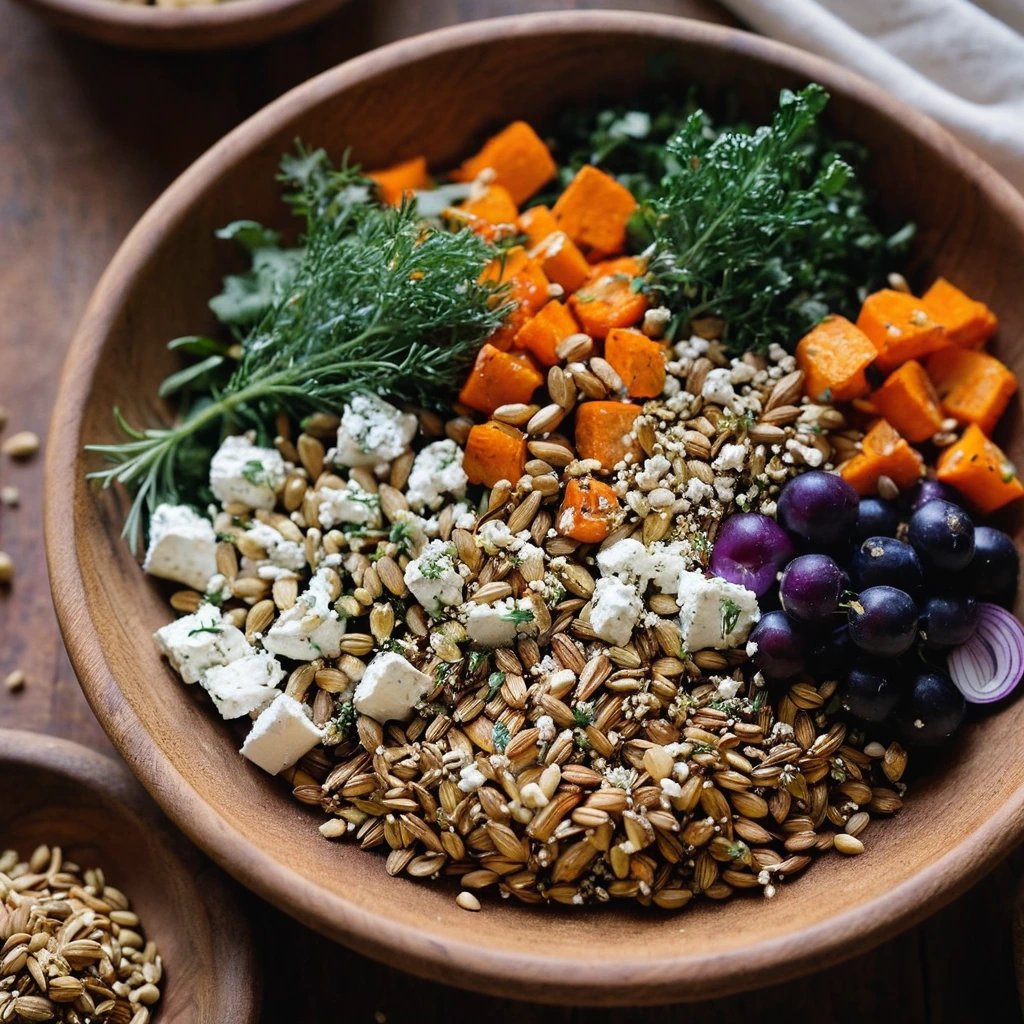
Roasted Vegetable and Goat Cheese Grain Bowls
Warm, roasted veggies mingle with creamy goat cheese over a bed of nutty grains for a comforting yet vibrant meal.
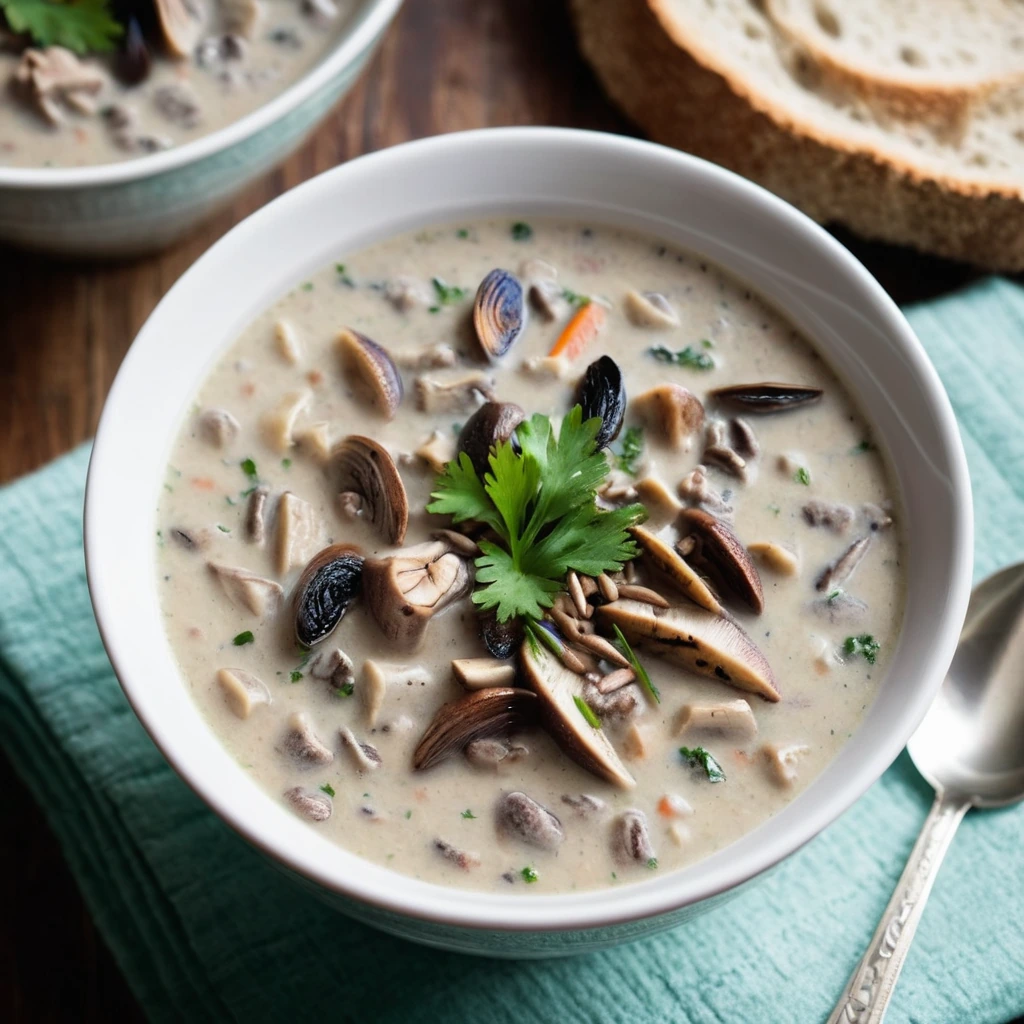
Turkey and Wild Rice Mushroom Soup
Warm up with this hearty soup, brimming with tender turkey, earthy wild rice, and a medley of savory mushrooms in a rich, comforting broth.