Dressings: Balancing Sweetness in Dressings
Creating a perfectly balanced dressing is an art that requires finesse and understanding of flavor dynamics. Sweetness is a key component that can elevate your vinaigrette from ordinary to extraordinary. When you introduce sweetness into a dressing, it's crucial to achieve harmony with acidity, oil, and any savory elements. Too much sugar can mask the vibrant notes of vinegar or citrus, while too little might leave your palate craving more. This technique dives into the delicate dance of balancing sweetness, ensuring your dressings are not just tasty but also well-rounded and refreshing. Start by understanding the role of sweetness: it's not just about adding sugar but enhancing the overall flavor profile. Common sweeteners include granulated sugar, honey, maple syrup, or agave nectar, each bringing its unique flavor and viscosity. The technique involves tasting and adjusting incrementally, ensuring each addition serves a purpose. Remember, the goal is subtlety, not a dessert-like dressing. Achieving balance requires patience and attentiveness to how each ingredient interacts with the others. Through this guide, you'll learn how to craft dressings that tantalize taste buds without overpowering them, making your salads and dishes stand out with every bite.
Notes
The science behind balancing sweetness lies in its interaction with acids and fats. Sweetness can mute the harshness of vinegar or lemon juice, creating a more palatable dressing. However, too much can lead to a cloying taste. Common mistakes include adding sweetness without considering the other components, resulting in an unbalanced dressing. To troubleshoot, always taste as you go and adjust incrementally. For storage, keep your dressing in an airtight container in the refrigerator for up to a week. Remember, emulsified dressings may separate over time, so give them a good shake before use. Safety tip: ensure all ingredients, especially fresh herbs, are washed thoroughly to avoid any foodborne illnesses.
Steps
- 1 Start with a base of 1/4 cup of vinegar or citrus juice.
- 2 Add 1 teaspoon of your chosen sweetener and whisk to dissolve.
- 3 Taste the mixture and adjust sweetness by adding 1/2 teaspoon increments if needed.
- 4 Slowly whisk in 3/4 cup of oil in a thin stream to emulsify.
- 5 Season with salt and freshly ground pepper to taste.
- 6 Add minced garlic, herbs, or shallots for additional flavor, if desired.
- 7 Taste again and balance with more acid or sweetness if necessary.
- 8 Whisk vigorously to ensure all ingredients are well combined.
- 9 Let the dressing rest for 30 minutes to allow flavors to meld.
- 10 Taste once more and make any final adjustments before serving.
Ingredients to explore
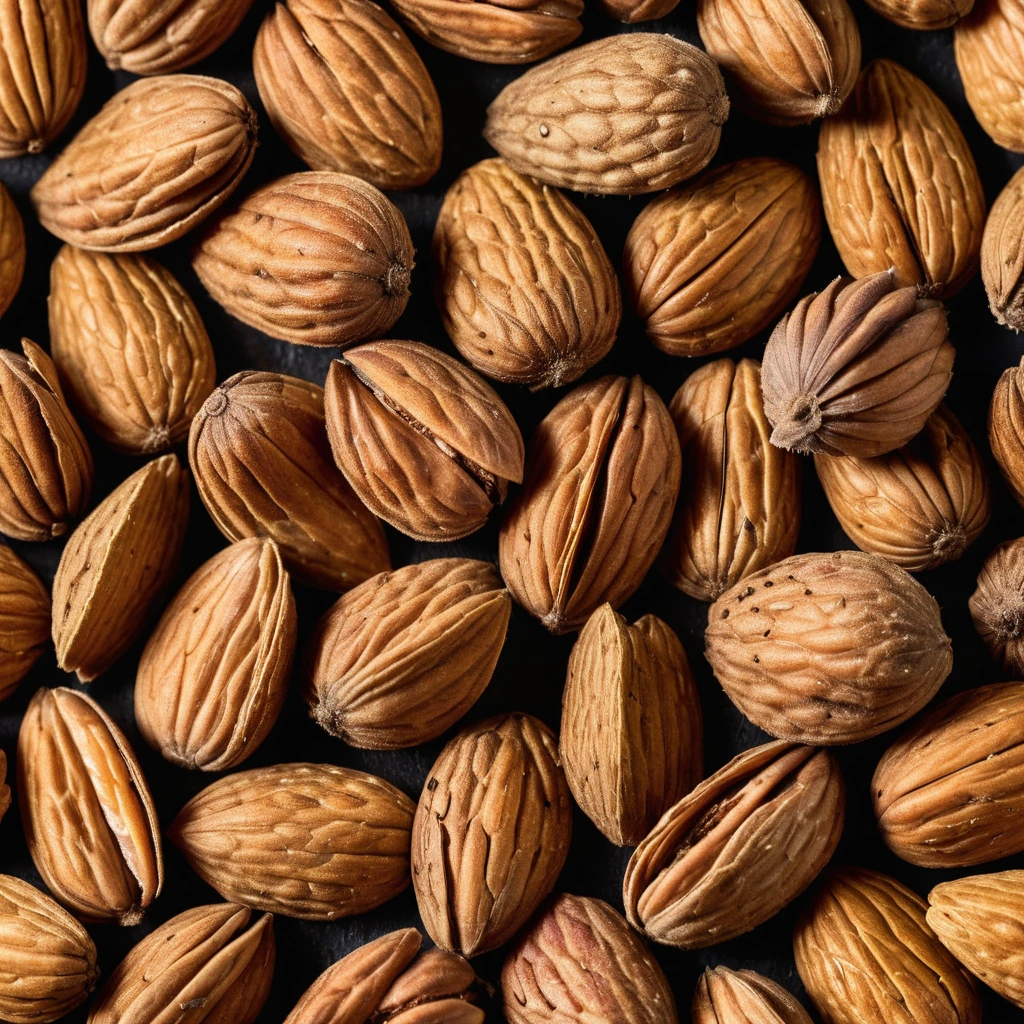
Almonds
With their golden-brown hue and delicate, edible skin, almonds are a crunchy delight. These versatile nuts boast a rich, buttery flavor that adds depth to both sweet and savory dishes.
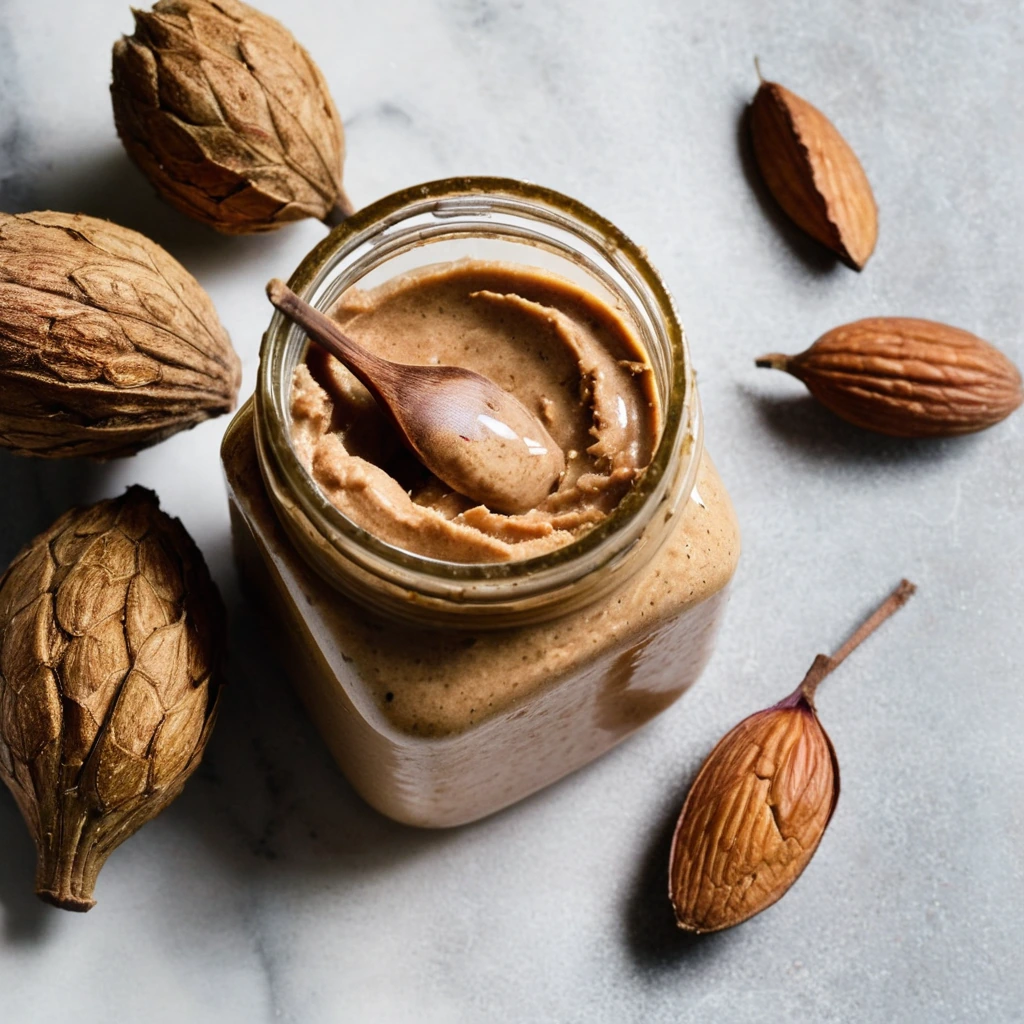
Almond Butter
A velvety, nutty spread crafted from finely ground almonds, offering a rich and satisfying flavor that's both comforting and indulgent.