Desserts: Checking Custard Doneness with a Jiggle Test
Creating the perfect custard can seem like a culinary mystery, but mastering the jiggle test is your key to unlocking dessert perfection. Whether you're making a silky crème brûlée, a classic flan, or a rich pot de crème, understanding how to gauge custard doneness is crucial. The jiggle test is a tried-and-true method that relies on visual and tactile cues to determine if your custard is ready. Achieving the correct consistency ensures your custard is neither runny nor rubbery. The test is simple yet nuanced: you'll gently shake the pan or dish to assess the custard's firmness. The ideal custard should have a slight jiggle in the center, indicating it's set but still creamy. Overcooked custards will jiggle minimally or not at all, while undercooked ones will slosh around like liquid. Understanding the science behind the jiggle helps you perfect your timing. Custards are essentially a mixture of eggs and milk or cream. As they heat, proteins in the eggs unravel and link together to thicken the mixture. But timing is everything – cook too long, and you'll scramble the eggs; too short, and you'll have a soupy mess. The jiggle test allows you to catch that sweet spot in between. Let’s dive into the jiggle test to ensure your custards turn out lusciously smooth every time.
Notes
The science behind the jiggle test lies in the behavior of egg proteins when heated. As they coagulate, they thicken the custard, but if heated too much, they can curdle and toughen. The slight jiggle indicates that proteins have bonded enough to set but remain creamy. Common mistakes include not using a water bath, which can lead to uneven cooking, or opening the oven door too often, causing temperature fluctuations. Safety is key: always use oven mitts to protect your hands from burns. For make-ahead convenience, custards can be stored in an airtight container in the refrigerator for up to 3 days. Ensure they're fully chilled before serving for the best texture.
Steps
- 1 Preheat your oven to 325°F.
- 2 Prepare your custard mixture according to your recipe.
- 3 Pour the mixture into ramekins or a baking dish.
- 4 Place the filled dish or ramekins in a roasting pan.
- 5 Add hot water to the roasting pan to reach halfway up the sides of the ramekins.
- 6 Bake in the preheated oven until the custard is mostly set.
- 7 After about 30-45 minutes, gently shake the pan to check for doneness.
- 8 The custard is ready when the center jiggles slightly like jelly, not liquid or solid.
- 9 Remove from the oven and let cool at room temperature.
- 10 Transfer to the refrigerator to chill completely before serving.
- 11 Avoid overbaking by checking early and often towards the end of the baking time.
- 12 Use an oven mitt to protect your hand when checking the jiggle.
- 13 Remember that the custard will continue to set as it cools.
Ingredients to explore
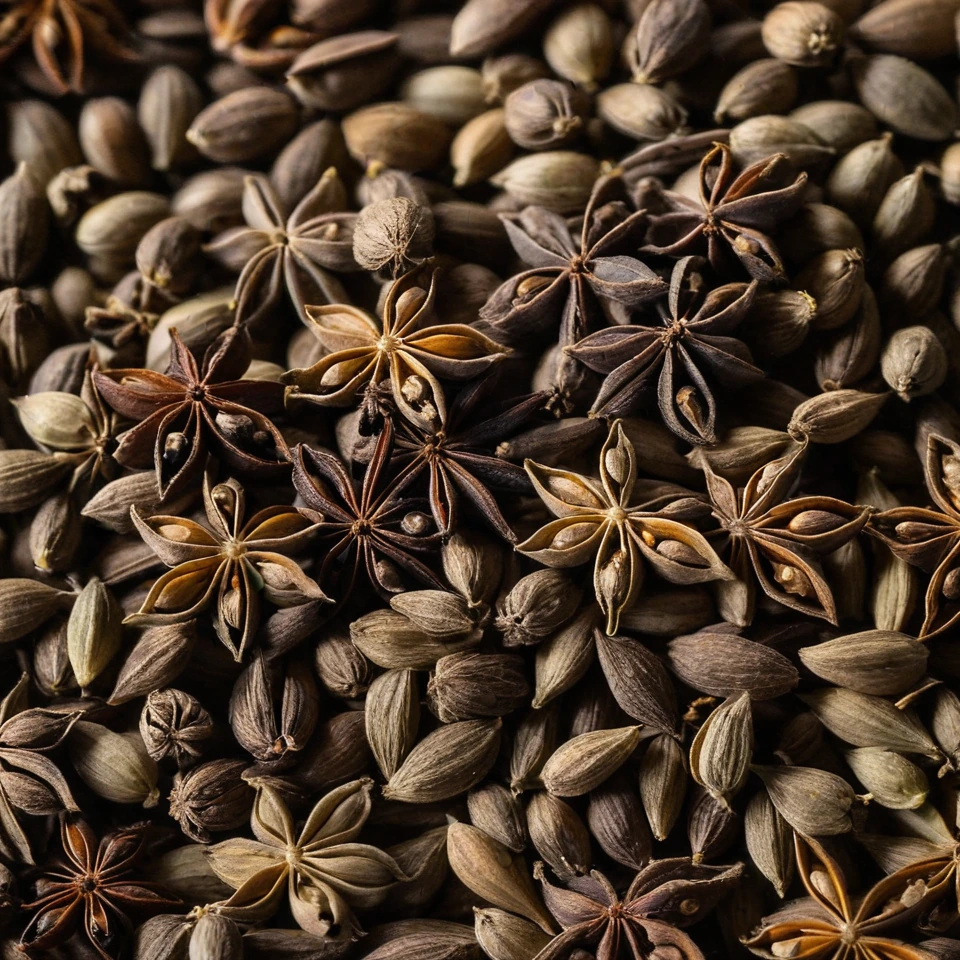
Anise Seeds
Anise seeds are small, oval seeds with a sweet, licorice-like flavor. They are commonly used in both sweet and savory dishes, offering a warm, aromatic taste.

Andouille Sausage
Andouille sausage is a coarse-grained, smoked pork sausage with a rich history rooted in French cuisine, particularly from the Alsace region. It was adapted in Louisiana, where it became a staple in Cajun and Creole cooking. The sausage is known for its robust, smoky flavor with hints of garlic, pepper, and other spices, creating a spicy and savory profile. Its texture is firm yet slightly chewy, making it a hearty addition to dishes. When cooked, andouille sausage maintains its shape well and infuses dishes with its distinctive smoky essence, enhancing stews, soups, and rice dishes.
Recipes to try

Sausage and Feta Stuffed Mini Peppers
These adorable mini peppers are packed with a savory blend of sausage and creamy feta, delivering a burst of flavor in every bite.
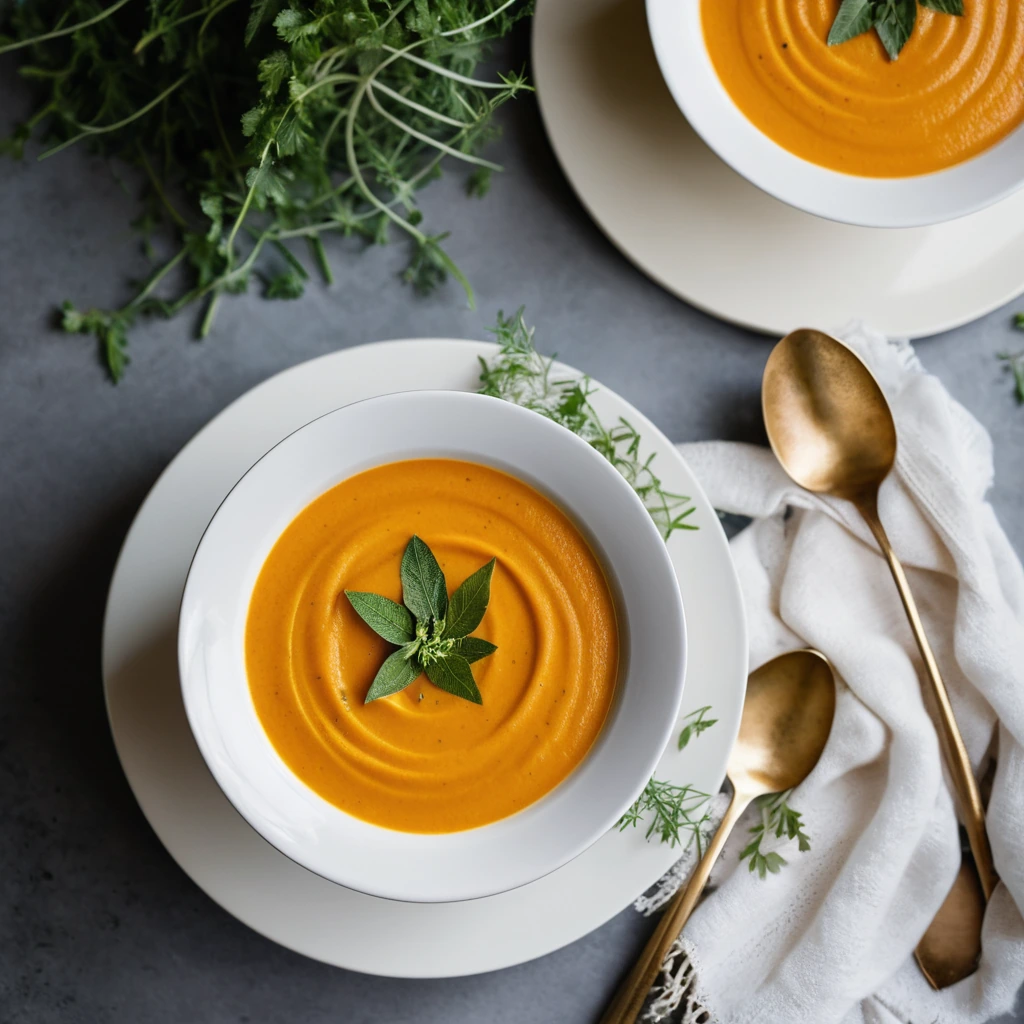
Pumpkin and Sweet Potato Bisque
Creamy and comforting, this bisque marries the earthy sweetness of pumpkin with the subtle nuttiness of sweet potato.