Dessert Finishes: Macerating Fruit with Sugar and Liqueur
Macerating fruit with sugar and liqueur is a delightful technique that transforms ordinary fruit into a jewel-toned, intensely flavored dessert component. The process involves soaking fruit in a mixture of sugar and liqueur, allowing the sugar to draw out the fruit's natural juices while the liqueur infuses it with depth and complexity. This technique is not just a flavor enhancer but also a way to preserve fruit, making it ideal for both immediate use and future desserts. The sugar acts as a natural preservative, extending the fruit's life, while the liqueur adds a layer of sophistication that can elevate even the simplest of desserts. The key to successful maceration lies in selecting ripe, high-quality fruit and pairing it with complementary flavors of sugar and liqueur. From strawberries and balsamic reduction to peaches and amaretto, the possibilities are vast. The technique is straightforward yet requires patience, as the maceration time can vary from a quick hour to overnight, depending on the fruit and desired outcome. Understanding the balance between sugar and liqueur is crucial; too much sugar can overpower the fruit's natural sweetness, while too little may fail to draw out the juices adequately. The result is a symphony of flavors and textures that can adorn cakes, pastries, or even be enjoyed on its own as a simple yet elegant dessert.
Notes
Maceration works due to osmosis, where sugar draws out moisture from the fruit, creating a syrup that re-infuses the fruit with flavor. Common mistakes include using underripe fruit, which won't release enough juice, and overloading on liqueur, which can mask the fruit's natural taste. For safety, always use fresh, clean fruit and store macerated fruit in the refrigerator. For make-ahead convenience, macerate fruit the night before and store it in an airtight container in the fridge for up to two days. This technique is versatile and forgiving, perfect for both novice and seasoned home cooks.
Steps
- 1 Select ripe, fresh fruit and wash gently.
- 2 Hull or peel fruit as necessary and cut into desired sizes.
- 3 In a bowl, combine 1/4 cup sugar per pound of fruit with 1 to 2 tablespoons of liqueur per cup of fruit.
- 4 Add the fruit to the sugar and liqueur mixture, ensuring each piece is coated.
- 5 Gently toss the fruit to evenly distribute the sugar and liqueur.
- 6 Cover the bowl with plastic wrap and refrigerate for at least 1 hour, up to overnight.
- 7 Occasionally stir the fruit during the maceration process to ensure even distribution of the syrup.
- 8 Before serving, drain any excess liquid if a firmer texture is desired, or leave it for a saucy presentation.
- 9 Adjust sweetness or flavor by adding more sugar or liqueur if needed.
- 10 Serve immediately or use in your favorite dessert recipes.
Ingredients to explore
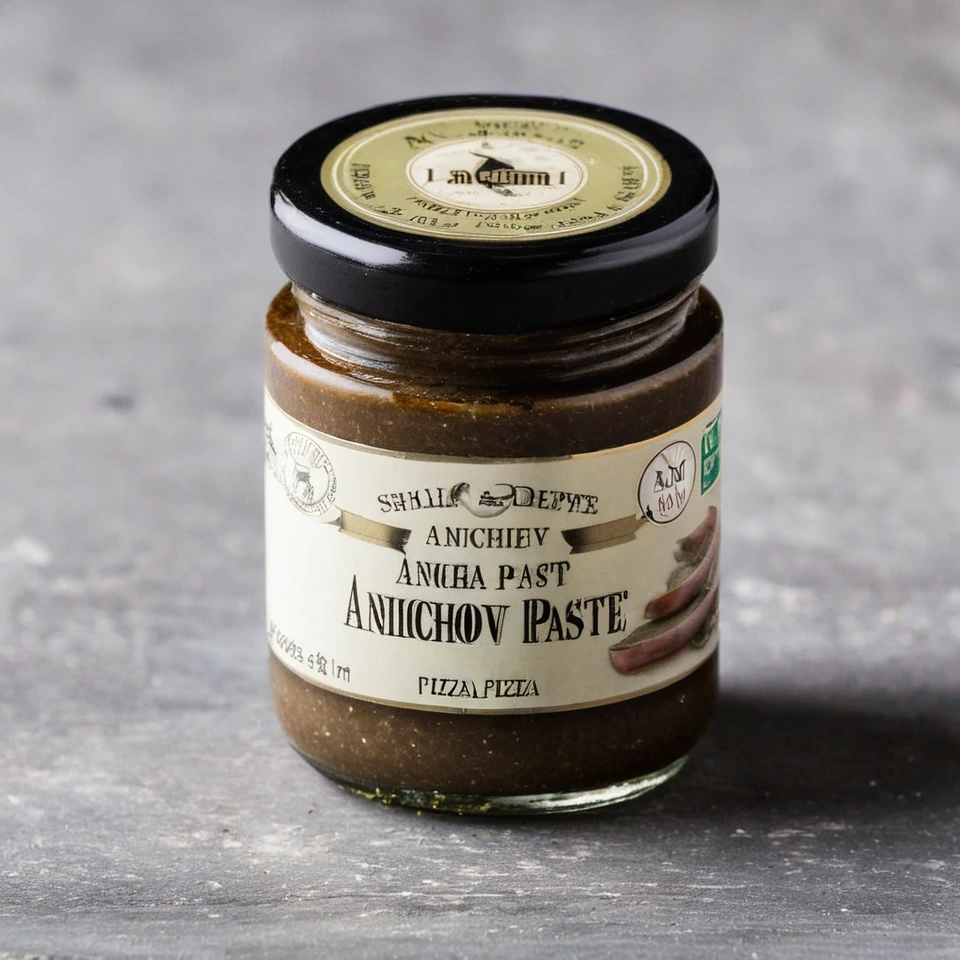
Anchovy Paste
Anchovy paste is a rich, salty spread made from finely ground anchovies, salt, and sometimes olive oil. It offers a deep umami flavor that enhances a variety of dishes.
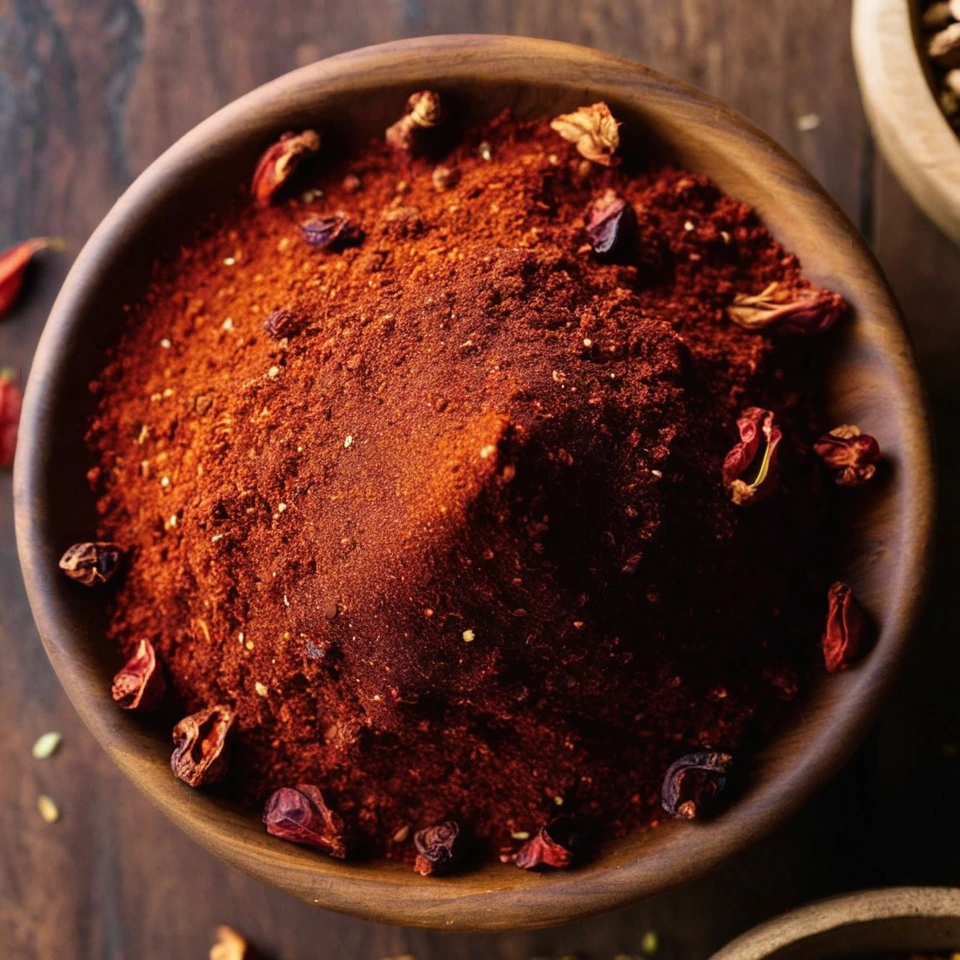
Aleppo Pepper
Aleppo pepper offers a harmonious balance of heat and sweetness, with a subtle fruity aroma reminiscent of sun-dried tomatoes and currants. Originating from the region around Aleppo, Syria, it has a fine, slightly coarse texture that shatters easily between fingers. Its mild yet complex flavor profile makes it a prized seasoning for enhancing dishes without overwhelming them. Valued for its versatility, it bridges the gap between spice and seasoning, bringing a touch of warmth and depth to a variety of cuisines.
Recipes to try

Lemon Garlic Chicken and Rice Stuffed Peppers
Bright and tangy lemon garlic chicken nestled in fluffy rice, all wrapped up in juicy bell peppers for a zesty comfort meal.

Savory Breakfast Bowls with Quinoa and Eggs
A hearty bowl brimming with fluffy quinoa, perfectly poached eggs, and a sprinkle of fresh herbs for a zesty morning start.