Breakfast Techniques: French Toast Soaked but Not Soggy
Creating the perfect French toast is an art that balances a custardy interior with a crisp, golden exterior. The secret lies in mastering the soaking process to infuse the bread with flavor without turning it into a mushy mess. Here, we dive into the technique of soaking French toast just right. First, selecting the right bread is crucial; brioche or challah works beautifully due to their airy texture and ability to absorb custard without disintegrating. Second, the custard mixture itself is key; a balanced ratio of milk, eggs, and a touch of sugar and vanilla sets the stage for a delightful flavor profile. Achieving the right consistency involves whisking these ingredients until smooth but not overbeaten, ensuring even coating and absorption. The soaking time is another critical factor; too brief, and the toast will be dry; too long, and it becomes soggy. The ideal is a 1-2 minute soak per side, allowing the bread to absorb the custard while maintaining structure. Furthermore, preheating your skillet to medium heat and using butter ensures a rich, golden crust without burning. Finally, understanding the visual cues—such as the custard being fully absorbed and the bread holding its shape—will guide you to French toast perfection. This technique not only elevates the classic breakfast dish but also instills confidence in home cooks looking to impress their family and friends with a restaurant-worthy brunch staple.
Notes
The science behind this technique lies in the balance of absorption and structure. Bread with a tight crumb structure can become dense and chewy when over-soaked, while an airy loaf absorbs custard beautifully without falling apart. The key is to avoid overcrowding the skillet, as this can lower the temperature and lead to soggy toast. Troubleshooting common mistakes includes ensuring your skillet is at the correct temperature and not soaking the bread for too long, which can lead to a loss of texture. Safety-wise, always handle hot skillets with oven mitts and ensure eggs are fully cooked to avoid foodborne illness. For make-ahead convenience, you can assemble the custard mixture in advance and store it in the fridge, though it's best to cook the toast fresh for optimal texture.
Steps
- 1 Select 8 slices of thick-cut brioche or challah bread.
- 2 In a shallow dish, whisk together 4 large eggs, 1 cup milk, 1 tablespoon sugar, and 1 teaspoon vanilla extract.
- 3 Heat a skillet or griddle over medium heat, aiming for 350°F.
- 4 Melt 2 tablespoons butter in the skillet.
- 5 Place one slice of bread into the custard mixture, allowing it to soak for 1 minute per side.
- 6 Transfer the soaked bread to the skillet, cooking for 2-3 minutes per side until golden brown.
- 7 Add more butter between batches to maintain richness.
- 8 Repeat with remaining slices, ensuring the skillet is adequately buttered each time.
- 9 Serve immediately with desired toppings like maple syrup, fresh berries, or powdered sugar.
Ingredients to explore
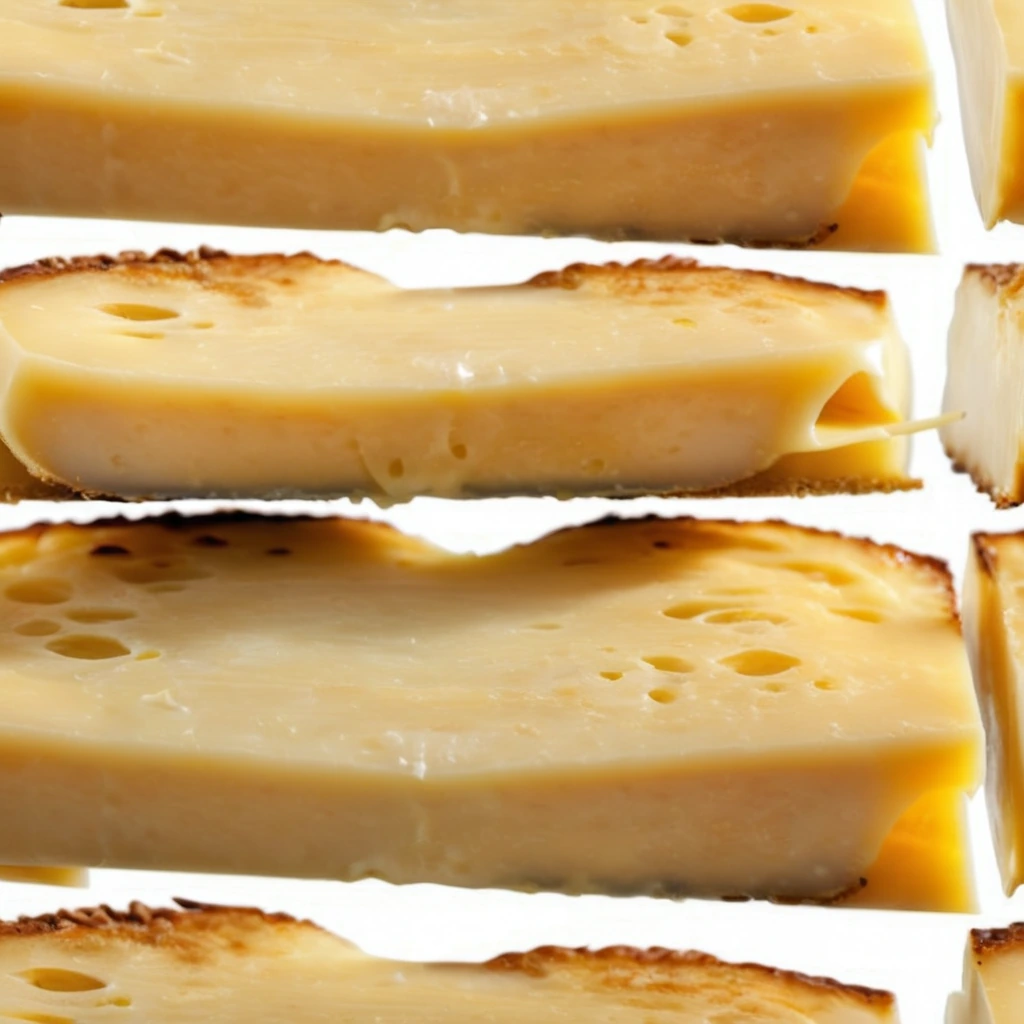
American Cheese Slices
Those iconic, perfectly pliable slices of creamy, mild American cheese. Each slice boasts a smooth, melt-in-your-mouth texture that brings comfort to any dish.
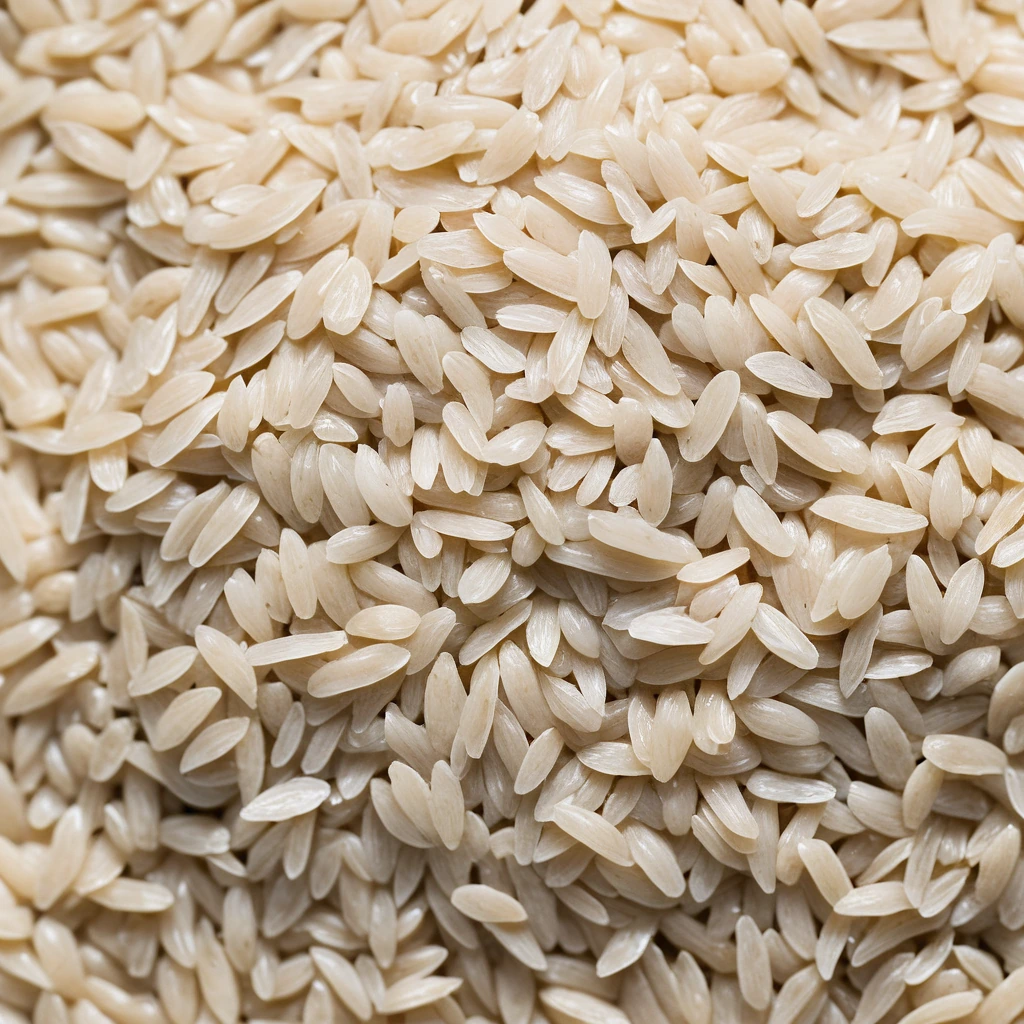
Arborio Rice
Arborio rice is a short-grain Italian rice variety renowned for its use in risotto. Originating from the Po Valley in Northern Italy, it is a staple in Italian cuisine. Its flavor is mild and nutty, with a pleasant creamy texture when cooked due to its high amylopectin content, which releases starch and creates a velvety consistency. The grains remain plump and firm to the bite, offering a satisfying chewiness. In cooking, Arborio rice excels at absorbing flavors from broths and seasonings while maintaining its shape, making it ideal for dishes that require both creaminess and structure.