Breakfast Techniques: Building a Classic Breakfast Sandwich
Creating a classic breakfast sandwich is an art that balances flavors, textures, and timing. This technique ensures your sandwich is not just a meal, but an experience. Start with selecting the right bread – something sturdy yet soft, like an English muffin or a croissant. The bread serves as the foundation and must withstand the juicy egg, crispy bacon or sausage, and creamy cheese. Next, consider the egg. A perfectly cooked egg is crucial; whether you prefer over-easy, scrambled, or a sunny-side-up, it should be runny enough to ooze but cooked enough to avoid being raw. The protein component, be it bacon, sausage, or ham, should be crispy yet juicy, offering a savory contrast to the egg. Cheese is another vital element; choose a cheese that melts well, like cheddar or American, to ensure it envelops the fillings with its gooey embrace. Don't overlook the importance of layering: place the cheese directly on the egg to create a melty bond, and layer the protein underneath for structural integrity. Seasoning is key; a pinch of salt and pepper on the egg, a sprinkle of herbs on the protein, can elevate the flavors. Finally, consider the toast level of your bread – it should be golden and crisp to provide a satisfying crunch. This guide will walk you through each step, offering tips to ensure your breakfast sandwich is a symphony of flavors and textures.
Notes
The key to a great breakfast sandwich lies in balancing textures and temperatures. Using a skillet for both protein and egg allows for efficient cooking and flavor transfer. Ensure your skillet is properly preheated to avoid sticking and to achieve even cooking. Troubleshooting common mistakes includes preventing overly runny eggs by not overcooking, ensuring cheese is fully melted, and avoiding sogginess by using a sturdy bread. For safety, always cook eggs until the whites are set and ensure meat reaches an internal temperature of 160°F. This sandwich can be made ahead by toasting and cooking components separately, storing them in airtight containers in the fridge for up to a day, and assembling just before eating to maintain freshness and texture.
Steps
- 1 Select sturdy bread, such as an English muffin or croissant.
- 2 Lightly toast the bread until golden and crisp.
- 3 Cook bacon or sausage in a skillet over medium heat until crispy, about 8-10 minutes.
- 4 Drain the cooked meat on paper towels to remove excess grease.
- 5 In the same skillet, cook your egg to preference – over-easy works well for sandwiches.
- 6 Place a slice of cheese directly on the cooked egg and cover to melt, about 30 seconds.
- 7 Season the egg with salt and pepper immediately after cooking.
- 8 Layer the protein on the bottom slice of bread.
- 9 Top the protein with the egg and cheese.
- 10 Add any additional fillings, like avocado or tomato slices.
- 11 Place the top slice of bread to complete the sandwich.
- 12 Gently press down on the sandwich to compress slightly.
- 13 Slice the sandwich in half for easier eating.
- 14 Serve immediately while components are hot and fresh.
Ingredients to explore
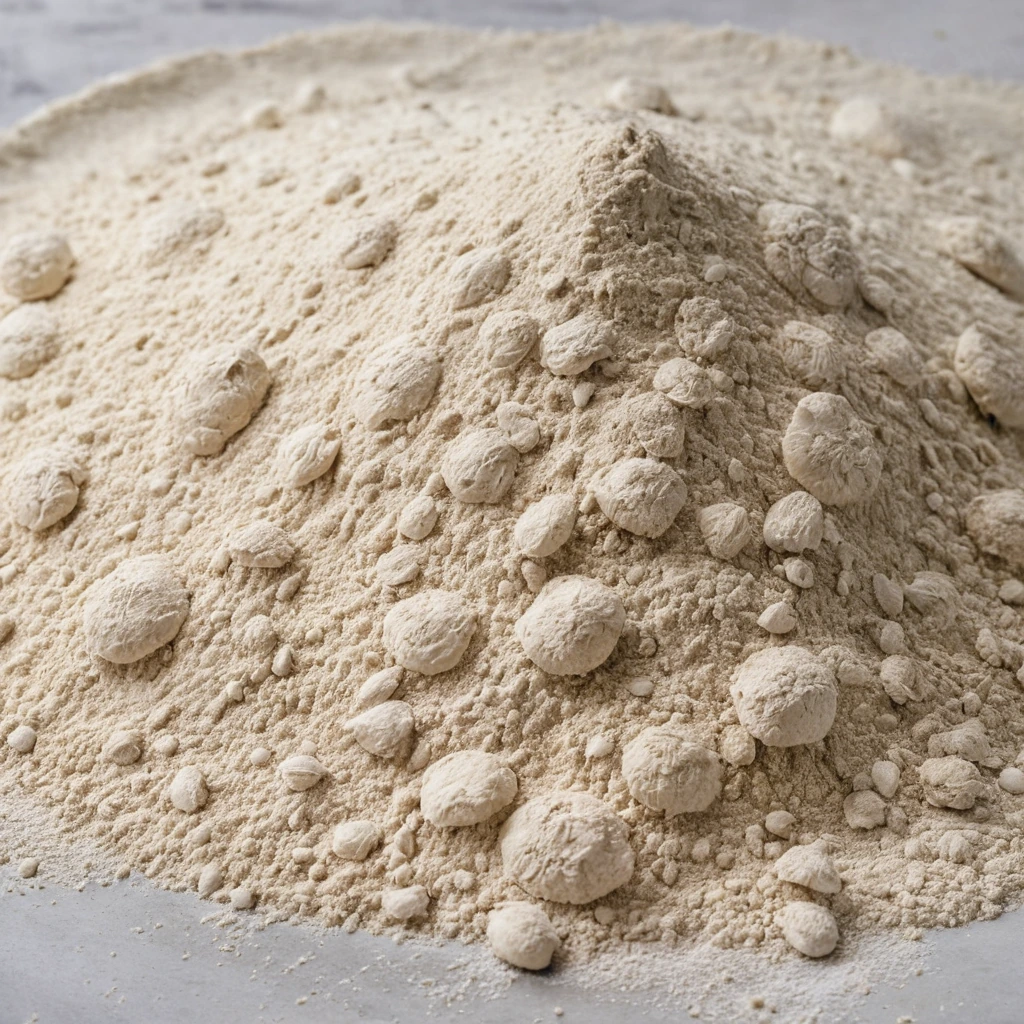
00 Pizza Flour
00 pizza flour is a finely milled Italian flour prized for its versatility in creating authentic Neapolitan-style pizza crusts. Originating from Italy, it is milled to a very fine consistency, which is reflected in its name, 'doppio zero,' indicating its fine grind. This flour has a balanced flavor profile, offering a mild, slightly sweet taste with a subtle nuttiness. Its texture is silky and smooth, contributing to a tender yet chewy crust when used in pizza making. In cooking, 00 pizza flour is known for its ability to hydrate quickly and develop a desirable gluten structure, resulting in a light and airy crust that can withstand high-heat cooking without becoming overly crispy or hard.
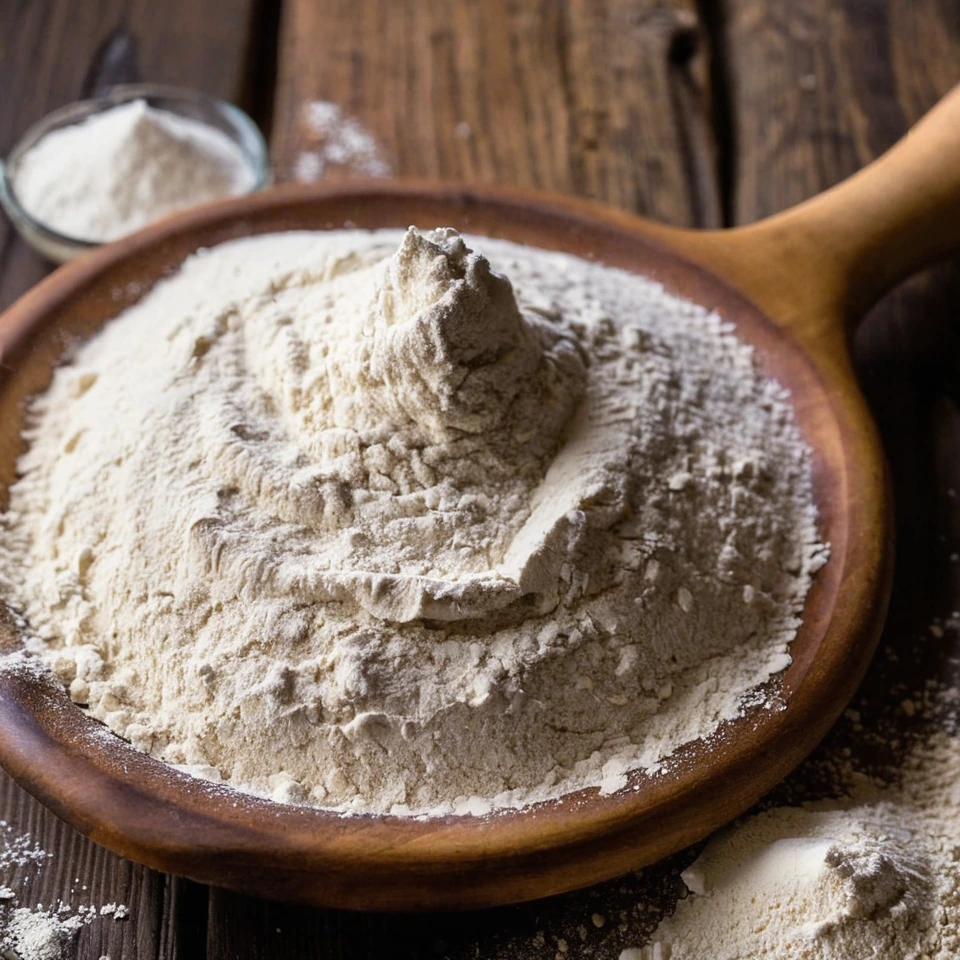
All-Purpose Flour
All-purpose flour is a versatile wheat flour that contains a moderate level of protein and gluten, making it suitable for a wide range of baking and cooking needs.
Recipes to try

Pumpkin Spice Cheesecake Swirl Brownies
Indulge in the cozy combo of fudgy brownies with a creamy pumpkin cheesecake swirl - autumn's dream dessert come to life.
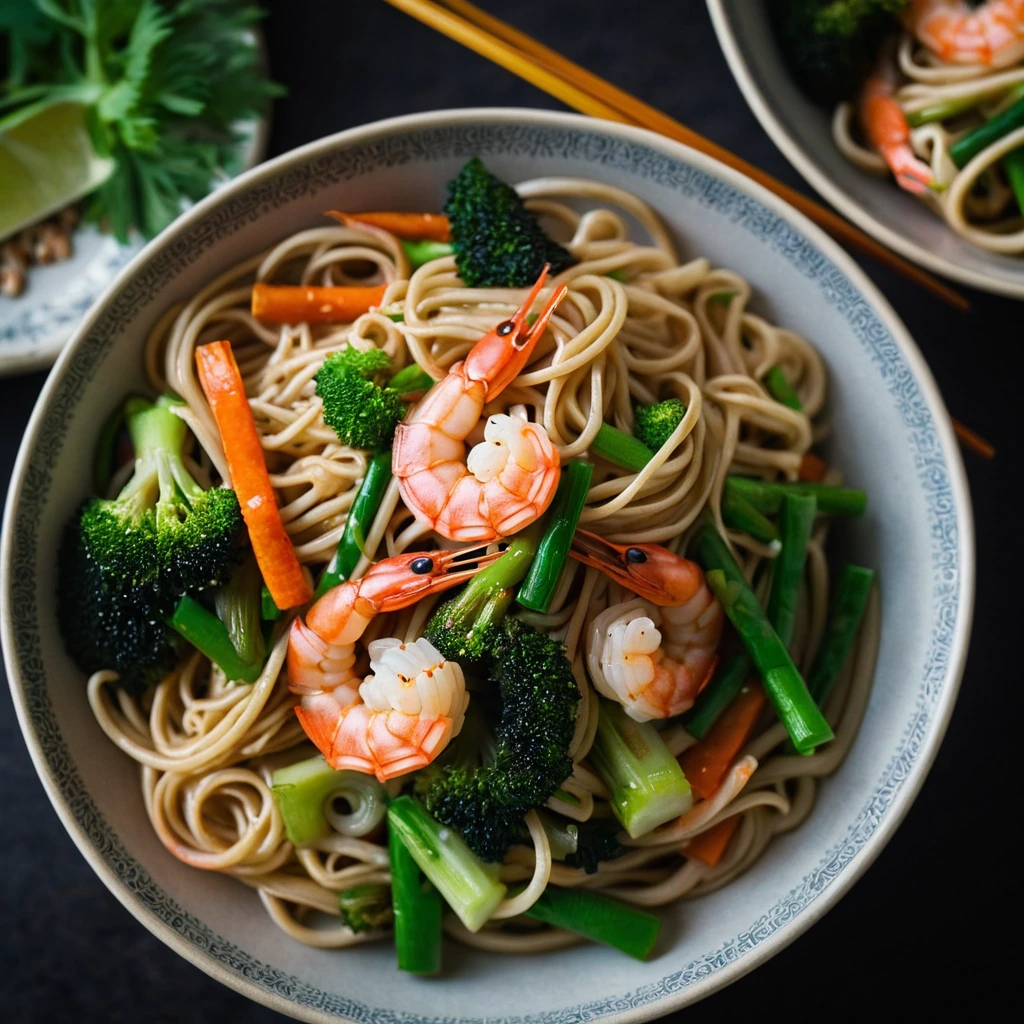
Shrimp and Veggie Lo Mein
Silky noodles twirled with succulent shrimp and a colorful medley of veggies in a savory sauce that'll have you slurping for more.