Breakfast: Folding Omelettes with Fillings
Creating a perfectly folded omelette with fillings is a delightful breakfast skill that combines art and science. It starts with selecting the right pan—nonstick is your friend here—and ensuring it's well-heated. The key to a fluffy omelette lies in the whisking of the eggs. Seasoned with a pinch of salt and pepper, they should be beaten until the yolks and whites are indistinguishable. Meanwhile, pre-cook any fillings like diced vegetables or meats to ensure they're ready to meld seamlessly into the egg mixture without releasing excess moisture. When the pan is just right—hot enough to sizzle a drop of water—melt a tablespoon of butter, coating the surface evenly. The egg mixture should be poured in swiftly, left undisturbed until it starts to set around the edges. This is when the magic happens: gently nudging the edges with a spatula allows the uncooked egg to flow beneath, creating layers of fluffy goodness. Adding fillings is a delicate dance; place them strategically across one half of the omelette, leaving a neat border to facilitate the fold. Timing is crucial: the omelette should be just set but still glossy. Folding requires precision—swiftly flipping one half over the fillings to create a neat package. Slide it onto a plate with confidence, and voilà! You have a beautifully folded omelette that holds its fillings in place, promising a burst of flavor with every bite. Achieving this requires practice, patience, and attention to detail, but the rewards are well worth the effort.
Notes
The science behind a fluffy omelette is all about creating layers of cooked and uncooked egg, trapping air pockets for a lighter texture. A common mistake is overcrowding the pan with too many fillings; keep it modest to allow the eggs to cook evenly. Safety is key: always ensure your pan is dry before adding butter to prevent splattering. For make-ahead convenience, pre-cook and store fillings separately. Omelettes are best enjoyed fresh but can be loosely covered and refrigerated for up to a day. Reheat gently to maintain texture.
Steps
- 1 Heat an 8-inch nonstick skillet over medium heat.
- 2 Melt 1 tablespoon of butter, ensuring it coats the pan evenly.
- 3 Whisk 3 eggs in a bowl with a pinch of salt and pepper until uniform.
- 4 Pour the egg mixture into the skillet and let it sit undisturbed.
- 5 As the edges set, gently lift them with a spatula to allow uncooked egg to flow underneath.
- 6 When the eggs are almost set but still slightly runny on top, add your pre-cooked fillings to one half.
- 7 With a swift motion, fold the other half over the fillings, forming a semi-circle.
- 8 Let the omelette cook for another 30 seconds, then slide it onto a plate.
Ingredients to explore
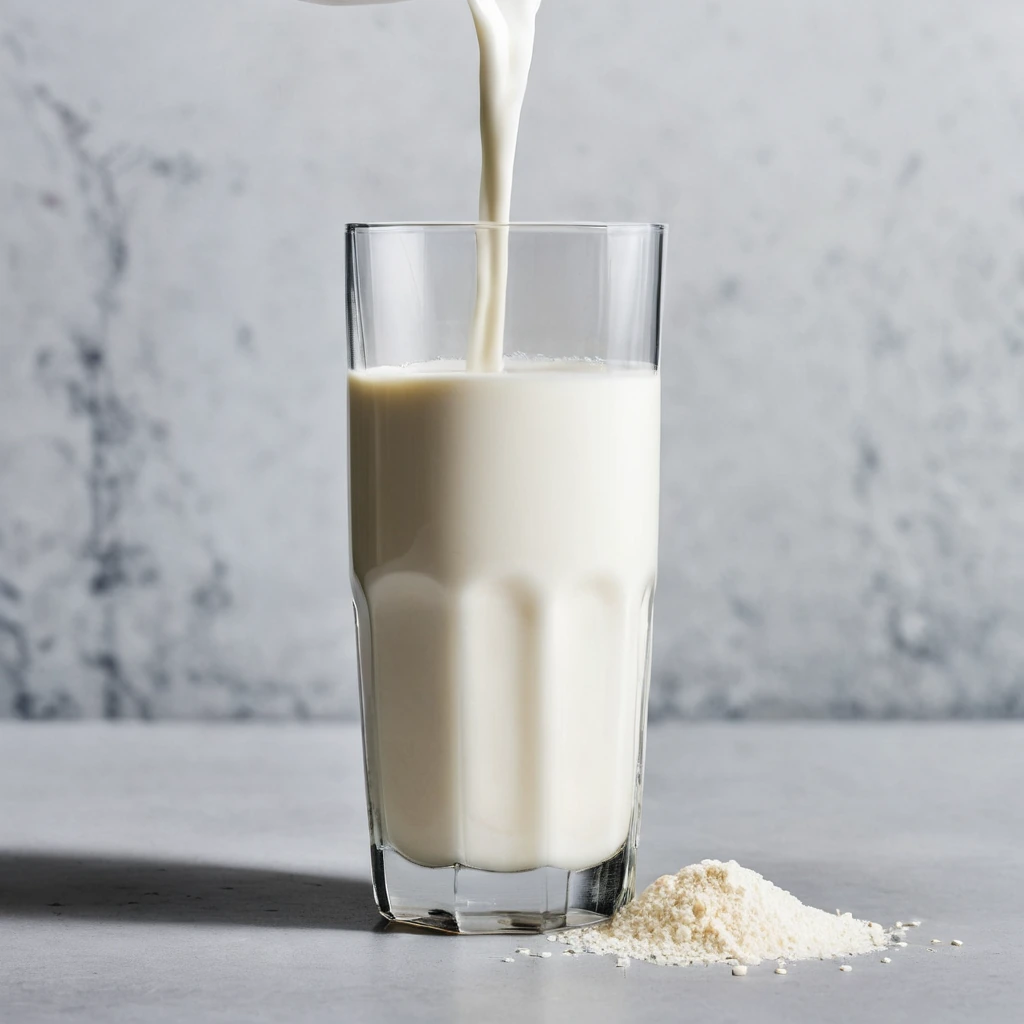
2% Milk
Creamy and just a touch lighter than whole milk, 2% milk offers a perfect balance of richness and reduced fat. Its smooth texture and subtle sweetness make it a delightful choice for sipping or cooking.
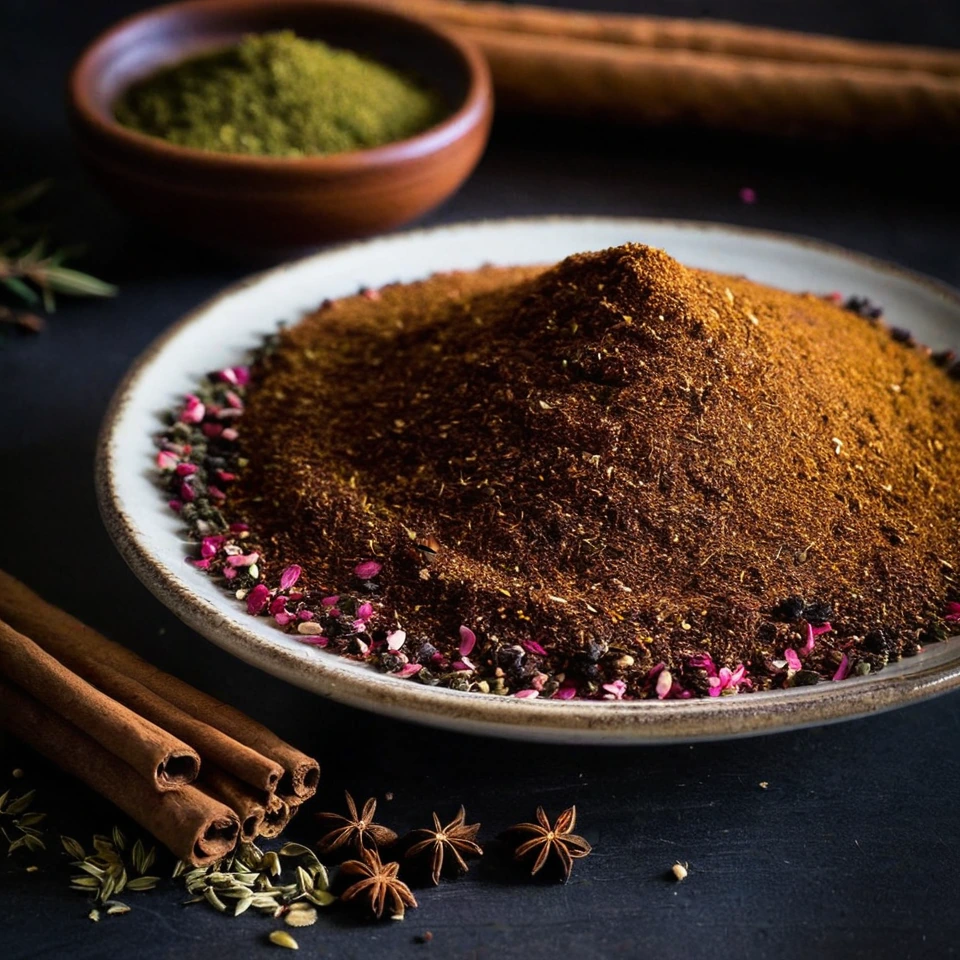
Advieh (Persian Spice Blend)
Advieh is a fragrant Persian spice blend that boasts a complex aroma of warm cinnamon, earthy cumin, and floral hints of rose and saffron. Its texture is finely ground, making it easy to incorporate into dishes. Originating from the rich culinary traditions of Iran, advieh adds depth and sophistication to both savory and sweet recipes. Its unique combination of spices reflects the historical spice trade routes that influenced Persian cuisine.
Recipes to try
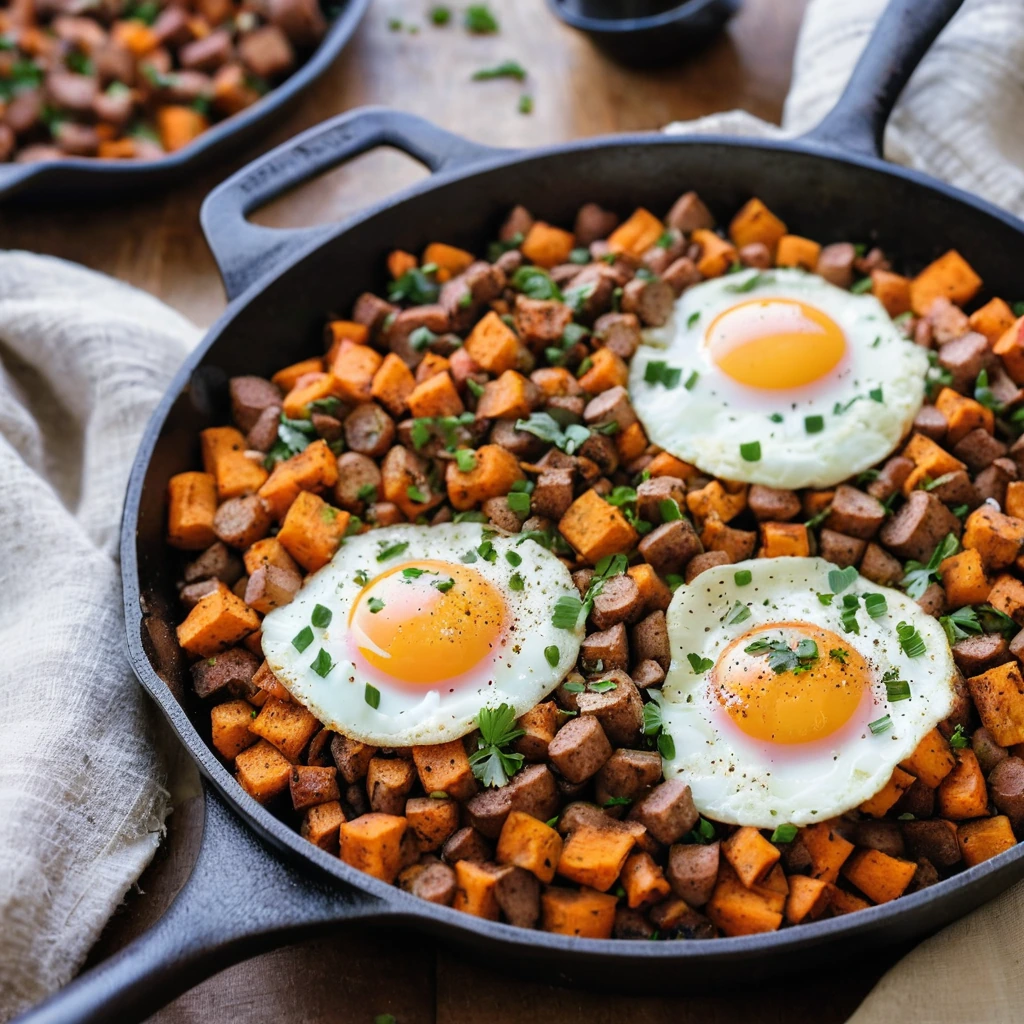
Sweet Potato, Sausage, and Egg Breakfast Hash
Rustic and hearty, this breakfast hash is a symphony of smoky sausage, tender sweet potatoes, and perfectly cooked eggs.
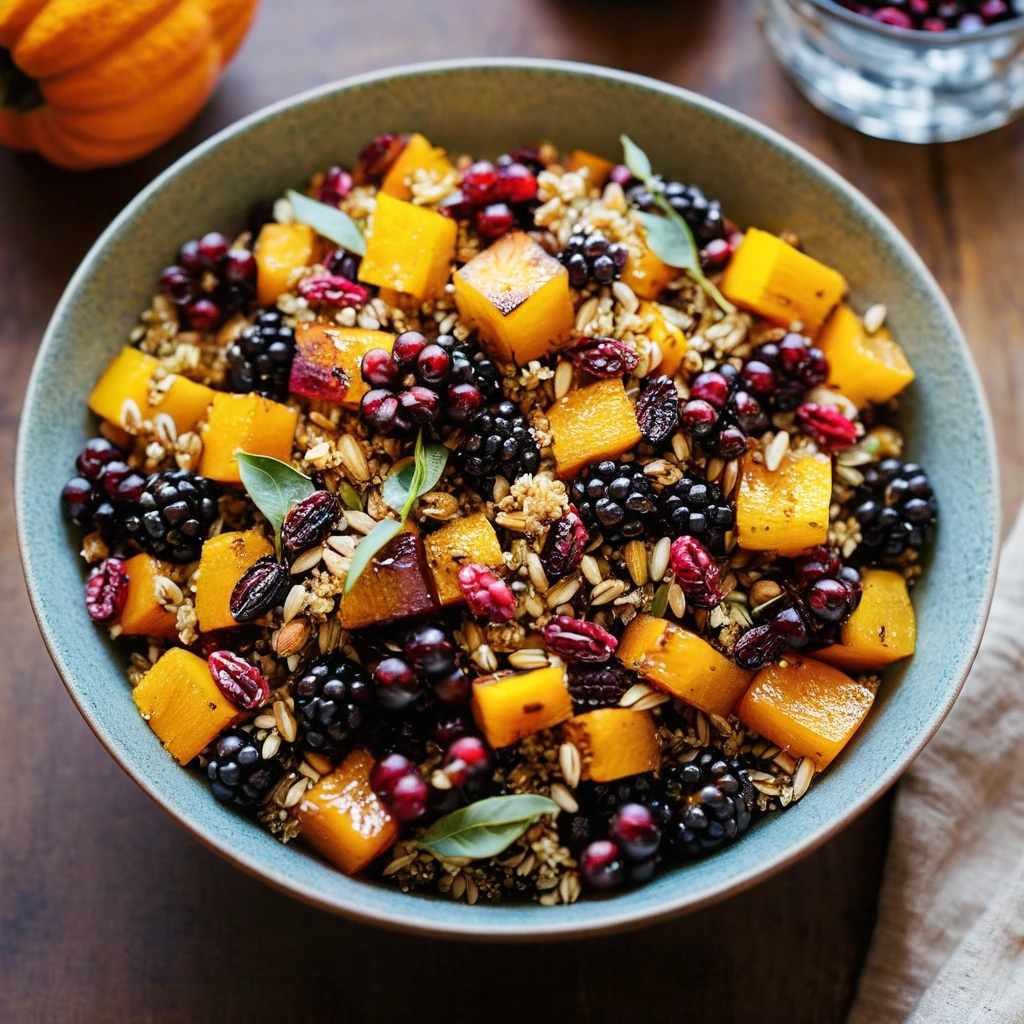
Warm Quinoa Salad with Roasted Squash and Cranberries
A cozy mix of nutty quinoa, tender roasted squash, and sweet cranberries makes this salad a fall favorite.