Breading & Coating: Standard Breading Procedure (Flour, Egg, Crumb)
The standard breading procedure is a tried-and-true technique that transforms ordinary proteins into crispy, golden-brown delights. Whether you're making chicken parmesan or veal milanese, mastering this method is essential. The process involves three main components: flour, egg, and crumbs. Each plays a crucial role in creating a texture that is both crunchy and tender. Flour provides structure, egg acts as a binder, and crumbs deliver the coveted crunch. Achieving the perfect breading requires attention to detail, from seasoning the flour to ensuring the egg wash is just the right consistency. This technique is not only versatile but also allows for creative freedom with different types of crumbs, from classic breadcrumbs to panko or even crushed cereal. Let's dive into the details of this essential cooking skill to elevate your home cooking game.
Notes
The science behind breading is fascinating: the egg wash acts as a crucial adhesive, creating a surface for the crumbs to cling to, while the flour provides structure to prevent the crumbs from falling off during cooking. Common mistakes include using too much flour, which can create a thick, pasty coating, or overcrowding the pan, leading to uneven cooking. Always ensure your oil is at the correct temperature to avoid greasy food. For make-ahead meals, breaded items can be refrigerated for a few hours or frozen for longer storage. When reheating, bake in a preheated oven to maintain crispiness.
Steps
- 1 Prepare three shallow dishes: one with seasoned flour, one with beaten eggs, and one with breadcrumbs.
- 2 Season the flour with salt and pepper to taste.
- 3 Whisk the eggs in the second dish until well combined.
- 4 Place your choice of breadcrumbs in the third dish.
- 5 Dredge the food item in the flour, shaking off any excess.
- 6 Dip the floured item into the beaten eggs, ensuring full coverage.
- 7 Coat the item thoroughly with breadcrumbs, pressing gently to adhere.
- 8 Place the breaded item on a wire rack or plate, allowing any excess crumbs to fall off.
- 9 Repeat the process for each item, ensuring consistent coating.
- 10 Preheat your oven to 350°F if you plan to bake, or heat oil to 350°F for frying.
- 11 For baking, place items on a greased or parchment-lined baking sheet.
- 12 For frying, carefully lower items into hot oil and cook until golden brown.
- 13 Drain fried items on paper towels to remove excess oil.
- 14 Serve immediately for the best texture and flavor.
Ingredients to explore
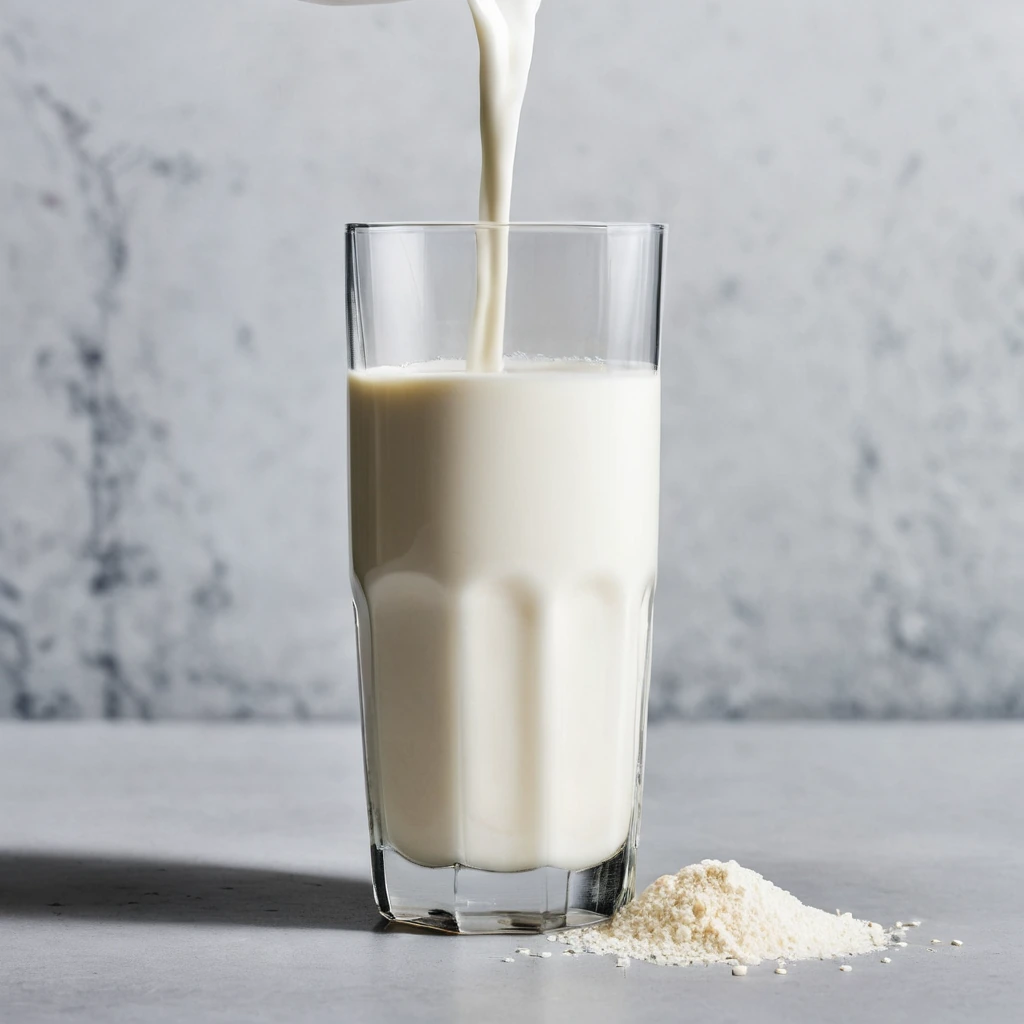
2% Milk
Creamy and just a touch lighter than whole milk, 2% milk offers a perfect balance of richness and reduced fat. Its smooth texture and subtle sweetness make it a delightful choice for sipping or cooking.
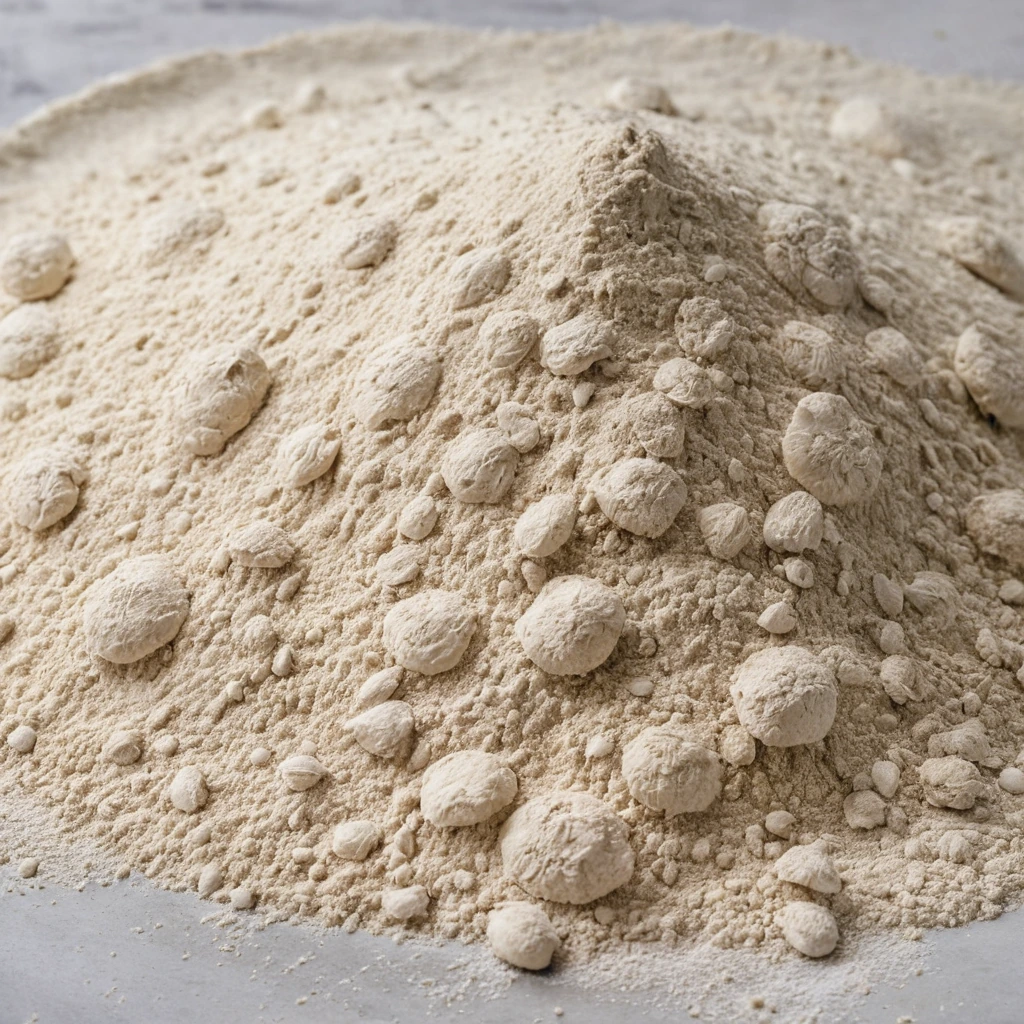
00 Pizza Flour
00 pizza flour is a finely milled Italian flour prized for its versatility in creating authentic Neapolitan-style pizza crusts. Originating from Italy, it is milled to a very fine consistency, which is reflected in its name, 'doppio zero,' indicating its fine grind. This flour has a balanced flavor profile, offering a mild, slightly sweet taste with a subtle nuttiness. Its texture is silky and smooth, contributing to a tender yet chewy crust when used in pizza making. In cooking, 00 pizza flour is known for its ability to hydrate quickly and develop a desirable gluten structure, resulting in a light and airy crust that can withstand high-heat cooking without becoming overly crispy or hard.
Recipes to try
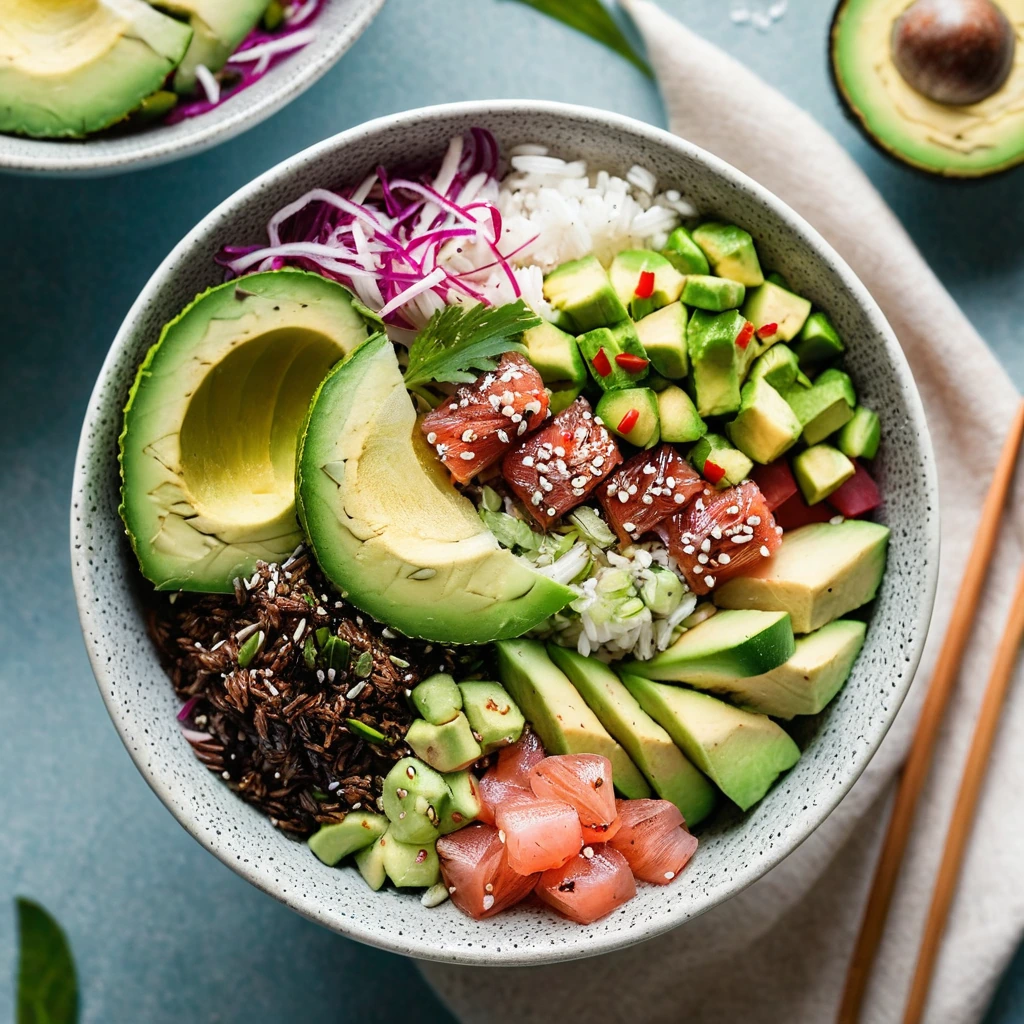
Spicy Tuna and Avocado Poke Bowls
Bright and zesty, these poke bowls are a fiesta of flavors with spicy tuna and creamy avocado.
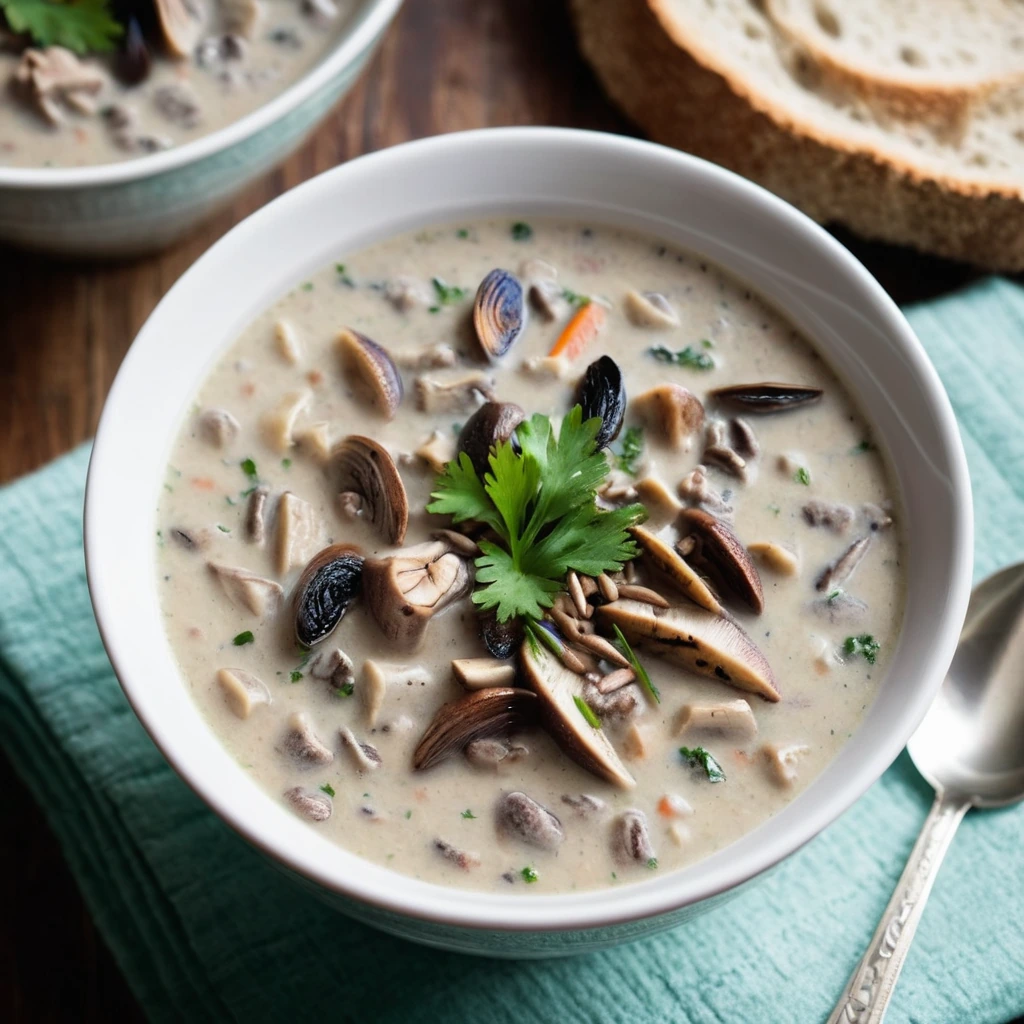
Turkey and Wild Rice Mushroom Soup
Warm up with this hearty soup, brimming with tender turkey, earthy wild rice, and a medley of savory mushrooms in a rich, comforting broth.