Breading & Coating: Preventing Coatings from Falling Off
Achieving a crispy, evenly coated exterior on your fried or baked dishes is an art that can elevate your home cooking to professional levels. The secret lies in understanding the science of breading and coating, and mastering a few key techniques to ensure that your coatings stick and stay put. This method is crucial for dishes like chicken parmesan, fried seafood, or even veggie cutlets. By creating a strong bond between the food and the coating, you can enjoy a satisfying crunch with every bite. First, let’s talk about the importance of surface tension. For the coating to adhere properly, the surface of your food must be slightly tacky, which is why a wet layer is crucial. Next, we’ll explore the role of each component in the classic three-step breading process: flour, egg, and breadcrumbs. Flour creates a surface for the egg to cling to, while the egg acts as a binding agent for the breadcrumbs. Finally, we’ll delve into the drying phase, which tightens proteins and helps the coating stick even better. Understanding these steps will transform your breaded dishes from soggy disasters to crispy masterpieces.
Notes
The science behind successful breading lies in creating layers that bond effectively. The proteins in the egg coagulate when heated, binding the breadcrumbs to the food. Allowing the coated food to rest in the fridge firms up the coating, preventing it from sliding off during cooking. Common mistakes include using wet food, which can lead to soggy coatings, and overcrowding the pan, which lowers the oil temperature and results in greasy food. For safety, always handle hot oil with care, and use a thermometer to maintain the correct frying temperature. To make ahead, bread and refrigerate coated items for up to 24 hours before cooking. Store leftovers in an airtight container in the fridge for up to 3 days, reheating in a low oven to preserve crispiness.
Steps
- 1 Pat your food dry with paper towels to remove excess moisture.
- 2 Season the flour with salt and pepper, then lightly coat the food in the flour.
- 3 Dip the floured food into beaten eggs, ensuring full coverage.
- 4 Press the food into a layer of breadcrumbs, panko, or crushed cereal, ensuring an even coat.
- 5 For extra adherence, let the coated food rest in the refrigerator for 30 minutes.
- 6 Preheat your oven or frying oil to the correct temperature, typically 350°F for baking and 375°F for frying.
- 7 Bake or fry the coated food until golden brown, flipping halfway through cooking to ensure even browning.
- 8 Drain fried food on a wire rack over paper towels to remove excess oil.
- 9 For baked items, ensure they are fully cooked through by checking internal temperature with a meat thermometer if applicable.
Ingredients to explore
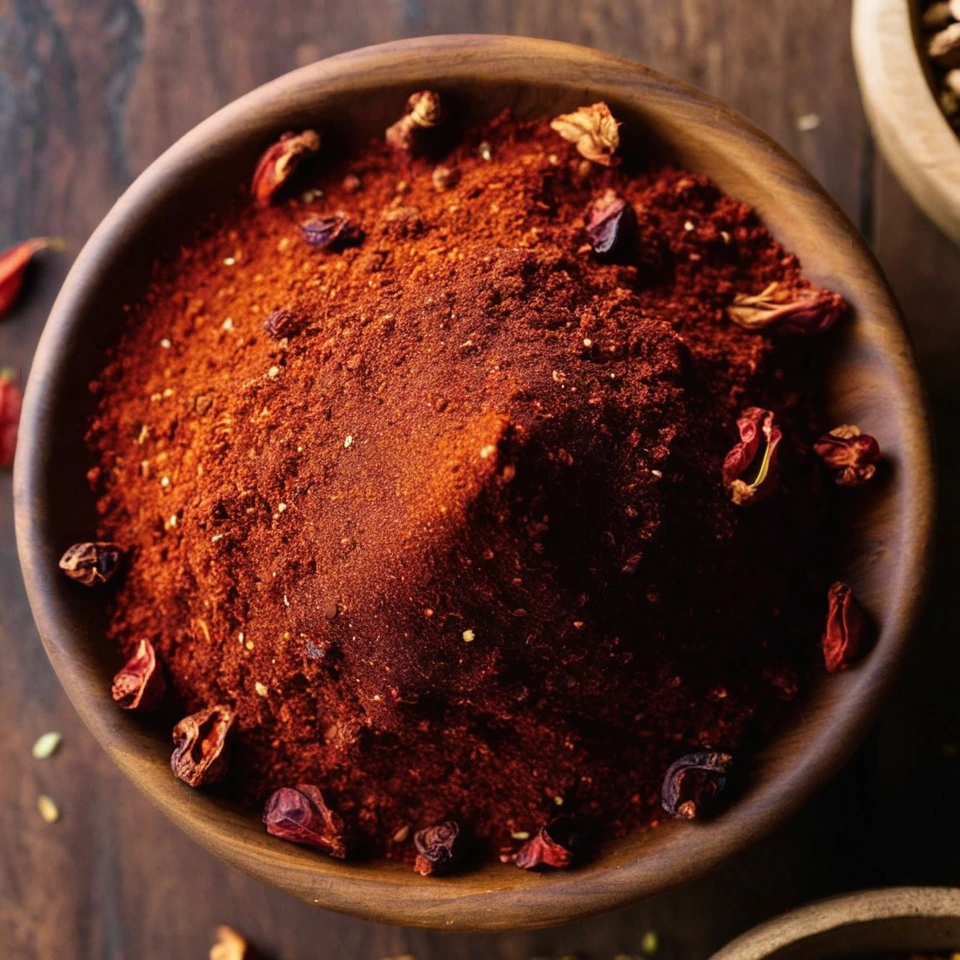
Aleppo Pepper
Aleppo pepper offers a harmonious balance of heat and sweetness, with a subtle fruity aroma reminiscent of sun-dried tomatoes and currants. Originating from the region around Aleppo, Syria, it has a fine, slightly coarse texture that shatters easily between fingers. Its mild yet complex flavor profile makes it a prized seasoning for enhancing dishes without overwhelming them. Valued for its versatility, it bridges the gap between spice and seasoning, bringing a touch of warmth and depth to a variety of cuisines.
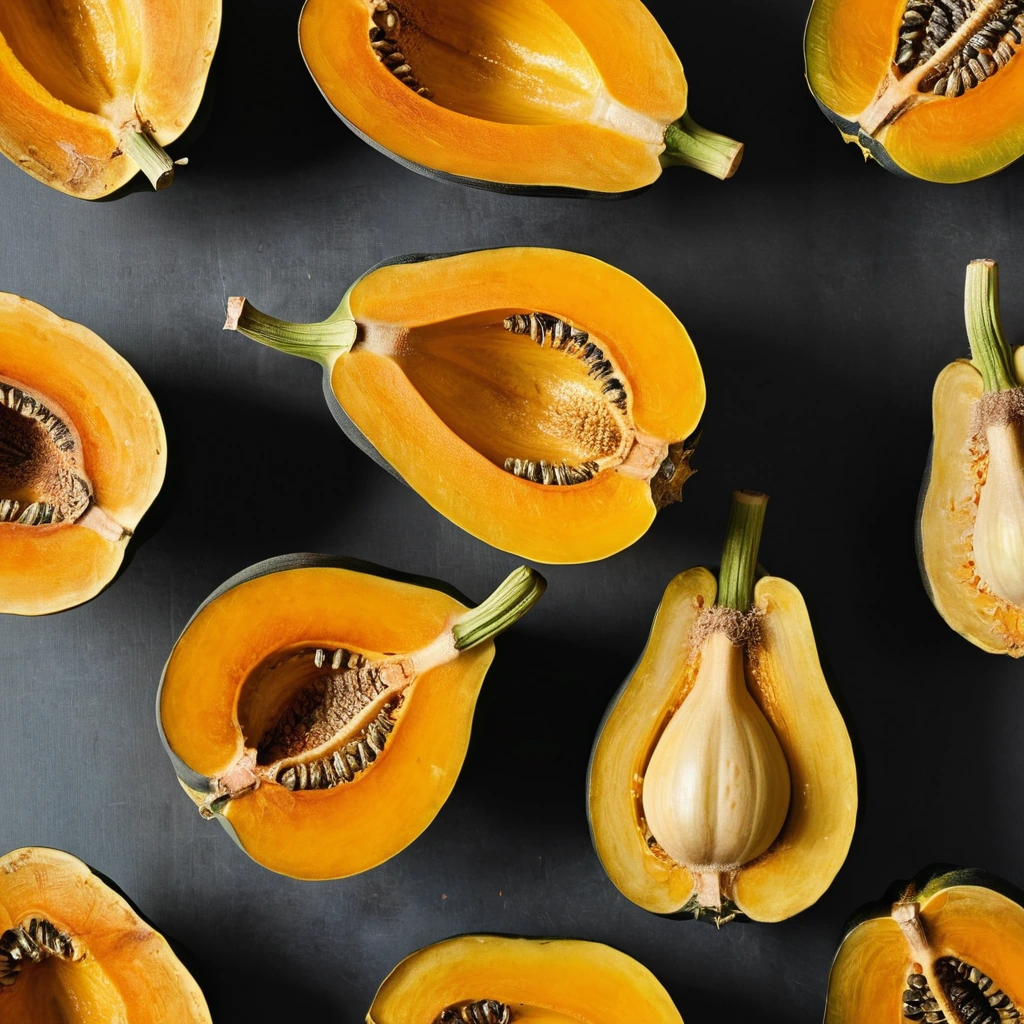
Acorn Squash
Acorn squash is a winter squash variety known for its distinctive teardrop shape and deep ridges resembling the texture of an acorn shell. Originating in the Americas, it has been cultivated for centuries and is a staple in autumn cuisine. The flesh is sweet and nutty with a hint of earthiness, offering a delightful contrast to savory dishes. Its texture is dense yet tender when cooked, making it ideal for roasting or pureeing. In cooking, acorn squash holds its shape well and absorbs flavors from herbs and spices, enhancing both its taste and versatility in recipes.
Recipes to try
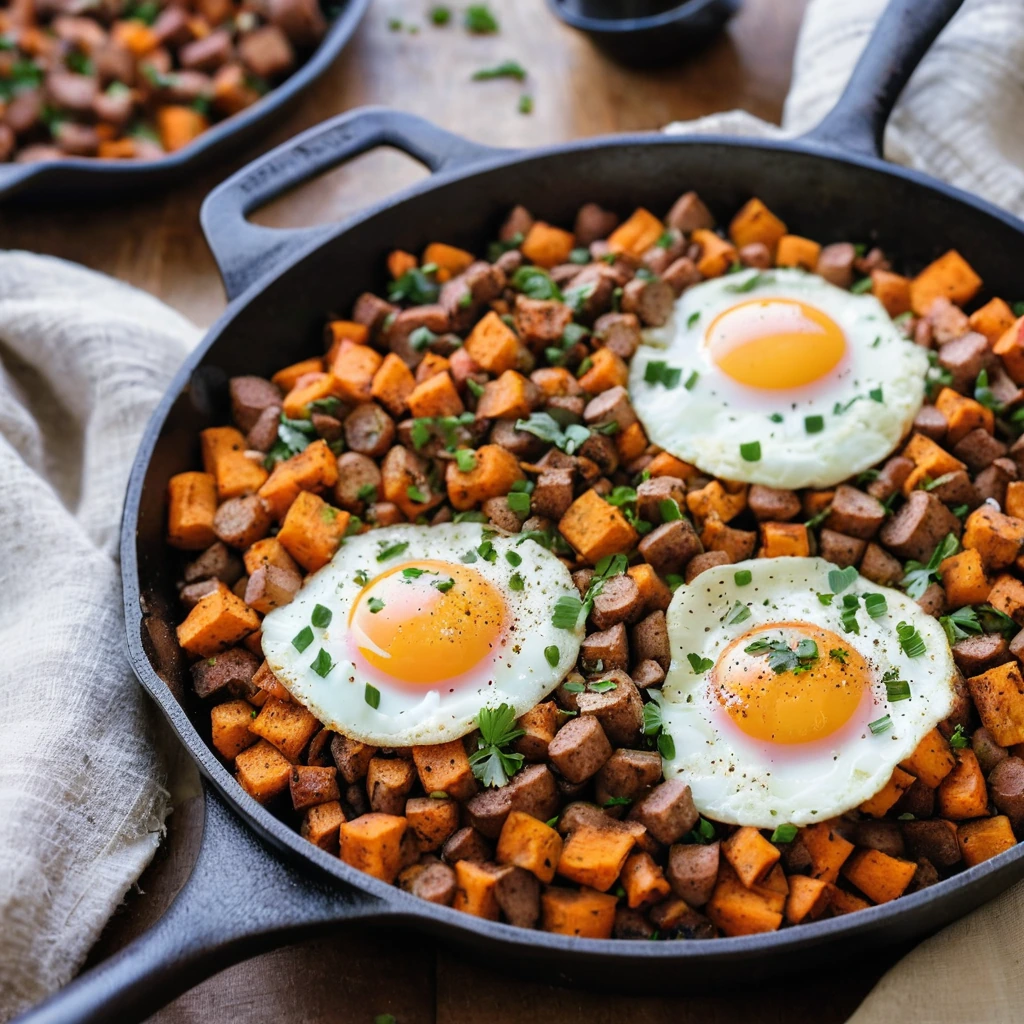
Sweet Potato, Sausage, and Egg Breakfast Hash
Rustic and hearty, this breakfast hash is a symphony of smoky sausage, tender sweet potatoes, and perfectly cooked eggs.
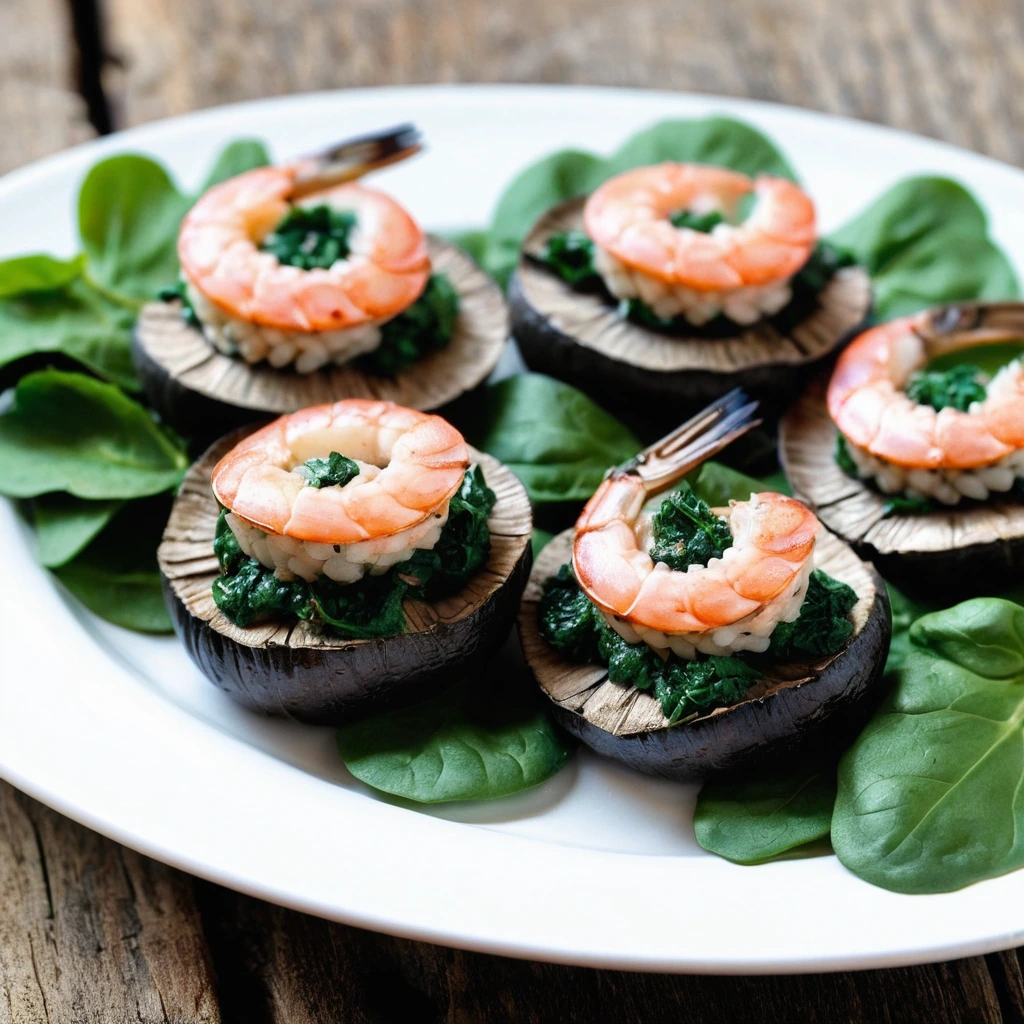
Shrimp and Spinach Stuffed Portobellos
Tender shrimp mingles with sautéed spinach in a savory filling, nestled inside roasted portobello mushrooms for a satisfying vegetarian-friendly main.