Bread Technique: Cold-Proofing Shaped Loaves for Better Schedules
Cold-proofing is a game-changer for home bakers juggling busy schedules. This technique involves shaping your bread dough and then letting it proof slowly in the refrigerator. It offers flexibility, allowing you to bake fresh bread at your convenience. During cold-proofing, the yeast activity slows down due to the lower temperatures, giving the gluten structure time to relax and flavors to develop more deeply. This method is particularly beneficial for recipes like sourdough or artisanal breads, where enhanced flavor and texture are key. Moreover, planning becomes a breeze since you can time your bake for when it suits you best, whether it's early morning or after work. It's a practical approach that transforms bread-making from a time-sensitive craft into a schedule-friendly activity. Understanding the science behind cold-proofing can demystify the process and boost your confidence in the kitchen. By controlling yeast fermentation through temperature, you can achieve consistent results without needing to monitor your dough constantly. This technique is straightforward yet powerful, offering both convenience and improved bread quality.
Notes
Cold-proofing works by slowing yeast activity, which allows for a gradual development of flavor compounds without the risk of over-proofing. A common mistake is not allowing enough time for cold-proofing, resulting in underdeveloped flavors. To avoid this, plan ahead and give your dough ample time in the fridge. Ensure your dough isn't too warm when it goes into the refrigerator to prevent fermentation from kicking into overdrive before chilling. For storage, baked bread is best enjoyed fresh but can be wrapped in foil and stored at room temperature for a day or frozen for longer keeping. Always thaw frozen bread at room temperature before reheating to maintain texture.
Steps
- 1 Prepare your bread dough according to your recipe's instructions.
- 2 Shape the dough into your desired loaf form.
- 3 Place the shaped dough into a proofing basket or a bowl lined with floured kitchen towel.
- 4 Cover the dough loosely with plastic wrap.
- 5 Transfer the dough to the refrigerator.
- 6 Cold-proof the dough for 8 to 24 hours, depending on your schedule and recipe.
- 7 Preheat your oven to 425°F at least 30 minutes before baking.
- 8 Transfer the dough to a preheated baking vessel or parchment-lined baking sheet.
- 9 Score the top of the loaf with a sharp blade.
- 10 Bake the loaf for 25-35 minutes, or until the internal temperature reaches 200°F.
- 11 Remove the bread from the oven and let it cool on a wire rack.
- 12 Ensure the bread is completely cooled before slicing to preserve its structure.
Ingredients to explore
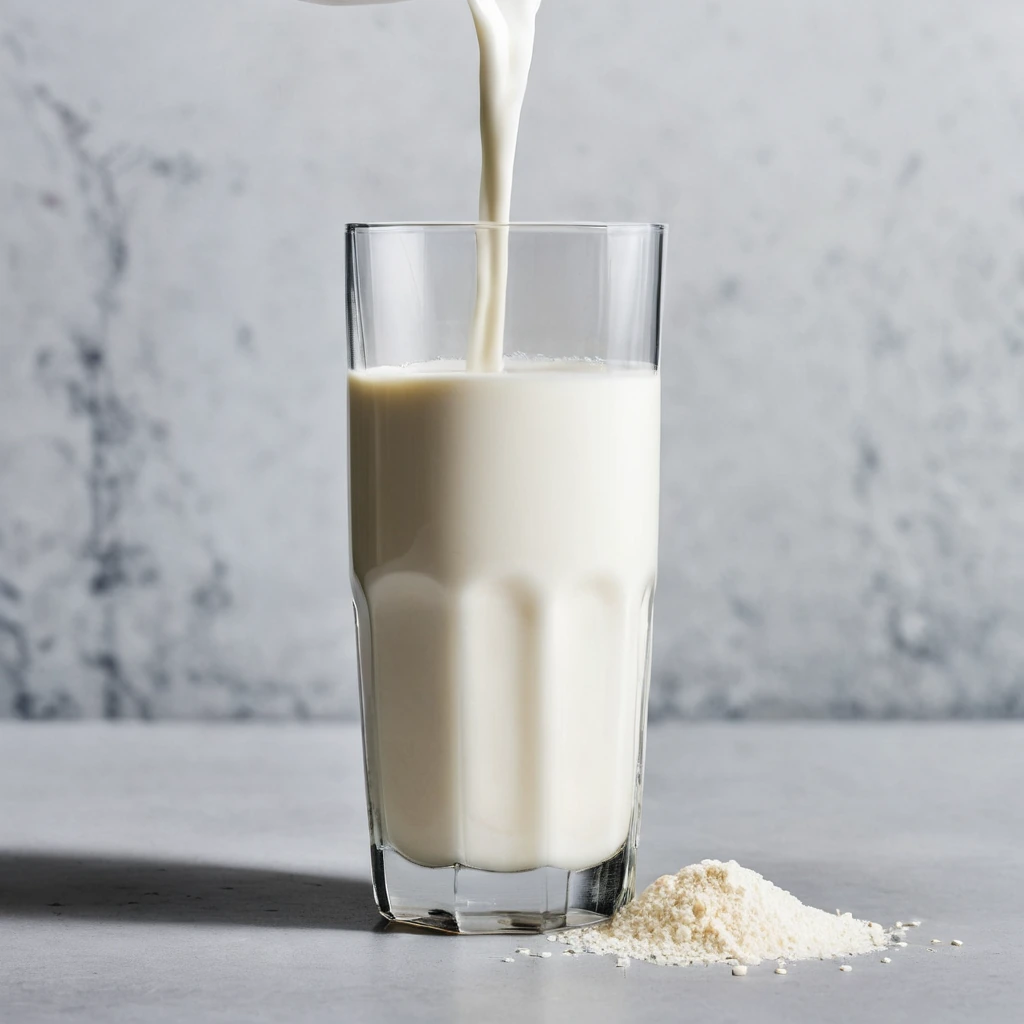
2% Milk
Creamy and just a touch lighter than whole milk, 2% milk offers a perfect balance of richness and reduced fat. Its smooth texture and subtle sweetness make it a delightful choice for sipping or cooking.
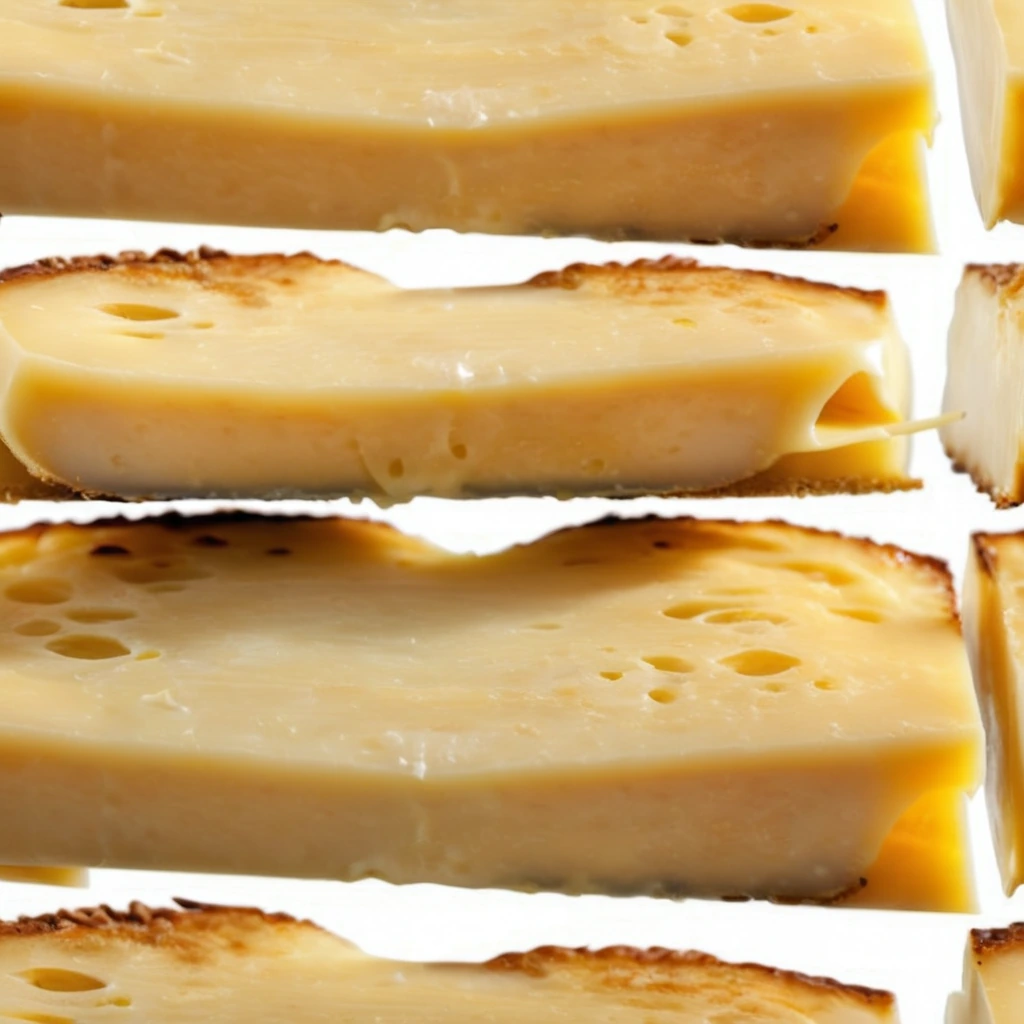
American Cheese Slices
Those iconic, perfectly pliable slices of creamy, mild American cheese. Each slice boasts a smooth, melt-in-your-mouth texture that brings comfort to any dish.
Recipes to try

Pork Schnitzel with Lemon and Parsley Slaw
Golden, crispy pork schnitzel served with a refreshing, zesty lemon and parsley slaw that'll brighten your dinner table.

Sesame Chicken Fried Rice with Veggies
Savory fried rice packed with tender chicken, colorful veggies, and toasted sesame seeds for an irresistible nutty crunch.