Bread Technique: Bulk Fermentation and Dough Strength
Bulk fermentation is the phase in bread-making where the dough undergoes its first rise after all ingredients have been mixed and kneaded. This critical step develops flavor, structure, and texture in your bread. During this time, yeast ferments sugars into carbon dioxide, which creates air pockets, and gluten strengthens, resulting in a robust dough. The interplay between time, temperature, and dough handling during bulk fermentation can make or break your loaf. A well-executed bulk fermentation leads to bread with a complex flavor profile, a tender crumb, and a sturdy crust. Understanding the science behind it can elevate your home baking from good to gourmet. This technique dives into how to achieve the perfect balance of dough strength and fermentation for artisanal-quality bread.
Notes
Bulk fermentation is vital for developing gluten structure and enhancing flavor through fermentation. The ideal temperature for bulk fermentation is around 75°F; cooler temperatures slow yeast activity, while warmer temperatures speed it up, risking over-fermentation. Troubleshooting includes watching for overproofing, which can collapse your dough, and underproofing, which results in dense bread. Ensuring proper gluten development through kneading and stretch and folds is crucial for dough strength. For storage, remember that dough at this stage is alive; refrigeration can slow fermentation if you need to delay shaping.
Steps
- 1 Mix flour, water, yeast, and salt until a shaggy dough forms.
- 2 Knead the dough for 8-10 minutes until smooth and elastic.
- 3 Place the dough in a lightly oiled bowl, cover with plastic wrap.
- 4 Allow the dough to rest at room temperature (around 75°F) for 2-4 hours.
- 5 Perform stretch and folds every 30 minutes for the first 2 hours to build strength.
- 6 Check dough progress by gently poking it; it should spring back slowly.
- 7 Once doubled in size and bubbly, the bulk fermentation is complete.
- 8 Turn the dough out onto a floured surface for shaping.
- 9 Shape the dough gently to maintain gas bubbles.
- 10 Proof the shaped dough in a banneton or bowl, covered, for another 1-2 hours.
Ingredients to explore

Andouille Sausage
Andouille sausage is a coarse-grained, smoked pork sausage with a rich history rooted in French cuisine, particularly from the Alsace region. It was adapted in Louisiana, where it became a staple in Cajun and Creole cooking. The sausage is known for its robust, smoky flavor with hints of garlic, pepper, and other spices, creating a spicy and savory profile. Its texture is firm yet slightly chewy, making it a hearty addition to dishes. When cooked, andouille sausage maintains its shape well and infuses dishes with its distinctive smoky essence, enhancing stews, soups, and rice dishes.
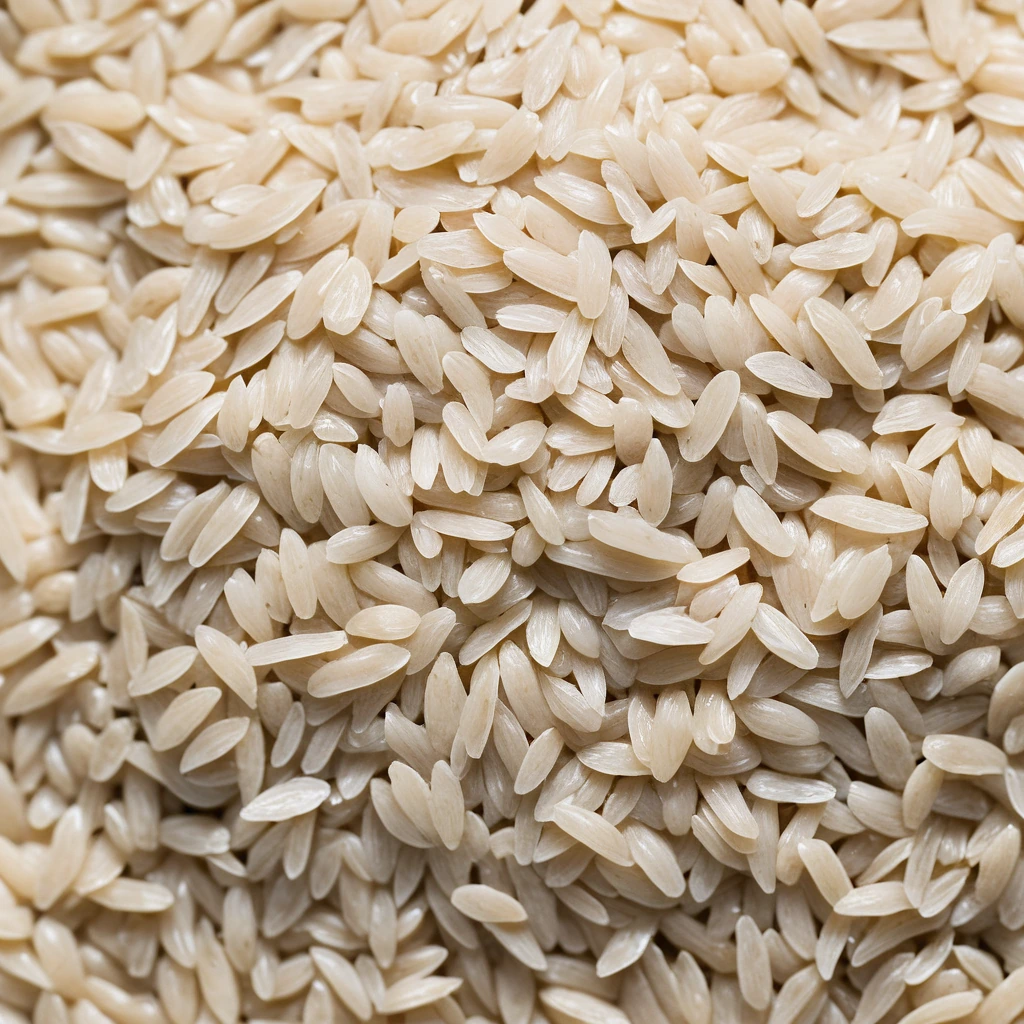
Arborio Rice
Arborio rice is a short-grain Italian rice variety renowned for its use in risotto. Originating from the Po Valley in Northern Italy, it is a staple in Italian cuisine. Its flavor is mild and nutty, with a pleasant creamy texture when cooked due to its high amylopectin content, which releases starch and creates a velvety consistency. The grains remain plump and firm to the bite, offering a satisfying chewiness. In cooking, Arborio rice excels at absorbing flavors from broths and seasonings while maintaining its shape, making it ideal for dishes that require both creaminess and structure.
Recipes to try

Strawberry Cream Cheese Stuffed French Toast
Imagine warm, golden French toast stuffed with a tangy cream cheese and sweet strawberry surprise – breakfast just got a gourmet upgrade.
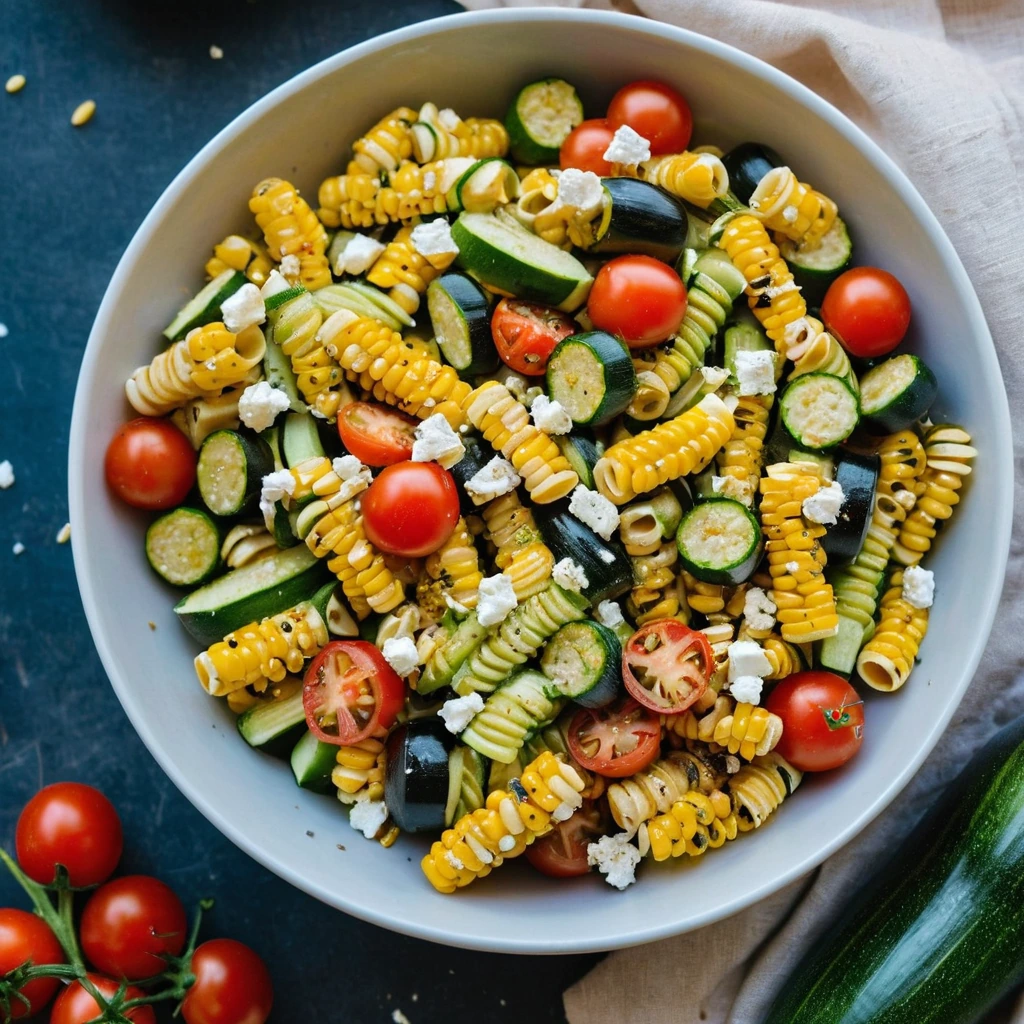
Roasted Zucchini, Corn, and Tomato Pasta Salad
This vibrant pasta salad is bursting with smoky roasted veggies and tangy feta, making every bite a taste of summer.