Baking Technique: Tempering Chocolate for Snappy Bars
Tempering chocolate is a crucial step to achieving that glossy finish and satisfying snap in homemade chocolate bars. This technique involves carefully heating and cooling chocolate to stabilize its cocoa butter crystals. Properly tempered chocolate not only looks professional but also has a smooth texture and a pleasant mouthfeel. The process might sound intimidating, but with patience and precision, you can master it at home. First, understand that cocoa butter, the fat in chocolate, has six different crystal forms, but only form V is desirable for its stability and shine. By controlling the chocolate's temperature, you encourage the formation of these ideal crystals. Whether you're making chocolate bars, coating truffles, or creating decorative elements, tempering is your key to success. Let’s dive into the details and demystify this technique so you can confidently create professional-quality chocolates in your own kitchen.
Notes
Tempering works because it aligns the cocoa butter crystals into a stable structure. A common mistake is overheating the chocolate, which can cause it to seize or lose its temper. If this happens, start over with fresh chocolate. For safety, always use a thermometer to ensure precise temperature control. Tempered chocolate can be stored at room temperature in an airtight container, away from direct sunlight and odors, for up to two weeks. If you notice streaks or dull patches when working with tempered chocolate, it may indicate the presence of untempered chocolate or fat bloom from improper storage, requiring you to re-temper the batch.
Steps
- 1 Chop chocolate into small, even pieces to ensure uniform melting.
- 2 Melt two-thirds of the chocolate slowly in a heatproof bowl set over a pan of simmering water, ensuring the bottom of the bowl doesn't touch the water.
- 3 Heat the chocolate to 110°F to 115°F for dark chocolate, 105°F to 110°F for milk and white chocolate.
- 4 Remove the bowl from the heat and wipe it dry to avoid condensation.
- 5 Add the remaining one-third of unmelted chocolate to the melted chocolate, stirring gently until fully incorporated.
- 6 Continue stirring until the temperature of the chocolate reaches 82°F for dark chocolate, 80°F for milk and white chocolate.
- 7 Reheat the chocolate gently to bring it to its working temperature: 88°F to 90°F for dark chocolate, 86°F to 88°F for milk and white chocolate.
- 8 Use the tempered chocolate immediately for dipping, molding, or spreading onto bars.
- 9 Monitor the chocolate's temperature throughout use to ensure it stays within the correct range.
Ingredients to explore
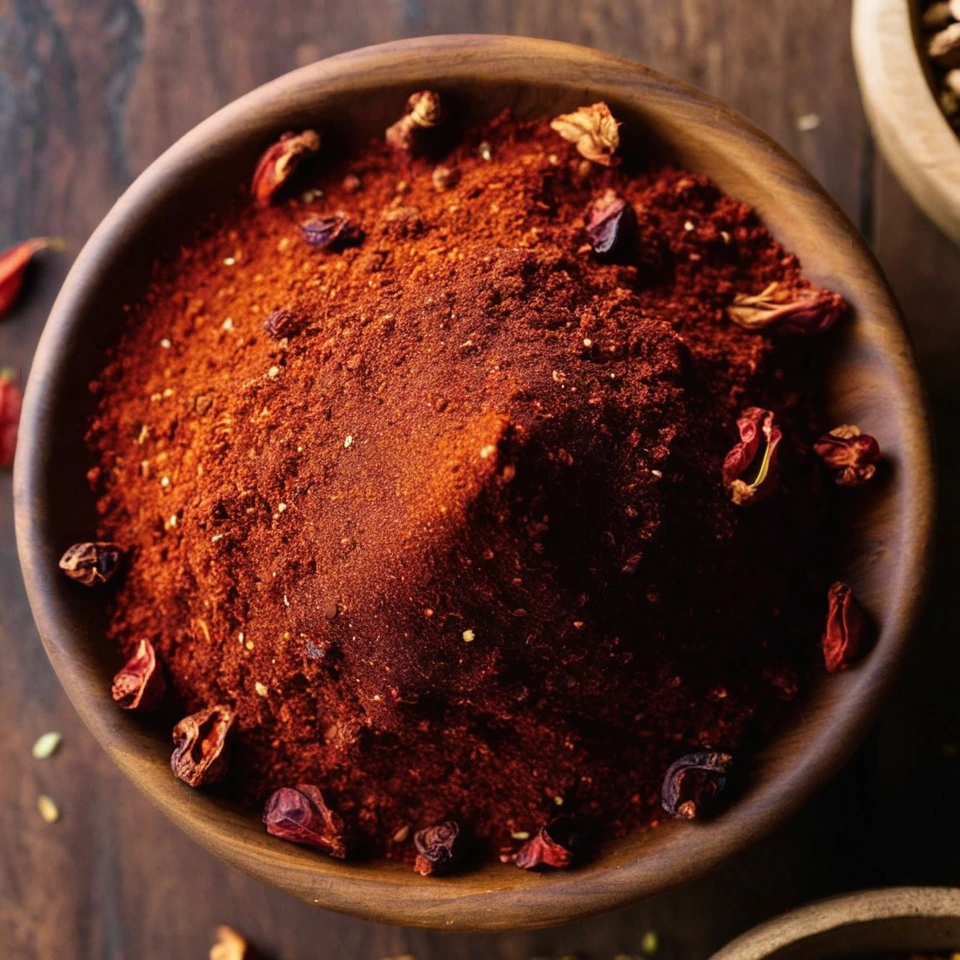
Aleppo Pepper
Aleppo pepper offers a harmonious balance of heat and sweetness, with a subtle fruity aroma reminiscent of sun-dried tomatoes and currants. Originating from the region around Aleppo, Syria, it has a fine, slightly coarse texture that shatters easily between fingers. Its mild yet complex flavor profile makes it a prized seasoning for enhancing dishes without overwhelming them. Valued for its versatility, it bridges the gap between spice and seasoning, bringing a touch of warmth and depth to a variety of cuisines.
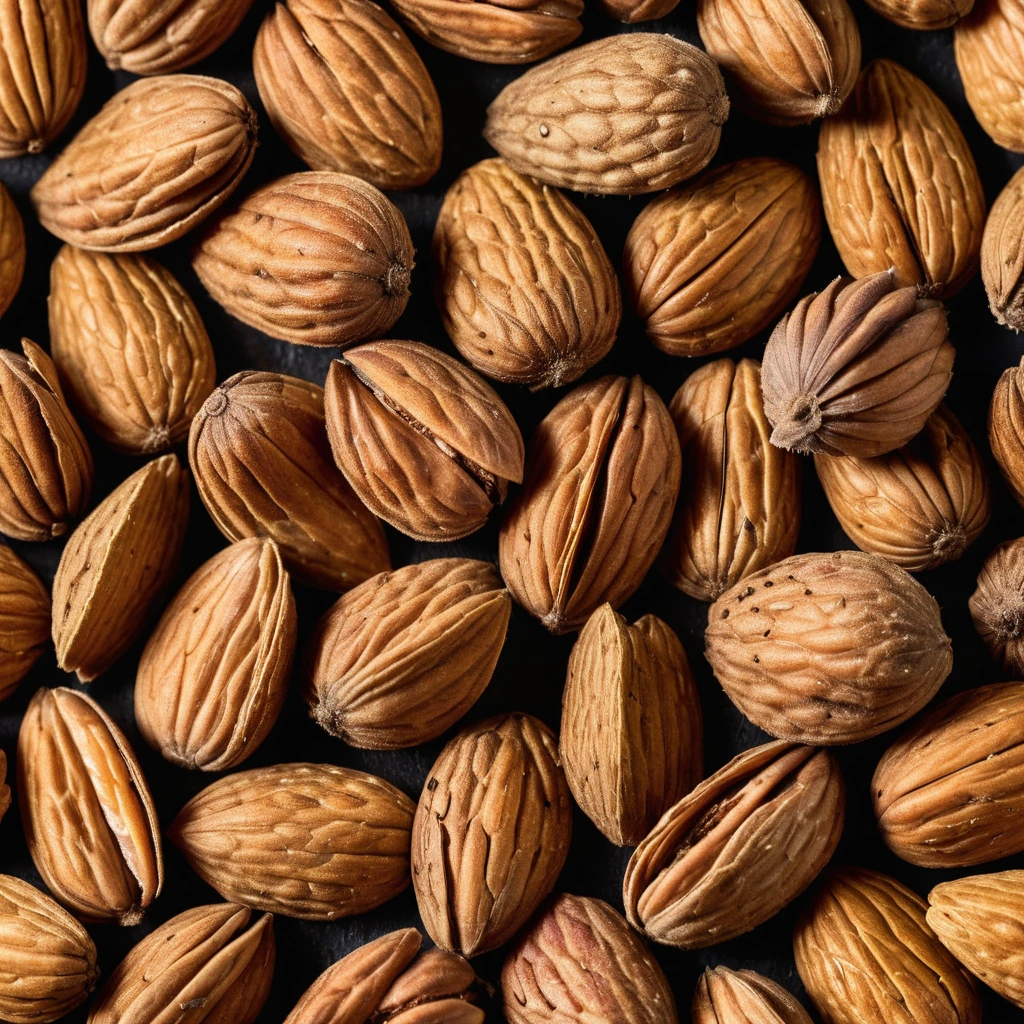
Almonds
With their golden-brown hue and delicate, edible skin, almonds are a crunchy delight. These versatile nuts boast a rich, buttery flavor that adds depth to both sweet and savory dishes.
Recipes to try
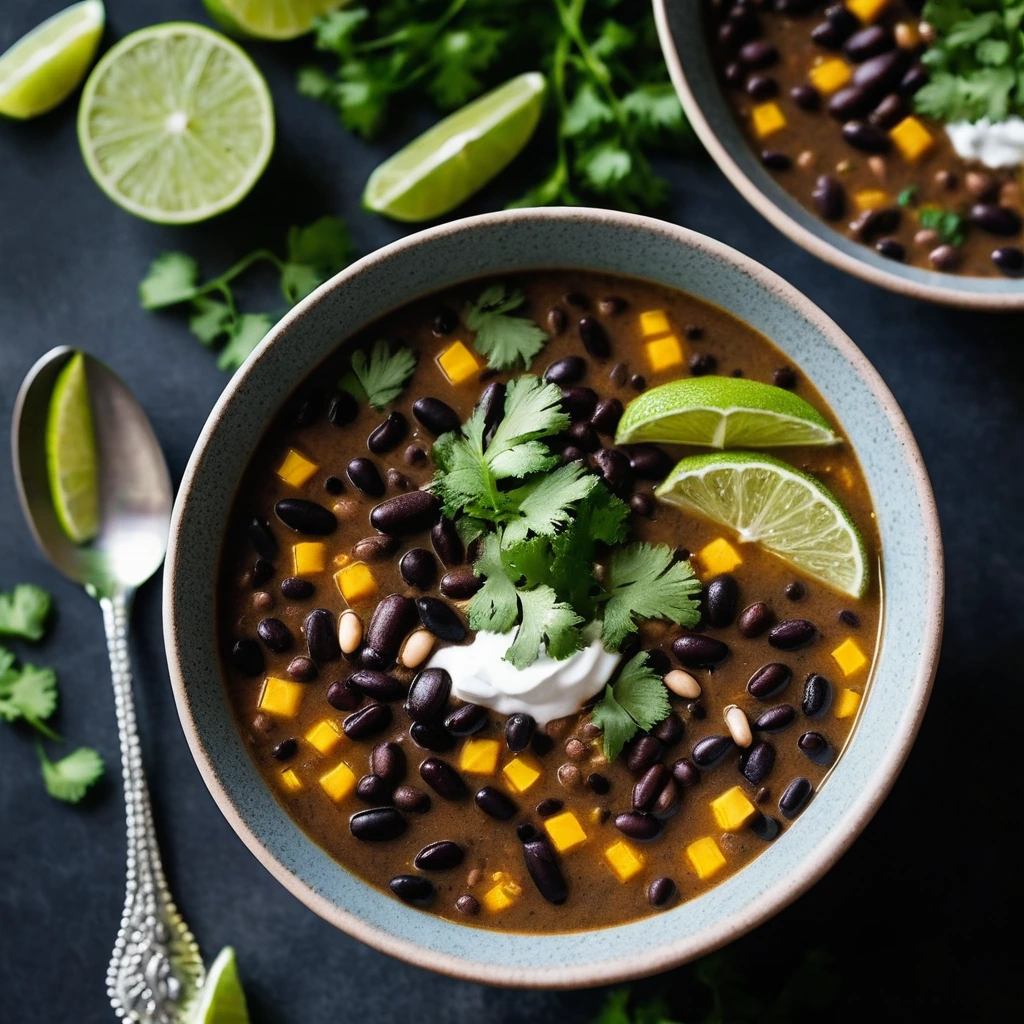
Smoky Black Bean and Corn Soup with Lime
This soup is a tangy, smoky hug in a bowl, with the fresh zing of lime cutting through rich black beans and sweet corn.
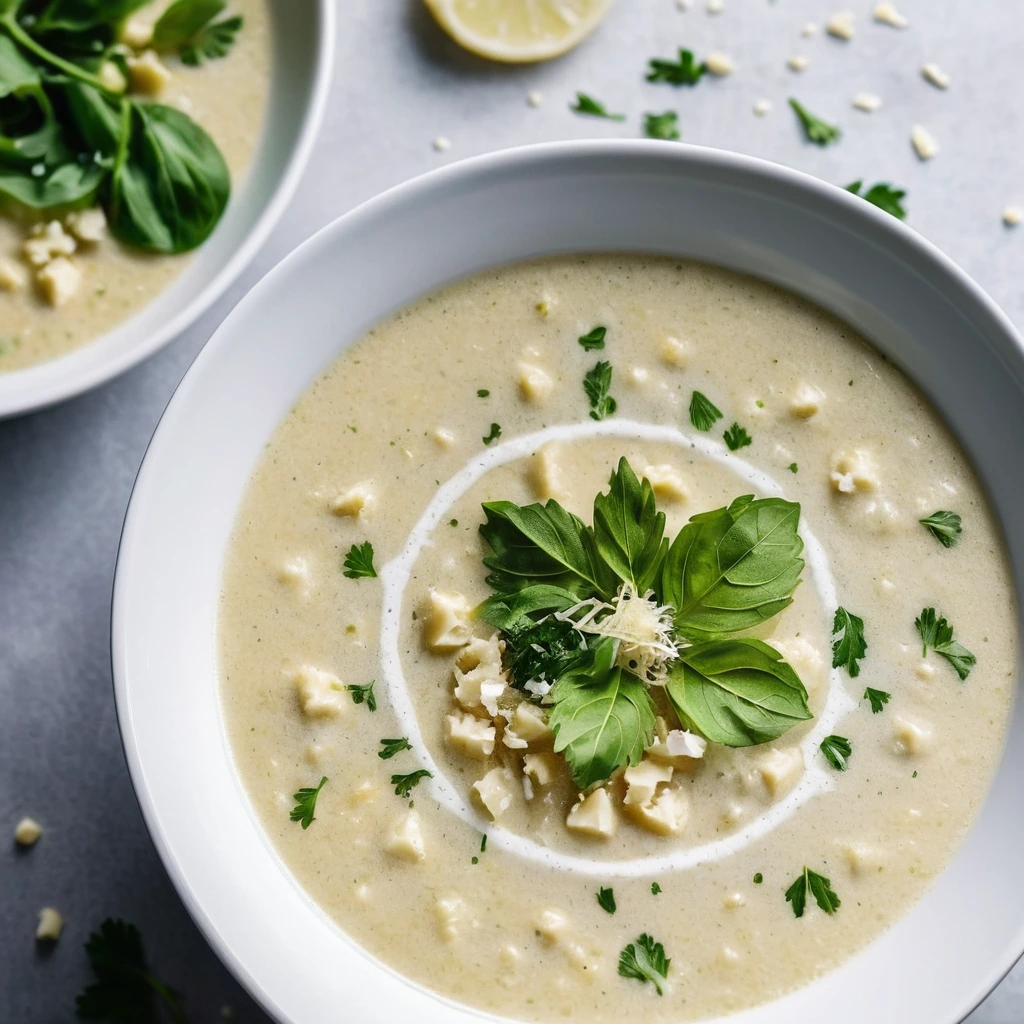
Roasted Cauliflower and Garlic Soup with Parmesan
This velvety soup is a symphony of roasted cauliflower and garlic, kissed with nutty Parmesan for a cozy, crave-worthy bowl.