Baking Technique: Rolling Dough Evenly for Cookies and Pies
Achieving an even thickness when rolling out dough is a fundamental skill in baking, essential for cookies and pies alike. Unevenly rolled dough can lead to cookies that bake inconsistently or pie crusts that don’t fit properly into your dish. This technique ensures that every bite is as good as the last. Start by understanding the importance of chilling your dough beforehand, as it makes the dough easier to handle and prevents sticking. Next, consider your work surface; a clean, lightly floured surface is ideal to avoid adding too much flour, which can toughen the dough. Using a rolling pin with handles can provide better control and even pressure. The goal is to achieve a consistent thickness across the entire piece of dough. For cookies, aim for about 1/4 inch thick, while pie dough should be around 1/8 to 1/4 inch, depending on preference. Regularly lift and rotate the dough to ensure even rolling. Finally, use guides or a ruler to maintain the desired thickness throughout the process. Mastering this technique will elevate your baking game, ensuring professional-looking and tasting results every time.
Notes
Evenly rolling dough is a science of balance and patience. Chilling the dough firms it up, making it less sticky and easier to roll out without tearing. Too much flour can lead to a tough, dry crust, so use it sparingly. If your dough becomes too warm and sticky during rolling, don’t hesitate to return it to the fridge for a few minutes. Safety-wise, ensure your work surface is clean to avoid contamination. For make-ahead convenience, roll out dough, wrap it tightly in plastic, and refrigerate for up to two days or freeze for longer storage. Thaw in the fridge before using.
Steps
- 1 Chill the dough for at least 30 minutes before rolling.
- 2 Lightly flour your work surface and rolling pin.
- 3 Place the dough onto the floured surface.
- 4 Roll from the center outwards in all directions.
- 5 Lift and rotate the dough 90 degrees after every two rolls.
- 6 Check the thickness frequently with a ruler or guides.
- 7 Adjust thickness to 1/4 inch for cookies or 1/8 to 1/4 inch for pie dough.
- 8 Re-flour the surface sparingly as needed to prevent sticking.
- 9 Use a bench scraper to move and adjust the dough if it sticks.
- 10 Once the desired thickness is achieved, proceed with cutting or shaping.
Ingredients to explore

Andouille Sausage
Andouille sausage is a coarse-grained, smoked pork sausage with a rich history rooted in French cuisine, particularly from the Alsace region. It was adapted in Louisiana, where it became a staple in Cajun and Creole cooking. The sausage is known for its robust, smoky flavor with hints of garlic, pepper, and other spices, creating a spicy and savory profile. Its texture is firm yet slightly chewy, making it a hearty addition to dishes. When cooked, andouille sausage maintains its shape well and infuses dishes with its distinctive smoky essence, enhancing stews, soups, and rice dishes.
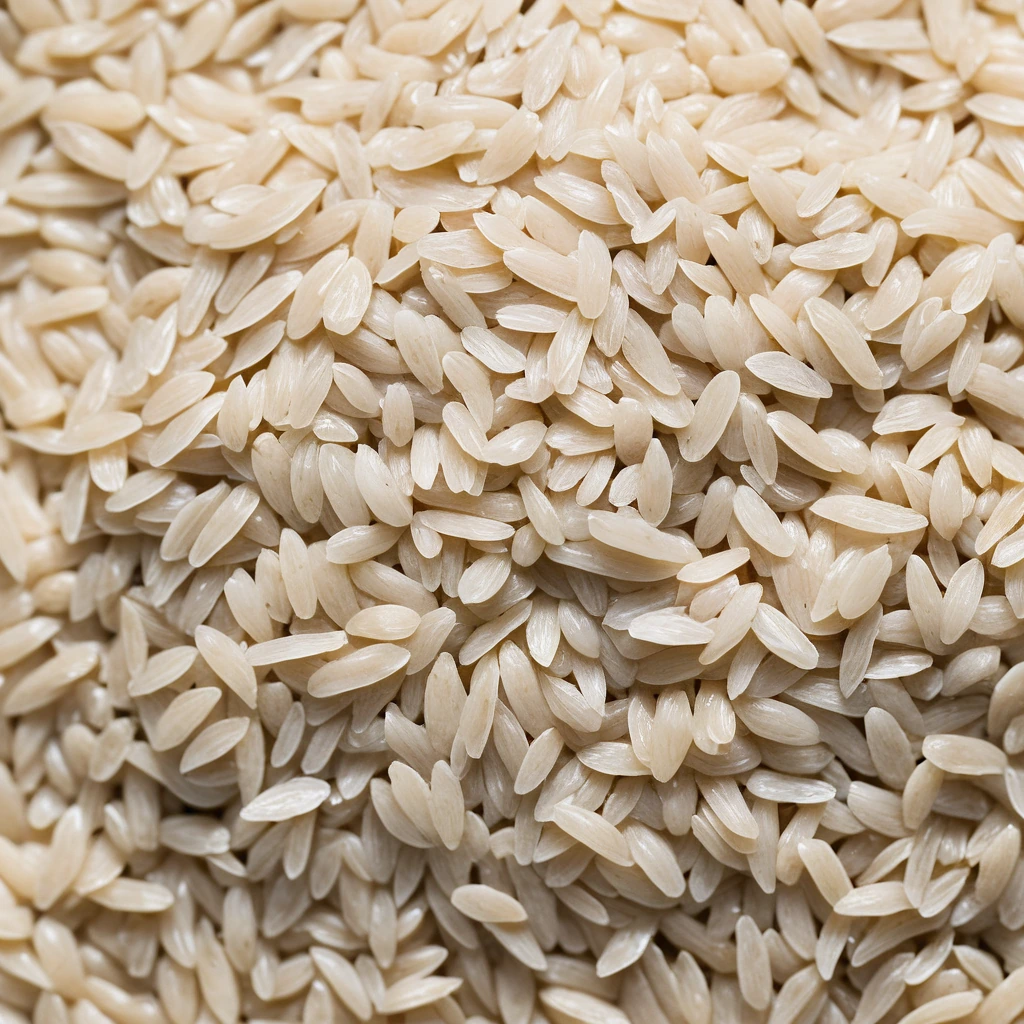
Arborio Rice
Arborio rice is a short-grain Italian rice variety renowned for its use in risotto. Originating from the Po Valley in Northern Italy, it is a staple in Italian cuisine. Its flavor is mild and nutty, with a pleasant creamy texture when cooked due to its high amylopectin content, which releases starch and creates a velvety consistency. The grains remain plump and firm to the bite, offering a satisfying chewiness. In cooking, Arborio rice excels at absorbing flavors from broths and seasonings while maintaining its shape, making it ideal for dishes that require both creaminess and structure.
Recipes to try
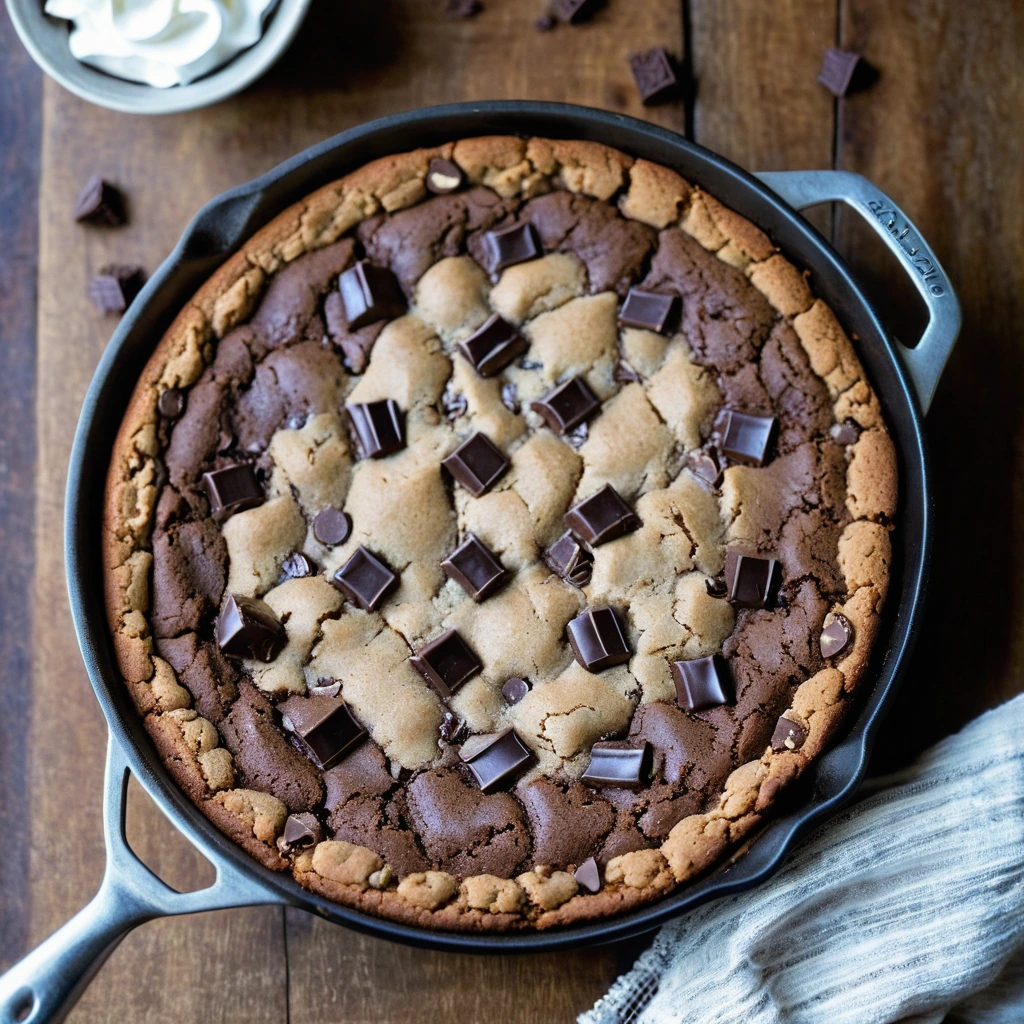
Triple Chocolate Chunk Skillet Cookie
This skillet cookie is a gooey, decadent delight with chunks of dark, milk, and white chocolate that will make you swoon.
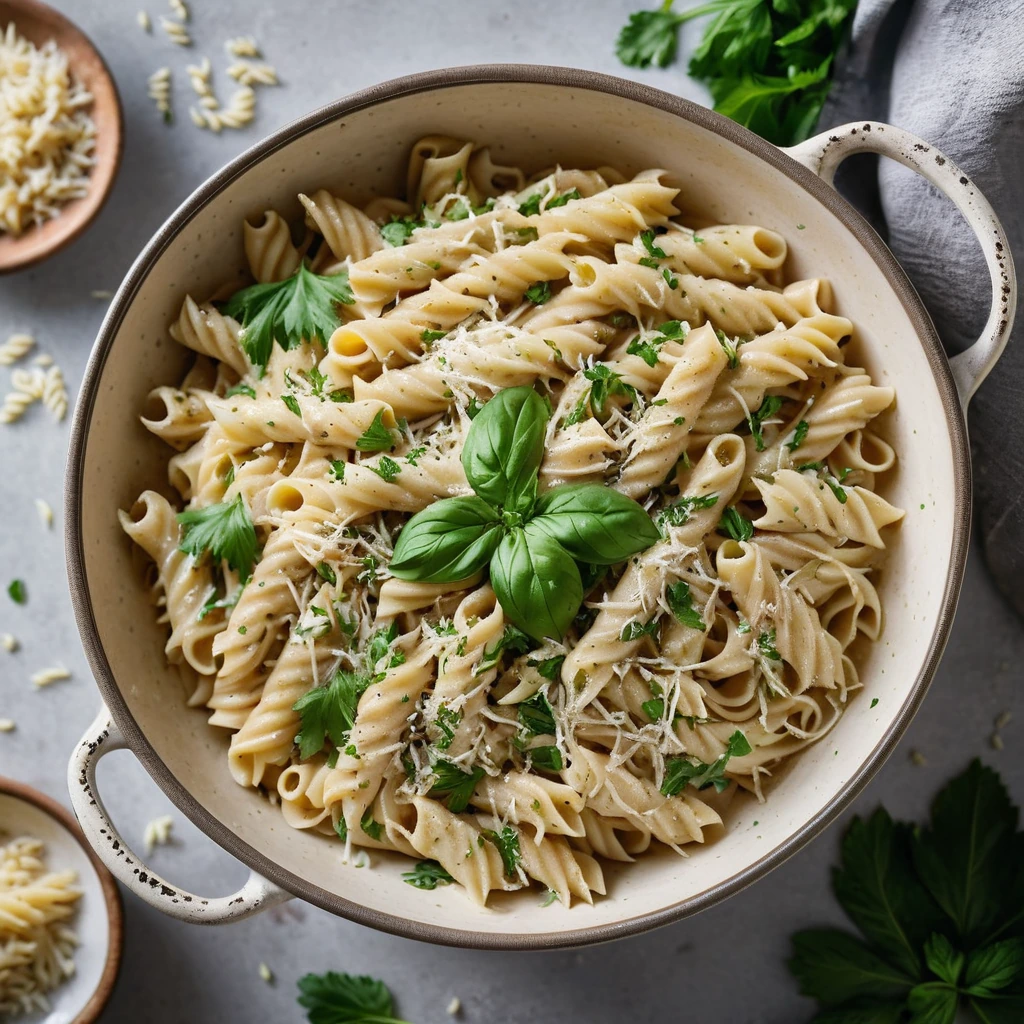
One-Pot Creamy Garlic Parmesan Chicken Pasta
Tender chicken and al dente pasta swim in a luscious, garlicky Parmesan sauce—all in one pot for a fuss-free family feast.