Baking Technique: Making Smooth Cheesecakes Without Cracks
Creating a smooth, crack-free cheesecake is a dream for many home bakers. Achieving this silky texture requires a blend of technique, patience, and precision. The key to preventing cracks lies in understanding how the proteins and fats in the cheesecake behave during baking. Overmixing the batter can incorporate too much air, leading to cracks as the air expands and then collapses. Similarly, temperature fluctuations can cause the cake to crack as it cools. The secret is to create an environment that allows the cheesecake to bake gently and evenly. This technique covers selecting the right ingredients, preparing the batter correctly, baking at the proper temperature, and cooling the cake safely to avoid imperfections. By following these steps, you can produce a creamy, professional-looking cheesecake that's sure to impress at your next gathering.
Notes
Understanding the science behind a smooth cheesecake is crucial. Cream cheese contains proteins that coagulate when heated. Overmixing can cause these proteins to bond too tightly, leading to cracks. Room temperature ingredients ensure a smooth batter, reducing the risk of lumps and air pockets. The water bath provides a gentle, even heat, preventing drastic temperature changes that can cause cracking. Cooling the cheesecake slowly in the oven allows it to contract gently, avoiding sudden stresses that can cause cracks. For storage, always cover the cheesecake to prevent drying out, and store in the refrigerator for up to 5 days.
Steps
- 1 Preheat oven to 325°F.
- 2 Greet cream cheese and eggs to room temperature.
- 3 Mix cream cheese with sugar until smooth and creamy.
- 4 Add eggs one at a time, mixing just until incorporated.
- 5 Gently fold in sour cream and vanilla extract.
- 6 Pour batter into a prepared springform pan.
- 7 Place the pan in a larger pan filled with hot water for a water bath.
- 8 Bake for 55 to 65 minutes or until the center is set but still jiggles slightly.
- 9 Turn off the oven and crack the door open; let the cheesecake cool in the oven for 1 hour.
- 10 Transfer cheesecake to a wire rack and let it cool completely at room temperature.
- 11 Cover and refrigerate for at least 4 hours, preferably overnight.
- 12 Before serving, run a knife around the edges to loosen the cake.
- 13 Release the springform pan and transfer the cheesecake to a serving plate.
- 14 Optional: Decorate with fruit or sauce before serving.
Ingredients to explore
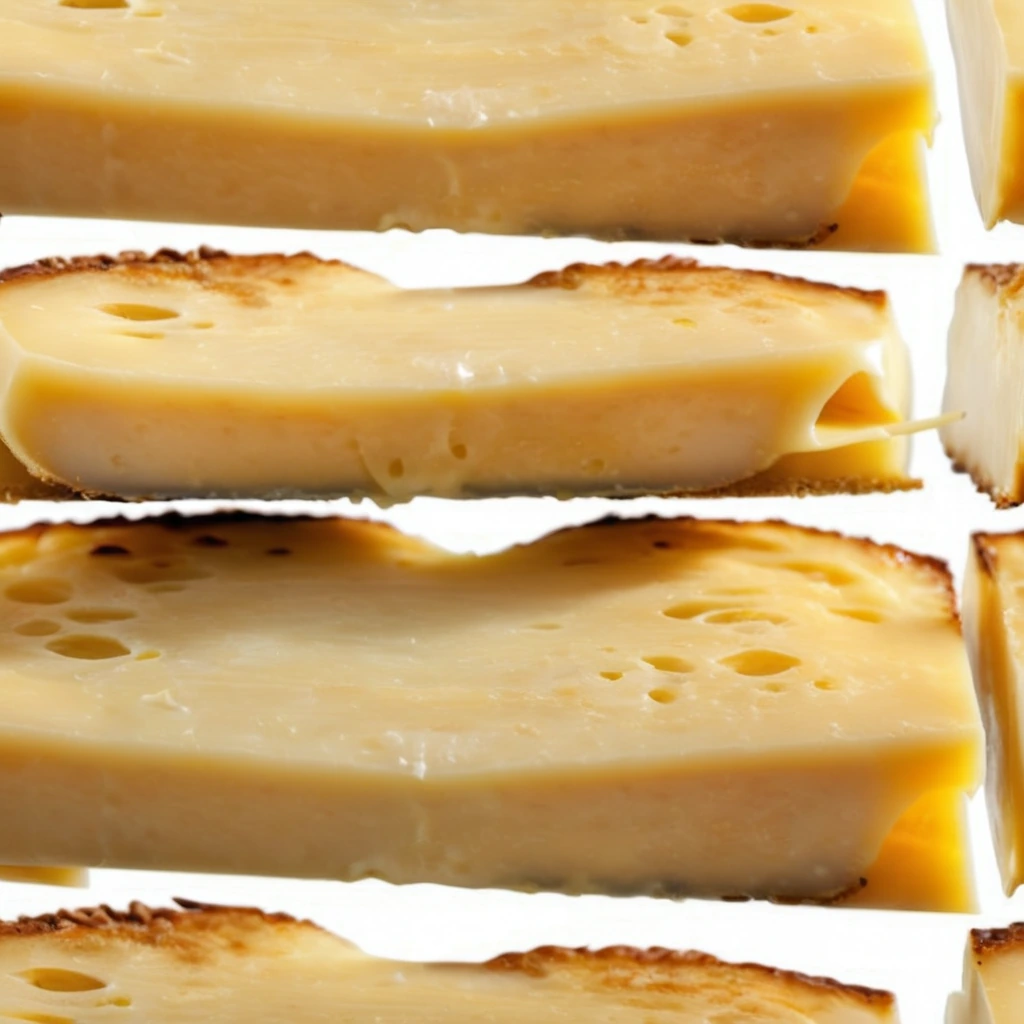
American Cheese Slices
Those iconic, perfectly pliable slices of creamy, mild American cheese. Each slice boasts a smooth, melt-in-your-mouth texture that brings comfort to any dish.
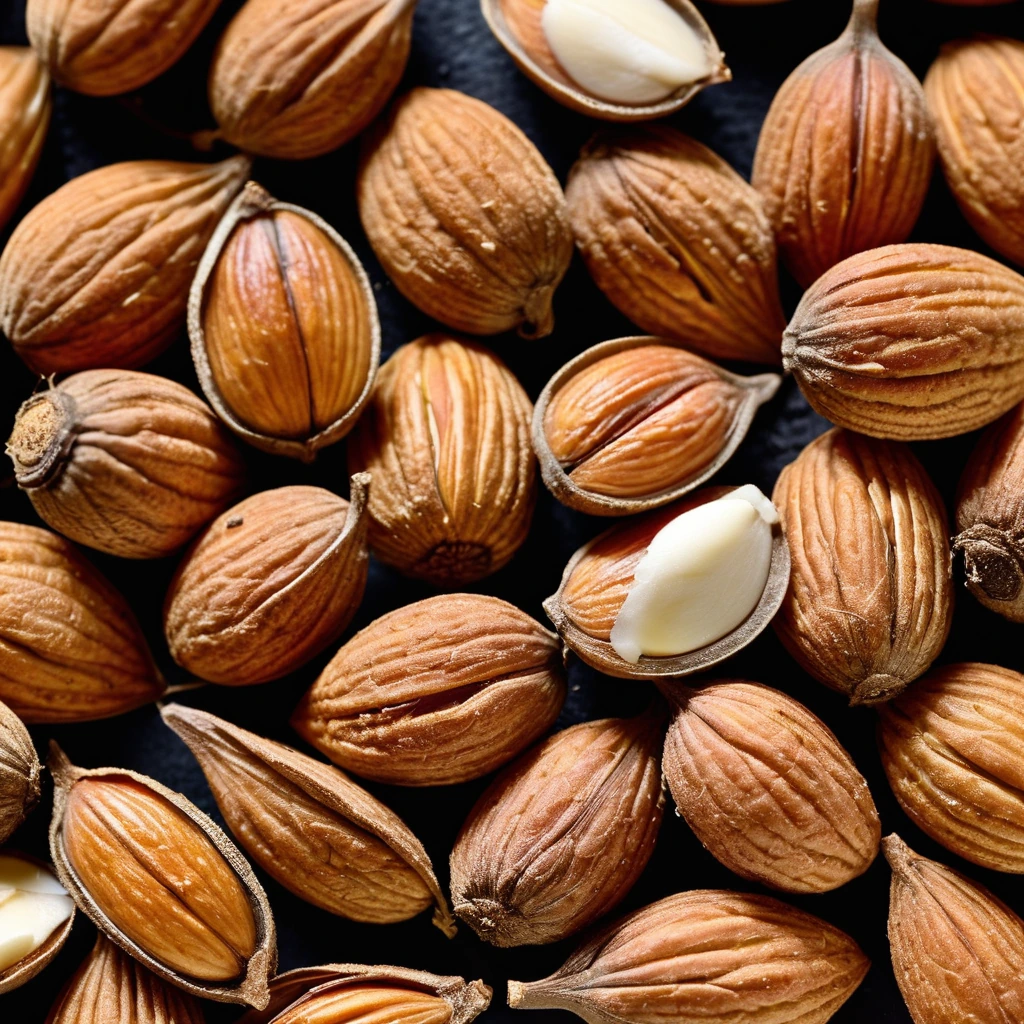
Almond Extract
A fragrant, golden elixir that captures the essence of freshly ground almonds, almond extract is a pantry staple that brings a rich, nutty aroma to your culinary creations.
Recipes to try
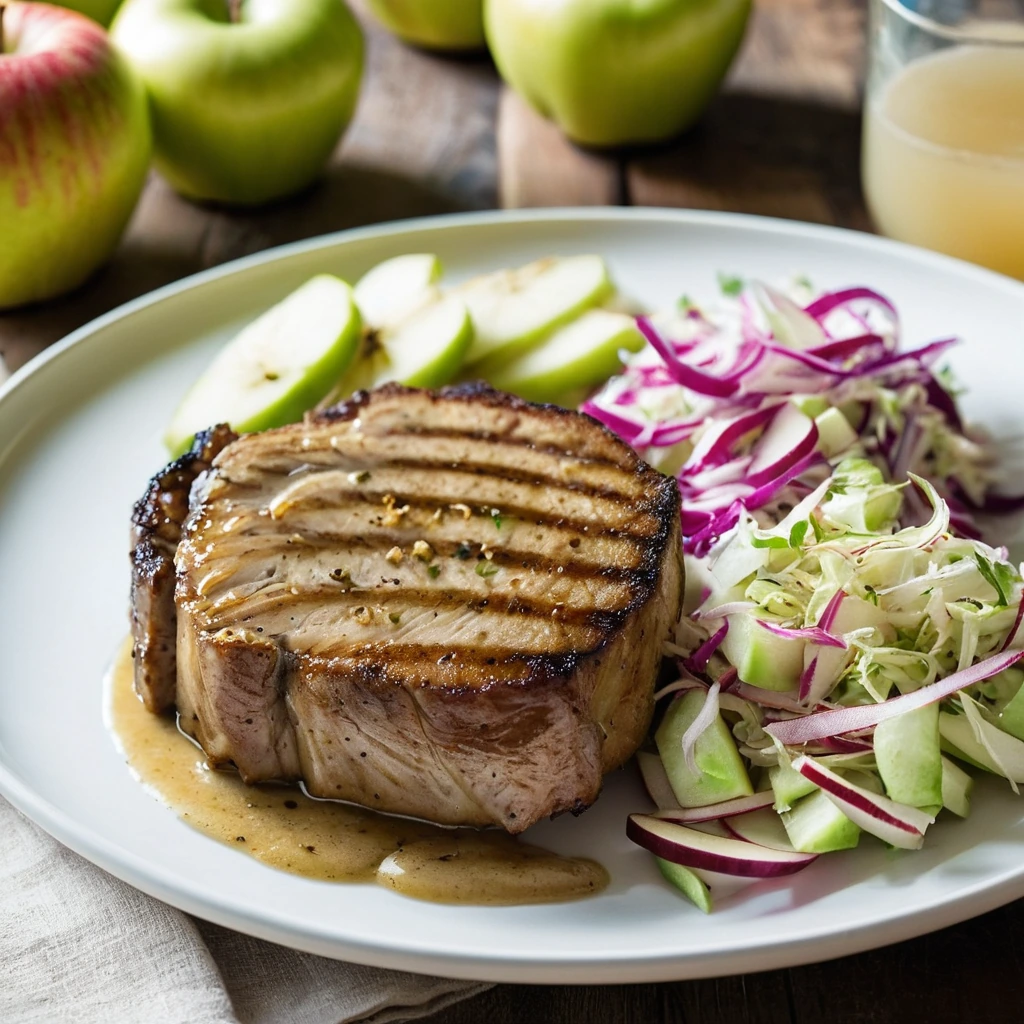
Maple Mustard Pork Chops with Apple Slaw
Tender pork chops kissed with a tangy maple mustard glaze, served alongside a crisp, sweet-tart apple slaw.
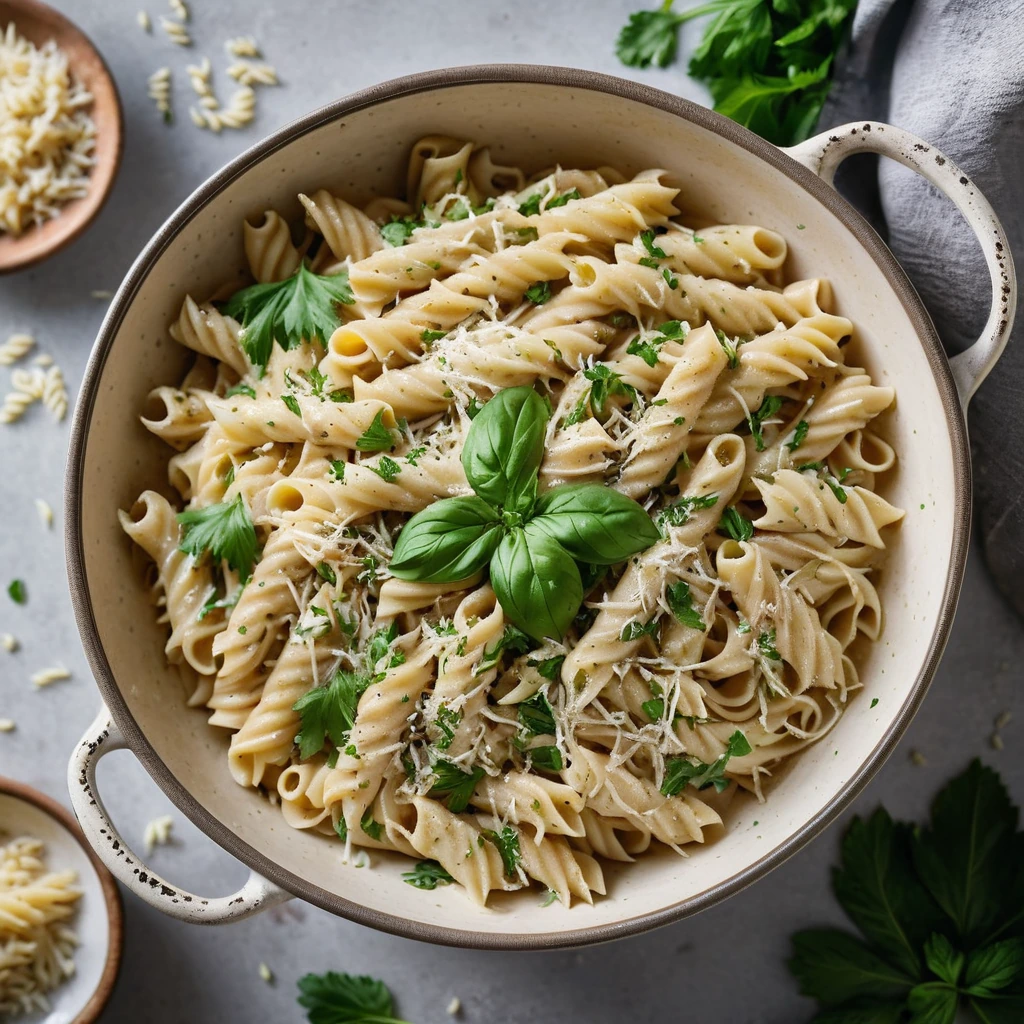
One-Pot Creamy Garlic Parmesan Chicken Pasta
Tender chicken and al dente pasta swim in a luscious, garlicky Parmesan sauce—all in one pot for a fuss-free family feast.